



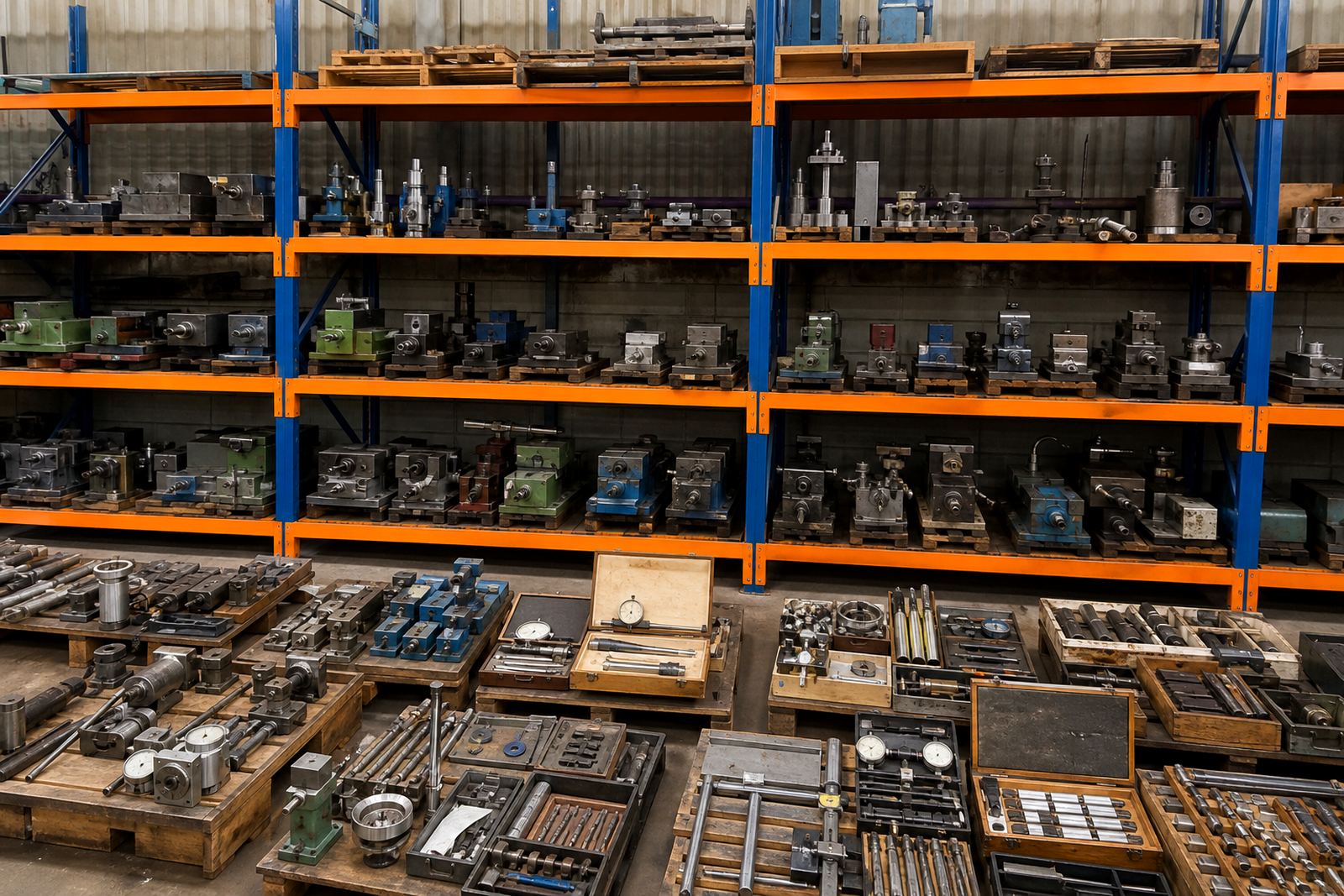
How Used Machinery Is Assessed Before Sale
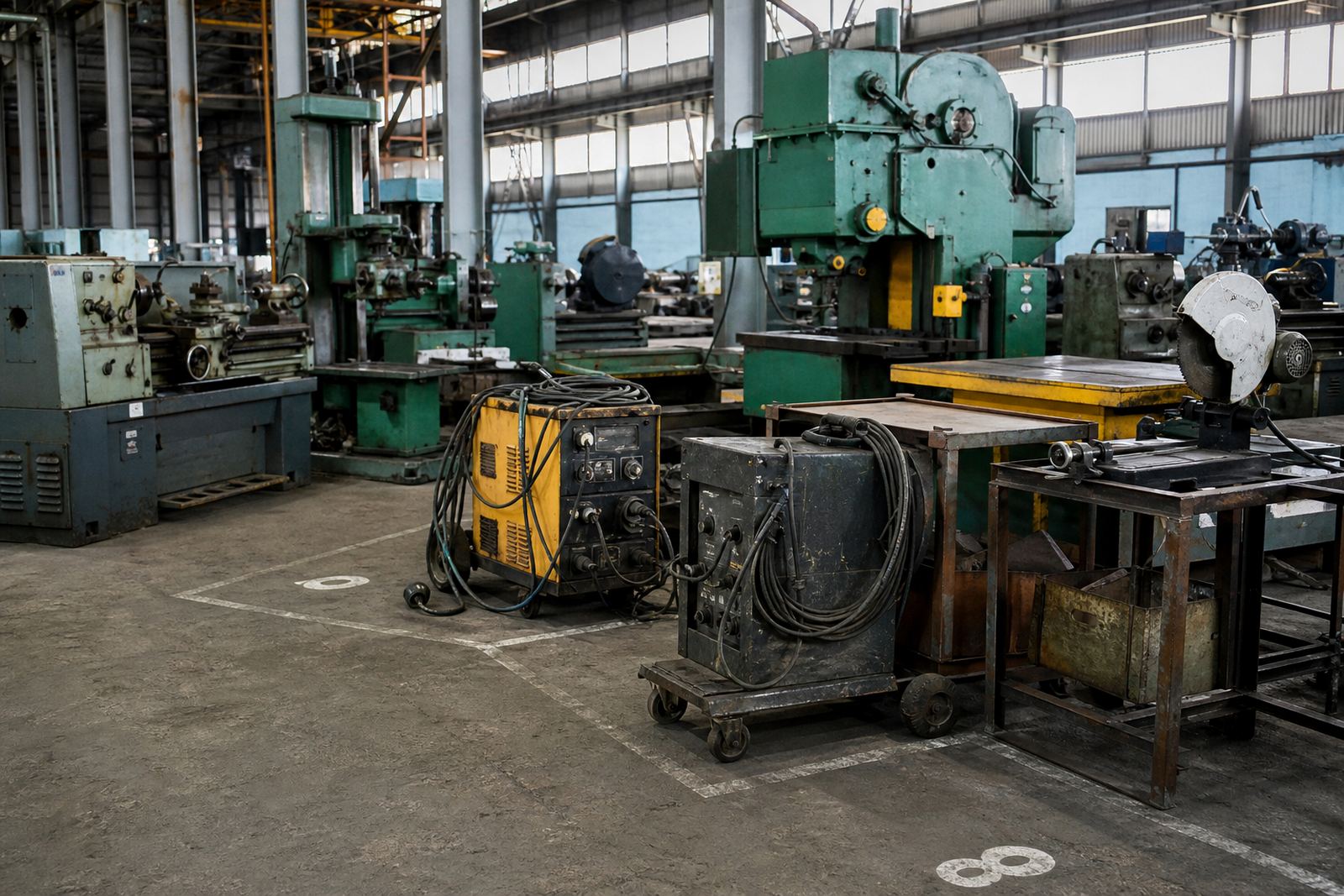
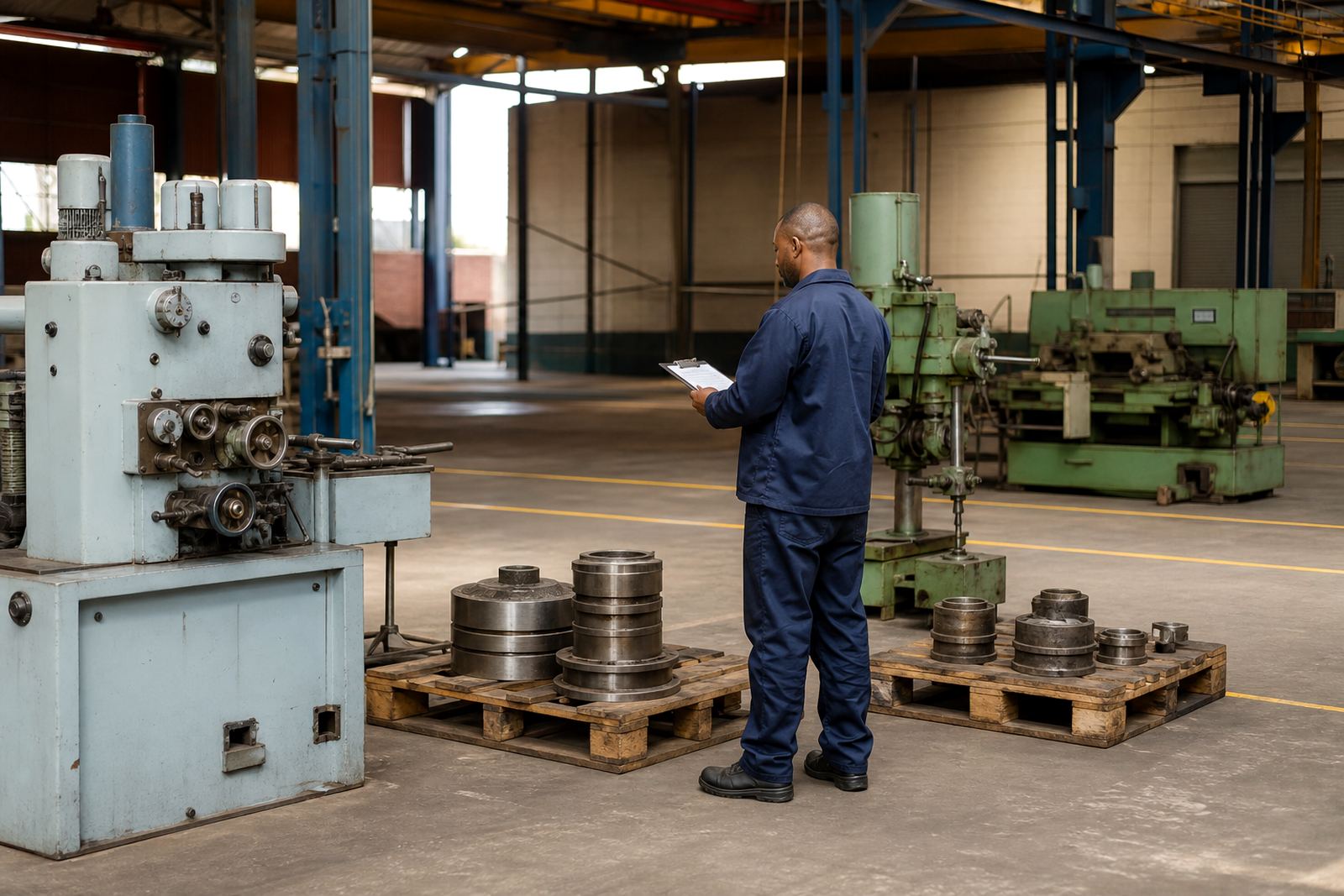
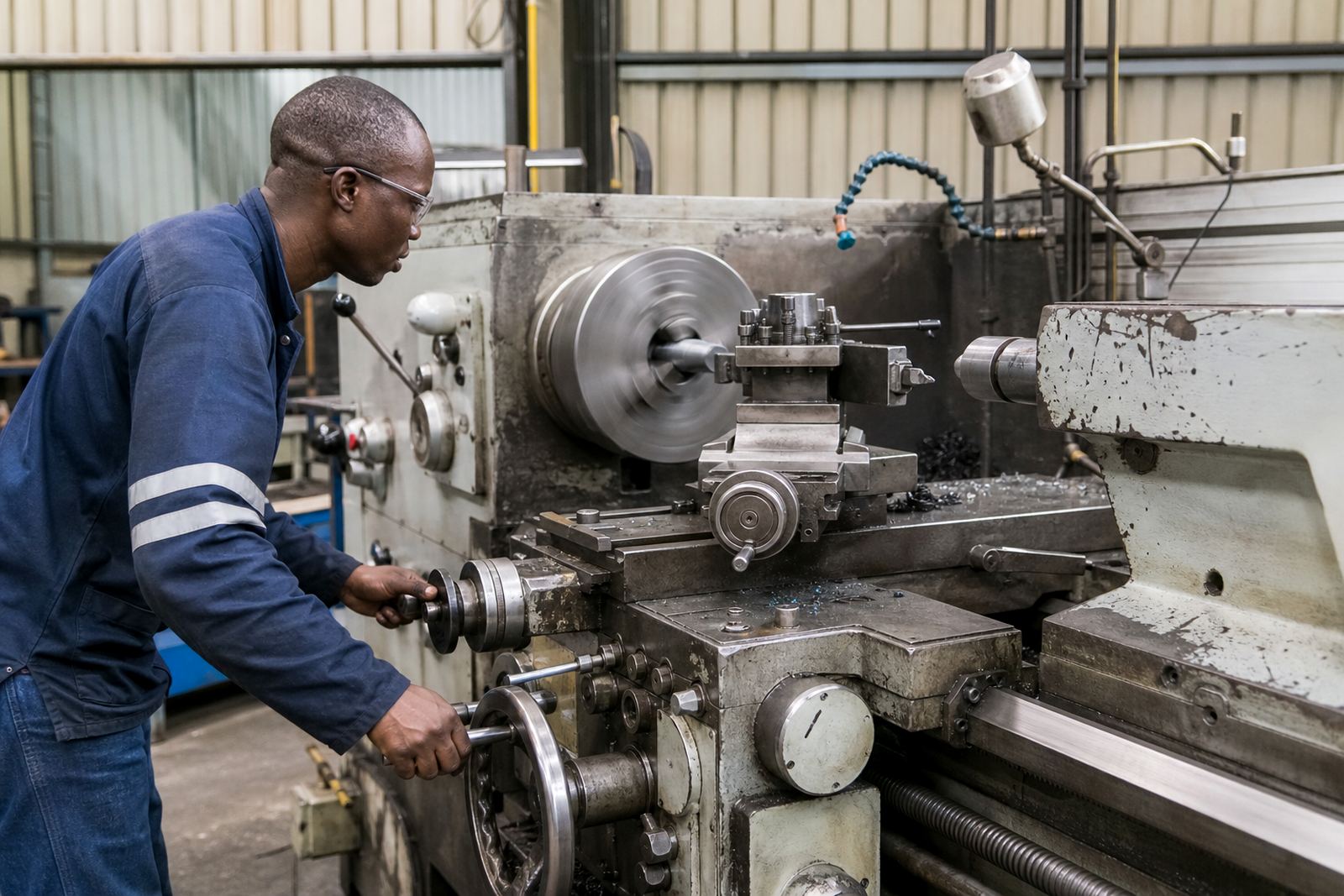
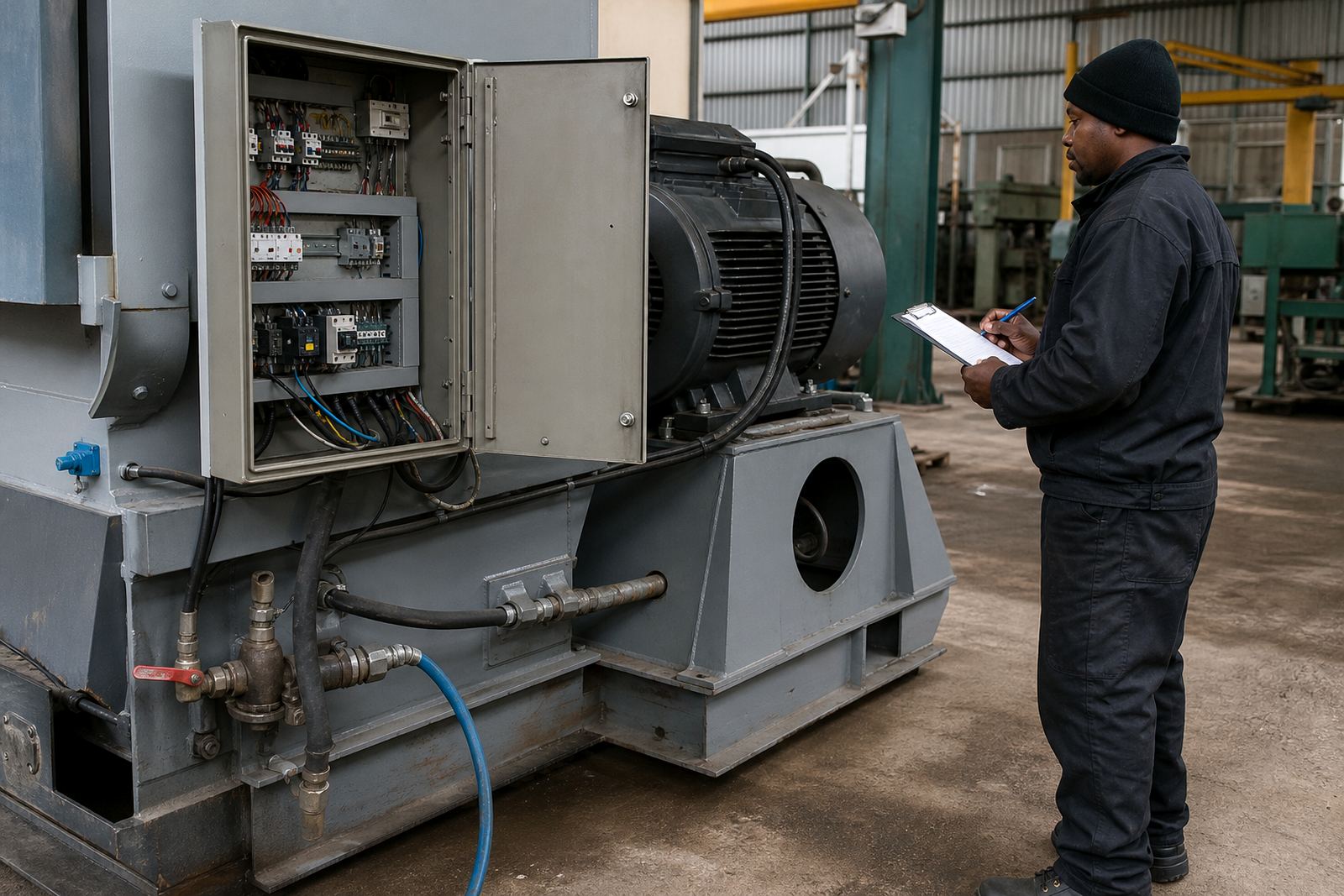
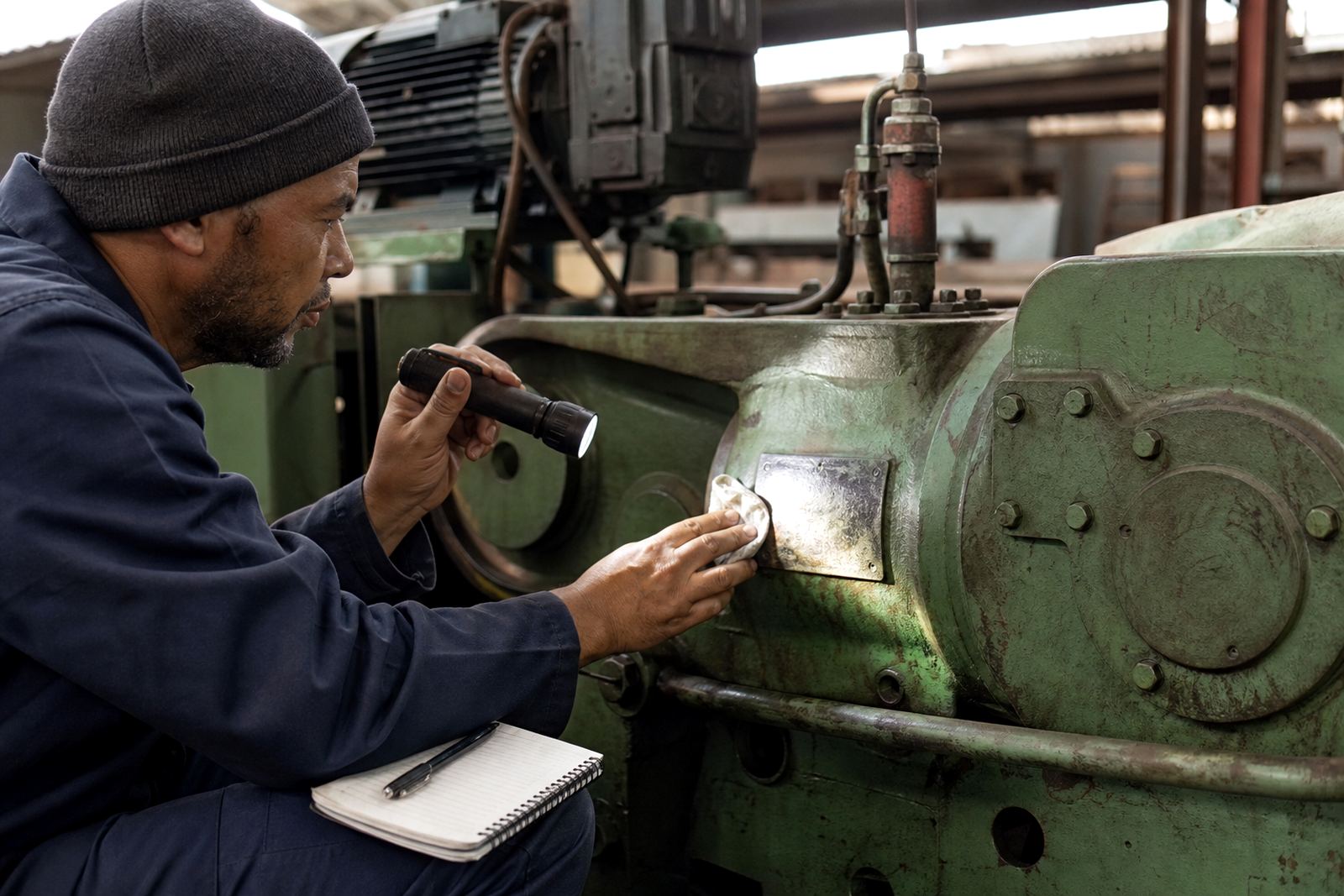
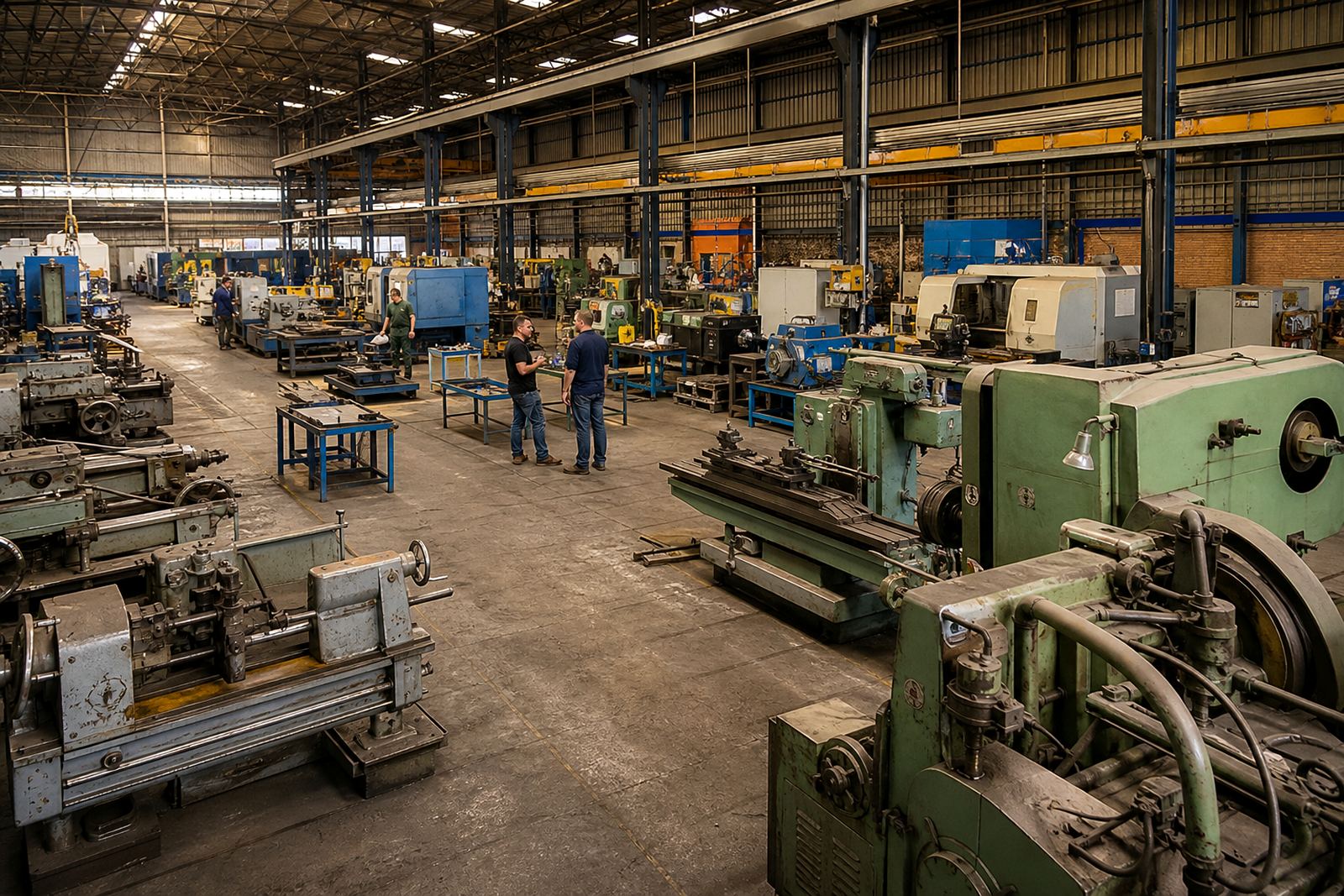
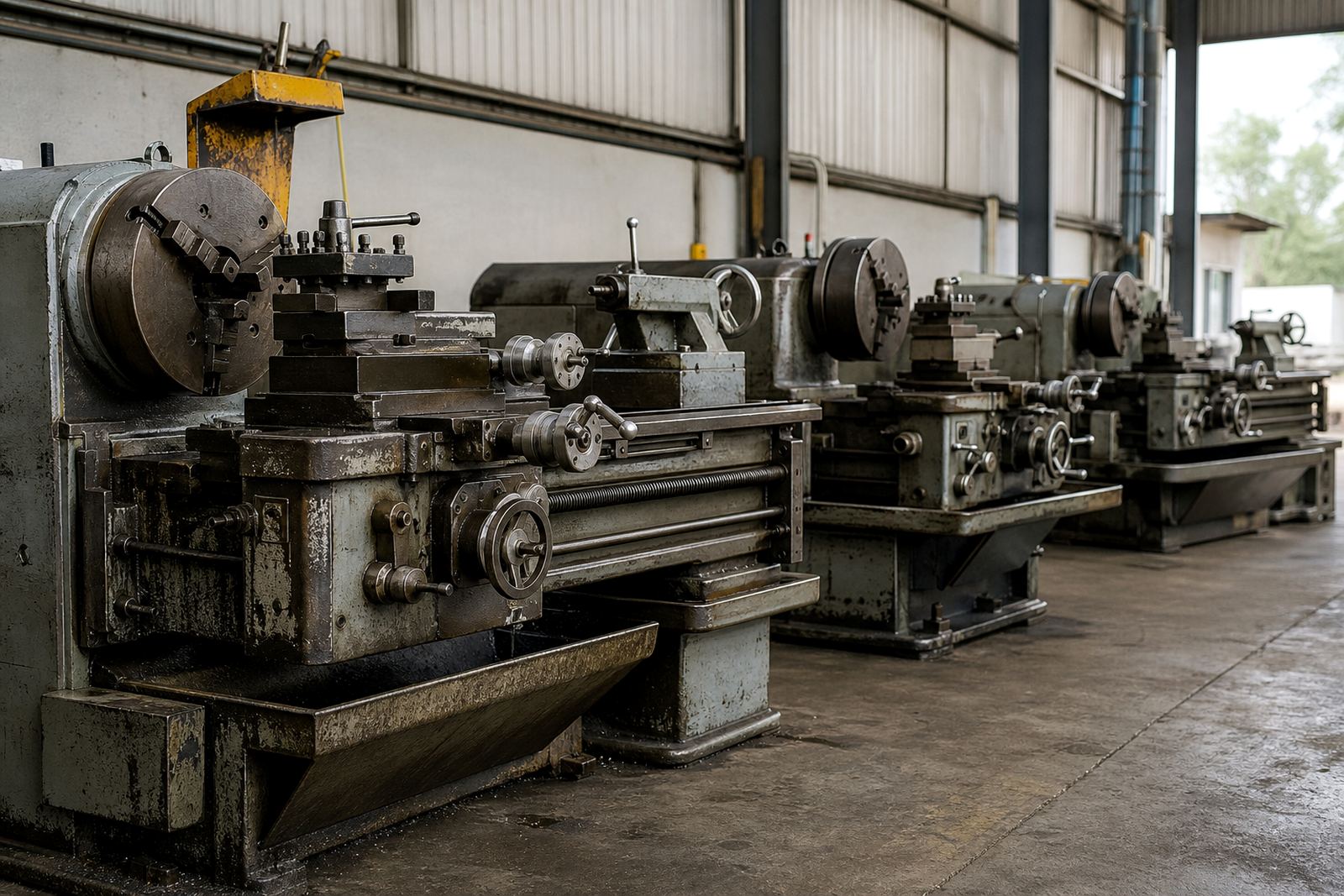
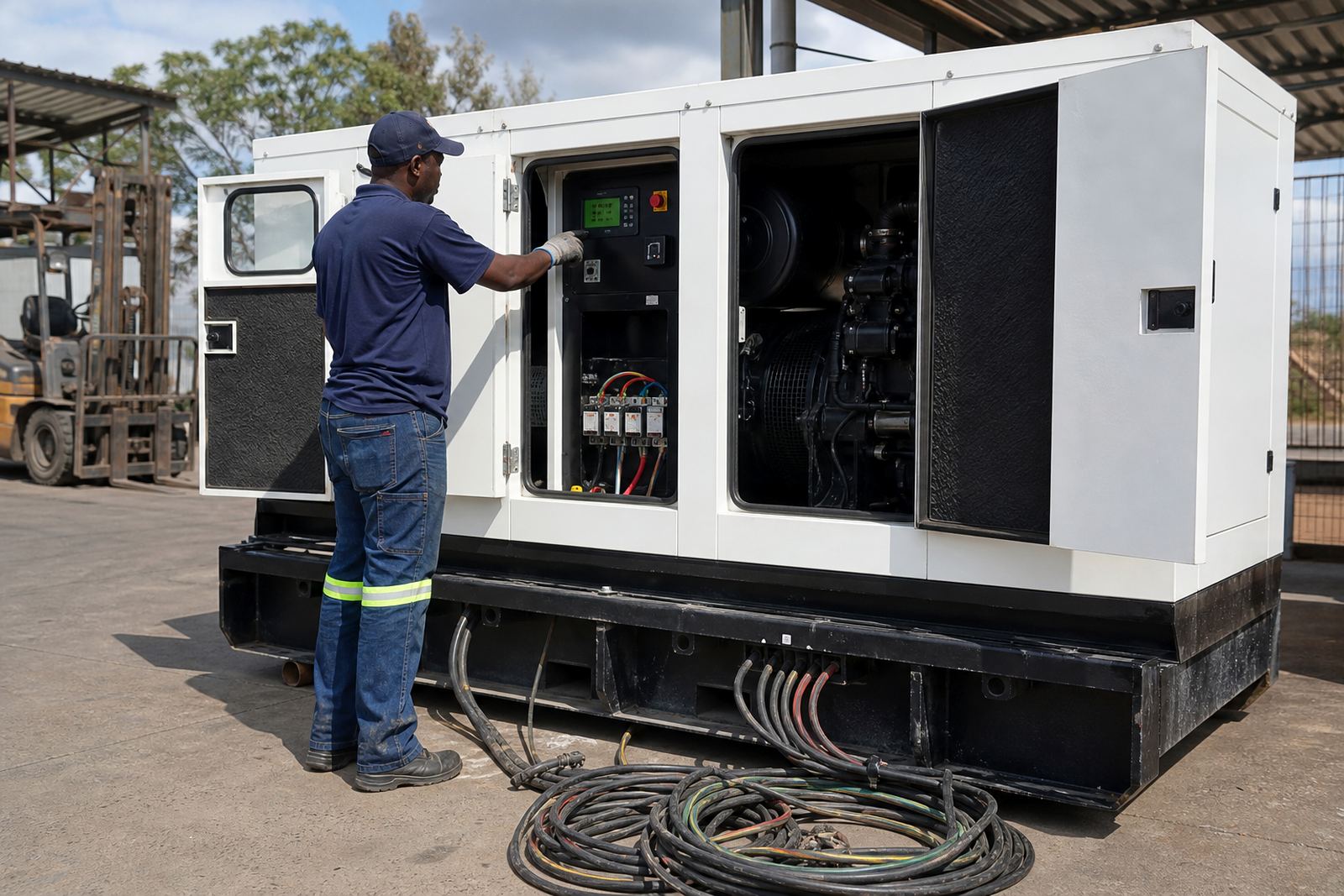
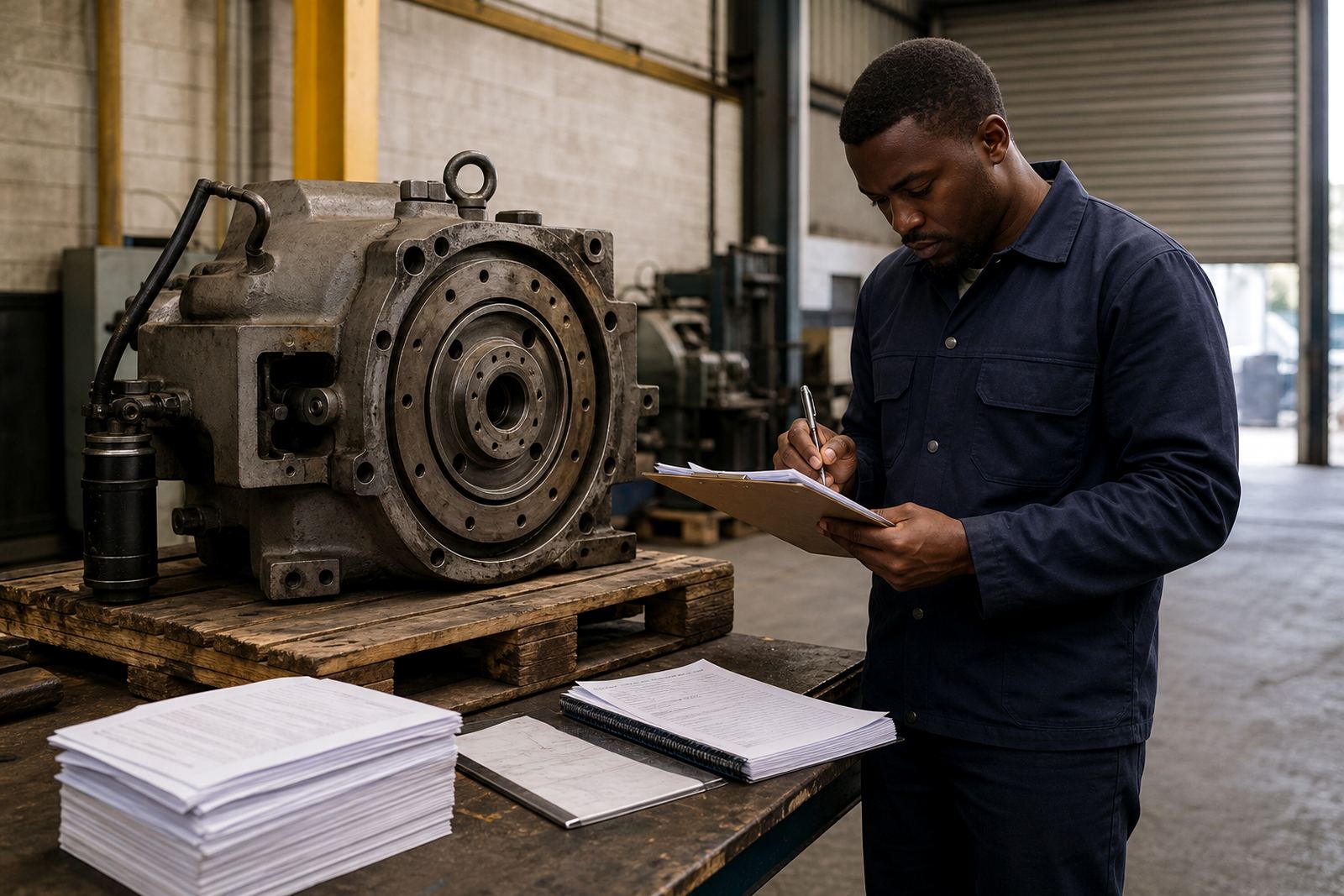
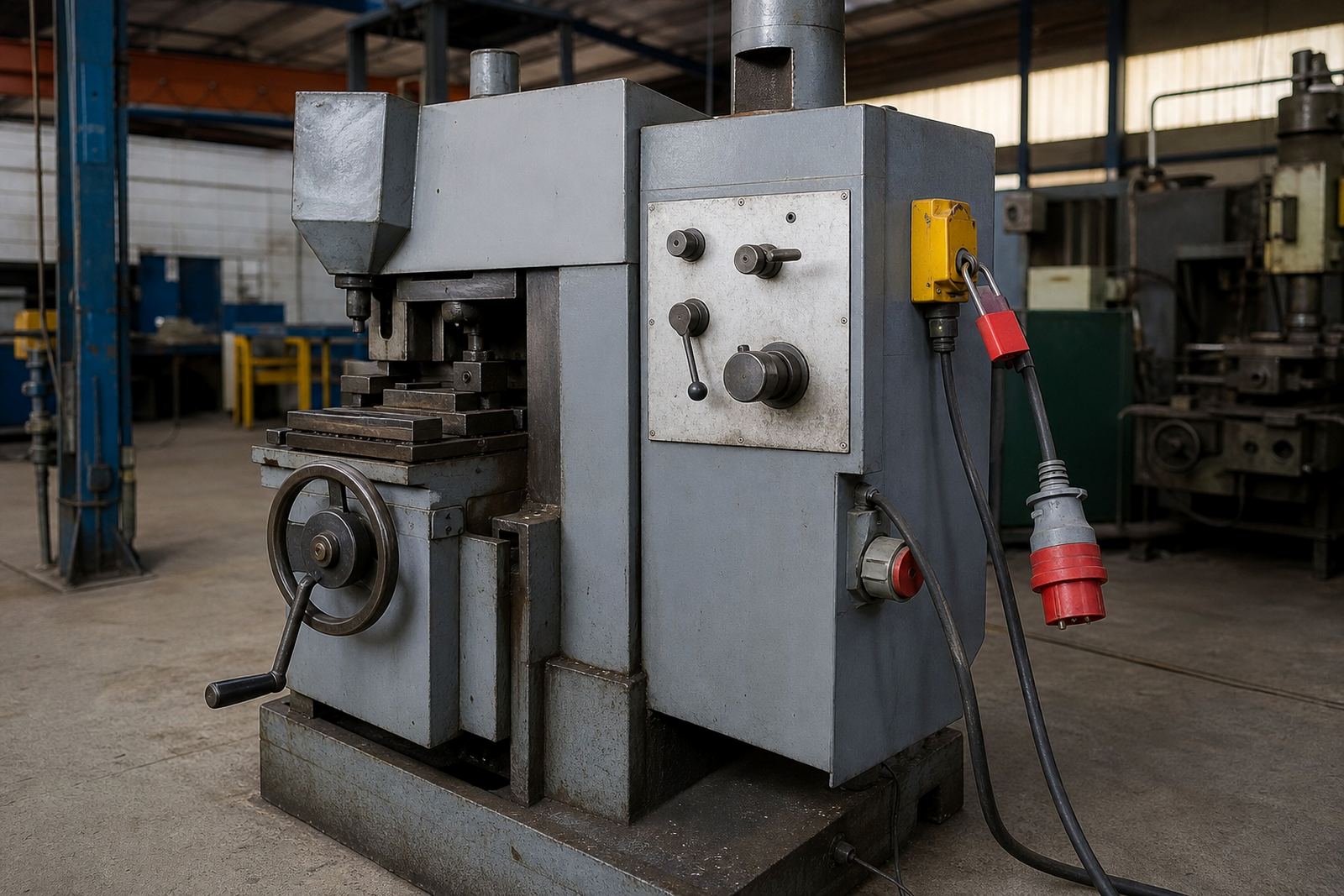
A proper valuation starts with the machine itself. A valuer will normally look at age, make and model, service history, operating condition, hours run, attachments, tooling, and whether the unit is complete. Power supply, load-shedding exposure, corrosion, and signs of poor storage also matter, especially for sites near the coast or in dusty industrial areas.
A valuation is an opinion of value based on the information available at the time. It is not a guarantee of the final sale price. Market demand, timing, machine category, and buyer interest all affect the result. For that reason, a site inspection usually gives a better picture than photos alone.
Choosing Between Auction, Tender and Private Disposal
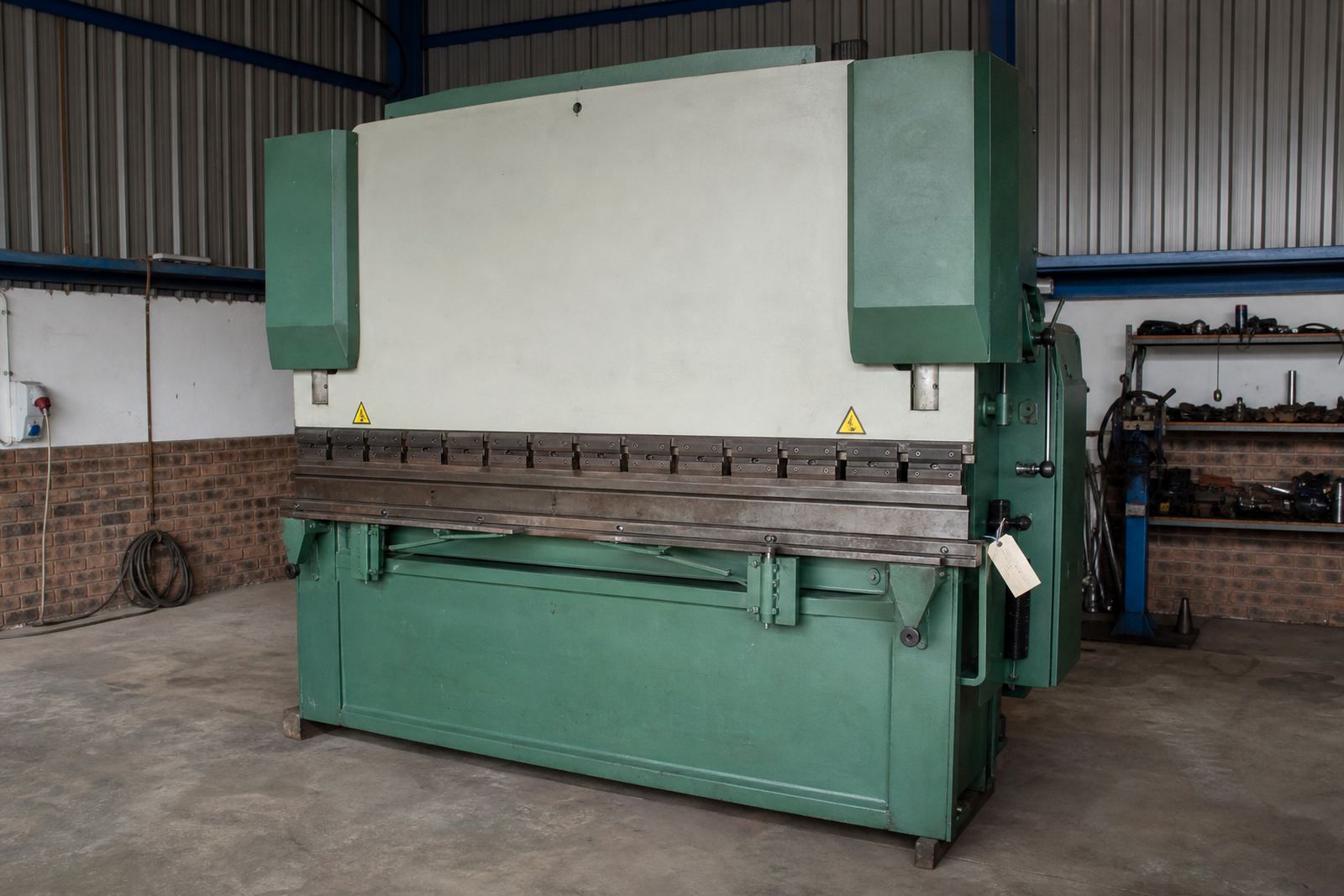
Different disposal routes suit different assets. An auction can work well when there are several machines to move, when the seller wants broad market exposure, or when closure deadlines are tight. Tender may suit niche equipment or higher value assets where the seller wants structured offers. Private disposal can be slower but may fit a narrow buyer pool.
- Use an auction when speed and visibility matter.
- Use tender when you need controlled offer submissions.
- Use private disposal when the asset is specialised and buyers are few.
- Use a mixed approach when plant has both common and specialist items.
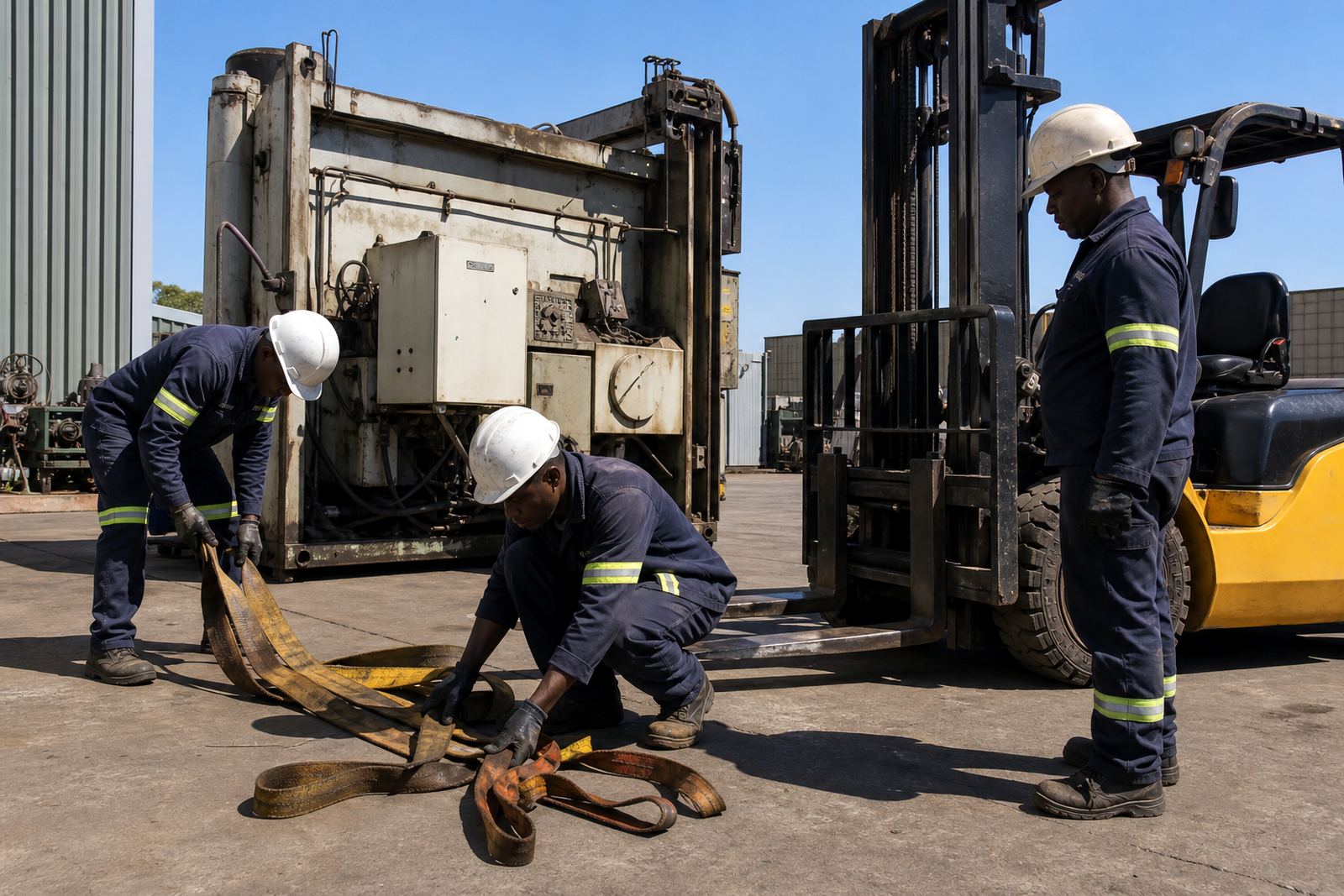
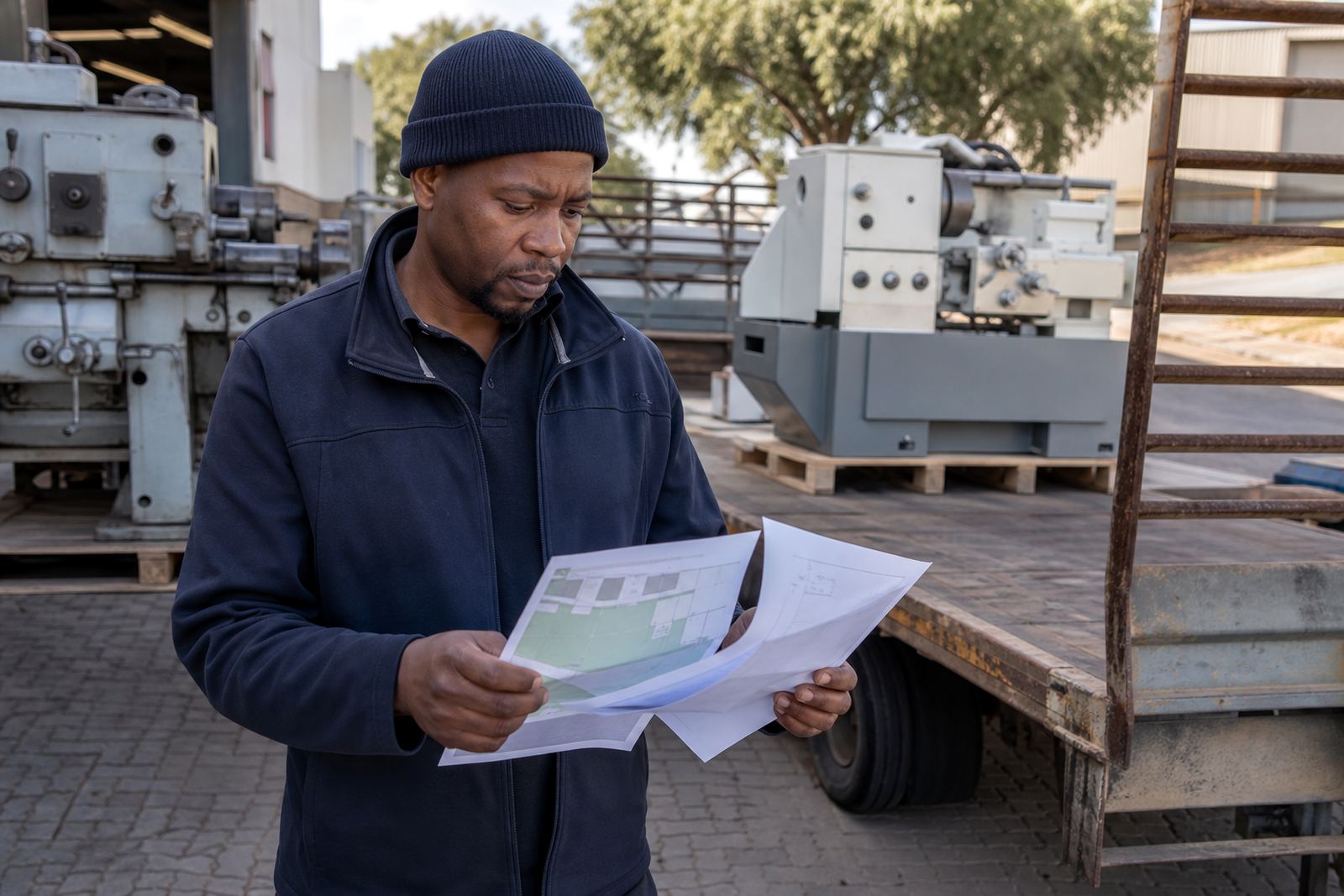
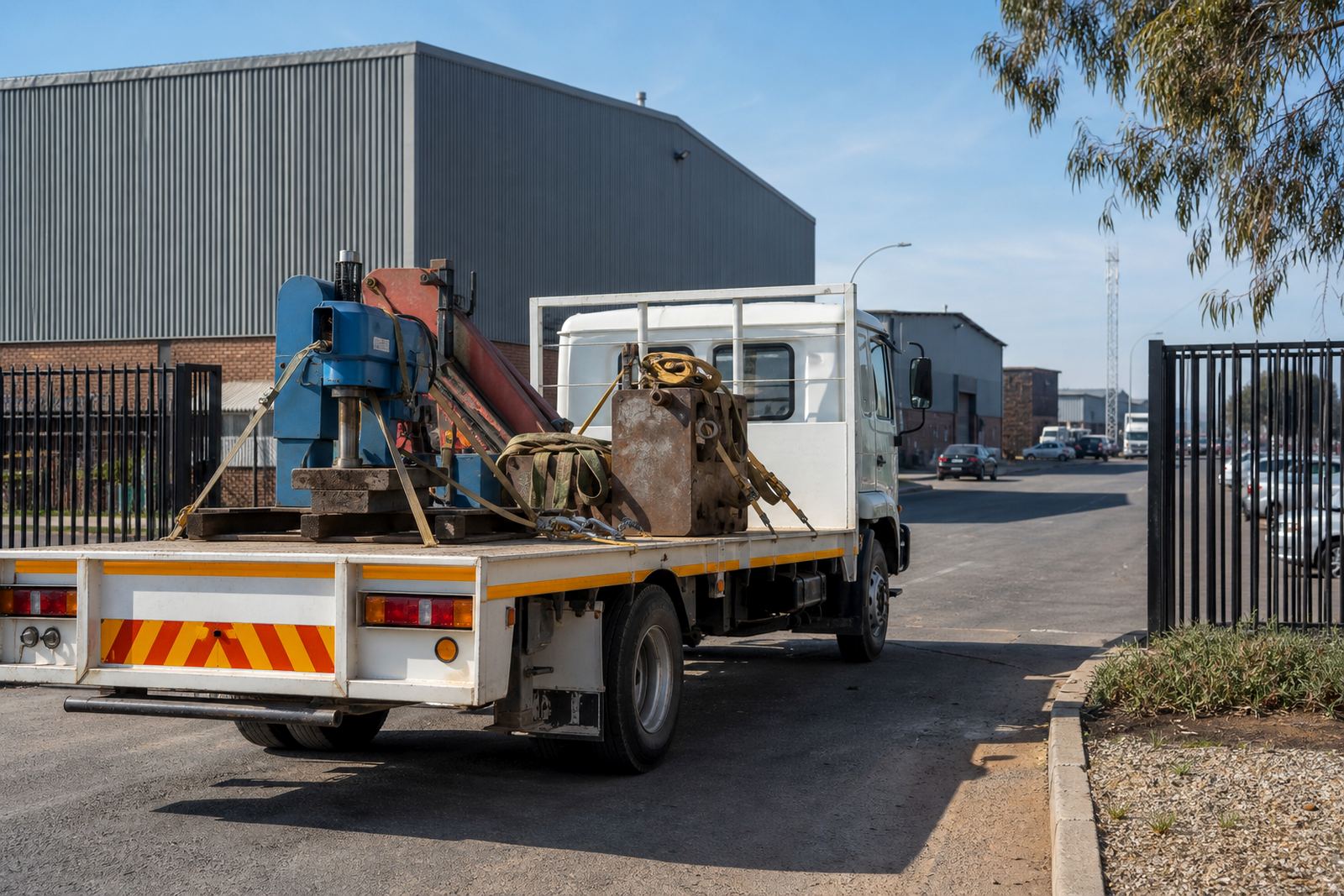
Good advice depends on the condition of the plant, the site layout, and the time available for removal. In Gauteng, for example, access through shared industrial yards in Kempton Park, Germiston or Midrand can affect planning and collection.
What Happens During Auction Planning
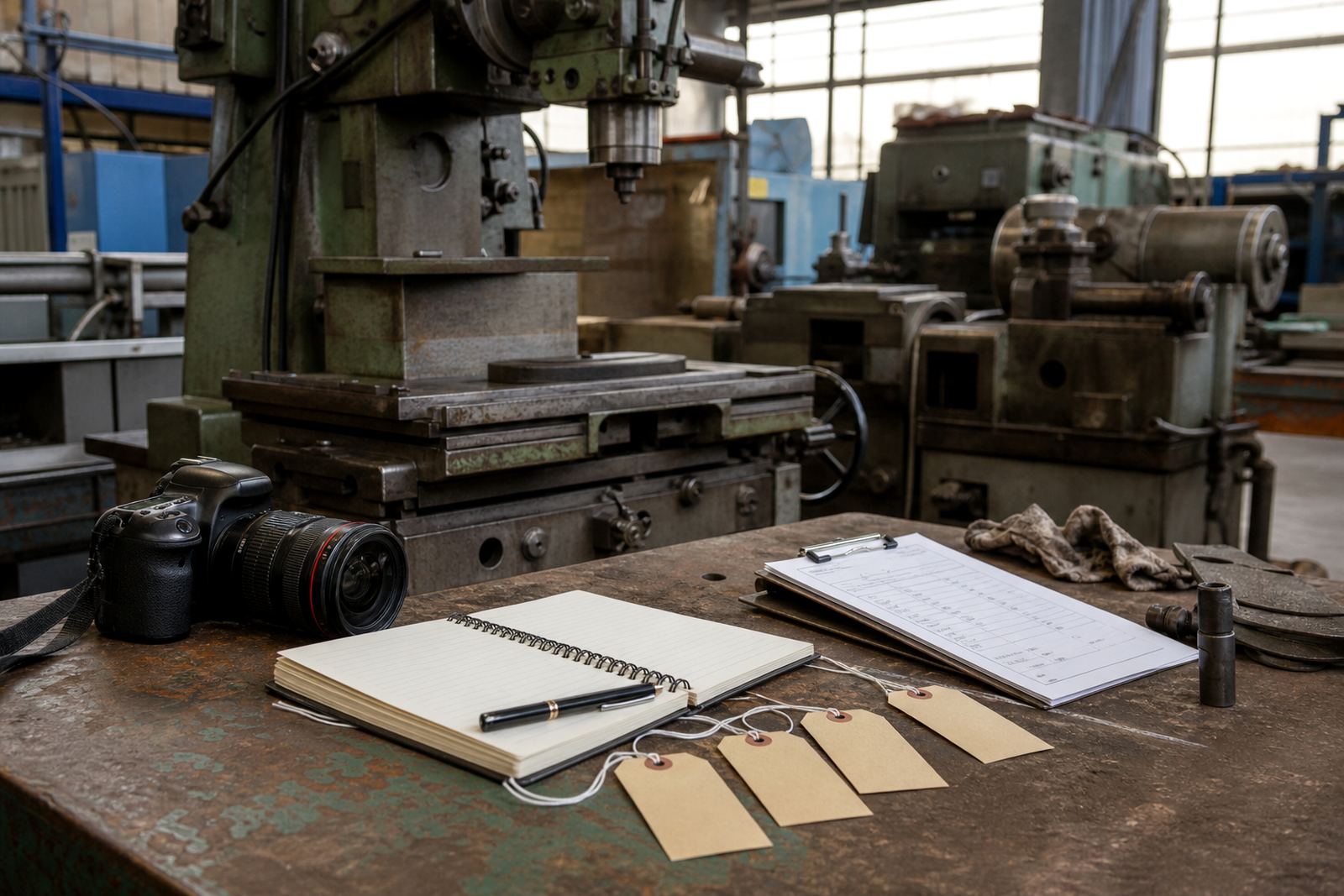
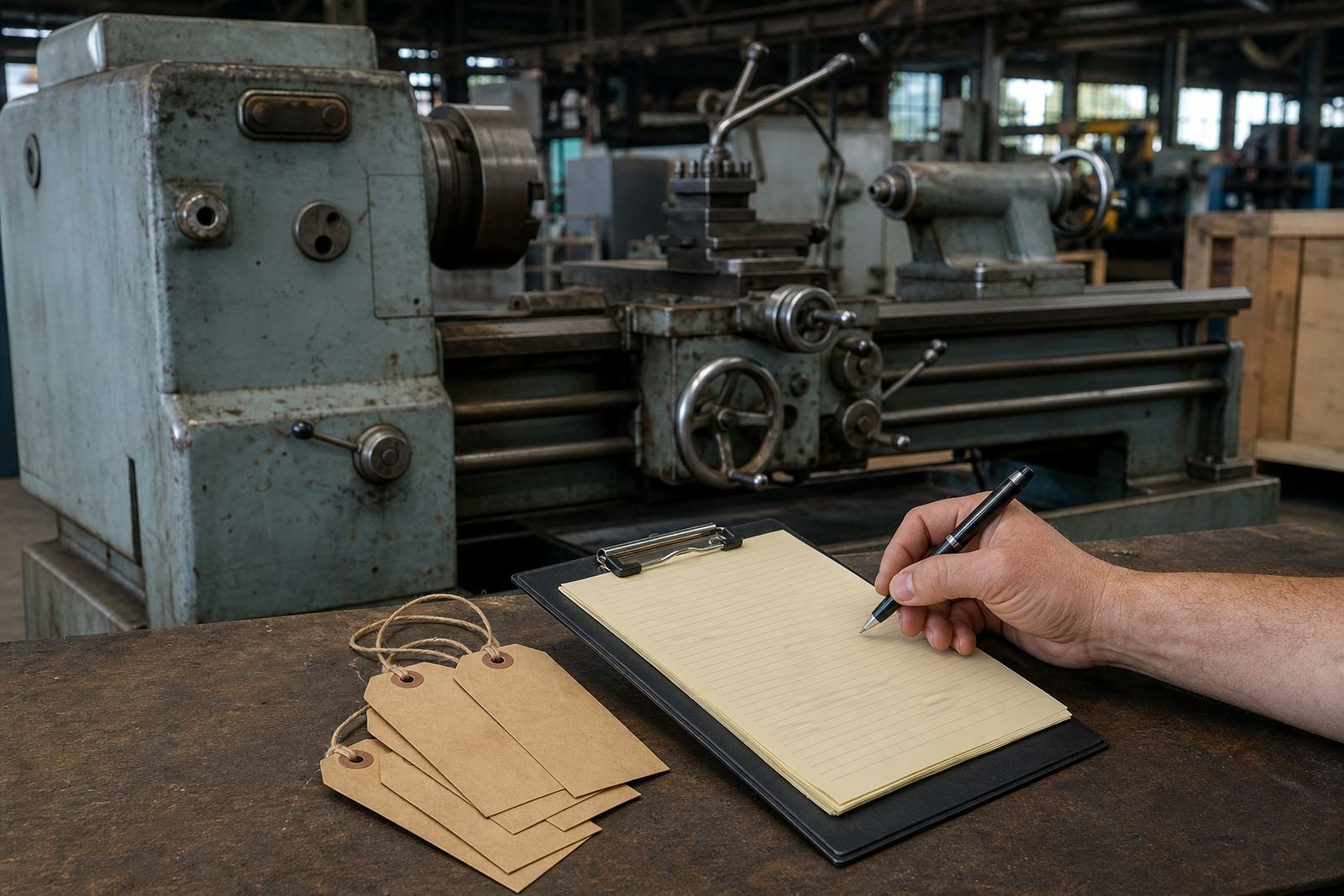
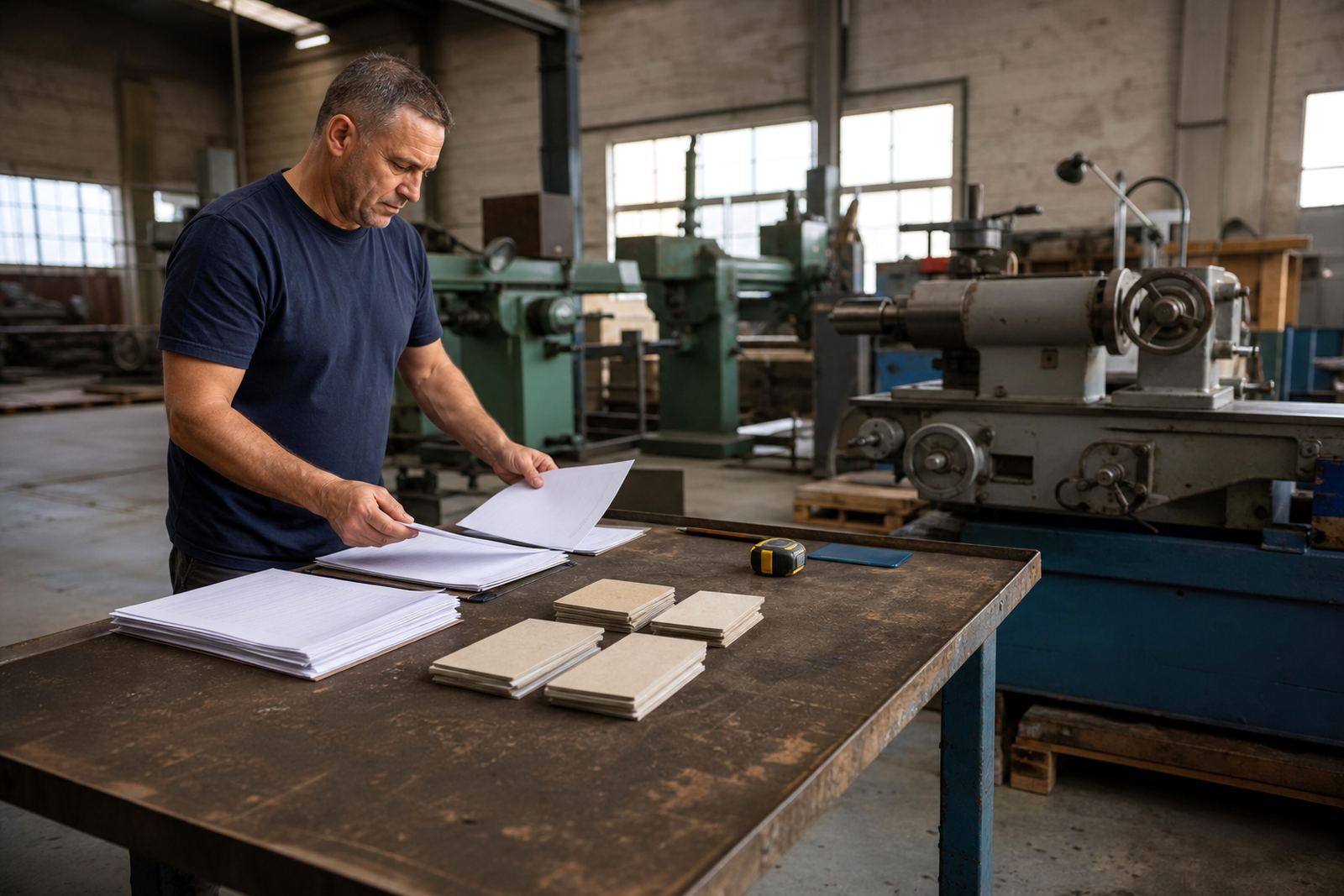
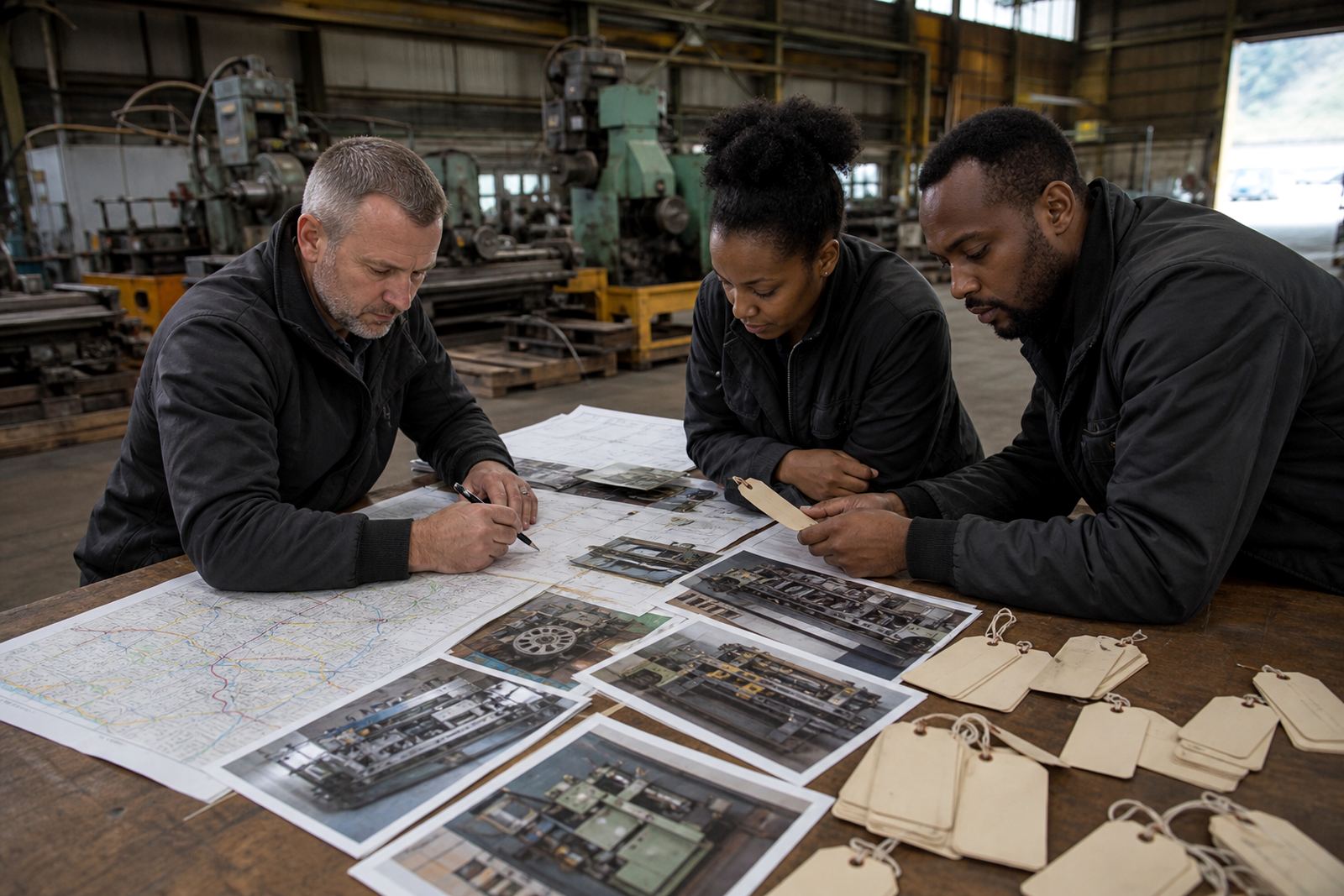
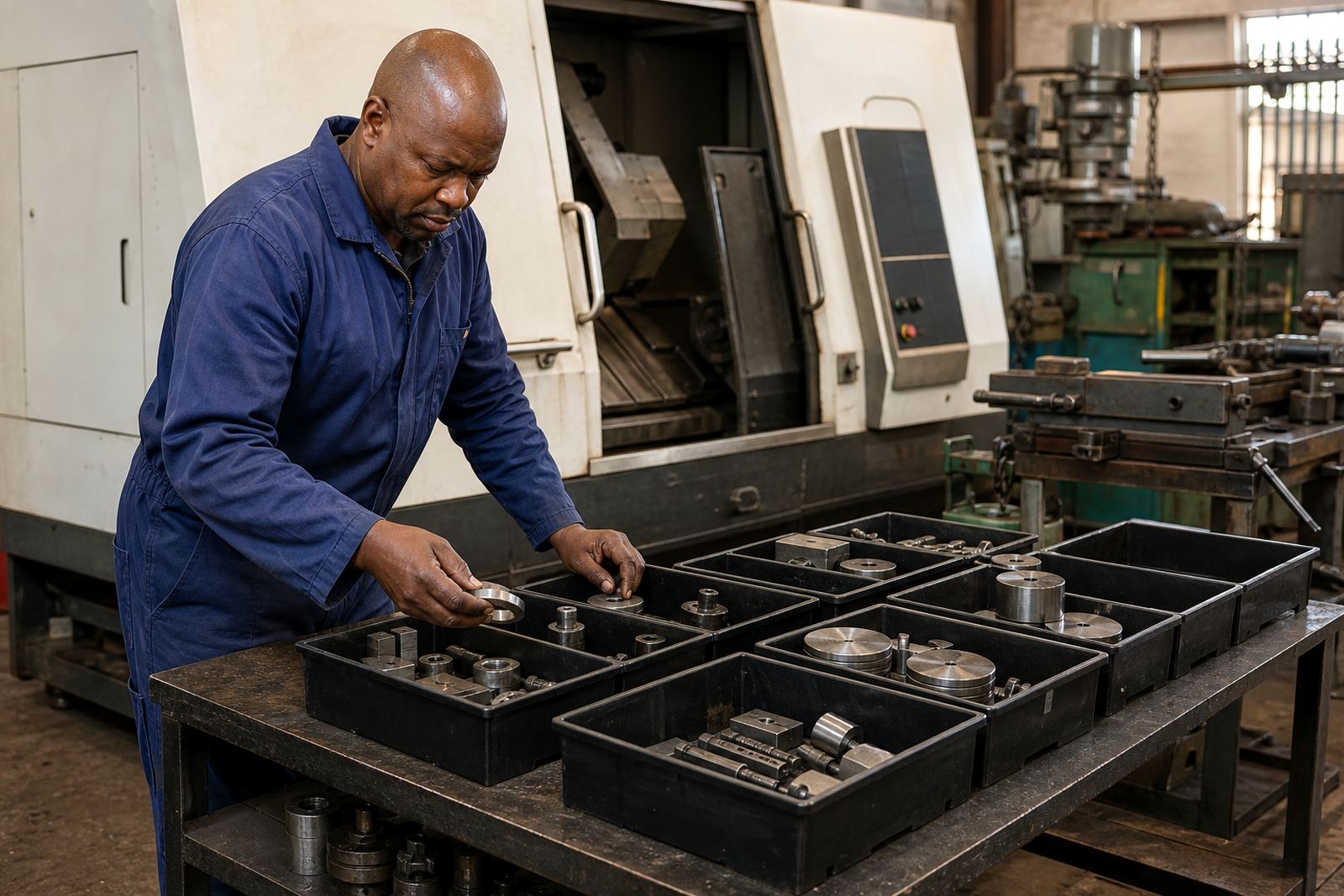
Planning starts with a clear asset list and a practical view of what can be sold as operating units, spare parts, or scrap. The team then checks serial numbers where available, groups lots in a sensible order, and prepares descriptions that reflect condition honestly. A clean catalogue helps buyers compare items properly and reduces avoidable disputes later.
- Confirm the item list and site access rules.
- Set inspection dates and viewing arrangements.
- Decide whether lots will be grouped or sold individually.
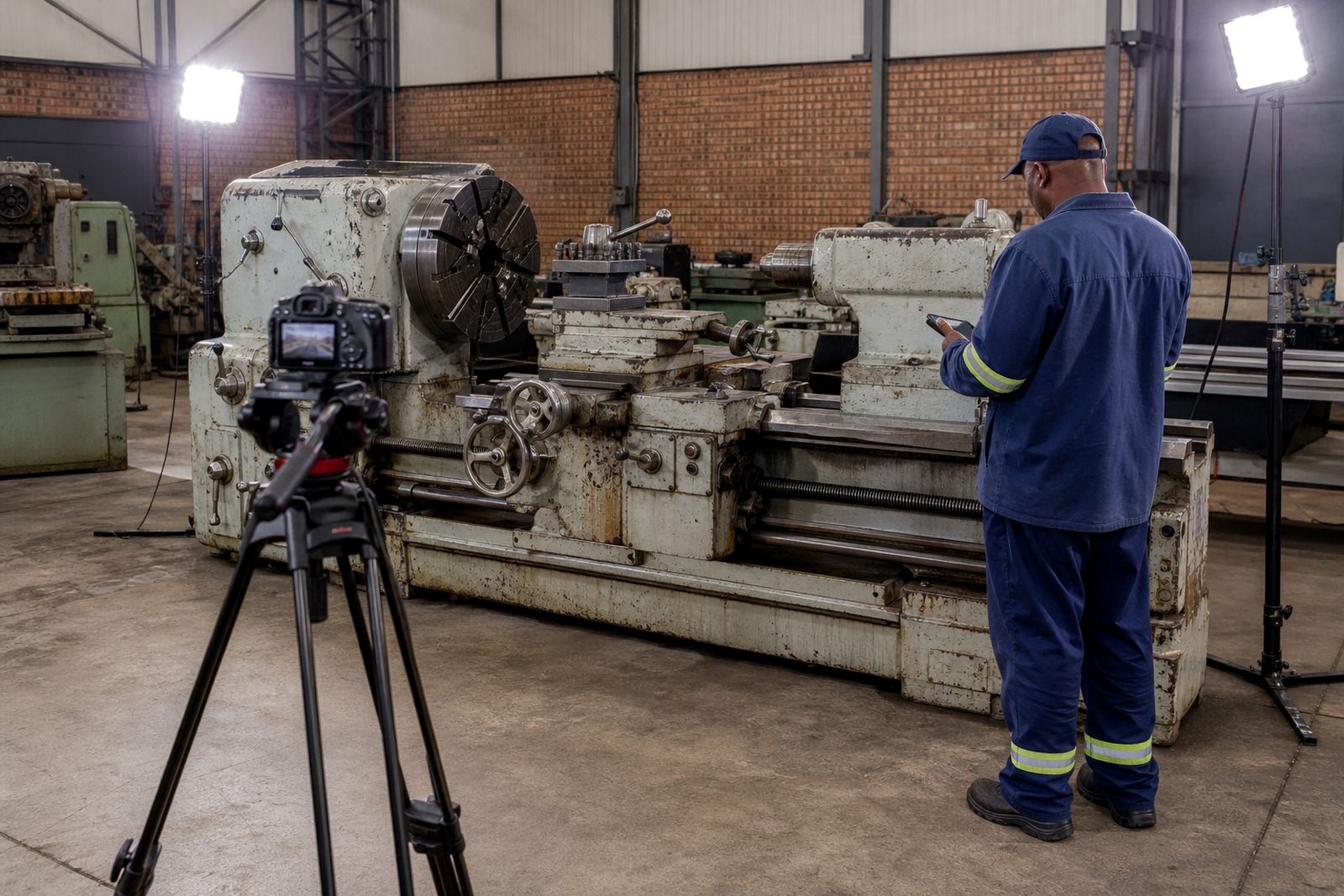
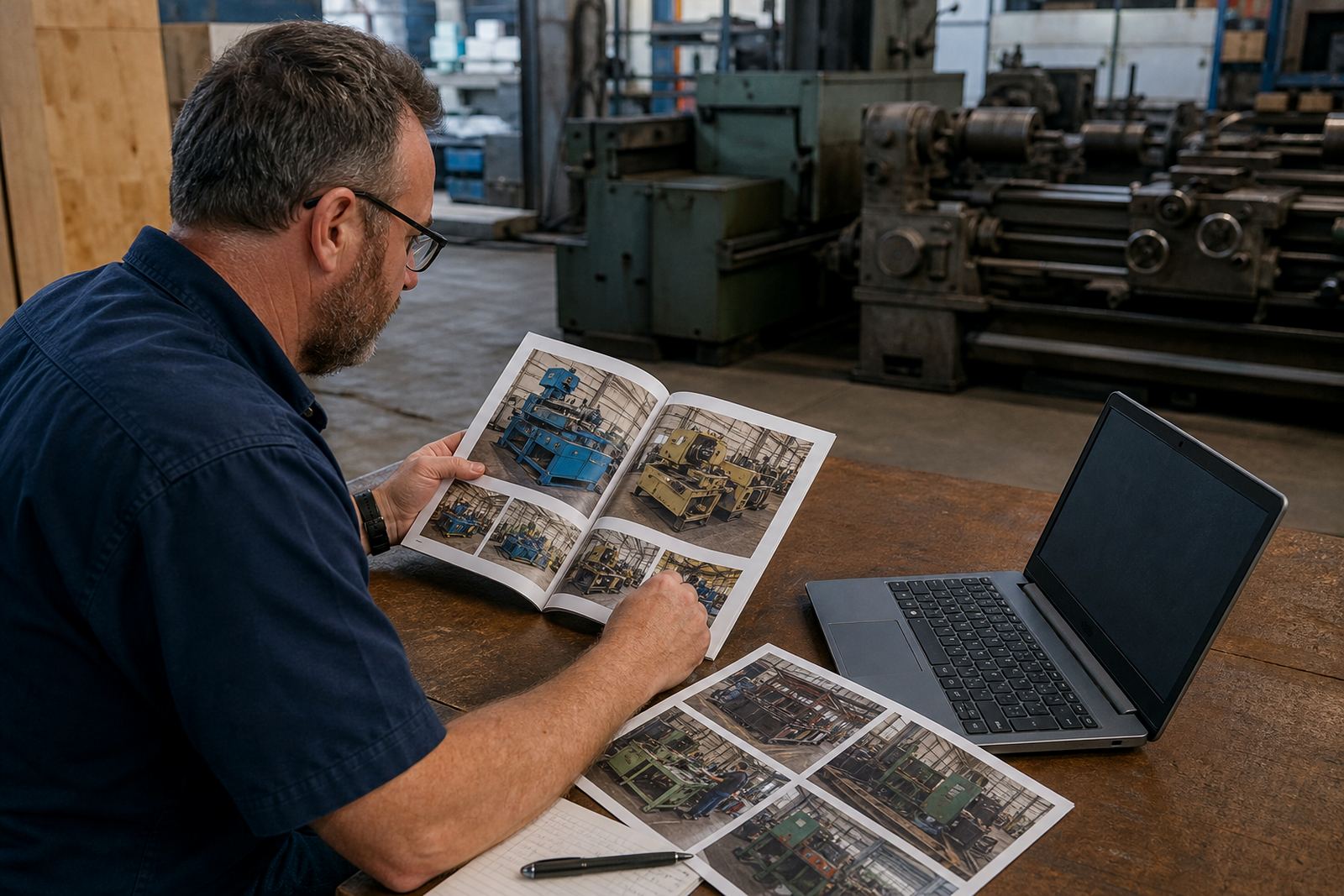
- Prepare photos, notes, and condition comments.
- Agree on reserve guidance where appropriate.
At this stage, clear communication matters. If a machine is missing parts, has electrical faults, or has been idle for years, that should be stated up front. Honest listing work protects both seller and buyer and keeps the process moving.
Viewing Days and Buyer Checks
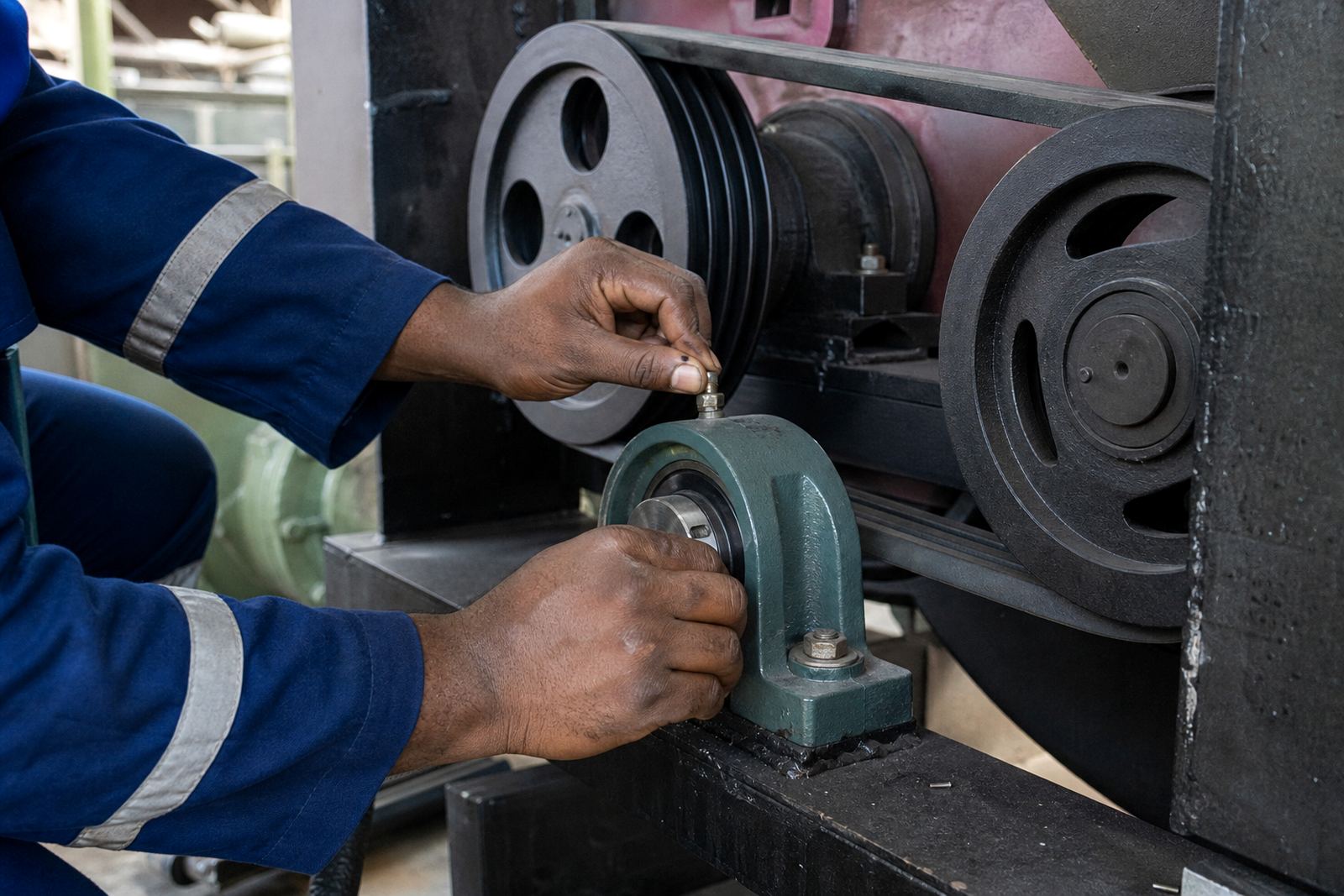
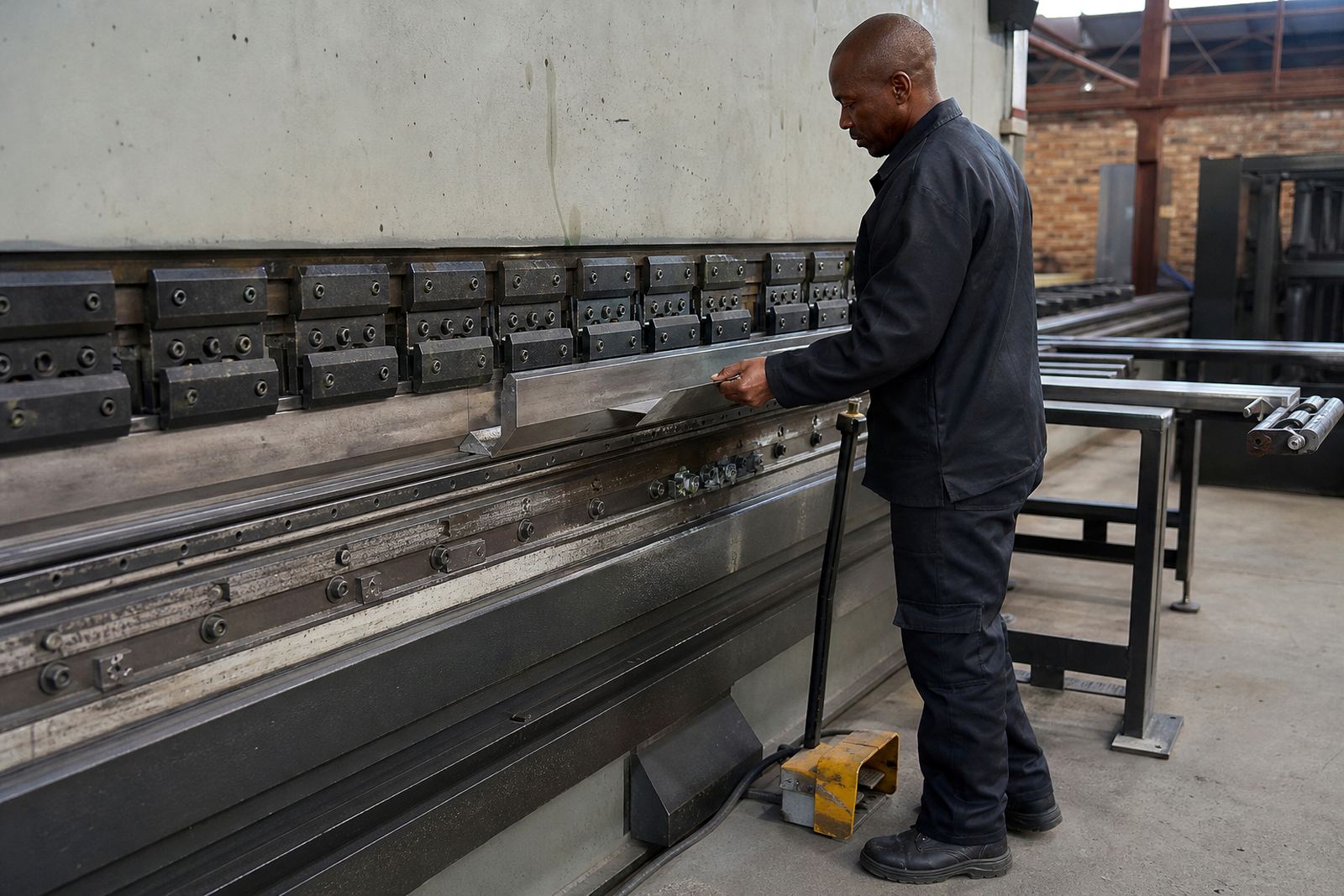
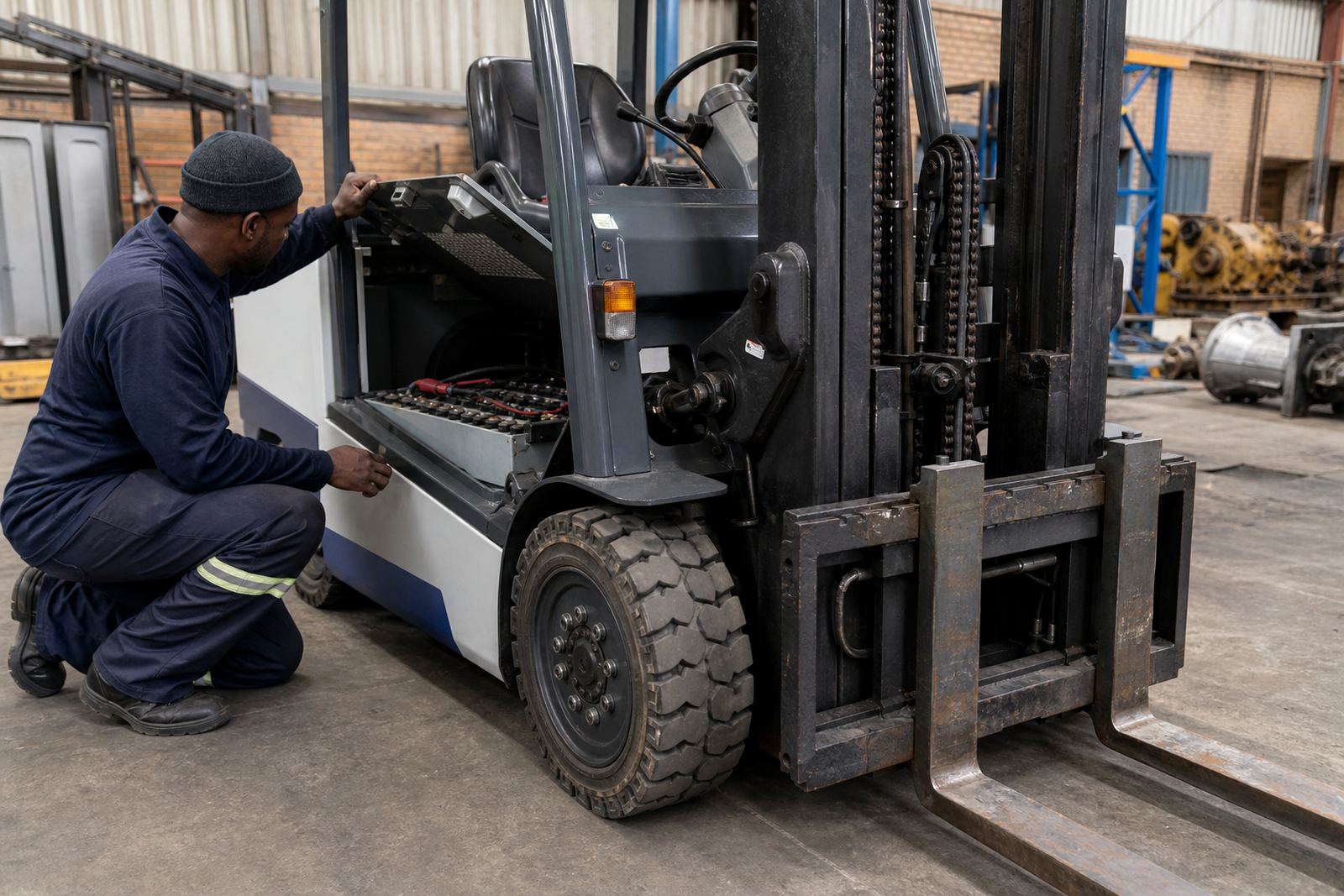
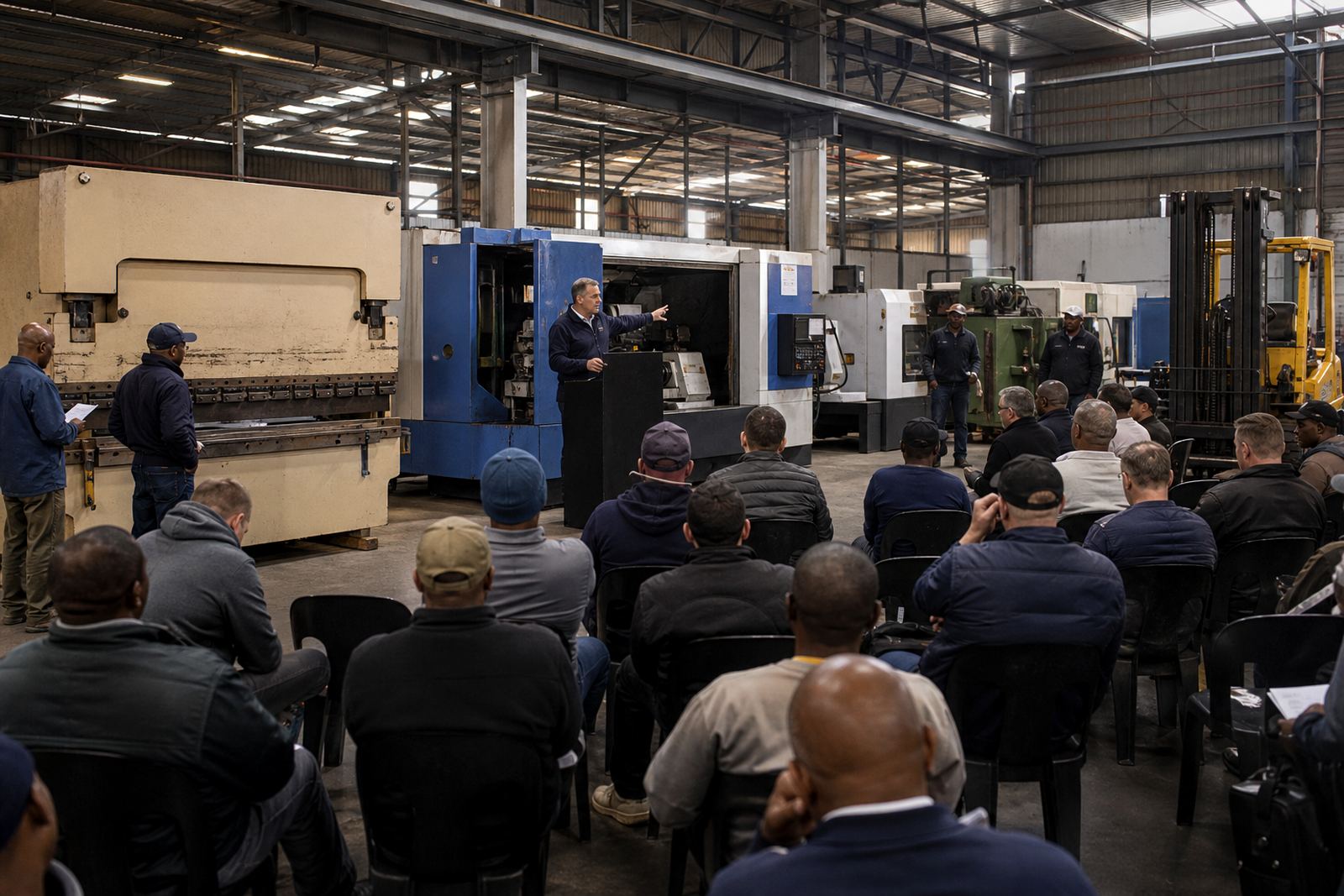
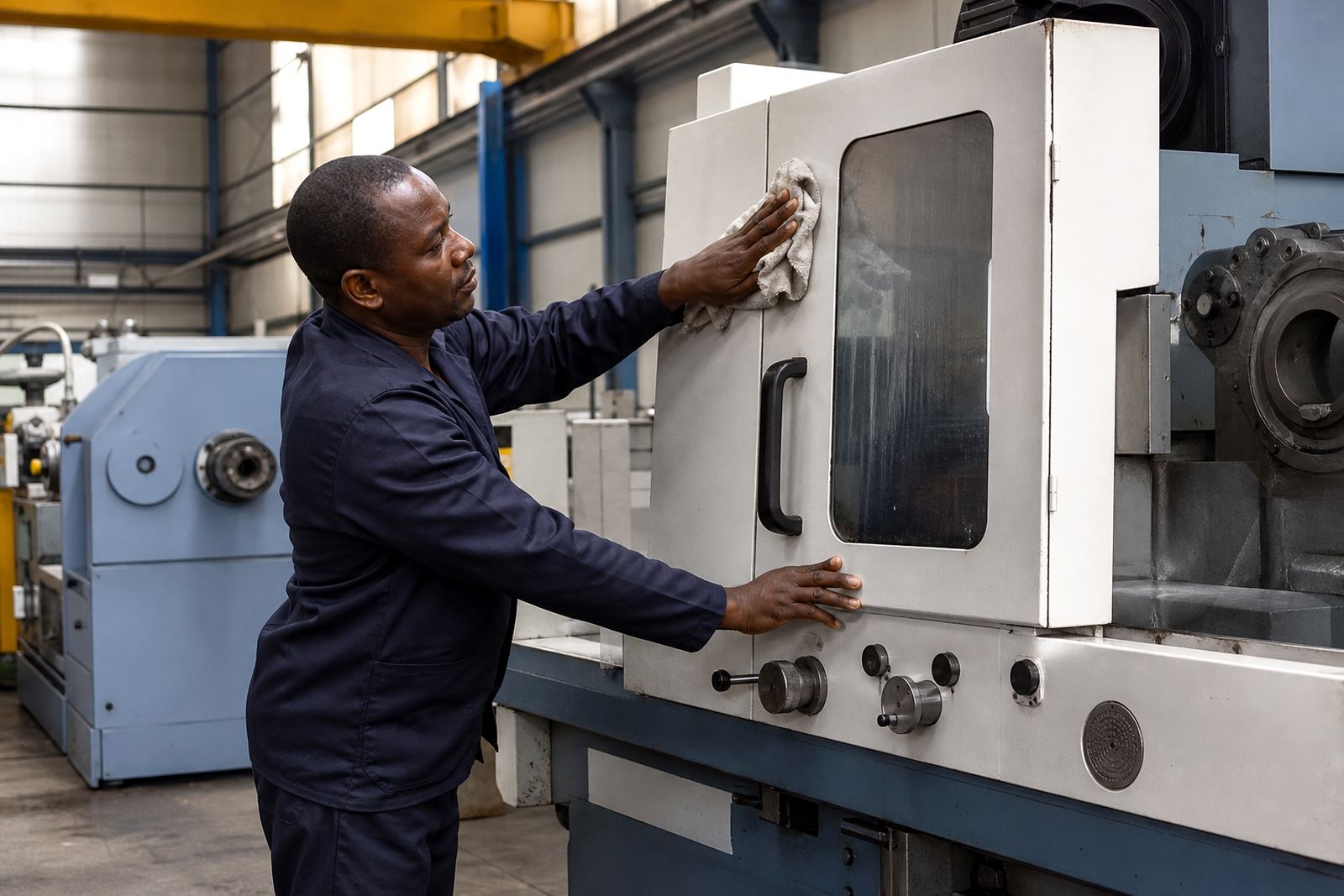
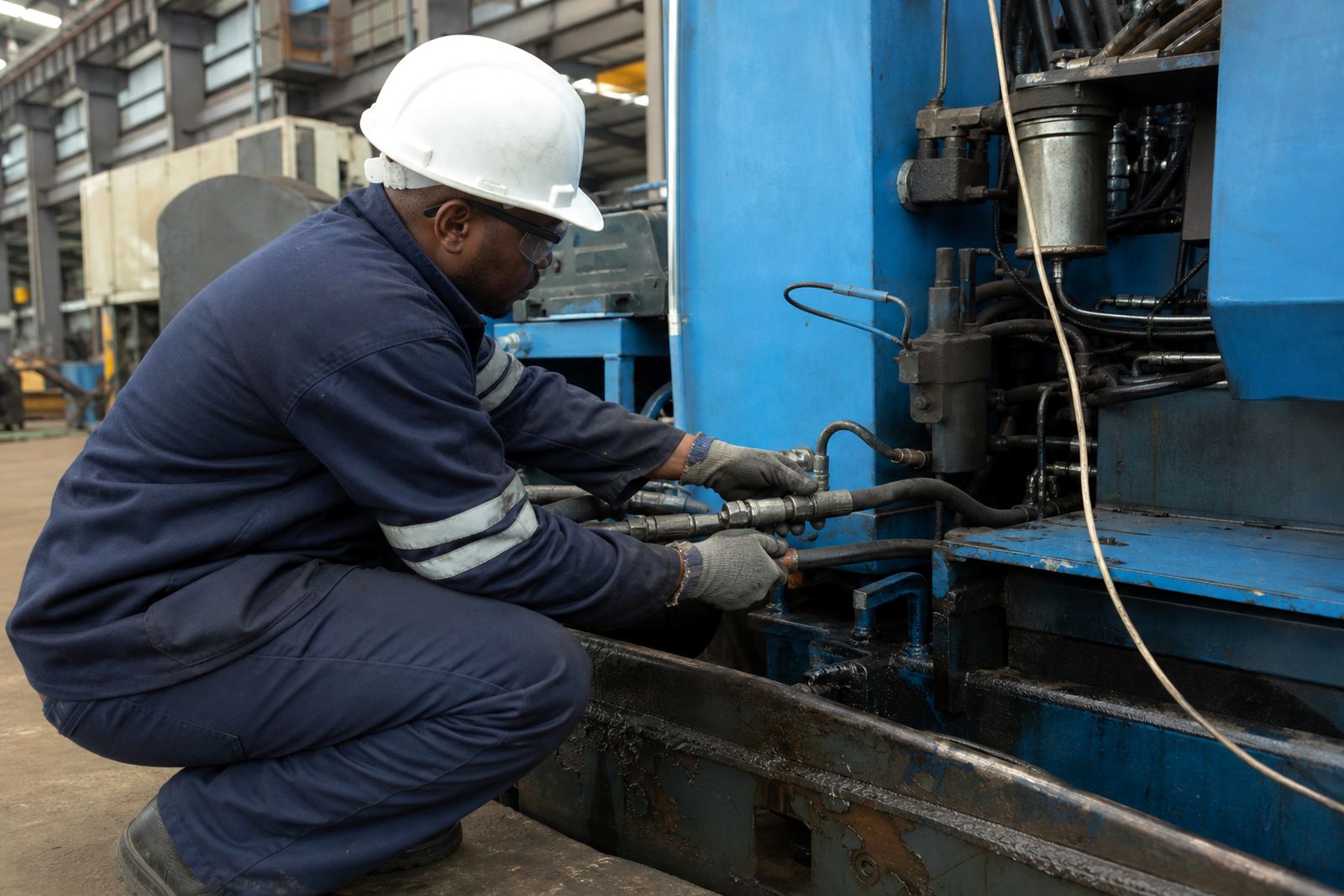
Viewing days let buyers inspect what they are bidding on before the sale closes. Buyers should check wear points, controls, guards, motors, hydraulic systems, bearings, tyres, frames and any missing items. For processing equipment, they may also look at cleaning condition, product contact surfaces, and whether the unit can be recommissioned without major work.
A well-run viewing day should allow enough time for questions. Buyers often bring their own technicians or fitters for a closer look, especially on heavier plant. In Durban or Cape Town, humidity and salt air can be a major factor, while inland buyers often focus more on dust, power interruptions and general wear.
Reserve Guidance, Seller Representation and Clear Outcomes
Reserve guidance is used when a seller wants a minimum figure in mind for a lot. It is not the same as a sale promise, and it should be set with care. If the reserve is too high the item may fail to move; if it is too low the seller may not be satisfied with the result. The right level depends on condition, demand, and the speed at which the asset must be cleared.
Seller representation means the process is handled on behalf of the owner with proper instructions and documentation. That can help when a business is closing a site, reducing plant, or replacing older equipment. Good closure support also includes collection coordination, clearance sales and follow up once the sale is done.
Why Detailed Records Help Across South Africa
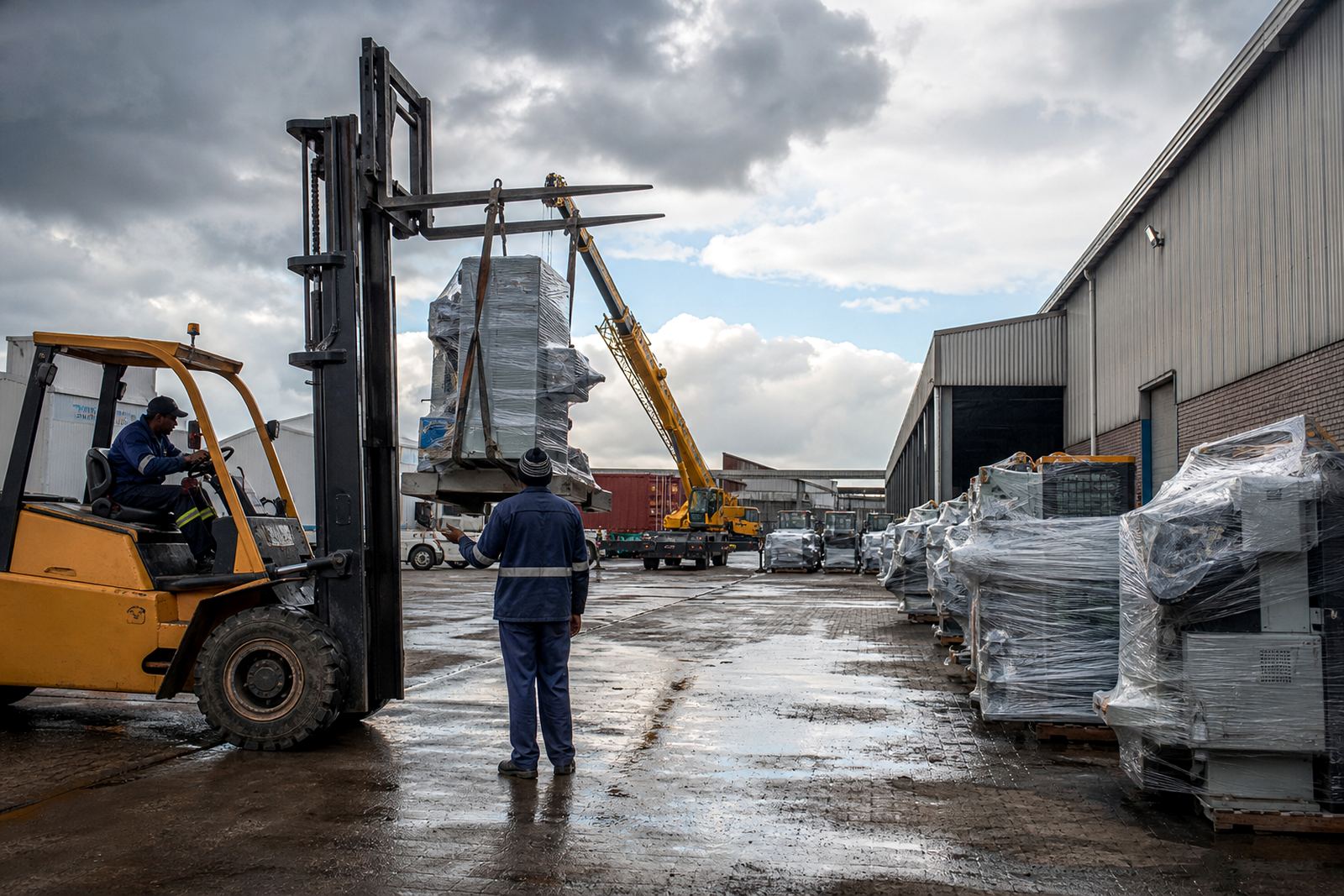
Industrial buyers in Johannesburg, Pretoria, Durban, Cape Town and Gqeberha often want the same basics: straight facts, accurate photos and a simple way to compare lots. Detailed records make that easier. They also help when equipment is moved between provinces, since transport, loading and site access all need to be planned properly.
Machine Africa works from Kempton Park and supports clients across South Africa with on-site valuations, plant appraisals, photo listing prep, inspections and auction coordination. The journal is here to explain the process in practical terms, so sellers and buyers can make better decisions without guesswork.