
Why One Campaign Needs More Than One Site Check
A multi-site sale sounds simple on paper, yet each location usually has its own access points, power supply, floor condition, maintenance history and asset mix. A lathe in Germiston may be clean and ready for viewing while a compressor in Durban has been sitting in coastal humidity for years, so the same sale process cannot be applied blindly to both.
For sellers, the first step is a proper on-site valuation at each location. A valuation is an informed opinion of value based on the machinery seen, its condition, age, completeness and market demand. It is not a guarantee of a sale price, and it can change once buyers inspect the plant or once removal conditions are understood.
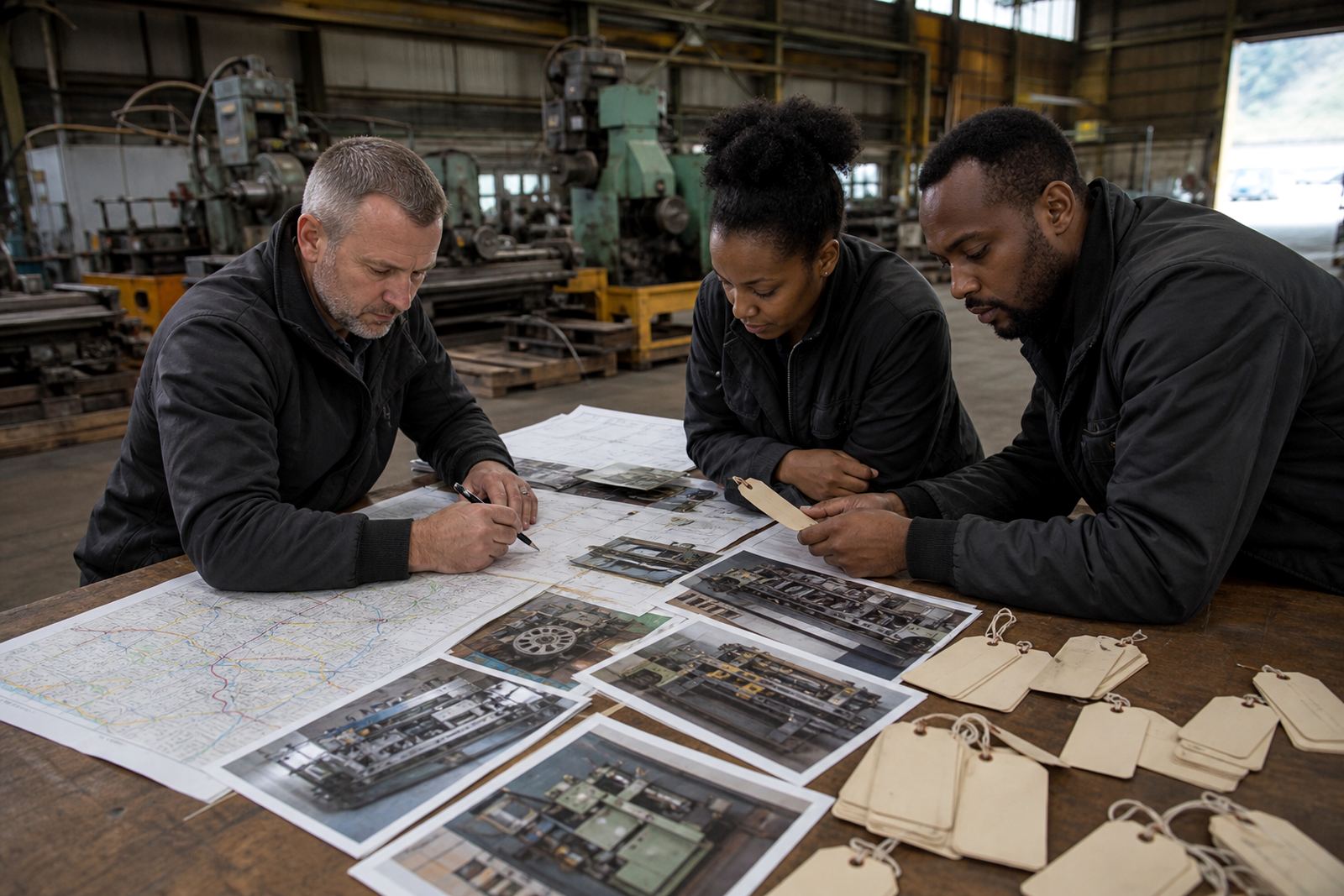
In a single campaign, the aim is to gather enough detail from every site to create one clear plan. That usually means site visits, equipment identification, notes on missing parts, serials where visible and a check on how easy it will be to load, lift and remove each item.
How Different Sites Affect Value and Buyer Interest
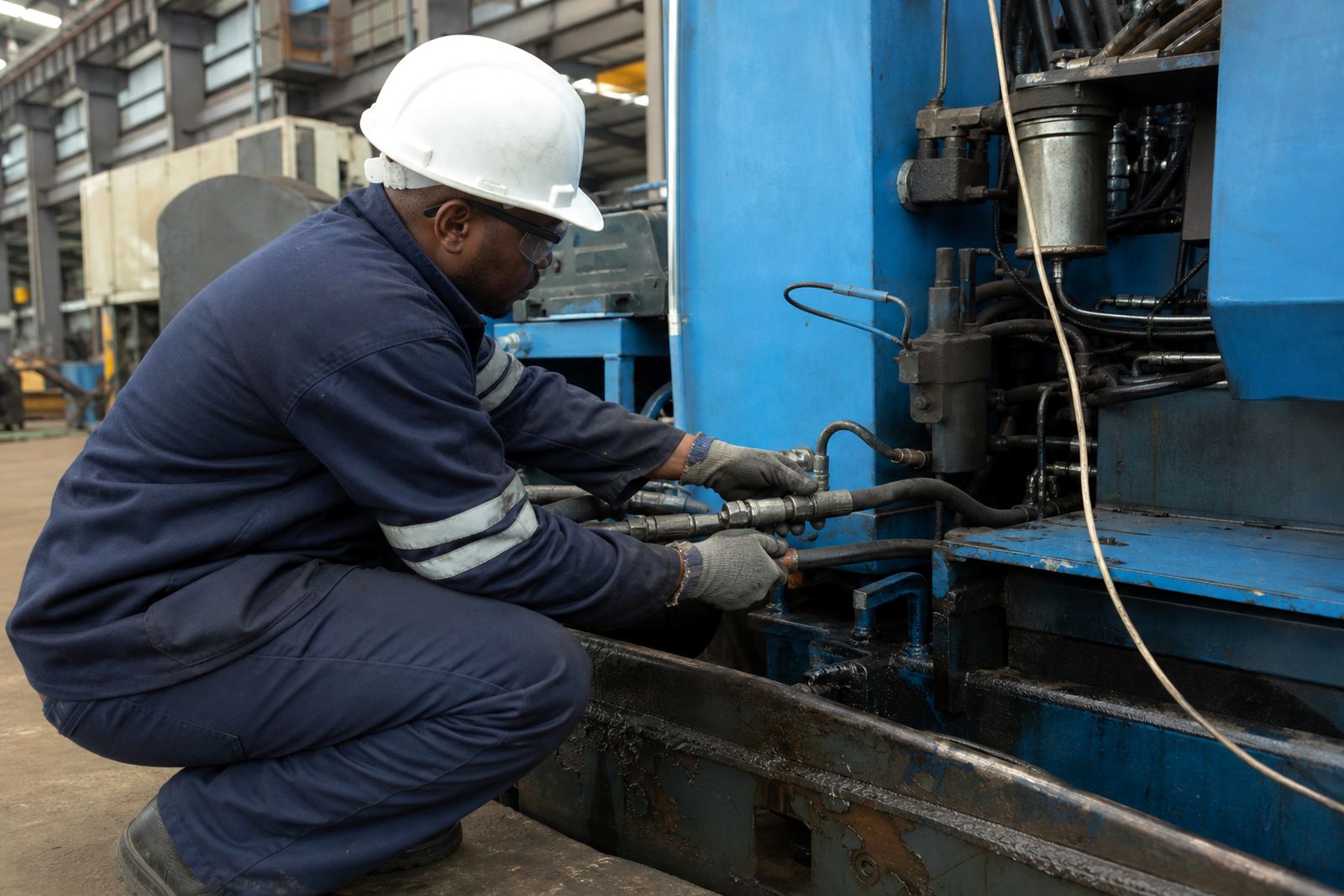
Two machines of the same type can attract very different responses if one is operational and the other has been standing idle through load-shedding interruptions, poor storage or delayed maintenance. Buyers look at more than the badge on the frame. They want to know whether the machine is complete, whether it can be tested, whether tooling is included and whether there are signs of corrosion, leaks or electrical damage.
Across South Africa, site conditions matter. A plant in Cape Town may have exposure to salt air, while a yard in Pretoria may have better dry storage but tighter municipal access for heavy transport. Those details affect how bidders judge the cost and risk of removal. Even a good machine can become less attractive if the buyer faces crane hire, road permits or a difficult collection window.
- Access for trucks, low loaders and forklifts
- Floor loading and whether there is level hardstand
- Overhead obstructions, gates and turning space
- Power availability for testing and photos
- Condition after storage, weather or shutdown periods
Lotting Machines From Several Locations Into One Sale
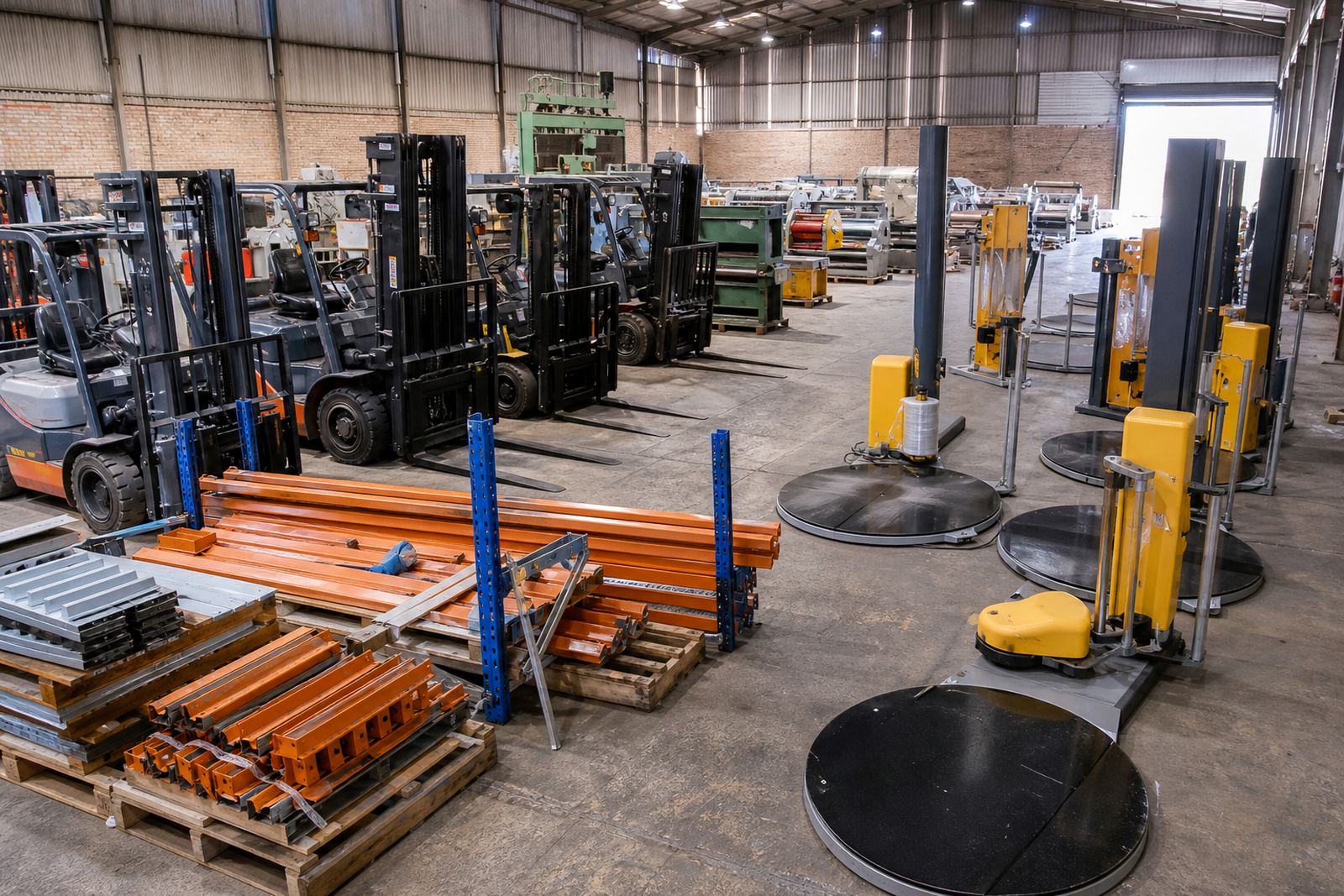
Once the assets are inspected, the next job is lotting. This means deciding how each item should be grouped and presented so bidders can understand what is for sale and where it sits. Some campaigns work best when each site is separated into its own section, while others benefit from a common catalogue with clear location tags for every lot.
Clear lotting reduces confusion and helps with buyer planning. If a fabrication workshop in Johannesburg and a packing line in Midrand are both included in one sale, buyers need to see which items are at which site, whether they are sold individually or in groups, and whether viewing days differ from one location to another. If that is not set out properly, the campaign can become messy very quickly.
- Group related items where practical, such as tools, spares or support equipment
- Keep large machines separate if removal will need specialist handling
- Mark each lot with the correct location and viewing arrangement
- Note whether items are subject to seller approval, reserve guidance or clearance terms
Keeping Viewing Days Practical Across Cities
Viewing is where many multi-site sales win or lose momentum. If one site is in Durban and another is in Kempton Park, it is not practical to ask serious buyers to travel back and forth without a plan. The better approach is to schedule clear viewing windows, provide location-specific instructions and ensure the equipment is easy to identify on arrival.
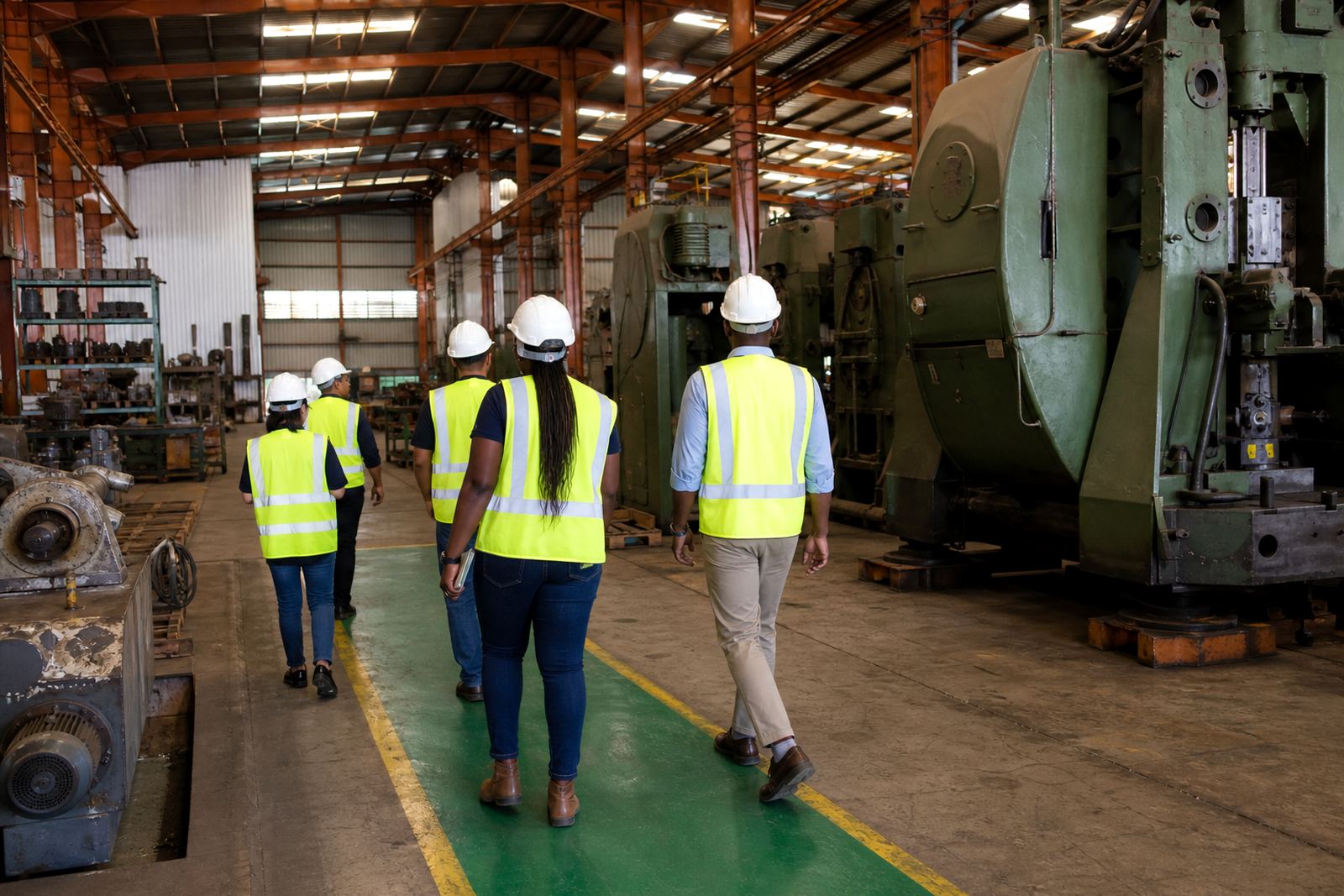
Good viewing days also protect the seller. Staff should know which machines may be started for demonstration, which may only be viewed static, and which require isolation before access. In industrial settings that still operate, safety matters. Buyers must be able to walk the site without getting in the way of production or maintenance work.
For sellers, this stage is also the chance to answer practical questions early. Is the asset still connected? Are manuals available? Has the machine been moved recently? Are there any site rules on PPE, visitor sign-in or photography? A small amount of preparation saves time later and helps reduce misunderstandings.
Removal, Clearances and the Real Cost of Distance
Multiple site sales often become complicated at the removal stage. A buyer may be happy with the hammer price, but then discover that collection from three different towns means more labour, more transport and more coordination. That is why reserve guidance and seller representation need to take removal realities into account before the auction date, not after.
In practice, removal planning should cover who is responsible for lifting, who arranges transport, what site access hours apply, and whether there are municipal or landlord rules that affect collection. A busy industrial area in Johannesburg may have narrow loading times, while a site in Gqeberha may need extra care for weather exposure and sea air if machines are staged outside. Distance is not just a map issue, it is a cost and timing issue too.
- Confirm collection dates and access rules with each site
- Check whether cranes, riggers or lifting gear are needed
- Allow for cable disconnection, drain-down and isolation work
- Coordinate clearance sales so sites can be handed back cleanly
A Local Example From Kempton Park to Durban
Consider a manufacturer with surplus equipment in Kempton Park, a storage yard in Germiston and a small overflow facility in Durban. If all three sites are included in one auction campaign, the main job is to keep the listing accurate and the logistics realistic. The Kempton Park plant may offer the main high-value items, the Germiston site may hold support machinery and the Durban location may have a few items that need extra inspection because of humidity and salt exposure.
A sensible campaign would start with on-site valuations at each point, followed by inspections, photos and catalogue notes that show where each lot sits. Buyers then know that they are bidding on a mixed-location sale, not one neat warehouse. That honesty helps attract the right buyers, especially those already operating in Gauteng or KwaZulu-Natal who can collect efficiently.
For the seller, the benefit is that all the surplus equipment is handled in one structured process instead of several scattered disposals. That can save time, but only if the campaign is planned properly from the start.
What Sellers Should Prepare Before Listing Multiple Sites
A strong multi-site sale depends on preparation. The more complete the information, the better the auction team can plan the valuation, catalogue and viewing structure. Sellers do not need to package every detail perfectly, but they should make sure the essentials are available before the first inspection.
- A list of machinery by site, even if it is rough at first
- Any service records, manuals or maintenance notes that are on hand
- Information on whether the machines are connected and testable
- Known faults, missing parts or items stored off-site
- Site contact details and any access rules for inspections or removal
With that in place, the campaign can move faster and buyers can make better decisions. That is especially useful when the sale includes different types of plant across Johannesburg, Pretoria, Durban, Cape Town or Gqeberha, where local conditions and buyer demand can vary quite a bit.