1. Start with an on-site inspection and opinion of value
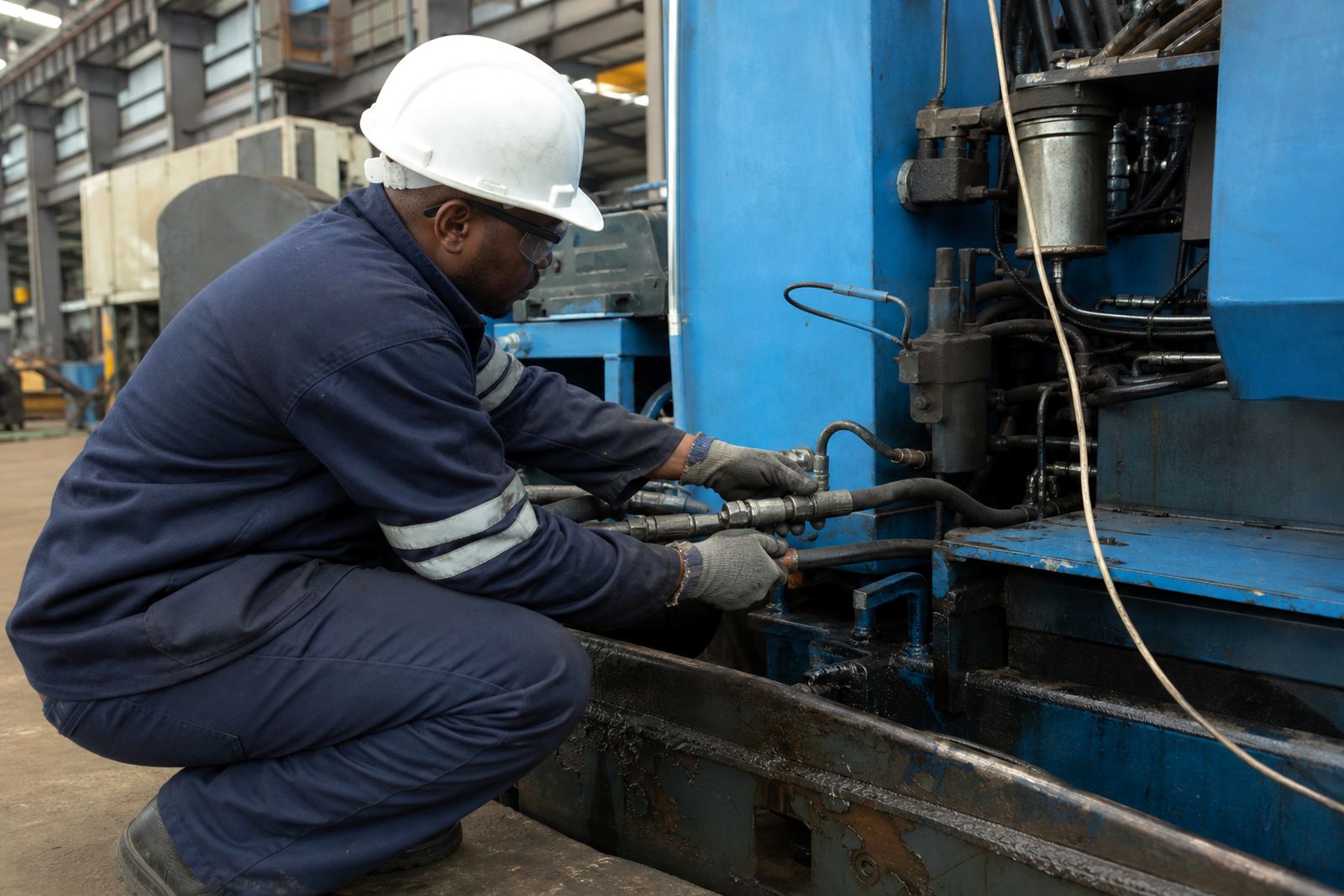
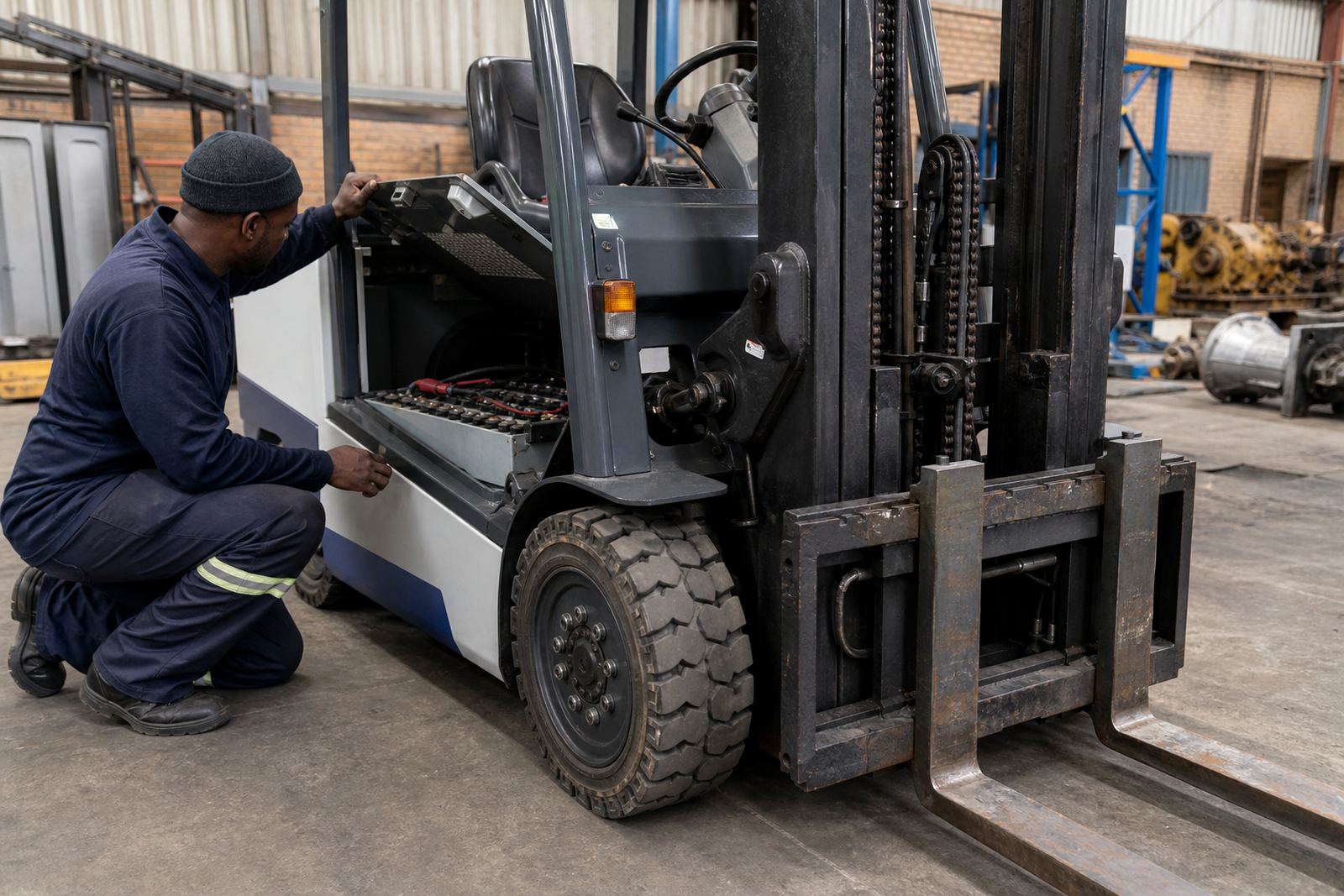
The process usually begins with a site visit. A valuer checks the condition, age, make-up and working status of each machine, then notes the power supply, control systems, guarding, tooling and any visible wear. In a plant setting, that can include how a press, lathe, compressor or forklift has been used, whether it starts cleanly after load-shedding, and if there are signs of poor storage, rust or missing parts.
The value given at this stage is an opinion of value, not a promise of what the machine will sell for on auction day. That distinction matters because market interest, timing, equipment condition and transport needs all affect the final result. For sellers in Kempton Park, Johannesburg or Germiston, a proper inspection also helps identify what can be sold as a working lot and what is better listed as spares or scrap.
- Clear access to the machine helps the inspection move faster
- Service records, manuals and serial plates are useful where available
- Any known faults should be pointed out upfront
2. Plan the auction and set the selling strategy
Once the inspection is complete, the auction plan is shaped around the type of machinery, the likely buyer market and the site conditions. A workshop in Midrand may suit a focused clearance sale, while a manufacturing plant in Pretoria might need a wider mixed-lot auction with viewing days and collection controls. The aim is to place each asset where it can attract realistic interest from buyers across South Africa.
This stage also covers reserve guidance where needed. A reserve is a minimum level agreed for a lot, but it should be set carefully and with realistic market expectations. It is there to guide the sale, not to force a result. Sellers often want certainty, yet auction outcomes still depend on competition, timing and the quality of the lotting. Good planning helps avoid confusion later on.
- Confirm which items are included in the sale
- Decide whether machines will be sold individually or in grouped lots
- Agree the timeline for listing, viewing and closure
3. Lotting, cataloguing and photo listing prep
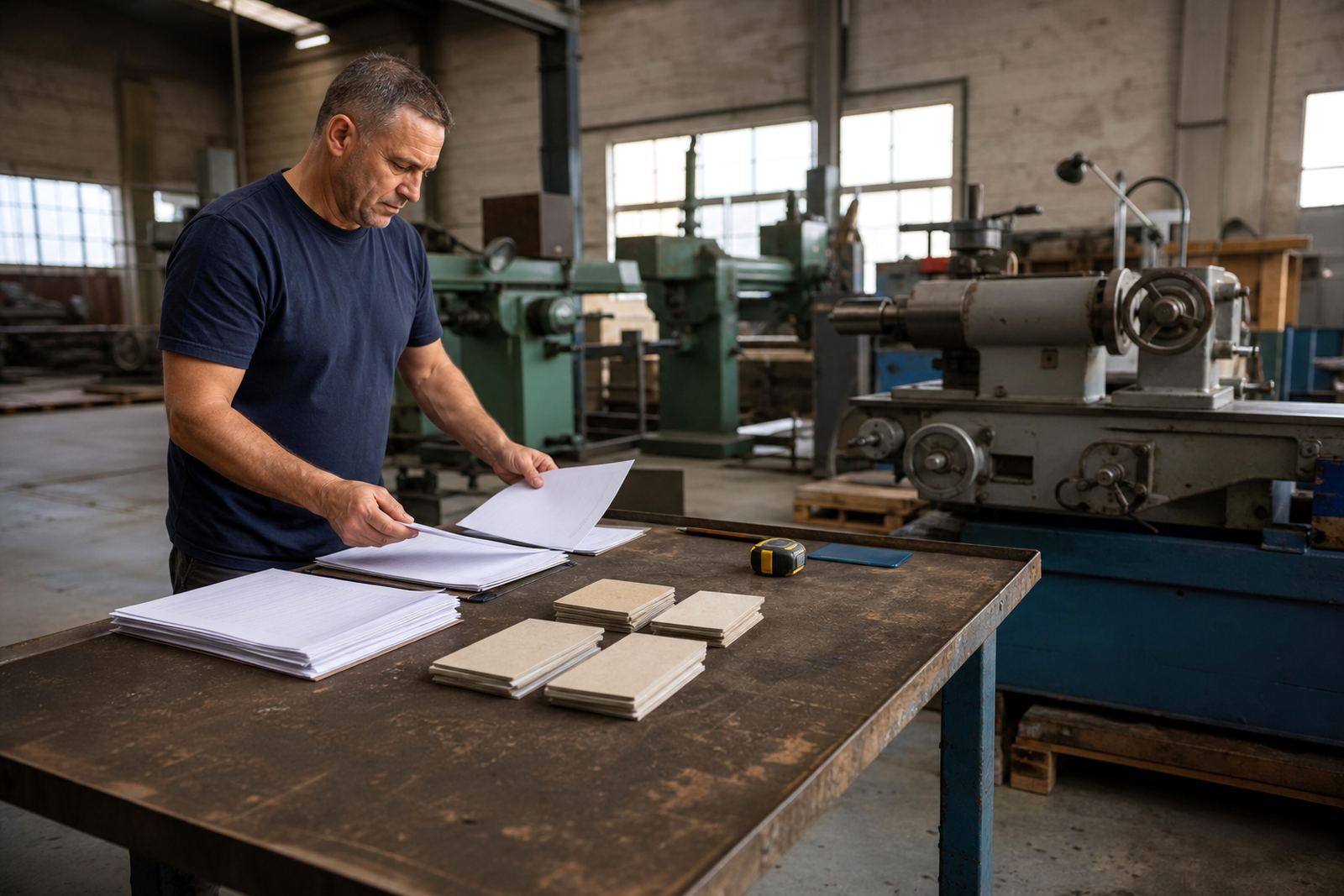
After the plan is approved, each asset is grouped and described for the catalogue. Lotting means deciding how machines will be presented to buyers, whether as single items, matched sets or grouped workshop assets. This matters because a well-built lot description can save time during the sale and reduce back-and-forth questions from bidders.
Accurate catalogue work is not just about naming the machine. It should include the model type, dimensions where relevant, estimated weight if known, condition notes, accessories, and whether the machine is operational or sold as seen. Photo listing prep is just as important. Clean photos taken in decent light help buyers understand what they are looking at, especially when they cannot travel in person from Durban or Cape Town before the sale.
- Remove loose clutter from around the machine where possible
- Photograph nameplates, controls and all major angles
- Note missing parts, damaged panels or safety concerns clearly
4. Viewing days let buyers inspect before bidding
Viewing days give prospective buyers a chance to inspect the machinery before the auction closes. In industrial sales, this step is often where buyers make their final decision. A machine that looks promising in photos may still need closer checking for play in bearings, cabinet damage, hydraulic leaks or electrical issues. For buyers in Gqeberha or Cape Town, a viewing day can save a costly trip later if the item is not suitable.
Good viewing control is important. The site should be safe, access should be managed, and visitors should know what they may or may not touch. If the site is still active, there may be municipal or landlord rules to follow, especially around loading bays, parking and after-hours access. Sellers should also make sure the machines are not moved or tested without permission.
- Allow enough time for buyers to walk the site properly
- Keep a record of interested parties and questions asked
- Use signage so visitors know which areas are open for viewing
5. Auction day and sale close
On auction day, the lots close according to the schedule set at the start. Bidding may happen online, by floor bidding or through a managed process that suits the sale. The main thing is consistency. Buyers need to know how the closing works, and sellers need a clear view of what has sold, what has not, and which lots may need a second approach.
When bidding ends, the winning bidder is identified and the sale is recorded. At this point the auction result is final for that lot, subject to the terms of sale. It is useful to remember that an auction is a market driven process, so final prices can move above or below expectations depending on demand on the day. That is normal, especially for used industrial machinery where condition and buyer need differ from one site to the next.
- Keep the sale terms clear before closing starts
- Record sold, unsold and conditional lots separately
- Confirm buyer instructions as soon as the lot closes
6. Payment, collection and closure support
After the auction closes, payment and collection move into the next phase. Buyers must usually complete payment before any machinery is released, and sellers should not allow removal without clear authorisation. This protects both sides and helps avoid disputes over missing parts, damage or incorrect loading. In practical terms, collection planning matters just as much as the sale itself.
For machinery in Kempton Park or Johannesburg, collections may need to be scheduled around yard traffic, crane access or forklift availability. On coastal sites such as Durban, it can also help to move quickly after sale so equipment is not left exposed to humidity and salt air for longer than needed. Closure support may include handover notes, removal coordination and confirmation that the site has been cleared properly. The last step should leave the premises safe and ready for the next use.
- Check that the buyer knows the collection window
- Confirm whether lifting gear or transport is the buyer’s responsibility
- Make sure all lots are removed before final site sign-off
7. A simple local example from inspection to collection
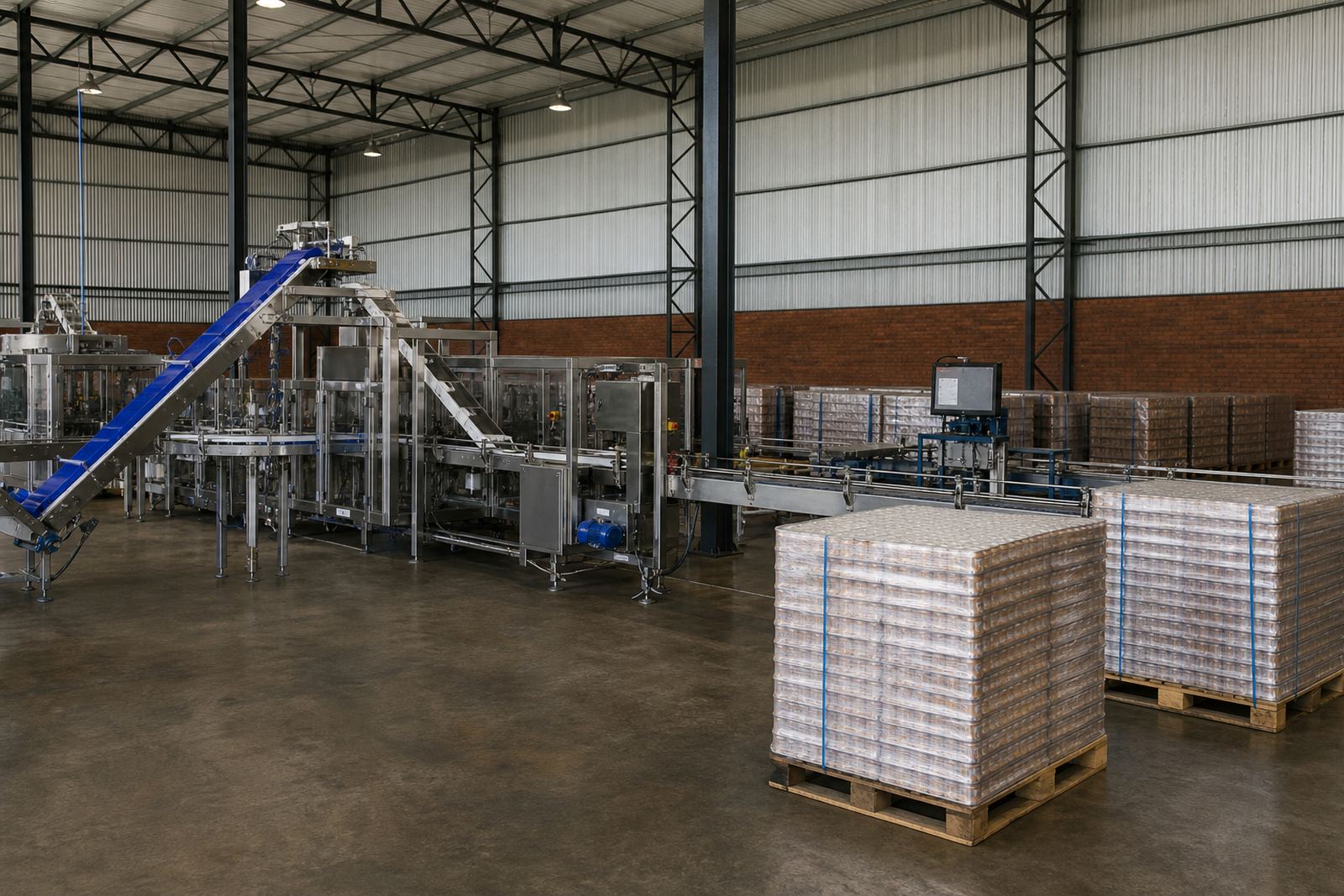
Take a Kempton Park plant with a mix of workshop machines, storage cabinets and a few mobile units. The process might start with an on-site valuation on Monday, followed by lotting and catalogue work by midweek. Viewing days could be arranged later that week, with the auction closing the following week and collection slots booked after payment clears. That sort of timeline gives buyers time to inspect while still keeping the sale moving.
The point is not to rush every stage, but to keep each one structured. When sellers know what to expect, machines are presented properly and buyers can see what they are bidding on, the whole process is easier to manage. It also reduces friction when there are multiple sites involved, such as a main base in Kempton Park and overflow items in Midrand or Pretoria.
For sellers, a well-run timeline is often the difference between a messy clearance and a controlled sale with fewer surprises.