

Why viewing day matters before a machinery auction
Viewing day is the practical part of the auction process. It gives buyers a chance to inspect used industrial machinery in person, and it gives sellers a final opportunity to make sure each item is presented clearly and correctly. A valuation is an opinion of value based on condition, age, usage, market demand and timing, not a promise of sale price, so the viewing day helps everyone understand what is actually on offer.
In Kempton Park and across Gauteng, many machines arrive from busy workshops, fabrication yards, packaging plants and transport depots. On-site viewing matters because two machines with the same make and size can be in very different condition. One may have been cleaned and serviced, while the other has missing guards, worn wiring or signs of corrosion from storage. The more closely a buyer looks, the fewer surprises later on.
For sellers, a proper viewing day can reduce confusion, support better bidding and make the process fairer. For buyers, it is the chance to compare lots side by side before the hammer falls.
What buyers should check when walking the floor
Buyers should arrive with a clear list of the machines they want to inspect and enough time to move through the yard or workshop slowly. It helps to bring a notebook or a phone for notes, and where possible a technician who understands the equipment type. A viewing day is not the time to rush.
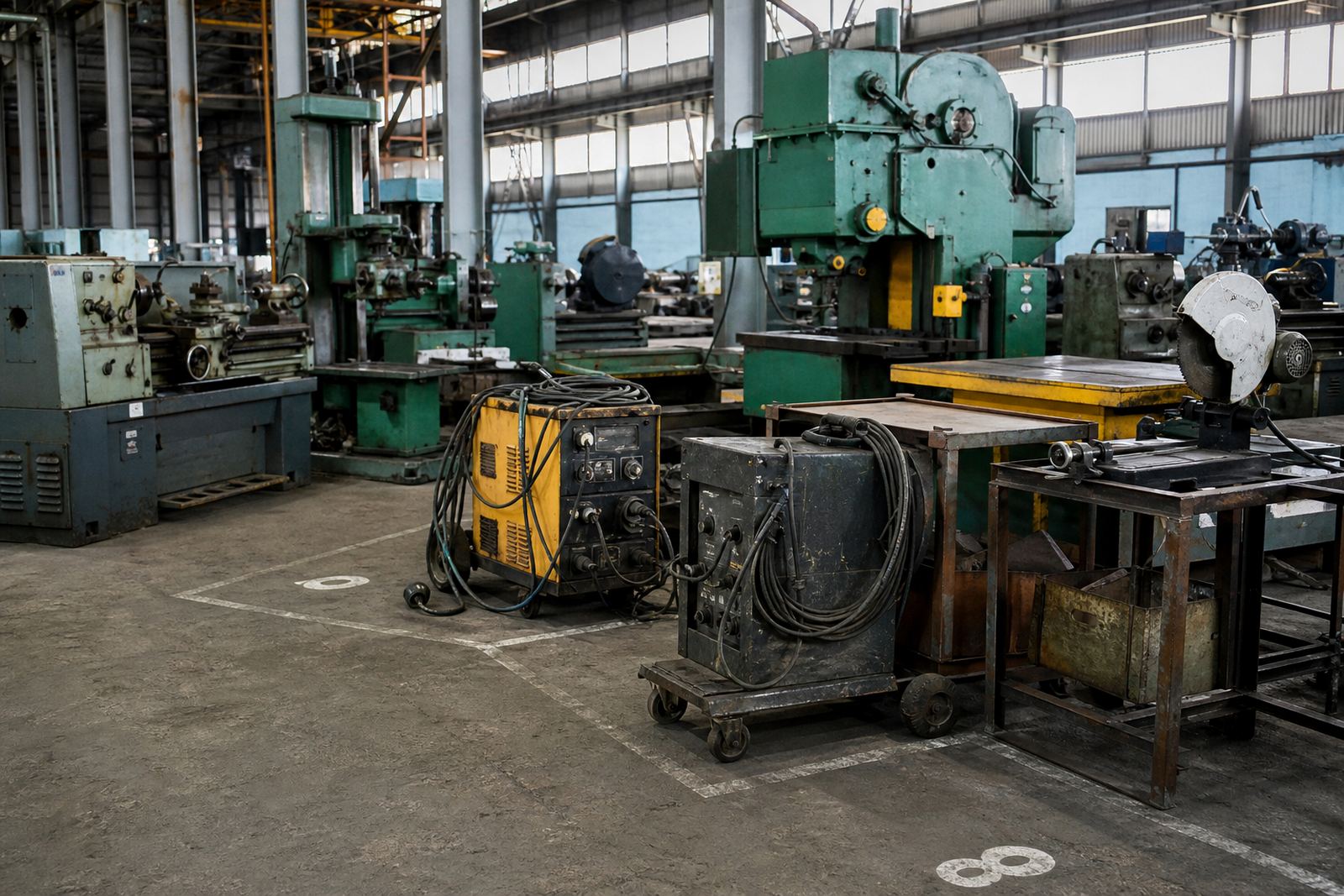
Check the basics first: condition, completeness, visible wear, safety guards, cabling, hoses, control panels and any attachments that are included. If a machine is powered, listen for unusual noise and watch how it starts up. If it is not connected, inspect the frame, bearings, switches, hydraulics and signs of rust or impact damage. On coastal stock from Durban or Gqeberha, humidity can leave its mark much faster than in inland storage, so surface condition deserves extra attention.
- Confirm the lot number against the catalogue entry.
- Look for missing parts, repairs or alterations.
- Ask whether the machine was tested, and under what conditions.
- Check access points for loading, lifting and transport.
- Note any electrical or gas supply requirements before collection.
Do not assume every machine is ready for immediate use. Viewing day is about inspection, not a guarantee of operating condition.
How sellers can prepare a clean and fair viewing
Sellers do best when the site is organised before viewers arrive. That means clearing access paths, grouping lots sensibly and making sure each item is clearly labelled. If a machine is part of a bigger line or still has connected tooling, the layout should show what is included and what is not. Clear lotting saves time and avoids arguments later.
Photos, tags and catalogue notes should match what is on the ground. If a machine has a fault, say so. If it was last used after load-shedding issues or had intermittent power, that should be noted as part of the inspection record. Buyers often appreciate honest disclosure more than a polished presentation that hides the facts. In our experience, a straightforward viewing creates a calmer auction room and better decisions for both sides.
- Make sure aisles are wide enough for safe movement.
- Remove loose scrap, spares and unrelated items from around the lot.
- Provide basic operating information where available.
- Keep guards, keys and control boxes together if they belong to the machine.
- Have staff available to answer practical questions about access and removal.
What happens during the inspection walk-through
Most viewing days follow a simple rhythm. Visitors register, collect the catalogue or lot list, then move through the premises in a planned route. The auction team will usually be on hand to answer questions, point out lot locations and explain any site rules. In a Kempton Park yard that may mean guided access around forklifts, pallet racks and heavy items, especially where the working area is still active.
Buyers should expect limited operation of equipment unless this has been arranged for inspection purposes. That is normal. The aim is to confirm what is being sold, not to run a full production test on every machine. Some items will be static, some may be powered briefly and some may be stored in crates or under cover.
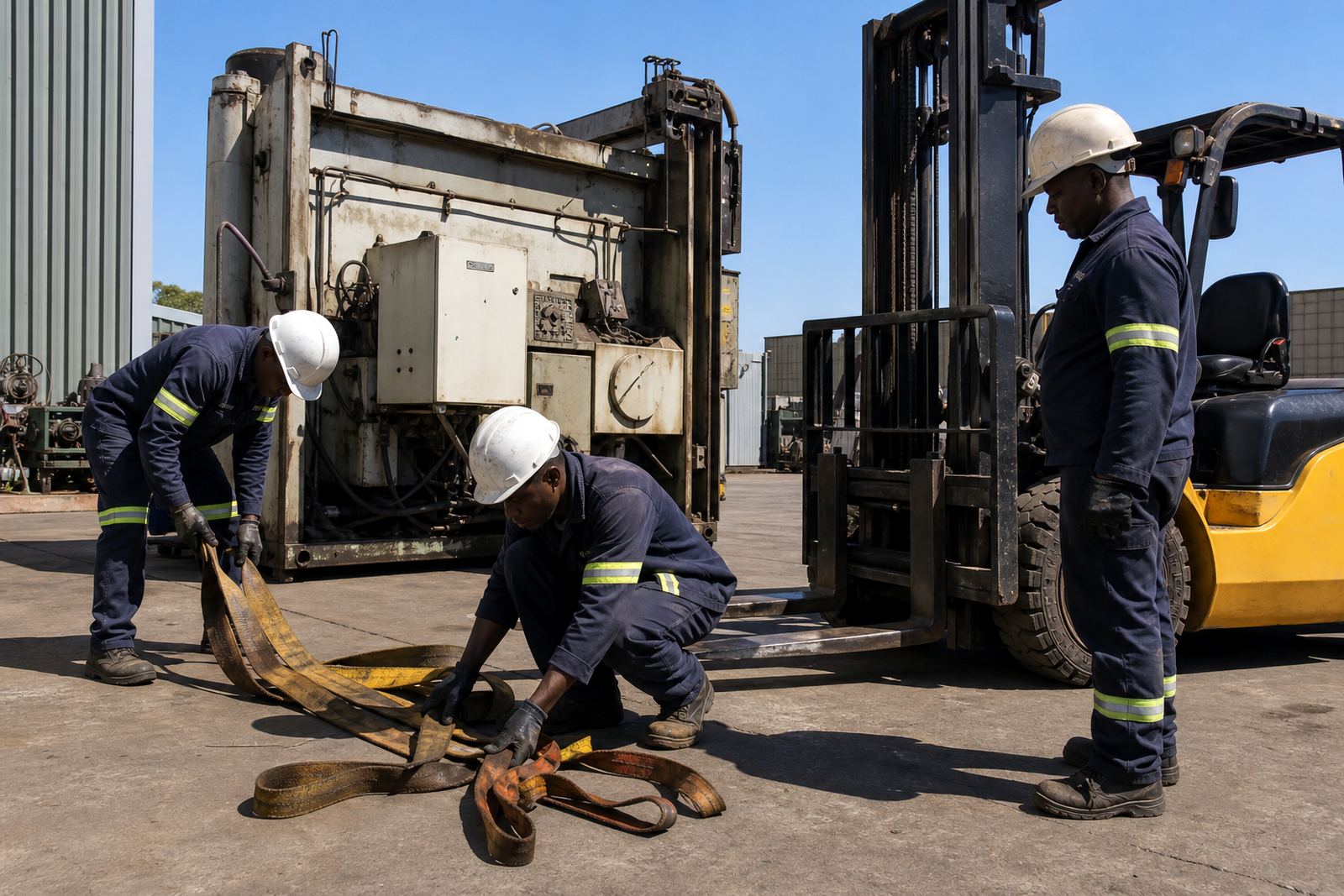
Good viewing days also cover practical matters like how access will work on collection day, whether cranes or rigging are needed, and if municipal rules or site permissions affect removal. In Gauteng, as in other provinces, these details matter when heavy machinery has to move through tight entrances or shared industrial parks.
Questions buyers should ask before the auction closes
A good viewing day gives buyers enough information to place informed bids. The most useful questions are simple and specific. Ask about condition, completeness, known faults, power supply needs, transport limits and whether the lot has any parts that are separated from the main unit. If there is a plant appraisal or asset inspection report available, read it carefully and ask where it leaves room for uncertainty.
It is also worth asking about the sale format. Some auctions include reserve guidance, while others do not. Buyers should understand that a reserve is a seller instruction below which the item may not sell, and that final sale depends on the auction terms and bidding activity. There is no point assuming a lot will definitely go for a certain figure, because market interest can shift fast on the day.
- Is the machine complete and in the same condition as listed?
- Has it been tested, and if so when?
- Are manuals, tooling or accessories included?
- What access is needed for removal?
- Are there any site safety or timing restrictions for collection?
Good questions save time later and help both sides avoid unnecessary disputes.
A local example from Kempton Park
Picture a viewing day at a Kempton Park industrial site where a mix of workshop equipment, pumps and processing machinery is lined up for auction. One buyer comes in from Pretoria looking for a compact machine for a smaller production space, while another arrives from Durban needing parts and a backup unit for a coastal operation. They both see the same lot, but they are not looking for the same thing.
The first buyer checks size, power draw and floor space because the machine must fit a tighter workshop. The second looks more closely at corrosion, wear on exposed metal and whether the item will need extra protection against humidity once it is moved. Both buyers may decide differently after the walk-through, and that is exactly why viewing day matters. It lets real requirements guide the bidding, not guesswork.
For sellers in Germiston or Midrand, that same principle applies. A tidy, well-labelled site with honest notes and clear access helps serious buyers focus on value. A rushed or unclear viewing can leave people uncertain, and uncertainty usually shows in the final bidding.
How Machine Africa keeps viewing days orderly
At our Kempton Park base, viewing day planning starts well before people arrive. The team coordinates lotting, catalogue preparation, site access, photo listing prep and collection guidance so that the day runs in a sensible order. Naledi Khumalo handles auction flow, Pieter van der Merwe checks valuation points, Ayesha Ismail keeps seller and buyer communication practical, and the operations team makes sure the site layout supports safe movement.
For sellers and buyers across Johannesburg, Pretoria, Durban, Cape Town and Gqeberha, the goal is the same: clear information, fair inspection and a controlled process. Viewing day is not just a walk around machinery, it is where the sale becomes real. If the site is organised and the information is accurate, everybody has a better chance of making the right choice.
When used industrial machinery is being sold, the best decisions usually come from seeing it for yourself, asking direct questions and understanding that the final price will be set by the market on the day, not by expectation alone.