

Start With the Right Buying Goal
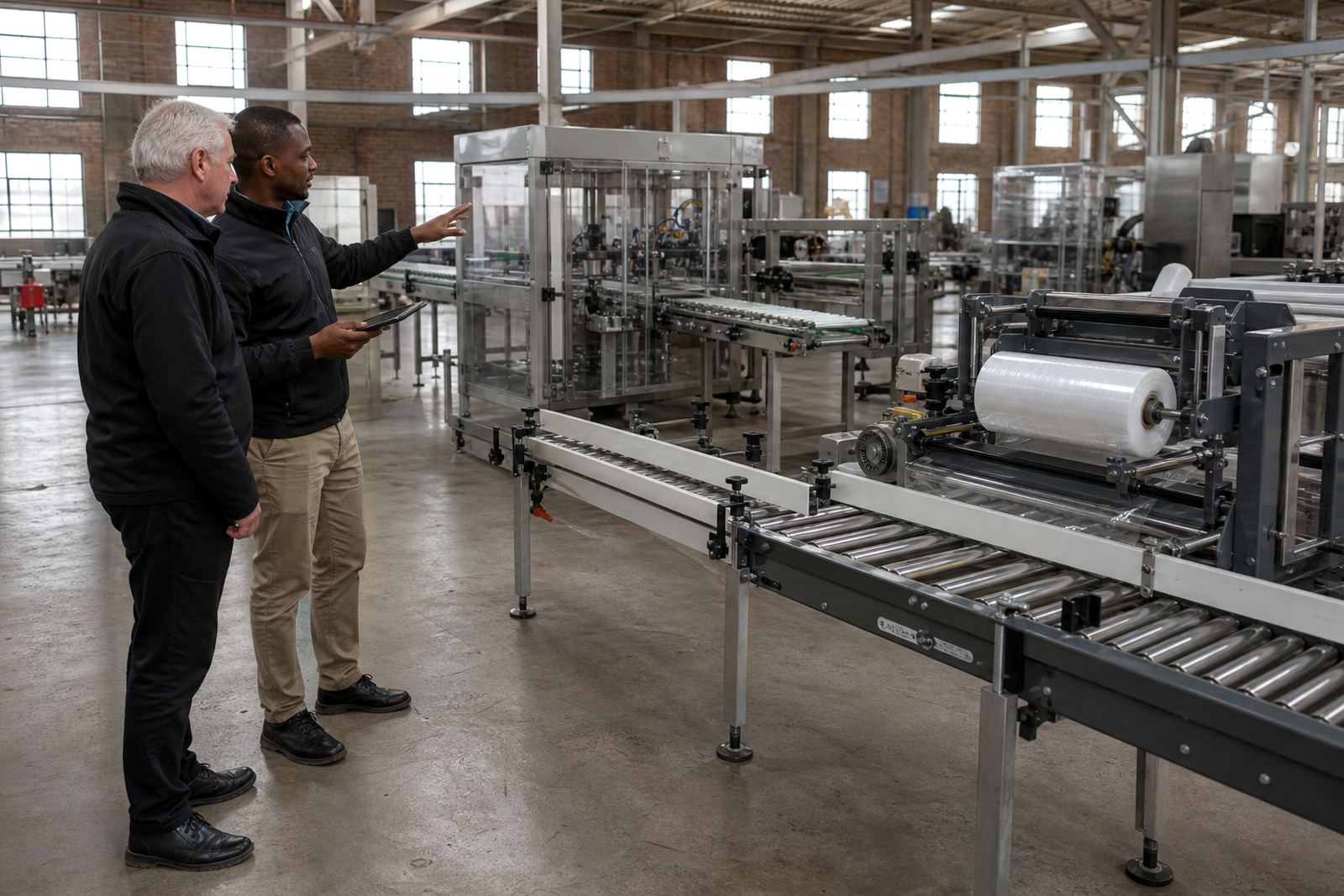
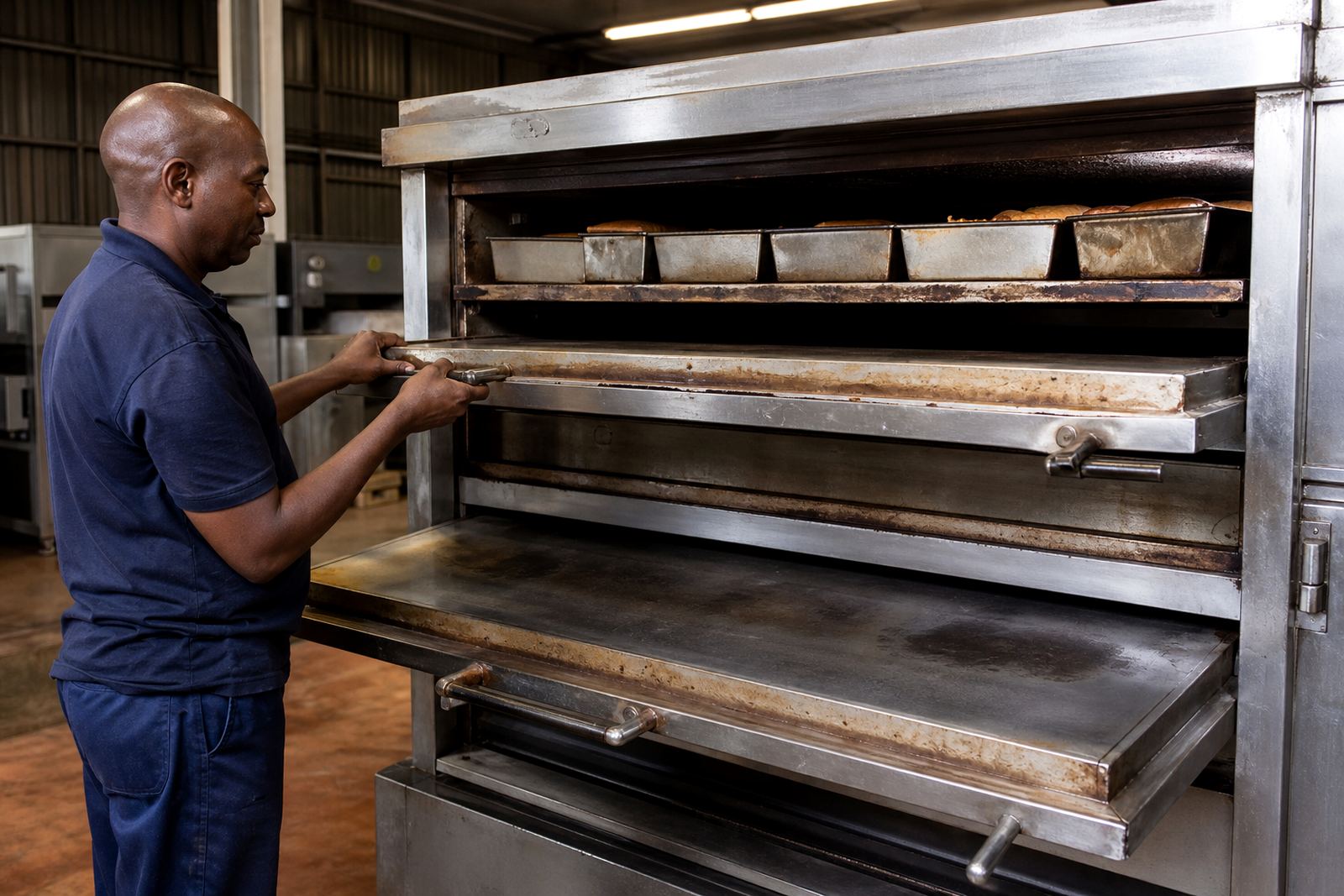
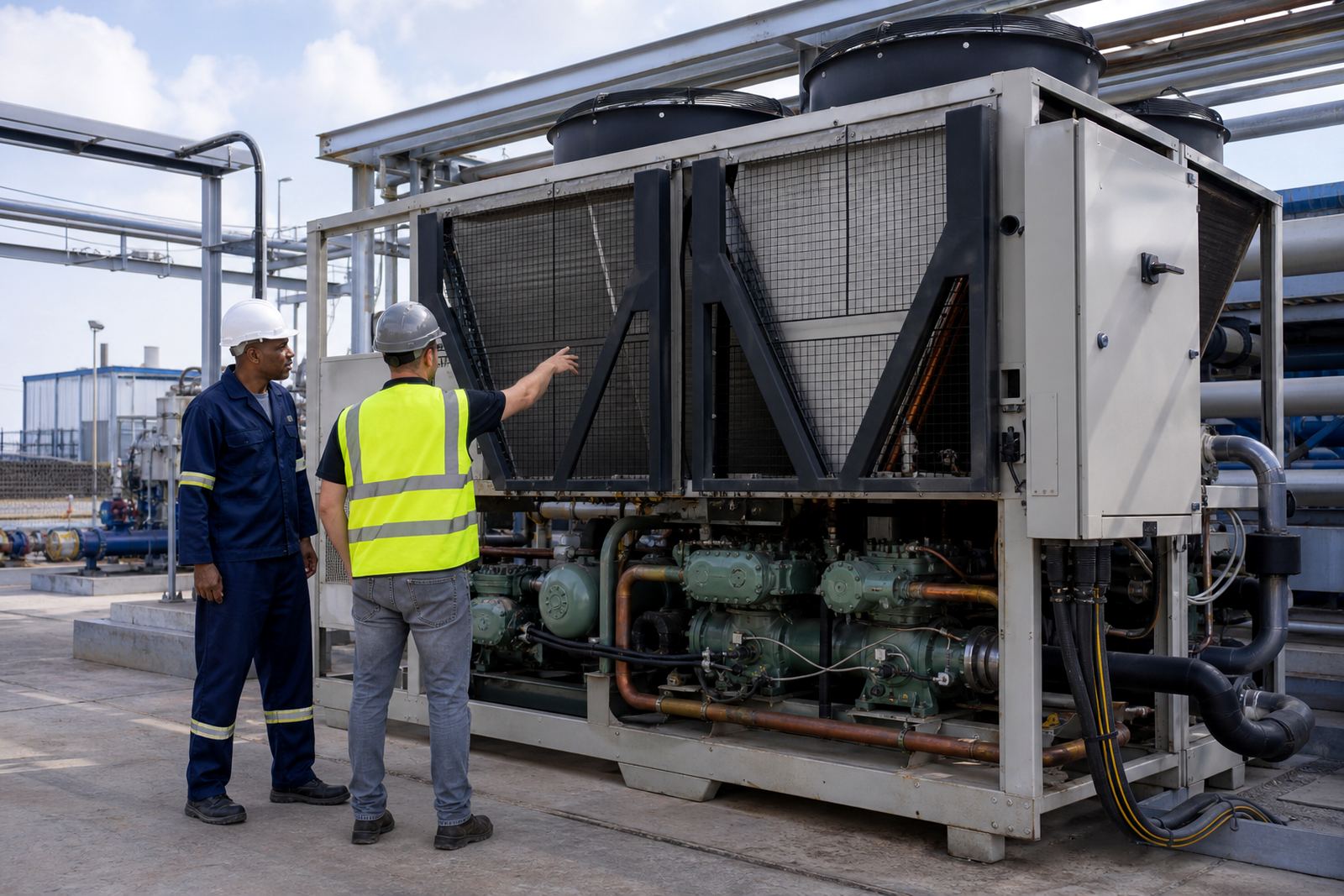
Buying used industrial machinery starts with knowing what the machine must do on site, not just what it looks like on the day. A press, lathe, generator, compressor or packaging line may all need different checks depending on your output, floor space, power supply and staffing.
Before you bid, write down the work you need done, the size of the unit, the power requirements, and whether the machine must fit into an existing plant in Kempton Park, Johannesburg or further afield. If you are replacing old equipment, compare the new duty against your current setup so you do not buy something that needs more maintenance than your team can handle.
How to Read a Catalogue Entry Properly
A catalogue entry should help you narrow the field, not make the decision for you. Look carefully at the make, model, serial details where available, physical condition, and whether the item is sold as part of a lot or as a single machine. Photos can help, but they do not replace a direct inspection.
- Check the stated dimensions against your loading bay, workshop door or container space.
- Confirm whether the unit is electrically driven, diesel powered or requires another supply.
- Note any missing parts, loose guards, worn belts, damaged panels or signs of oil leaks.
- Read whether accessories, tooling or spare parts are included or excluded.
Where information is limited, treat it as a prompt for further inspection. A careful buyer asks more questions before bidding, not after.
Inspection Points That Matter on the Day
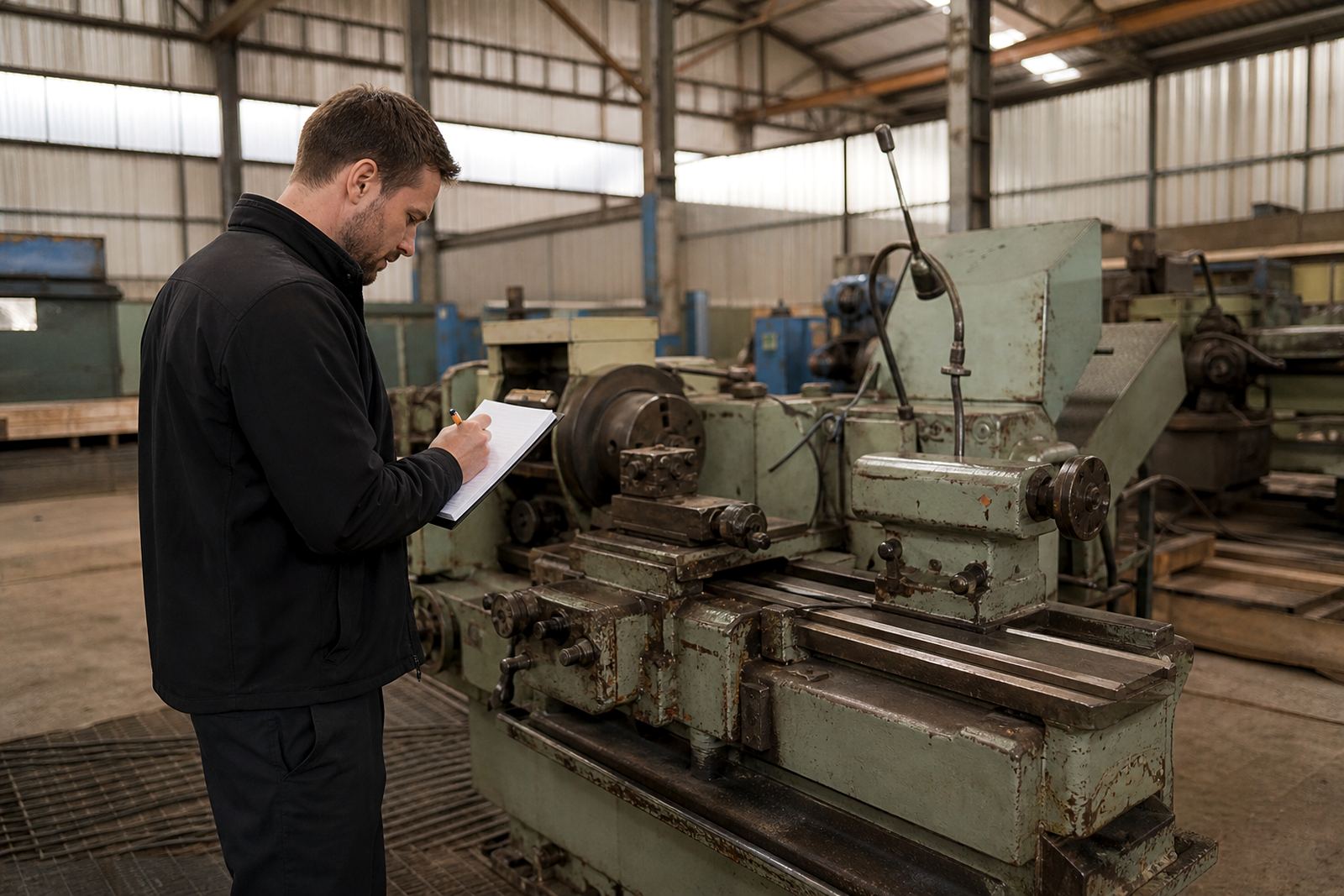
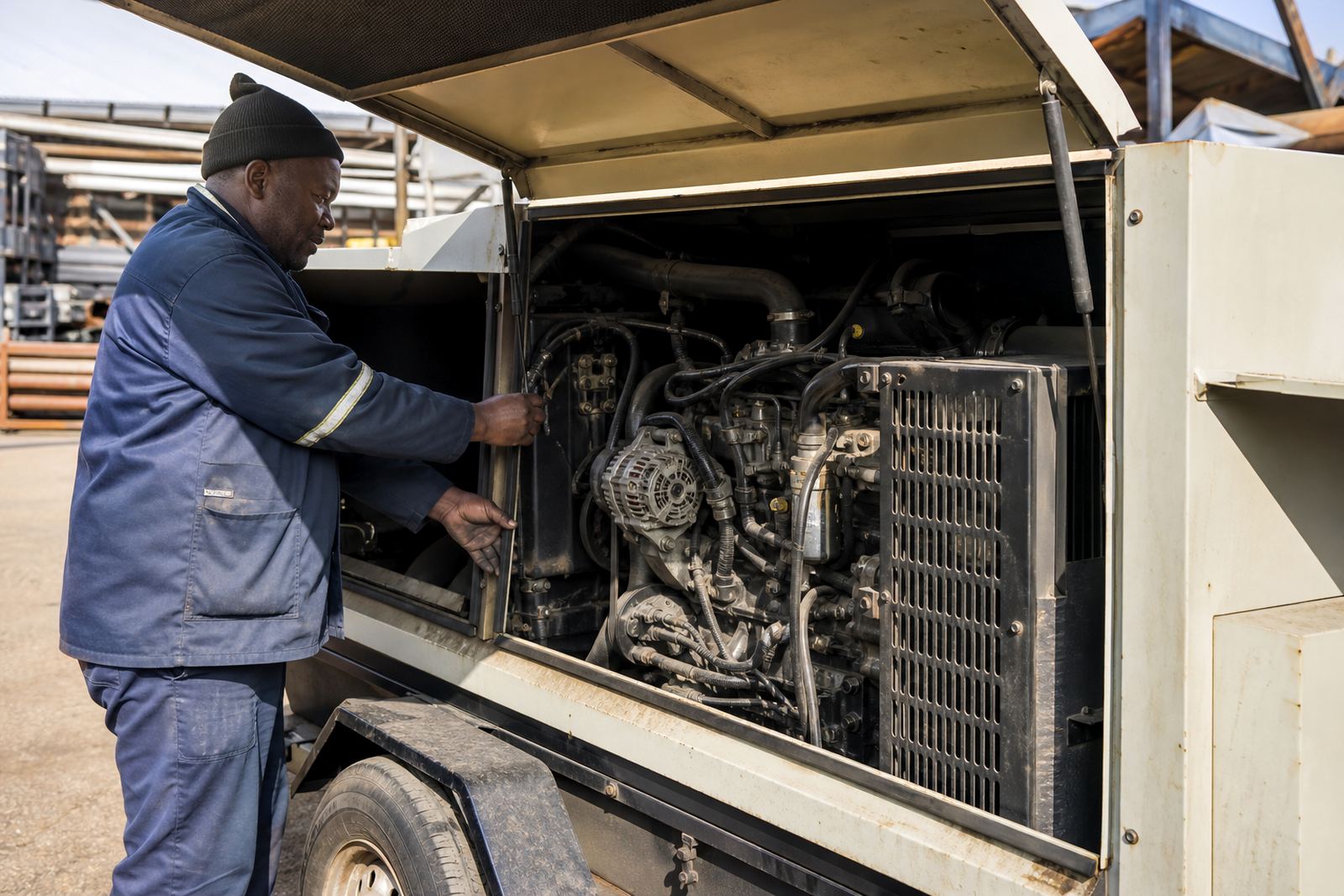
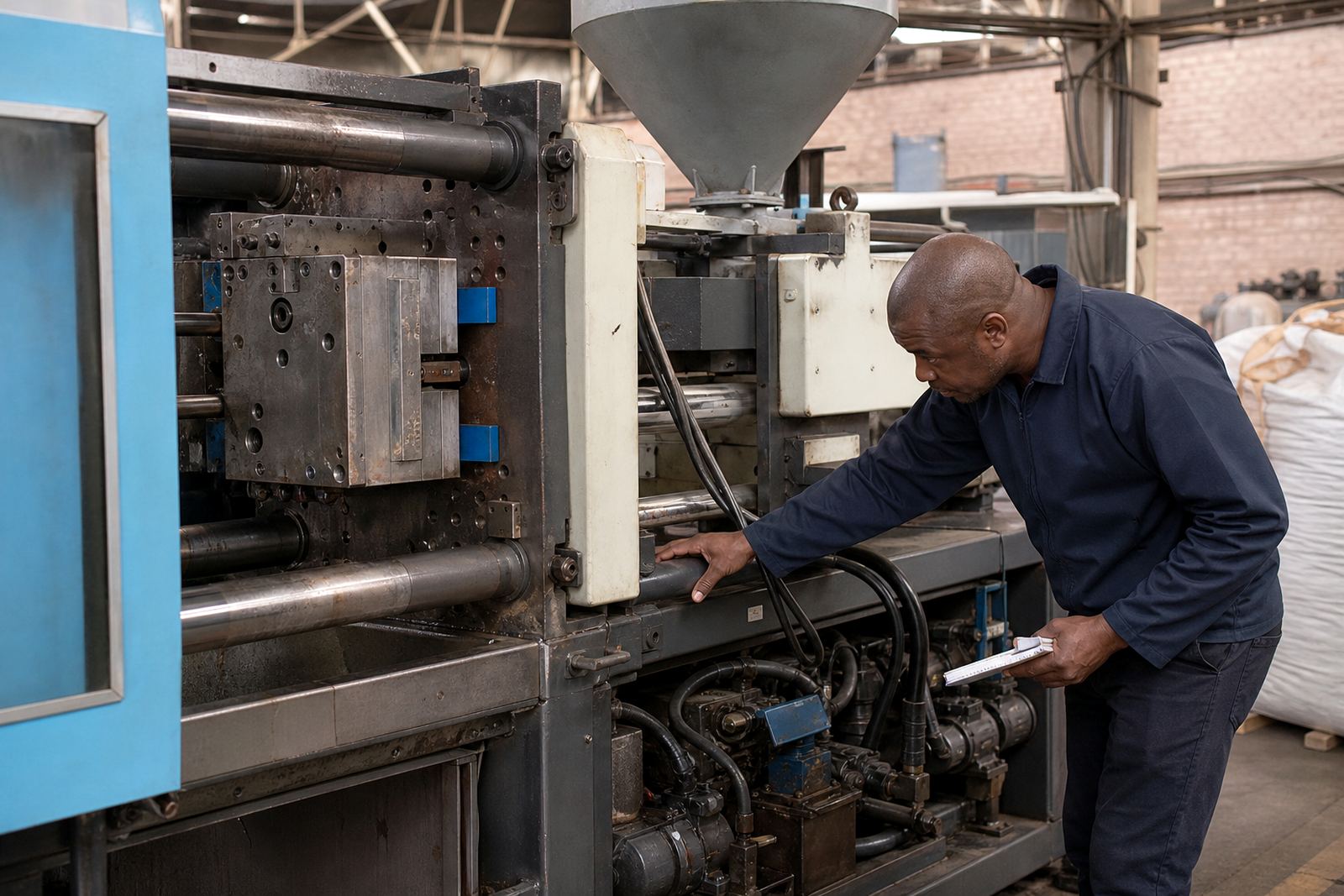
On viewing day, look for signs of age, wear and poor storage. Machines kept in coastal humidity around Durban or exposed yards in Gauteng may show corrosion, seized fasteners or electrical issues. If a unit has been standing through load shedding, check whether control panels, batteries and motors were protected properly.
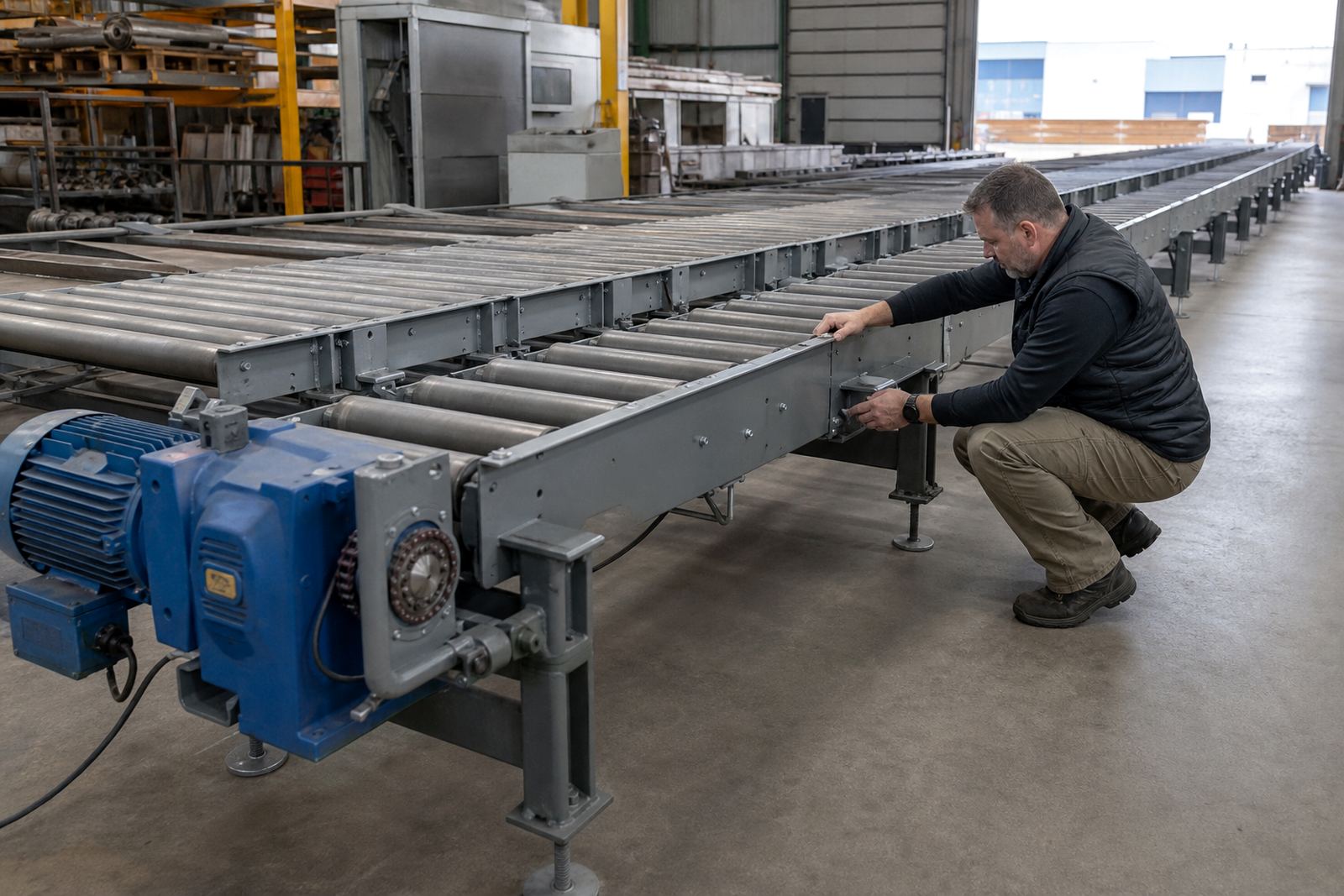
- Inspect frames, welds, housings and mounting feet for cracks or distortion.
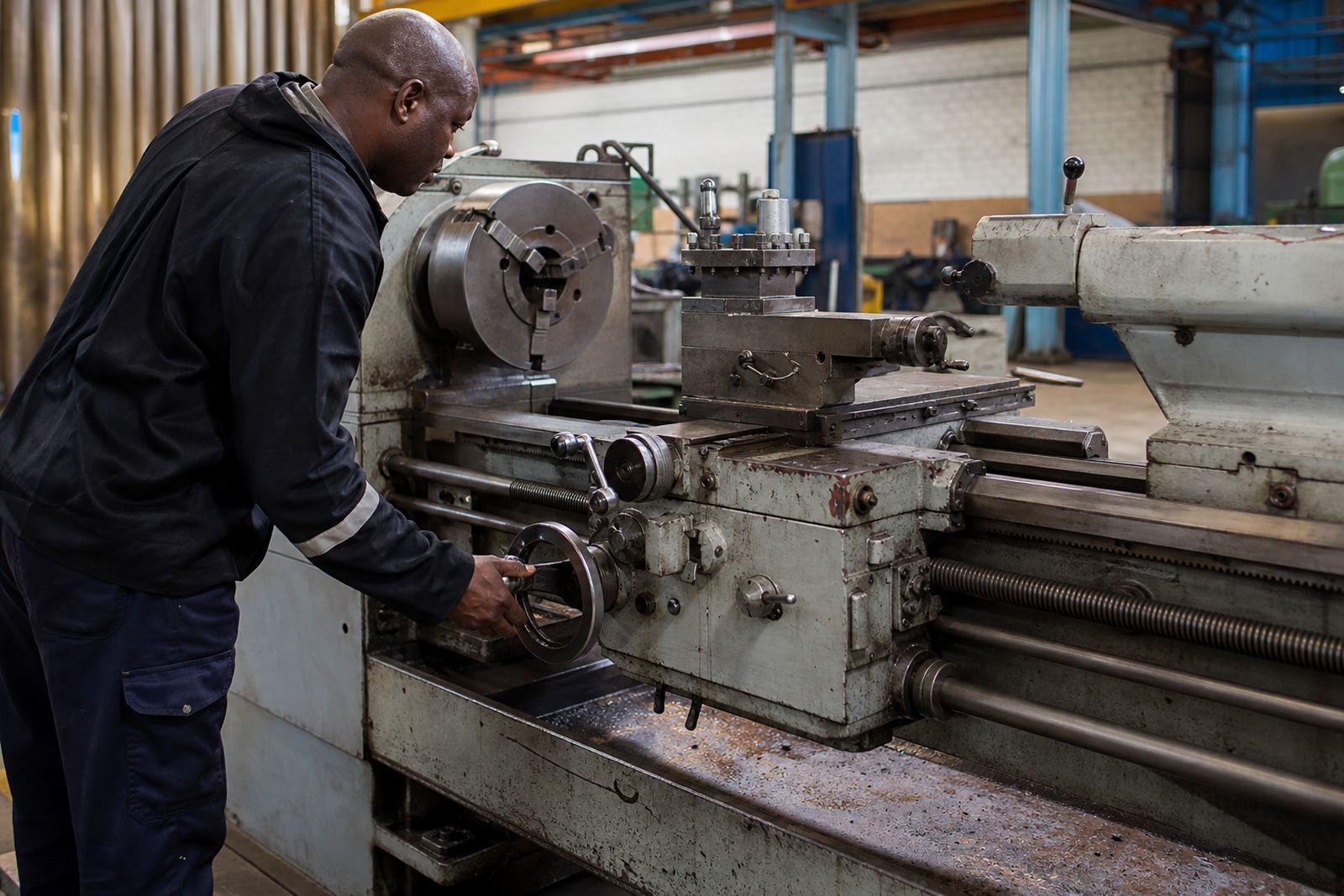
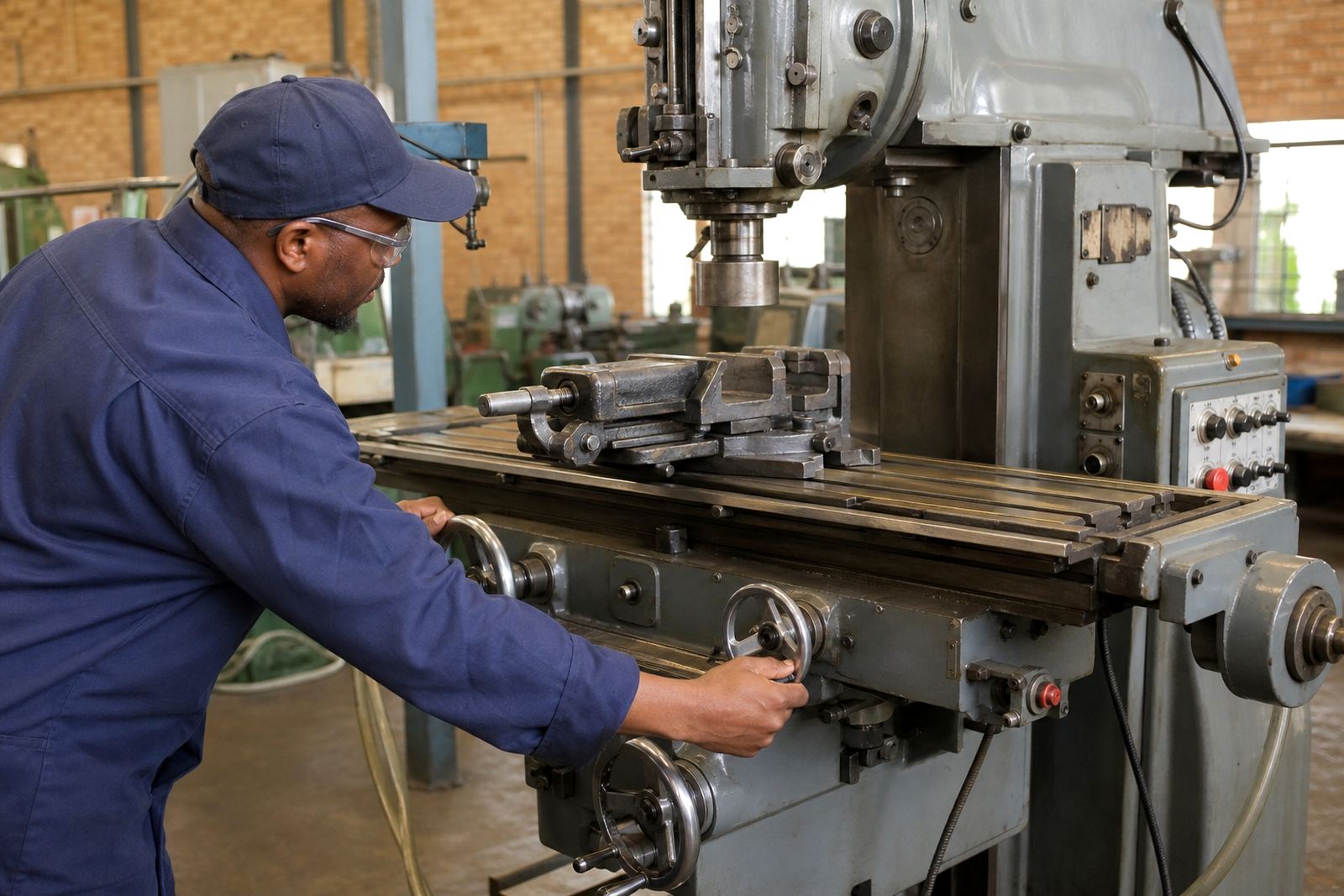
- Ask whether the machine starts, runs, turns or cycles as expected.
- Listen for unusual noise, vibration or irregular movement.
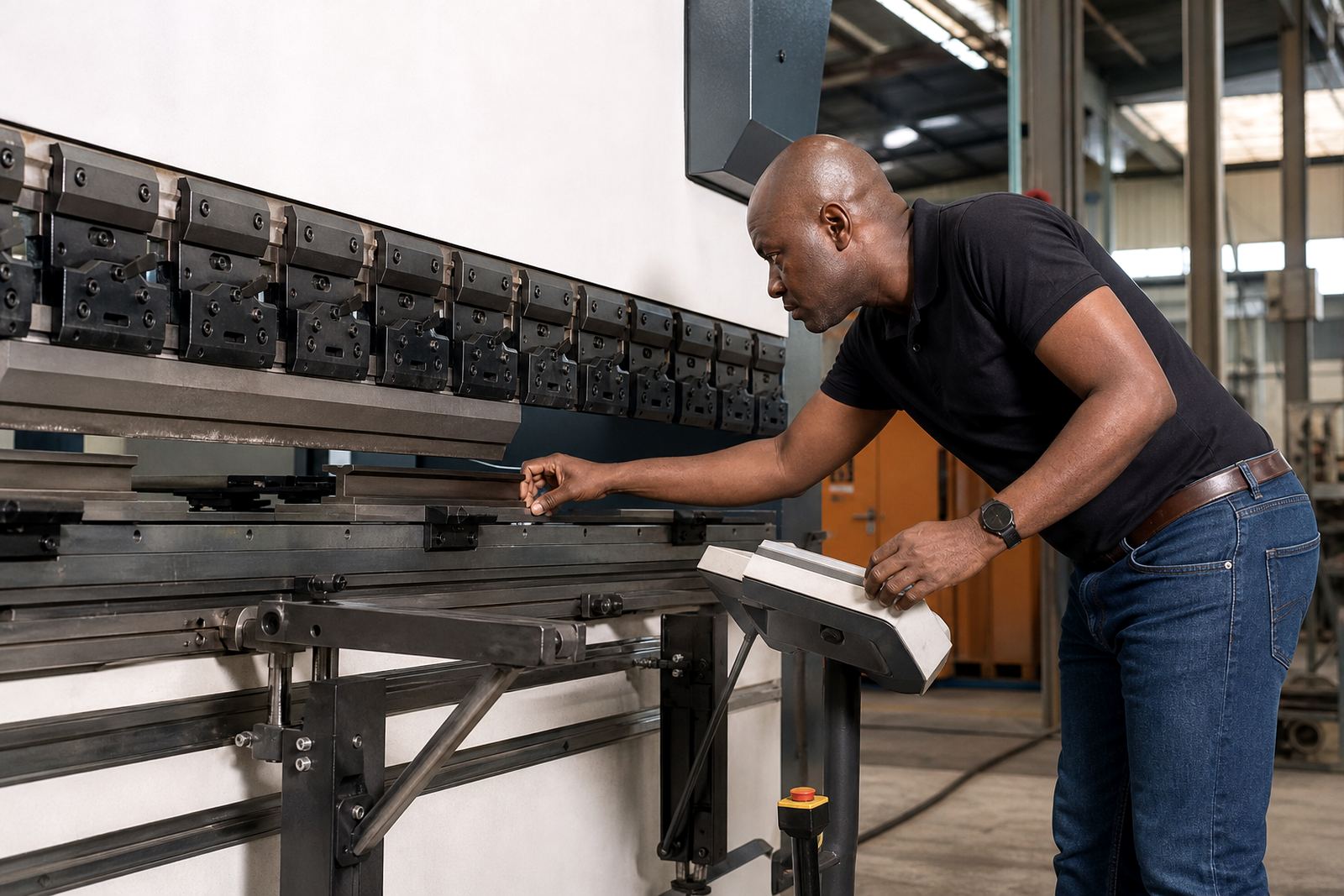
- Check safety guards, emergency stops and control buttons where fitted.
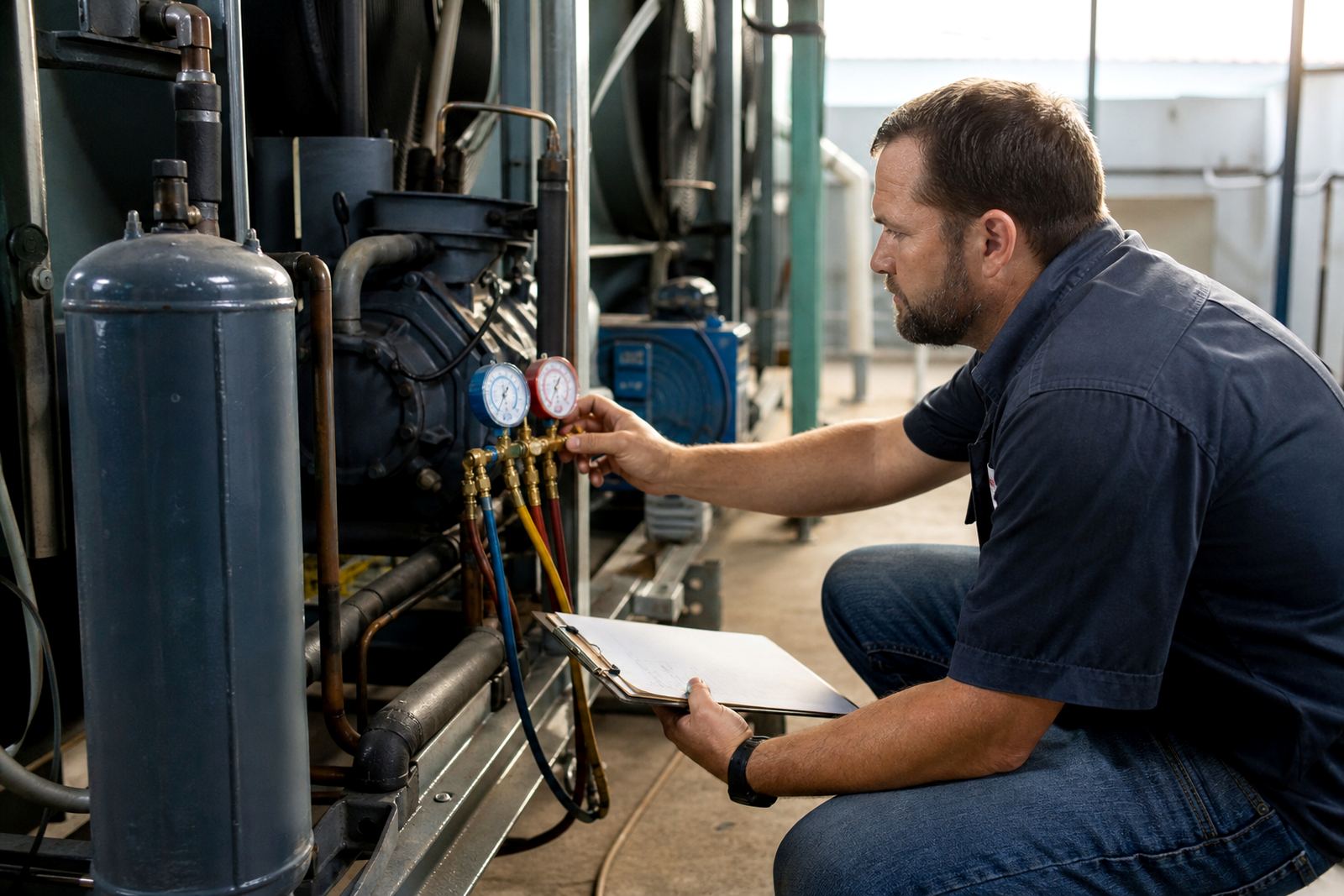
- Look at hydraulic hoses, seals, bearings and visible cabling for wear.
Do not rely on a quick test only. Some faults only show under load, after warm-up or once the machine is connected to the full system.
Understanding Valuations and Reserve Guidance
A valuation is an opinion of value based on the information available at the time. It is not a guarantee of sale price, and it should not be treated as a promise of what a buyer will pay on auction day. Reserve guidance helps sellers set a sensible minimum, while still allowing the market to respond to demand.
For buyers, this means comparing the condition of the machine to its likely place in the market, rather than assuming the reserve reflects perfect condition or full service history. A fair appraisal takes into account age, usage, completeness, brand-neutral market demand, and any work needed before installation.
Planning for Collection and Removal
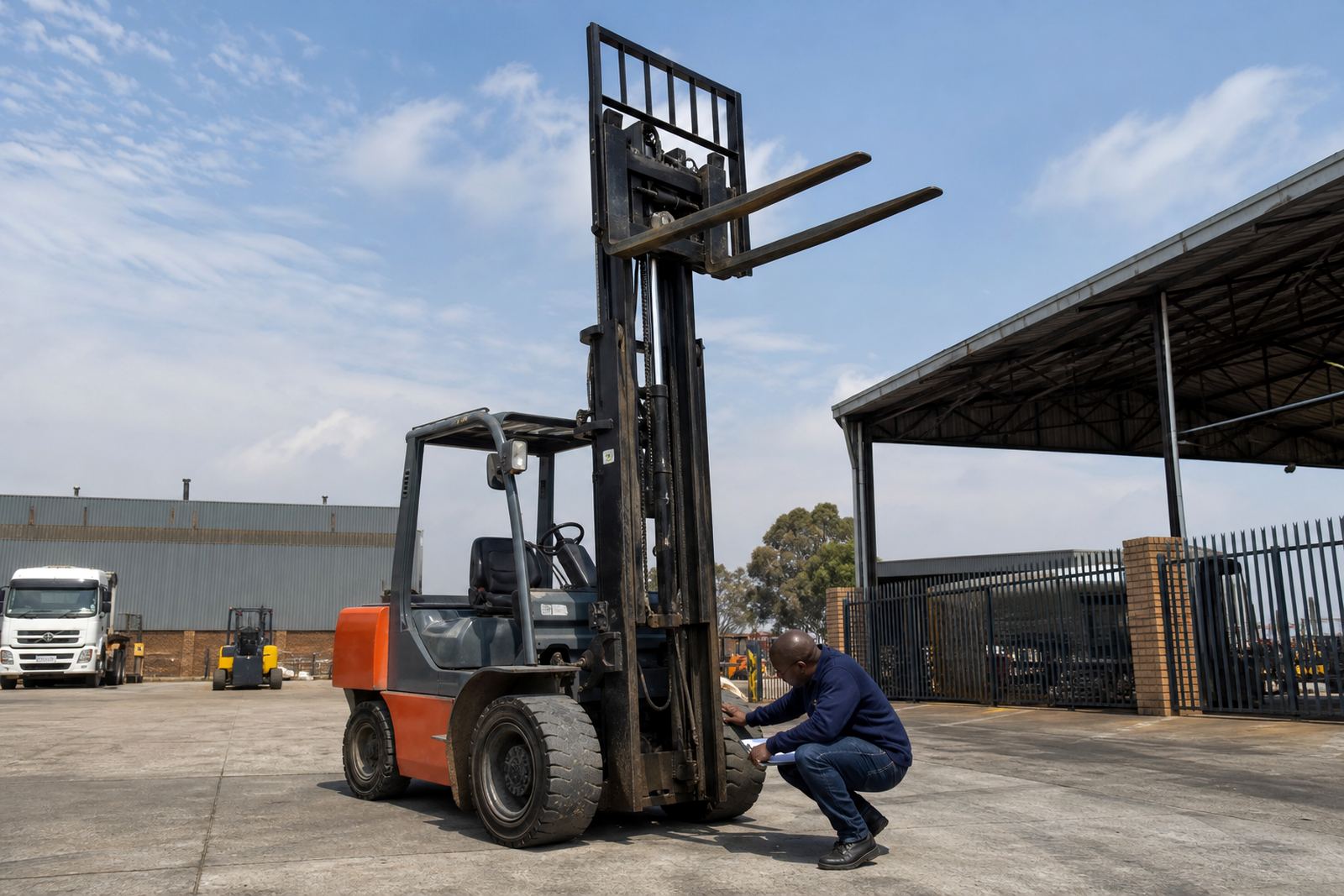
Before bidding, think through removal. Many industrial machines need rigging, forklifts, slings, loading access and a clear path out of the building. In places like Germiston, Midrand and Pretoria industrial areas, site access and municipal restrictions can affect timing and vehicle size, so it helps to plan early.
Buyers should confirm what disconnection work is needed, who will do it, and when the item must be cleared. If a lot includes several machines, count the weight, height and floor loading of each item. A good purchase can become a costly one if removal is rushed or under planned.
- Measure gateways, loading ramps and truck turning space.
- Confirm whether lifting points are usable and accessible.
- Check if consumables, coolant or oils need draining before collection.
- Arrange transport that suits the machine weight and footprint.
Bid With a Clear Ceiling and a Backup Plan
Set your ceiling before the auction starts and keep to it. Strong bidding can happen quickly, especially when a machine is suitable for fabrication, processing, maintenance or plant expansion. If you are buying for a workshop in Cape Town, Gqeberha or Johannesburg, remember to factor in transport, commissioning, parts and any adaptation work.
It is also sensible to have a second choice. If your first option moves beyond budget, another lot may offer better value once removal and recommissioning are considered. A buyer who understands the full cost picture is better placed to make a practical decision.
After the Sale: What to Check Before Commissioning
Once the sale is complete, inspect the machine again before it goes into production. Confirm that all agreed items are present, check for transit damage, and review any cleaning or servicing needed before first use. If the unit has been stored for a while, a qualified technician may need to inspect wiring, lubrication points and moving parts.
Keep your records in order, including the lot number, inspection notes and collection details. That makes it easier to plan maintenance and manage the machine within your plant. A careful handover reduces the risk of surprises when the unit goes back into service.