Start With the Real Question: What Is the Machine Worth Today?
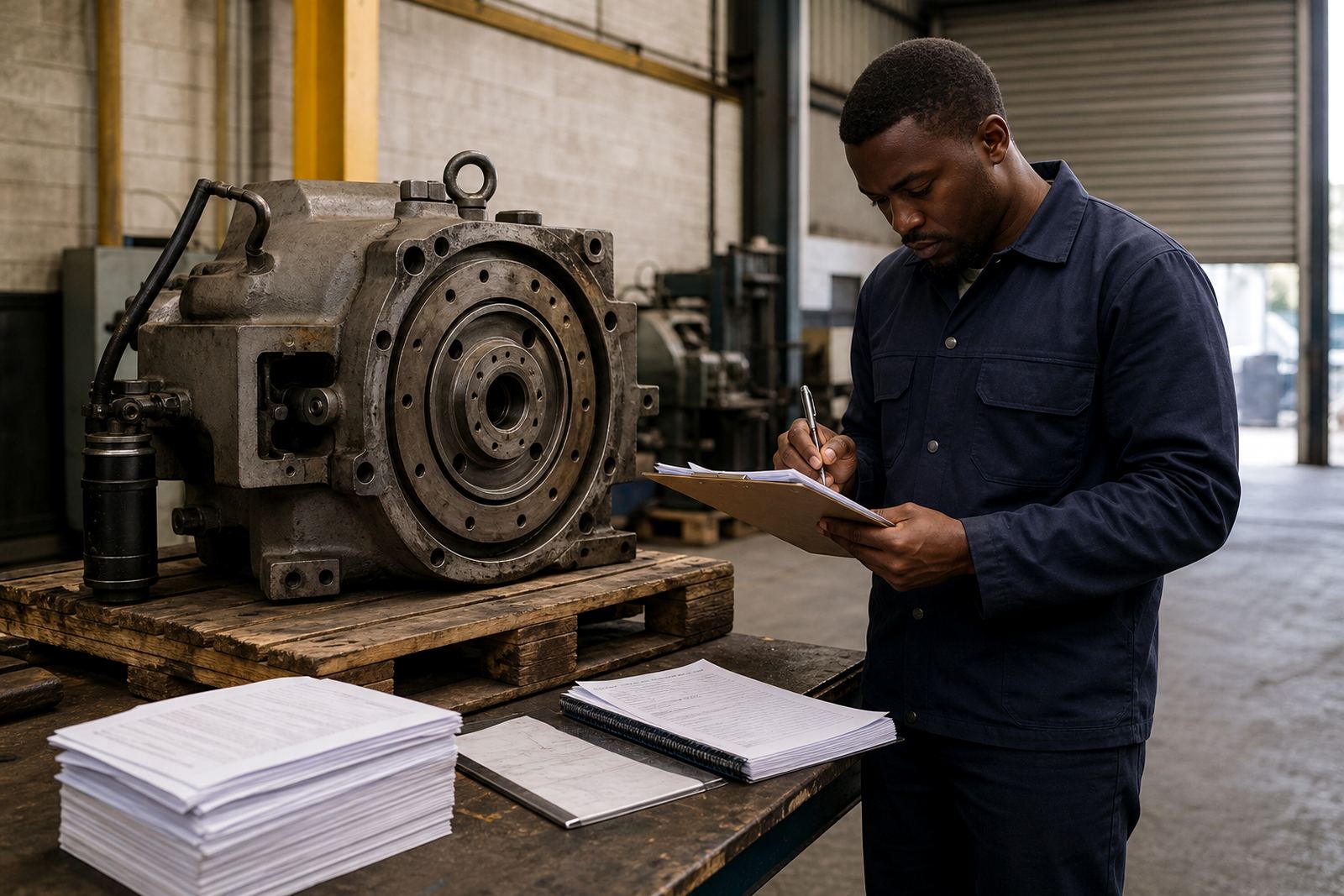
A single machine sale usually begins with a valuation, and that valuation is an opinion of value based on condition, age, make, duty hours, maintenance history and the local market at the time. It is not a promise of the eventual sale price. A press, generator, compressor, forklift or CNC machine can look complete on the floor yet still need work before it is ready for a buyer, so the condition assessment matters more than guesswork.
For sellers in Kempton Park, Johannesburg or Pretoria, timing also plays a role. A working machine with service records and clear access can attract stronger interest than a similar unit that has been standing outside in dust or coastal humidity. If the item has been exposed to load-shedding surges, rain, or poor storage, that should be disclosed early. Buyers notice it anyway, and honest disclosure saves time.
- Check whether the machine starts, runs and cycles as intended.
- Gather manuals, service slips, wiring diagrams and spare parts lists if available.
- Record serial numbers, model details and any modifications.
- Note defects, missing guards, leaks, worn tooling or control faults.
Choose the Sales Route That Fits One Item, Not the Whole Workshop
Some machines suit a private sale, while others are better handled by auction. The choice depends on demand, urgency, condition and how difficult the machine is to remove. A seller with one well-known piece of equipment in good running condition may prefer a targeted marketing approach. A seller who wants a firm sale date, or who needs the site cleared by a deadline, often benefits from auction planning.
In practice, the sale route should match the machine and the site. A heavy lathe in Germiston on a tight access yard is not the same as a pallet of light workshop equipment in Midrand. If the item must be lifted with a crane, disconnected by a qualified person and moved through a narrow gate, those factors affect buyer interest and the final arrangement. Good planning avoids delays and extra handling costs later.
- Private sale can suit specialist machines with a narrow buyer pool.
- Auction can suit assets that need a defined selling process and a visible market.
- Clearance sales are useful when one item is part of a broader site clean-up.
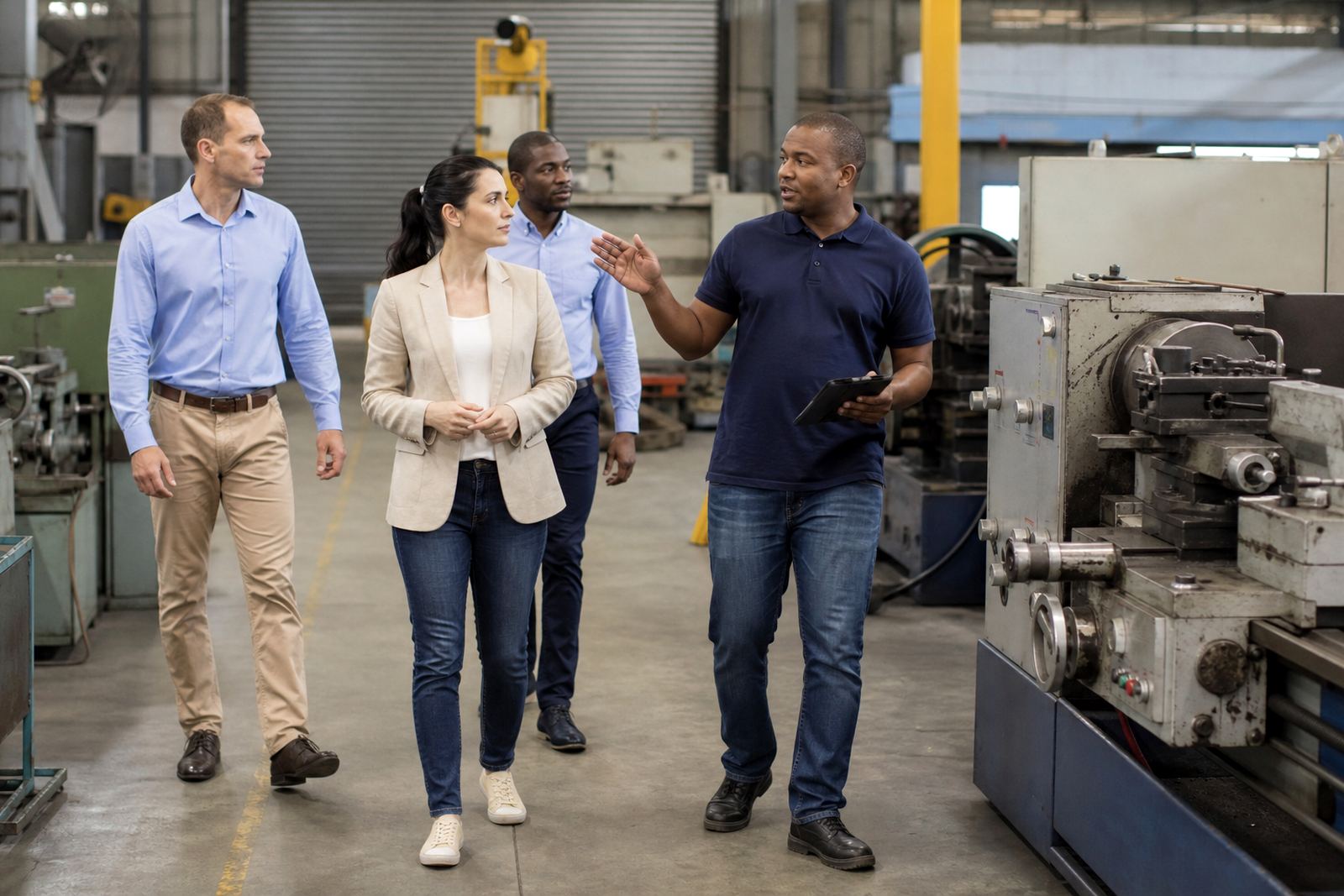
- Seller representation helps when the owner cannot manage viewings and queries day to day.
Condition, Power Supply and Site Access Can Change the Outcome
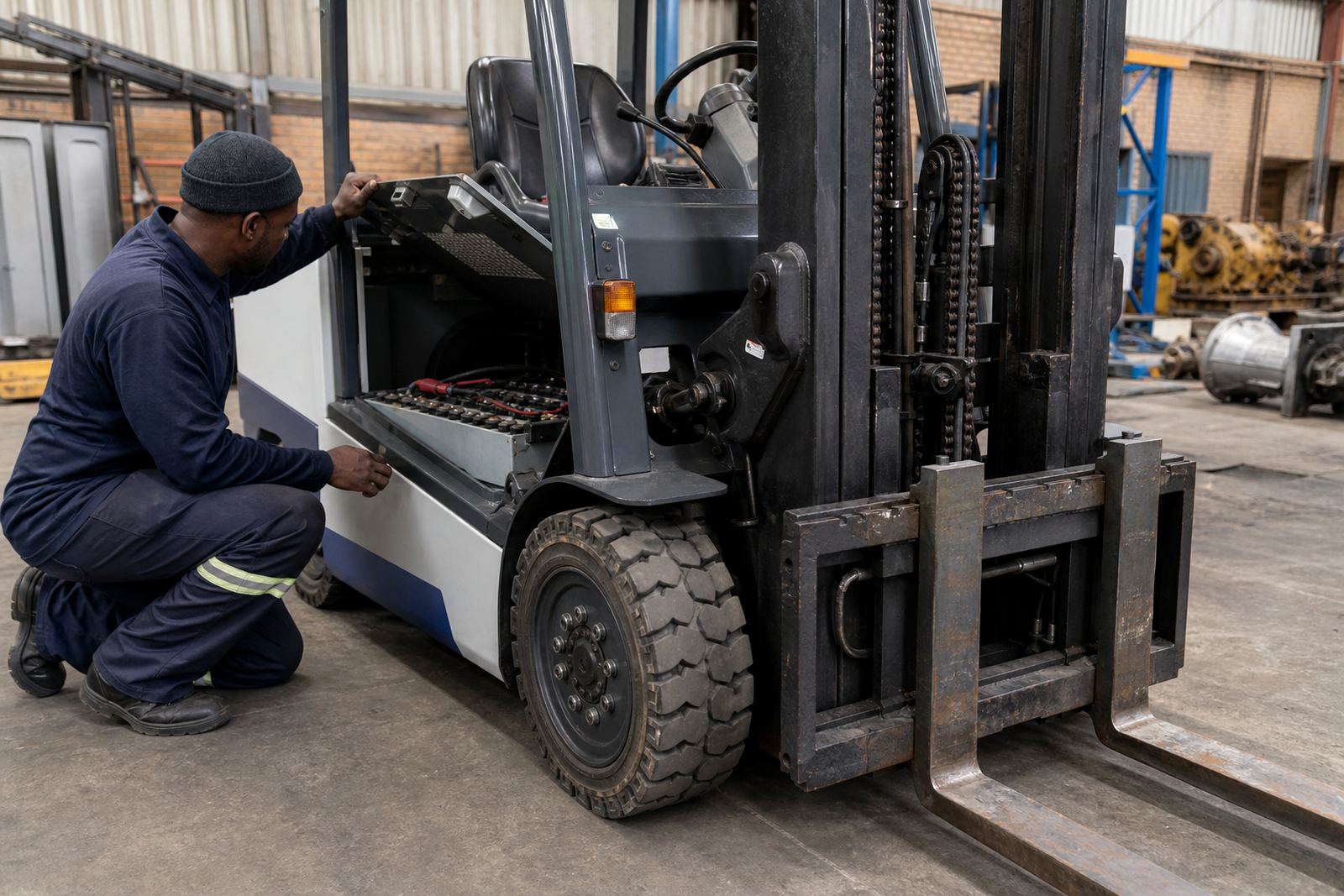
Buyers do not only buy the machine, they buy the task of removing it. That is why site access, power supply and condition all affect the sale process. A buyer will ask whether the machine runs on three-phase power, what controls are fitted, whether the unit has been isolated correctly and whether the last test run was recent. If the machine has been idle for months, say so. If the item needs a service before use, that should also be stated clearly.
On-site valuations often reveal issues that are not obvious from photos alone. A machine may have surface rust, missing covers, damaged cables or blocked hydraulics. In some cases the issue is simple and in others the machine may be better suited for parts or scrap value rather than direct reuse. That is why a physical inspection is worth the time. It creates a more practical view of what can be sold, and how.
- Confirm power requirements and whether a test run is possible.
- Measure door widths, loading bays and overhead clearance.
- Check floor condition, anchor points and lifting access.
- List any repair history that a buyer should know about before viewing.
What Buyers Want to See Before They Travel
For a single machine sale, strong listing material is not optional. Buyers want enough detail to decide whether the trip is worth it, especially when they are coming from Durban, Cape Town or Gqeberha. Clear photos, a straight description and accurate measurements reduce wasted viewings. If the machine has a control panel, tooling, attachments or safety guards, include those items in the listing so nobody is surprised on site.
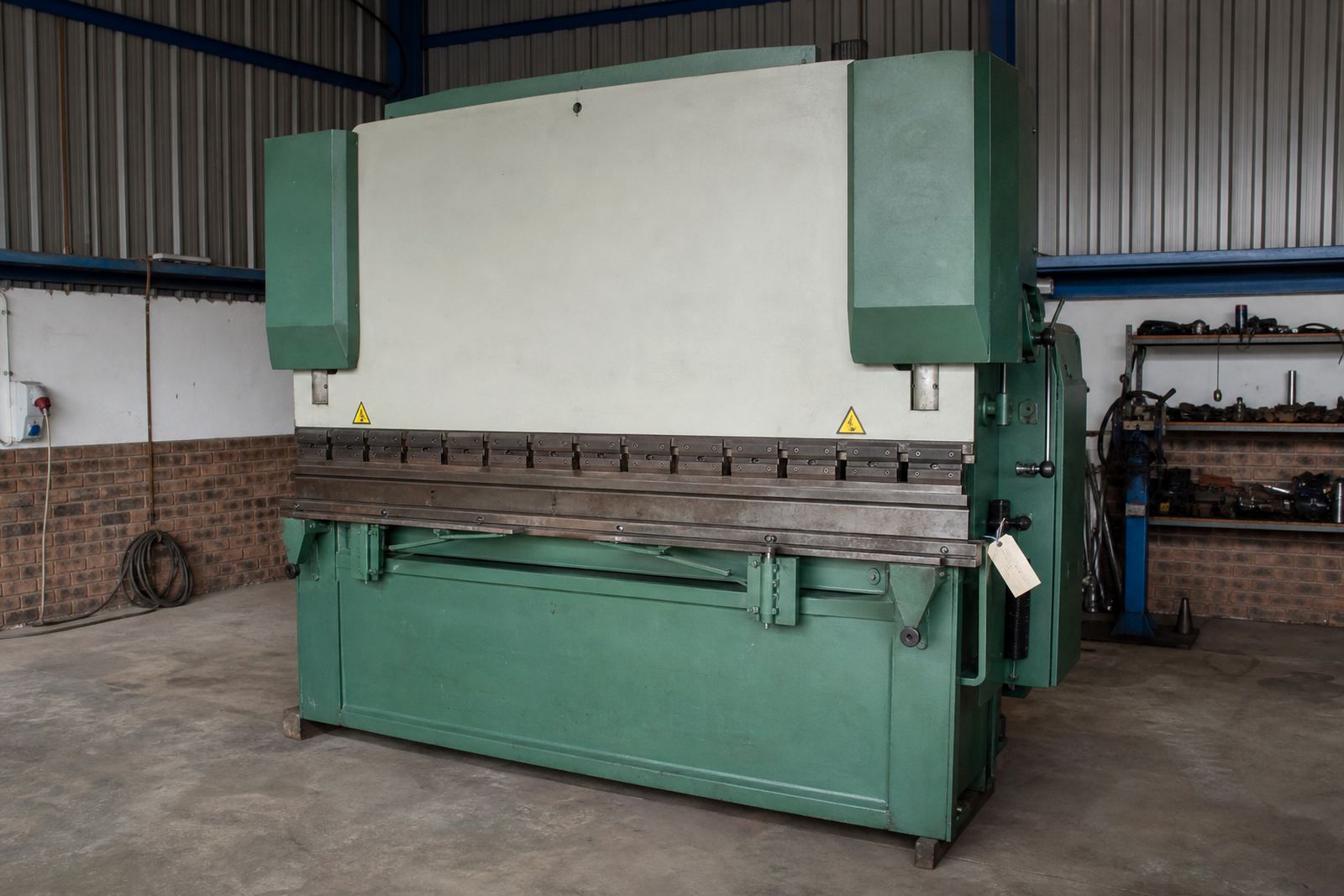
Photo listing prep should show the whole unit, the serial plate, the working face, the control side and any damage points. It also helps to show the machine in context, because size is often misjudged from memory. A buyer who expects a compact unit but arrives to find something much larger may walk away. That is why proper cataloguing matters even when there is only one item on offer.
- Use clear photos from multiple angles, inside and outside if relevant.
- Include dimensions, weight if known and any lifting requirements.
- Describe attachments, tooling and consumables separately.
- State whether the asset is still connected, isolated or already removed from service.
Reserve Guidance and Seller Expectations Should Be Set Early
One of the hardest parts of selling a single machine is setting expectations. The owner may remember what the item cost years ago, while the market may only pay for current condition and use. Reserve guidance should be based on real enquiry levels, likely buyer demand and the machine's practical resale value. It is not about wishing for a figure. It is about setting a point that gives the seller a fair chance without blocking the sale entirely.
When the reserve is set too high, interest can stall. When it is too low, the seller may feel the item moved too quickly. The right balance depends on the machine, the site and the urgency of the sale. In some cases, a short viewing period followed by auction works better than keeping the unit open-ended for months. This is especially true when a factory is being reorganised or a workshop in Johannesburg needs floor space back for new equipment.
Good seller representation also means keeping the process transparent. That includes explaining how viewings will work, what terms apply to the sale and how closure support is handled once the item is sold. A calm process helps everyone, and it usually leads to better buyer confidence too.