

What These Sale Stories Cover
Our sale stories are general project summaries for used industrial machinery, plant and related assets. They show how a disposal is usually handled from first site visit to final handover, without naming confidential details or giving promises about price or buyer interest. An opinion of value is exactly that, an opinion, not a guarantee of sale price.
When you read through the stories, look for the practical bits: how the machinery was assessed, what had to be moved or cleaned, whether the seller needed a quick clearance, and how viewing days or catalogue preparation were arranged. That is often more useful than the headline description alone.
How To Choose the Right Story To Read First
If you are selling a single machine, start with the stories closest to your asset type, such as workshop equipment, fabrication machinery, processing lines or support plant. If you are clearing a full site, read the pieces that cover lotting, bulk collections and closure support.
- Choose by asset type: presses, lathes, compressors, generators or conveyors.
- Choose by site condition: operating factory, shutdown plant, or partial clearance.
- Choose by location: Kempton Park, Johannesburg, Pretoria, Durban, Cape Town or Gqeberha.
- Choose by timing: planned sale, urgent clearance, or staged disposal.
This makes it easier to see which parts of the auction process may apply to your own situation, especially where access, power isolation or lifting gear has to be arranged. A story from a coastal site can read very differently from one in a Gauteng warehouse, and that matters.
Typical Machinery Types We Handle
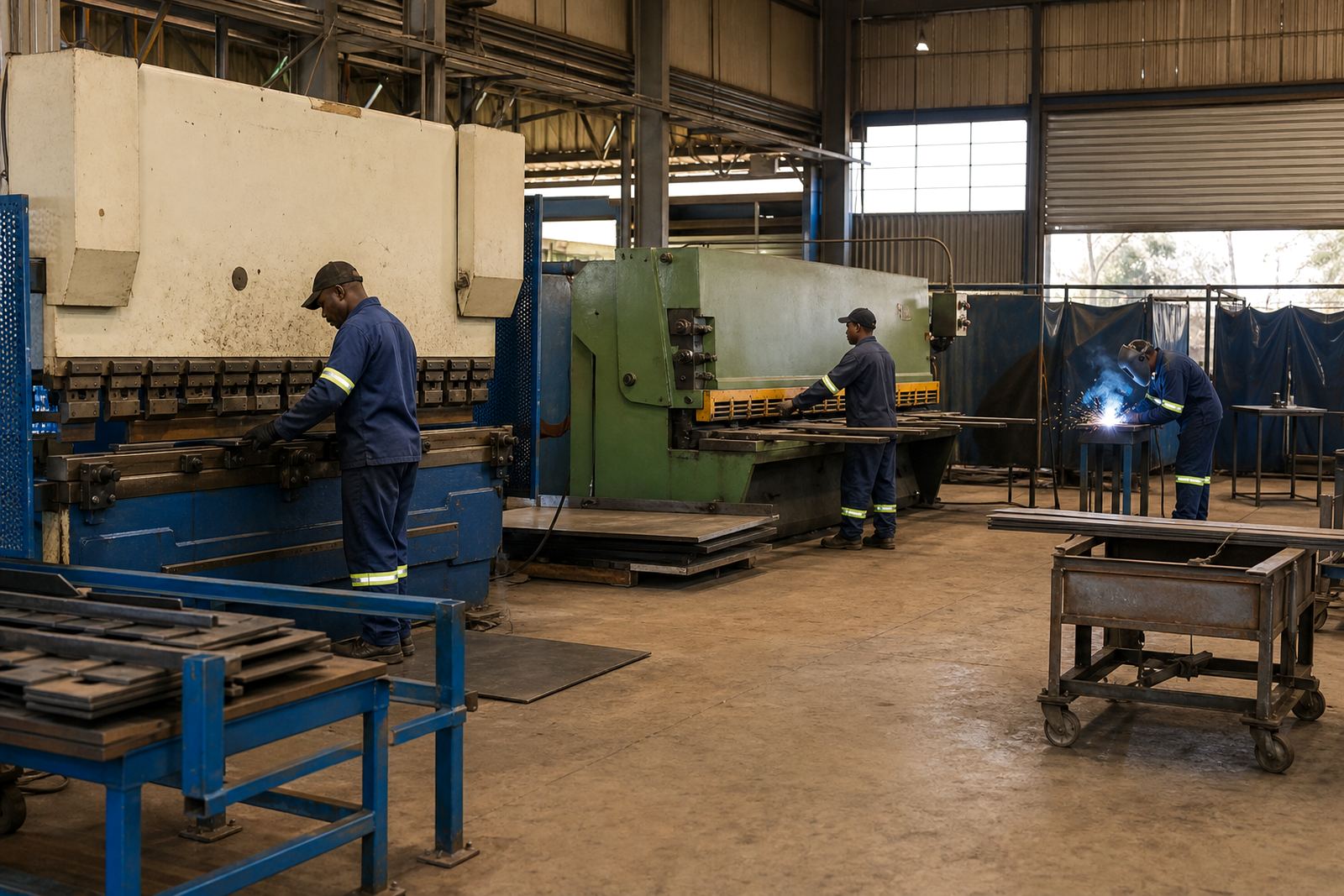
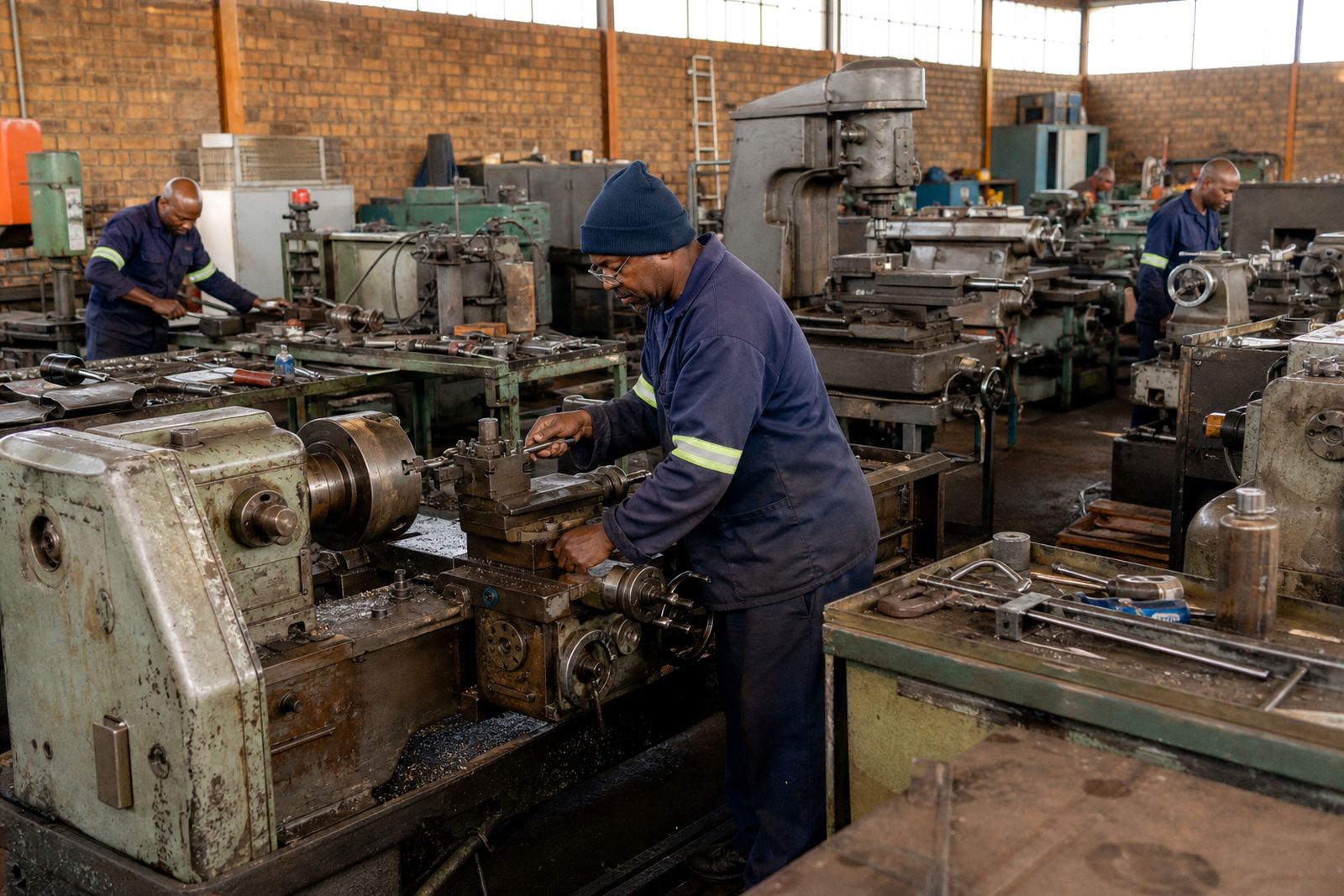
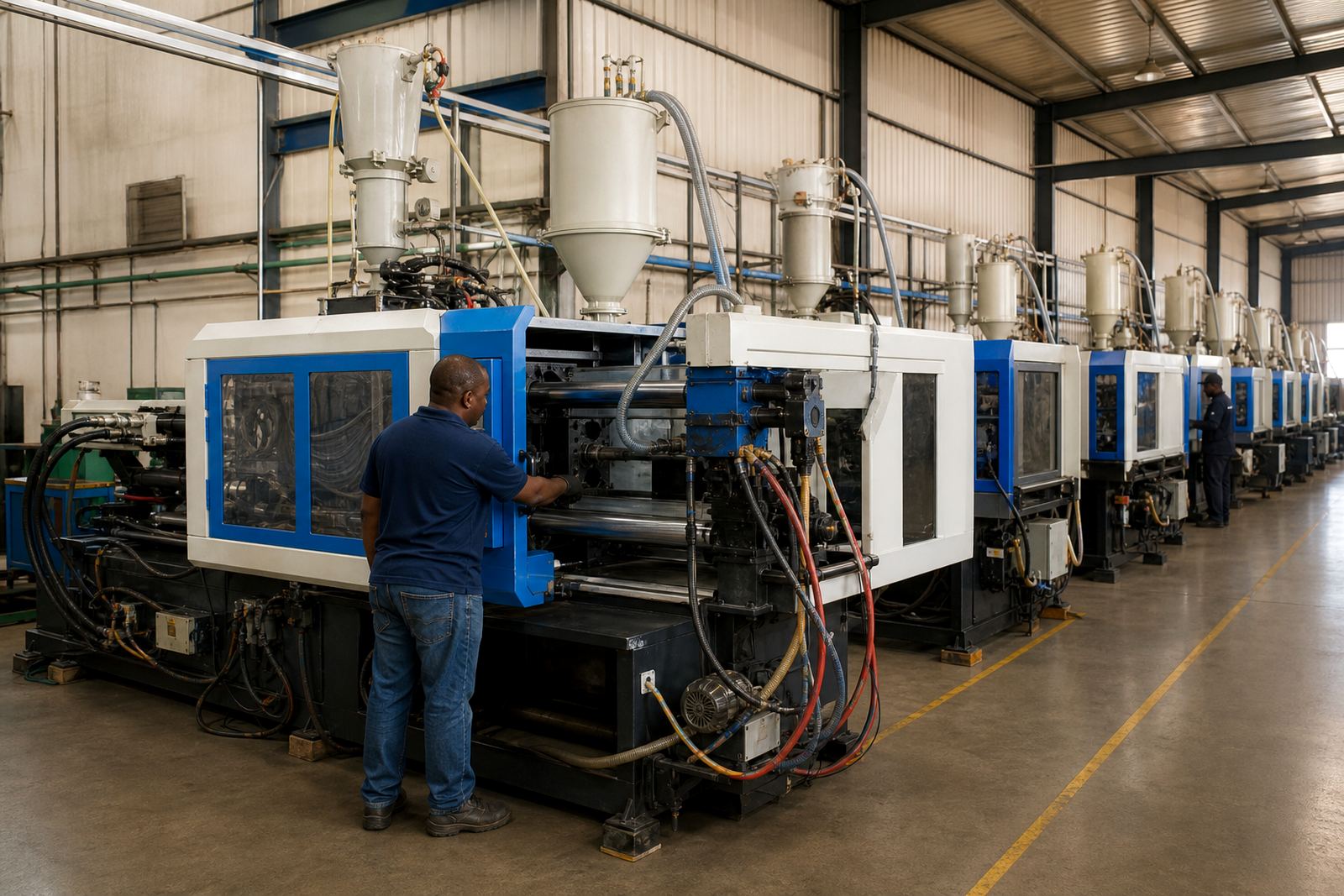
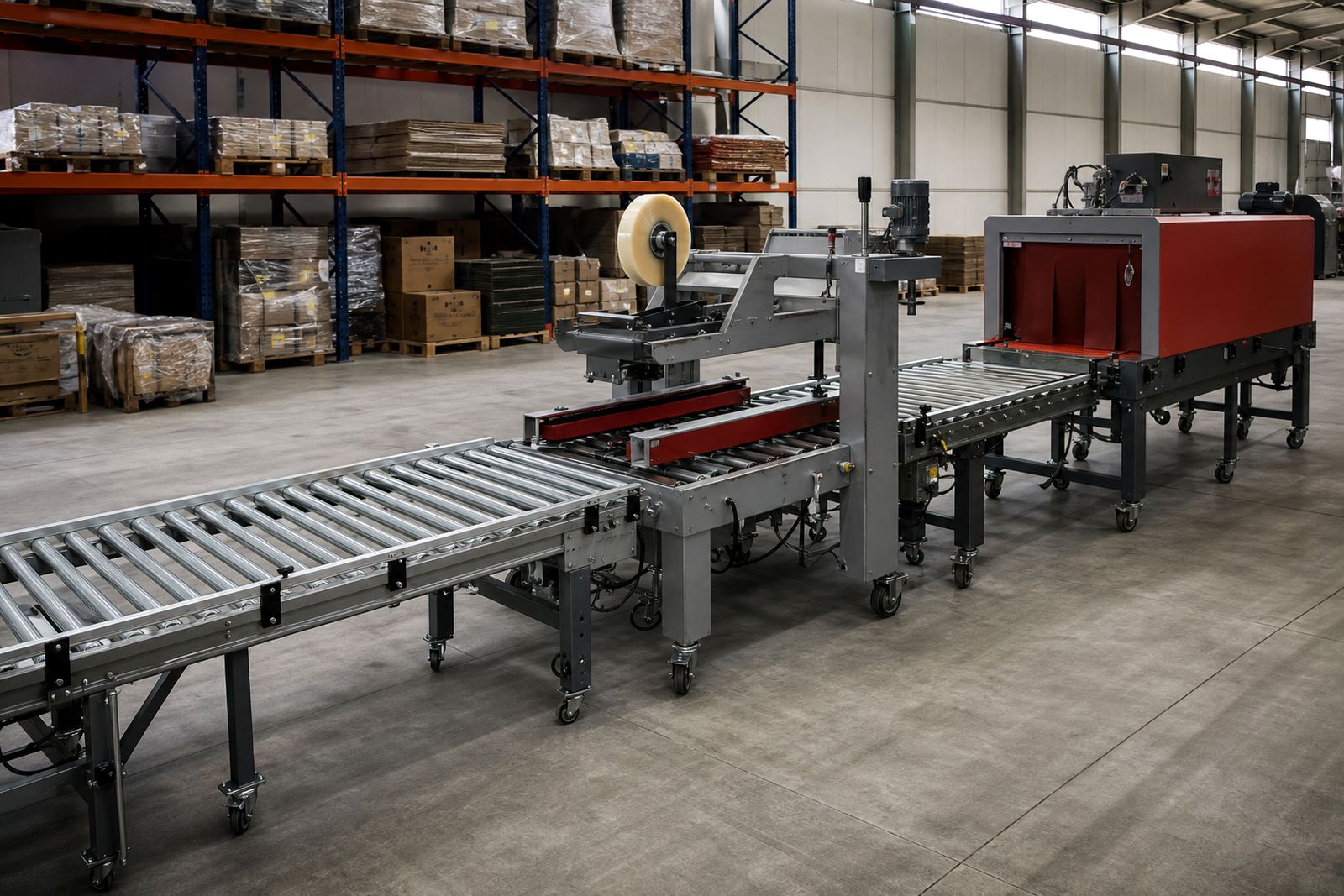
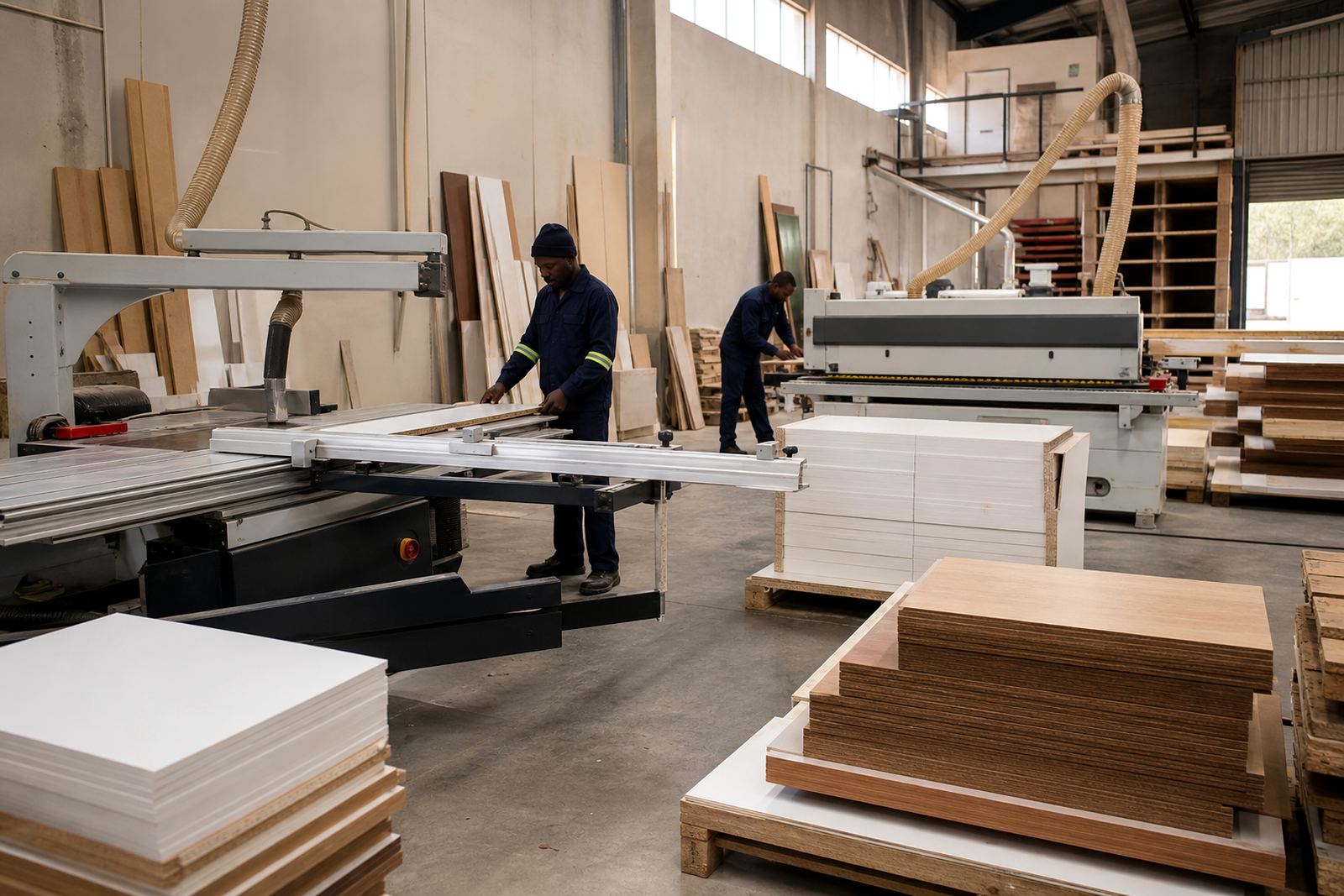
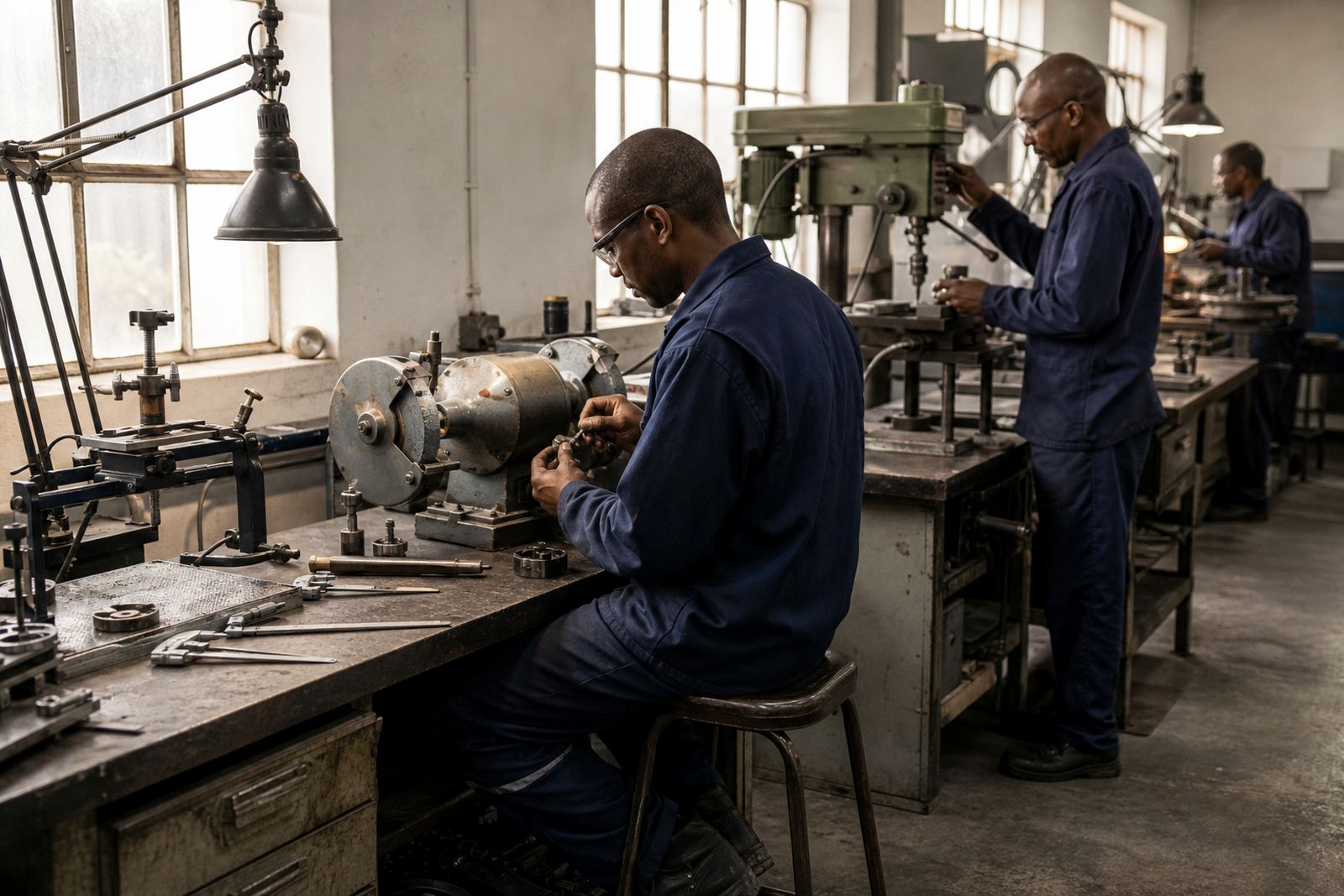
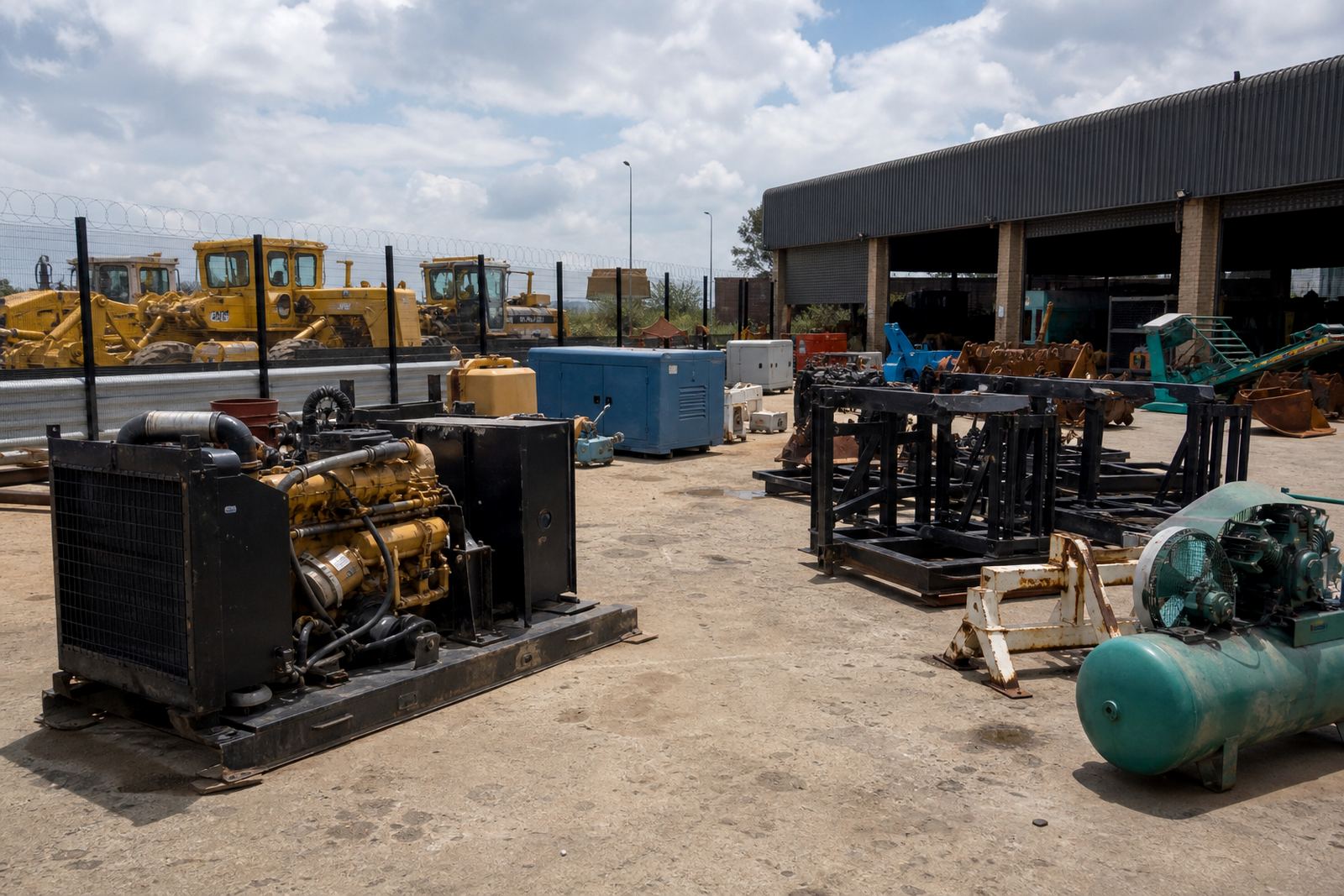
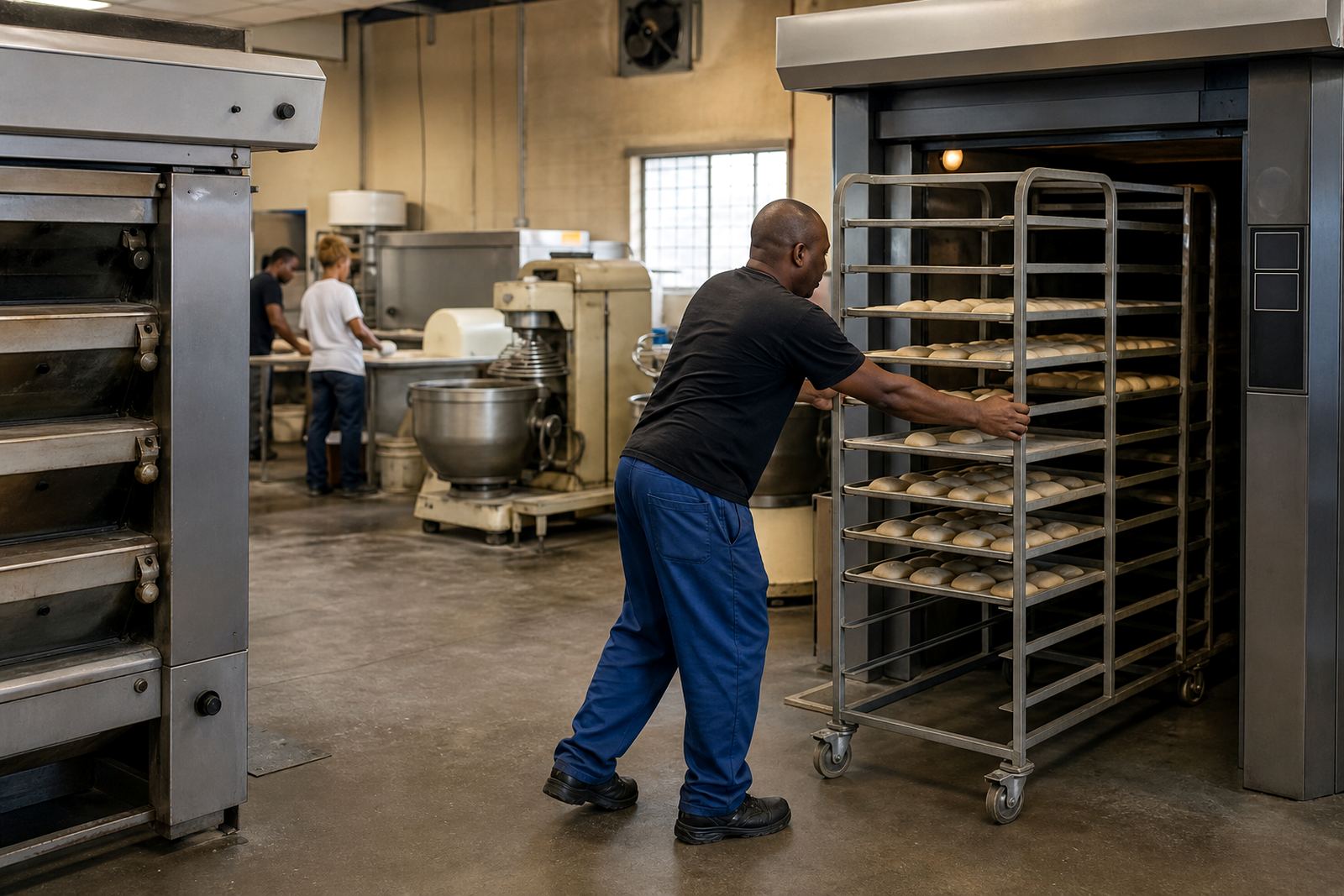
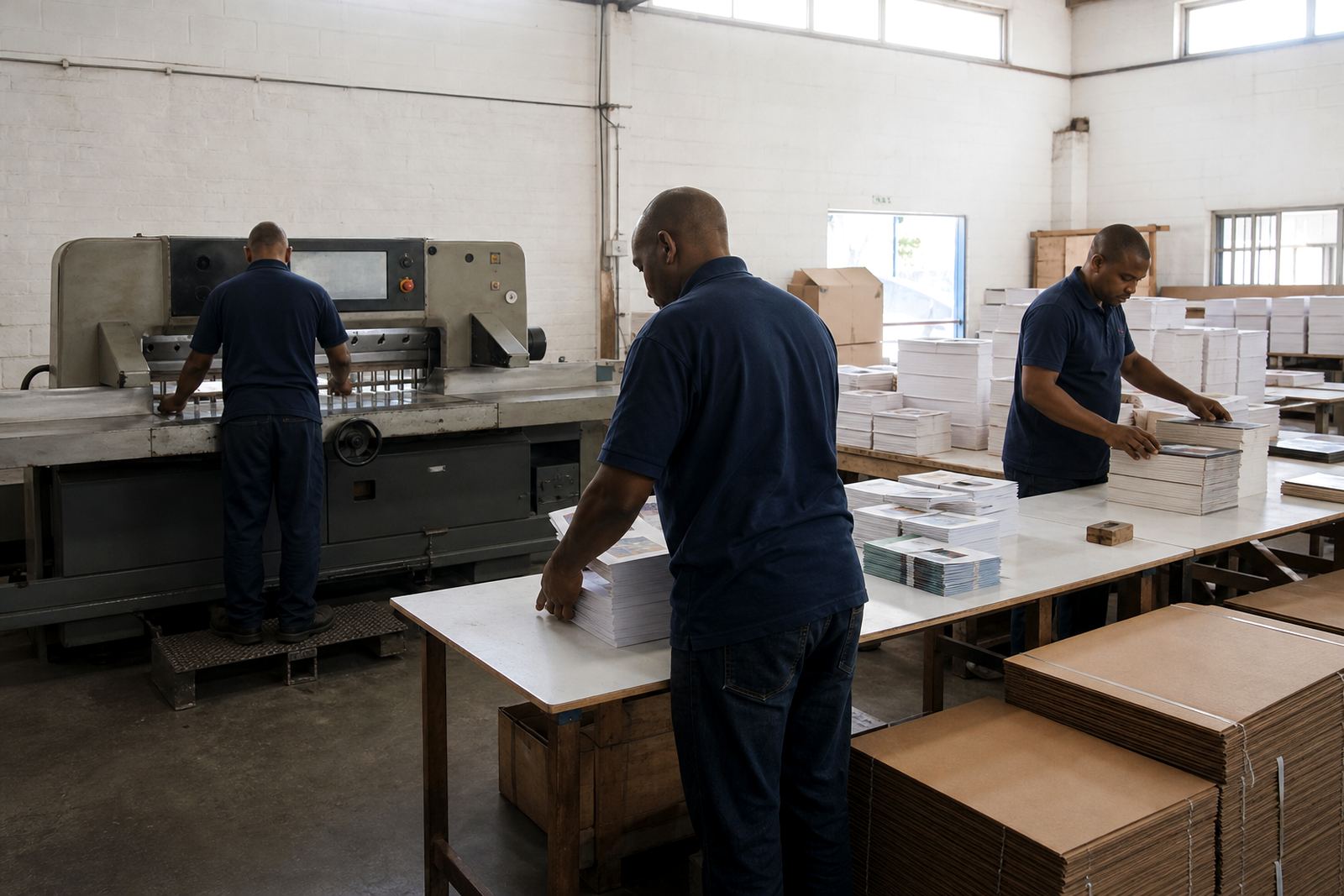
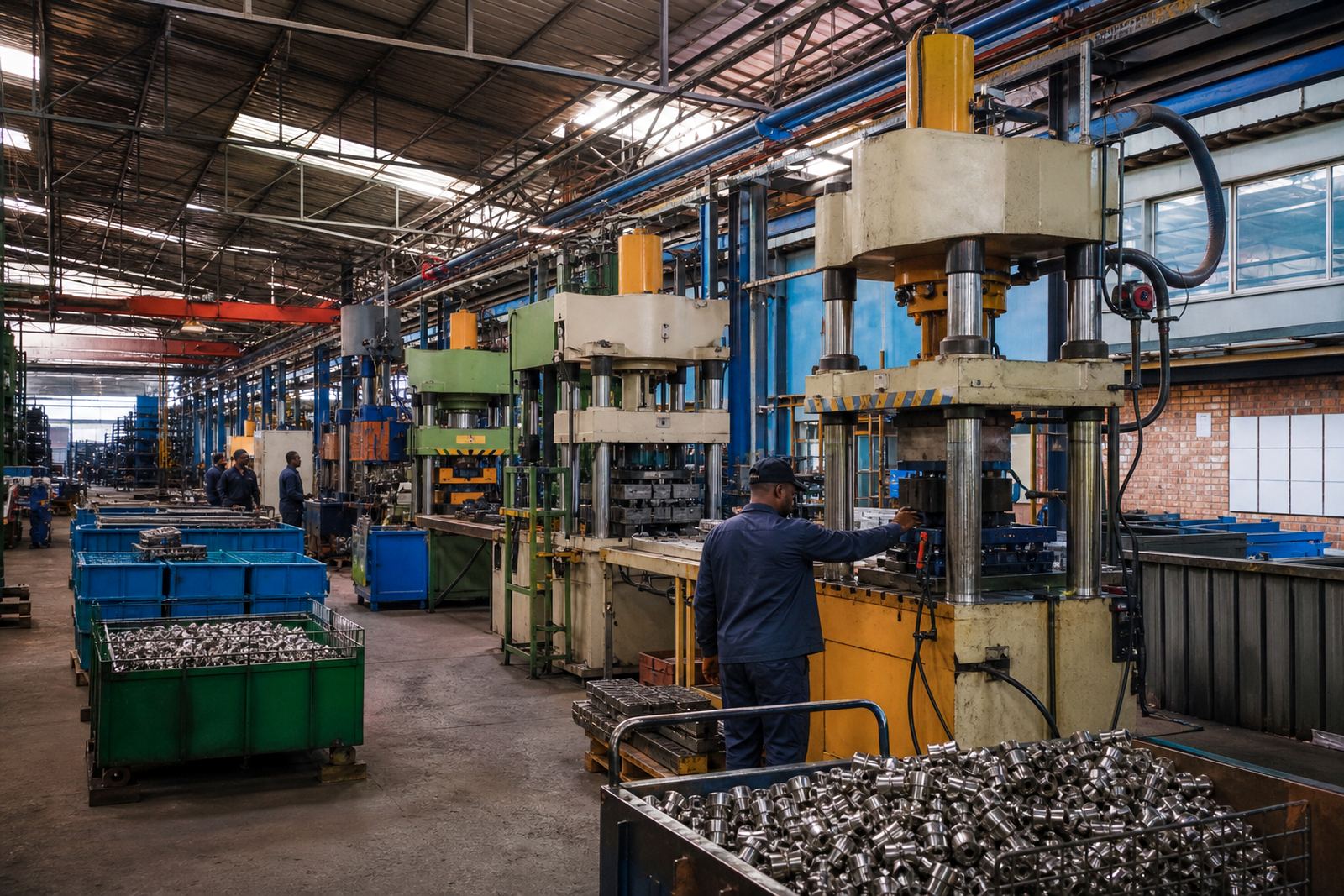
The stories on this page will often feature machinery that is common in South African industry: metalworking machines, packaging lines, woodworking units, pumps, compressors, electrical plant and site support equipment. Some are still installed and running, while others are mothballed, incomplete or awaiting removal.
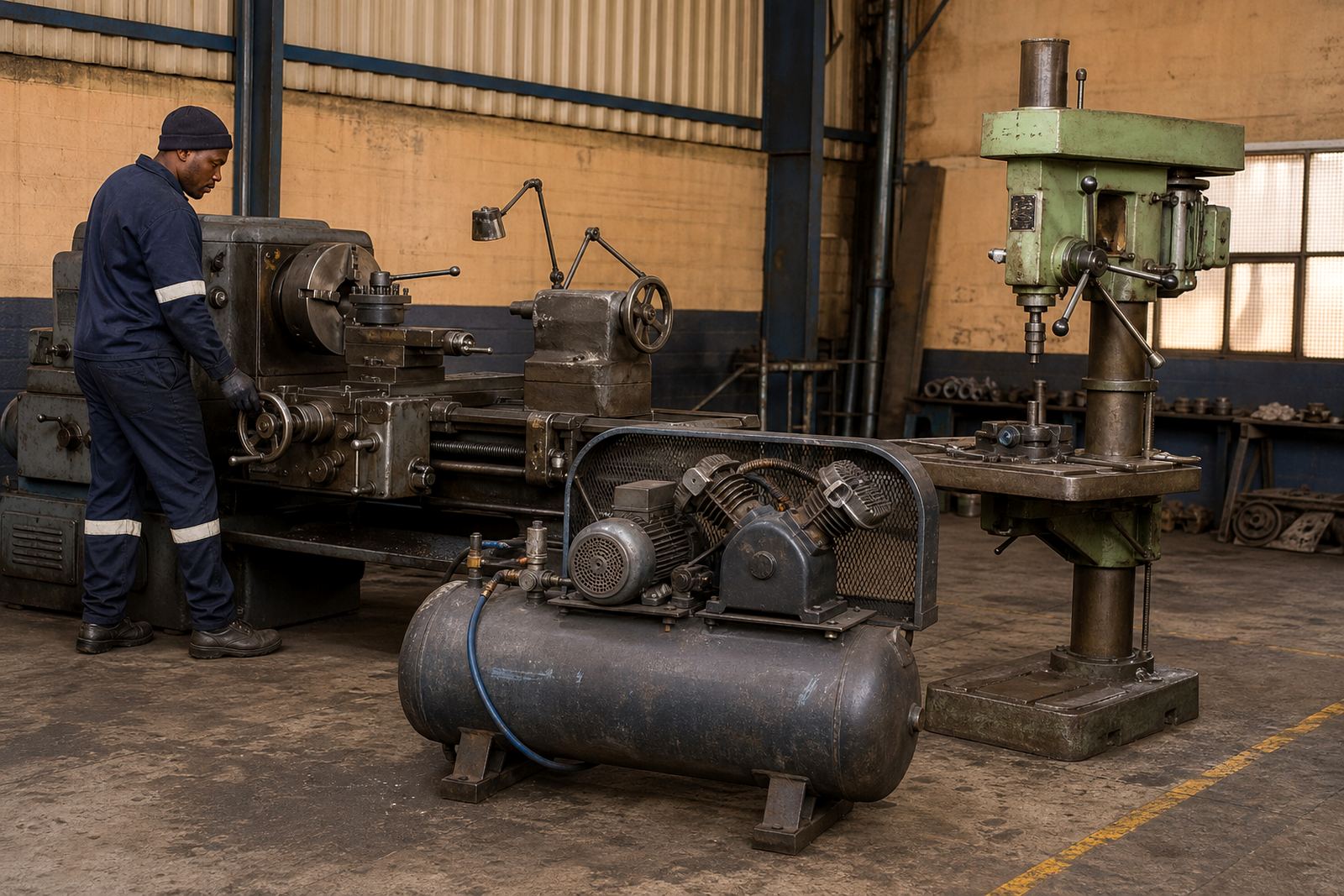
- Workshop machinery such as turning, drilling, cutting and shaping equipment
- Factory support assets such as air systems, switchgear and backup generators
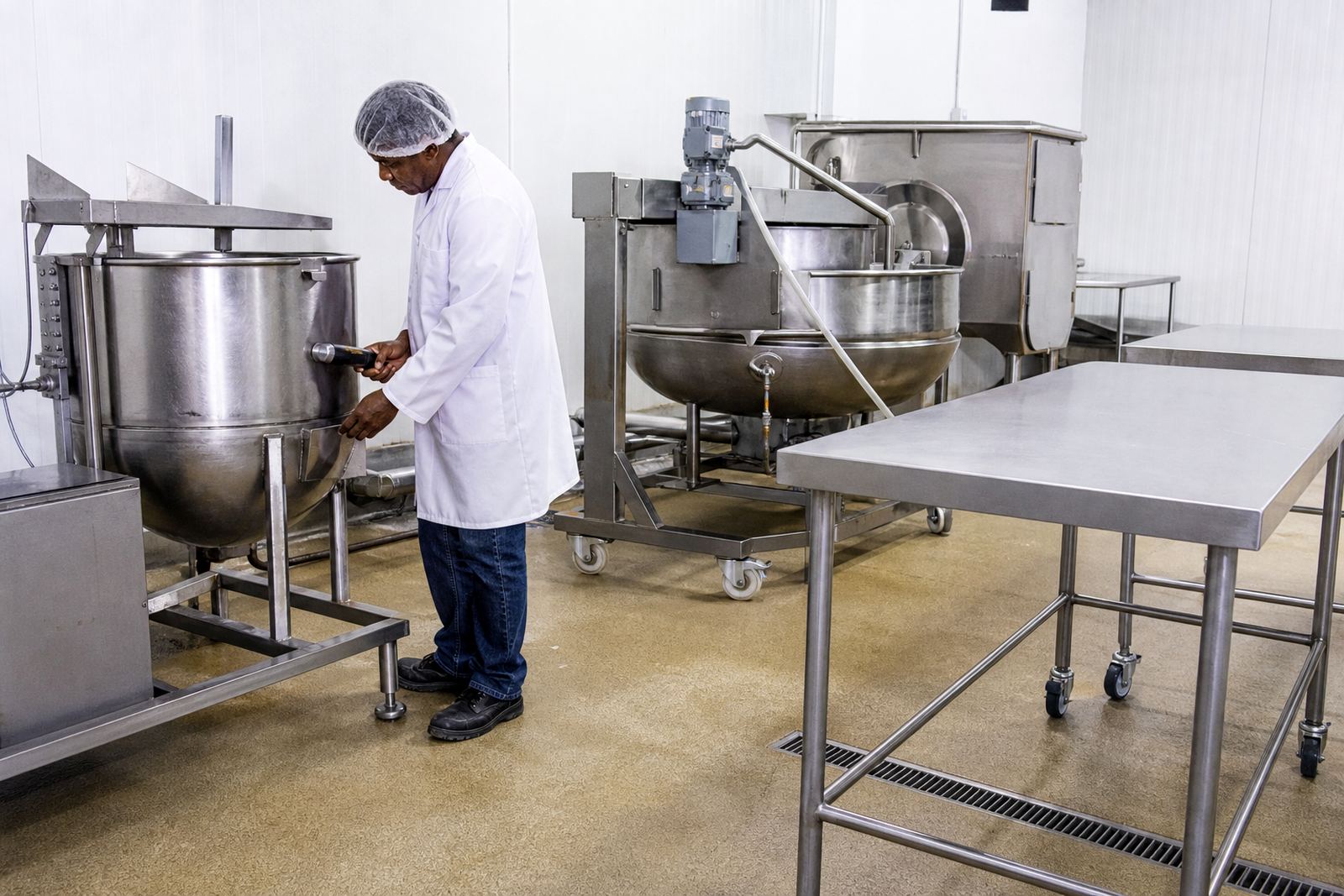
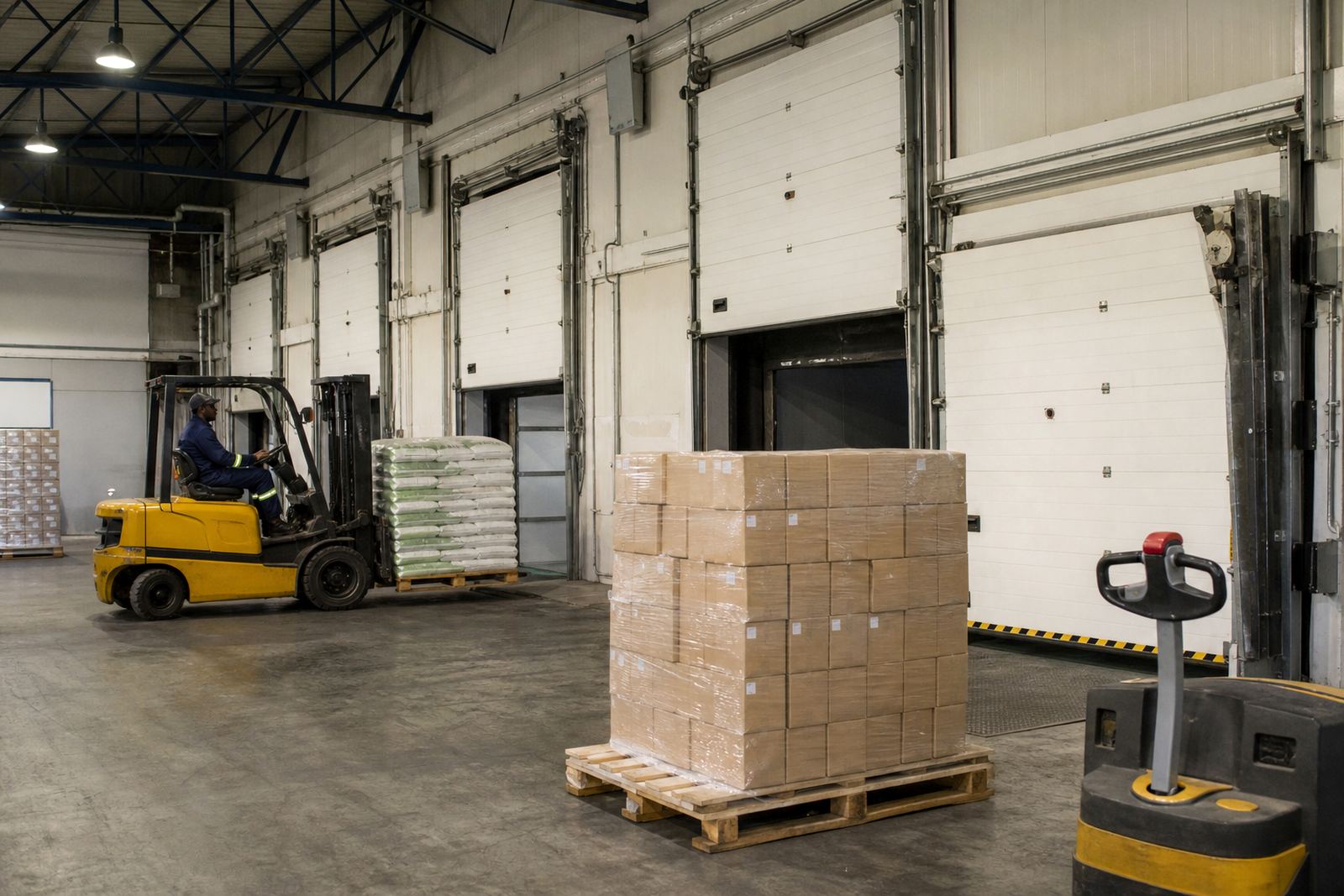
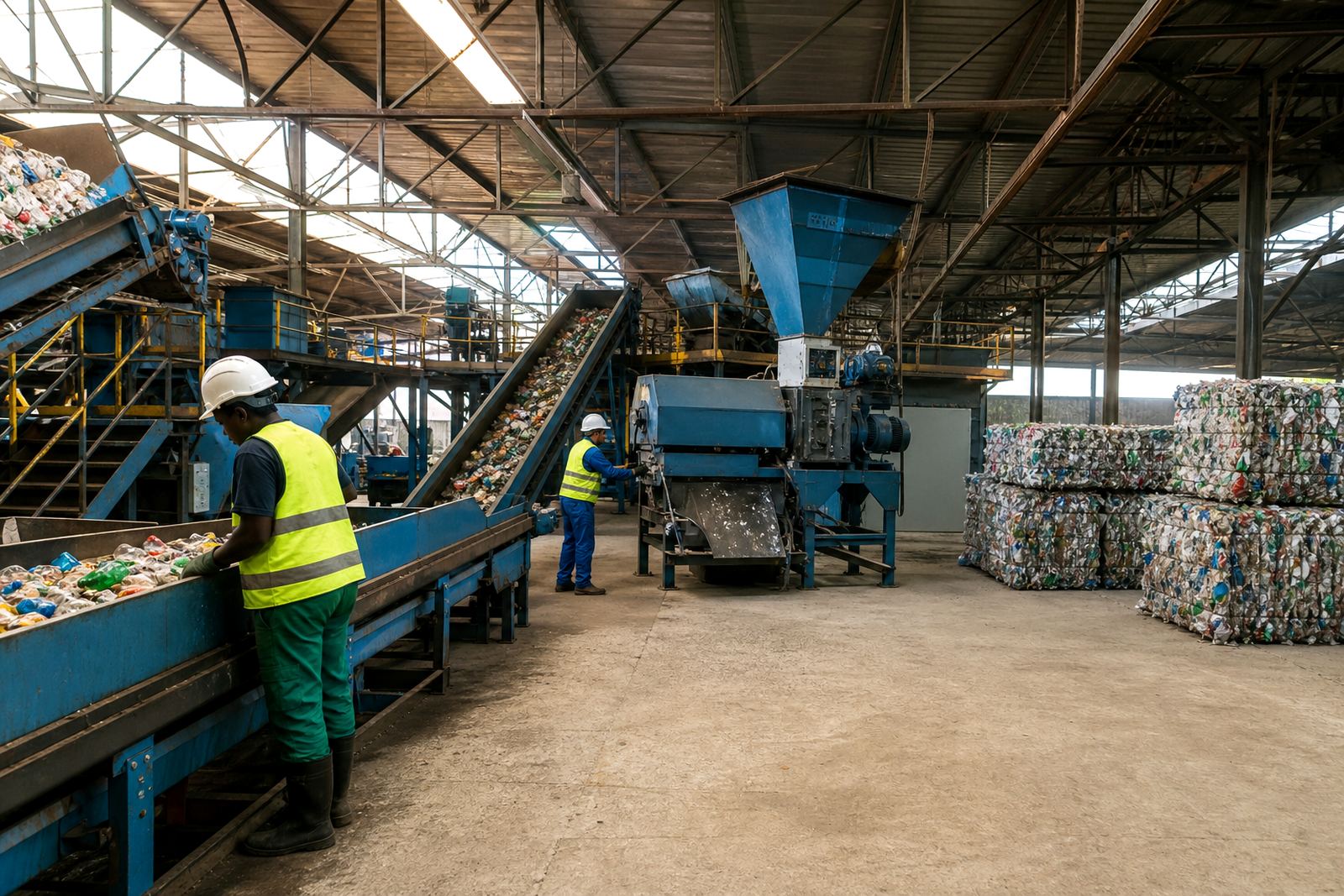
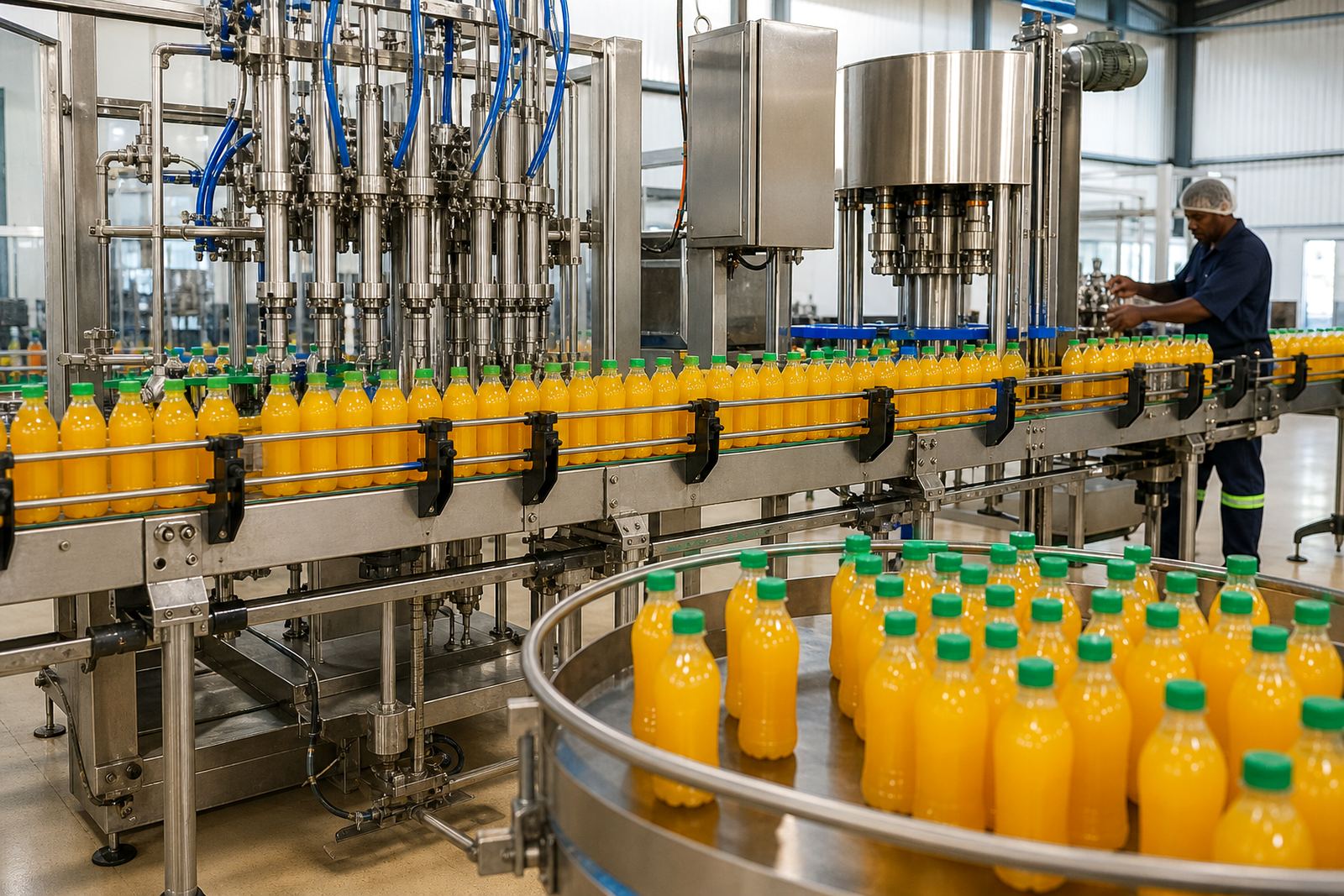
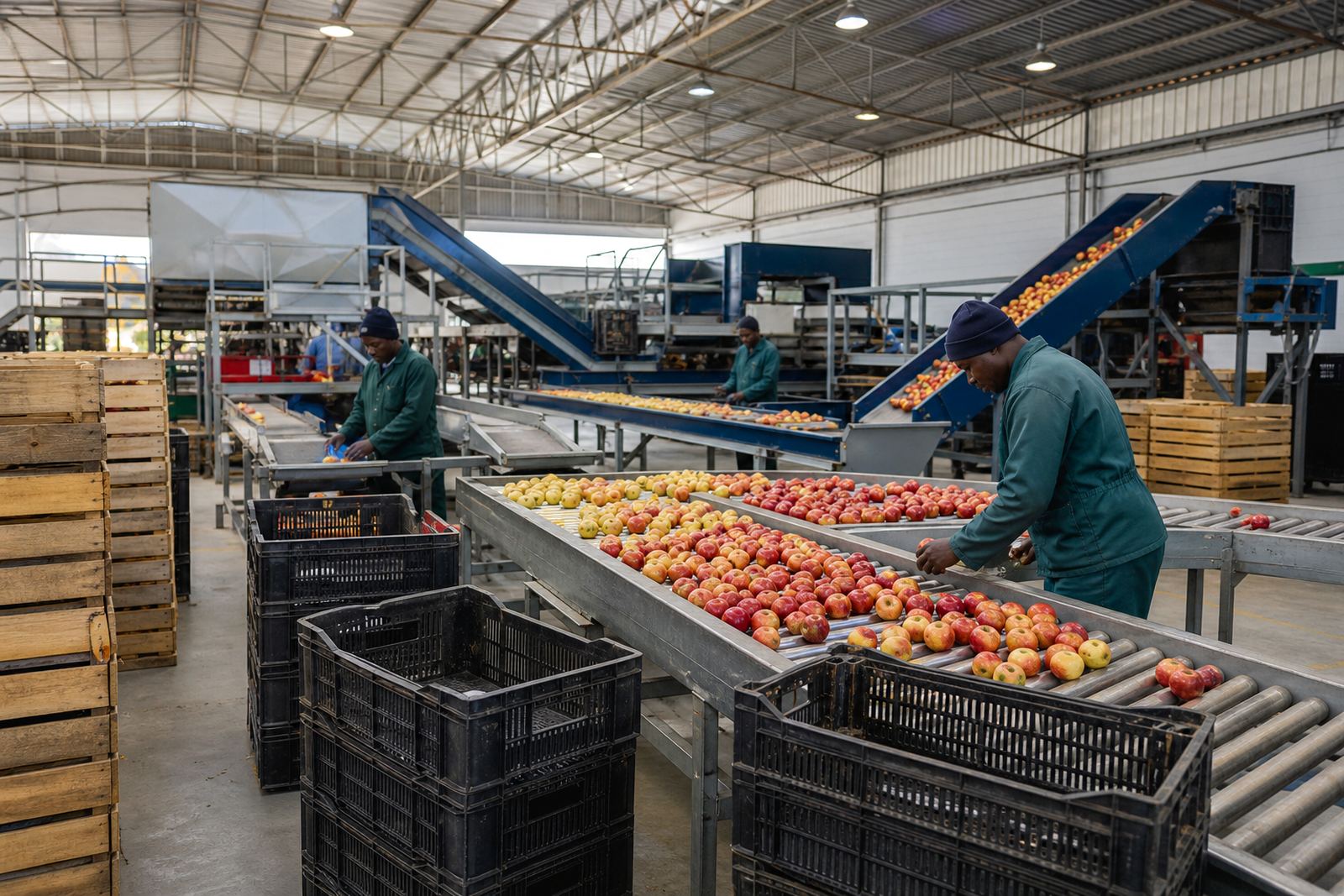
- Processing and handling assets such as mixers, conveyors and feed systems
- Utility plant such as boilers, chillers, tanks and extraction units
The condition of each item, the age, the maintenance records and the access for inspection all affect the valuation conversation. In some cases the key issue is not the machine itself but how it can be safely disconnected and moved off site.
How Preparation Changes the Result of a Disposal
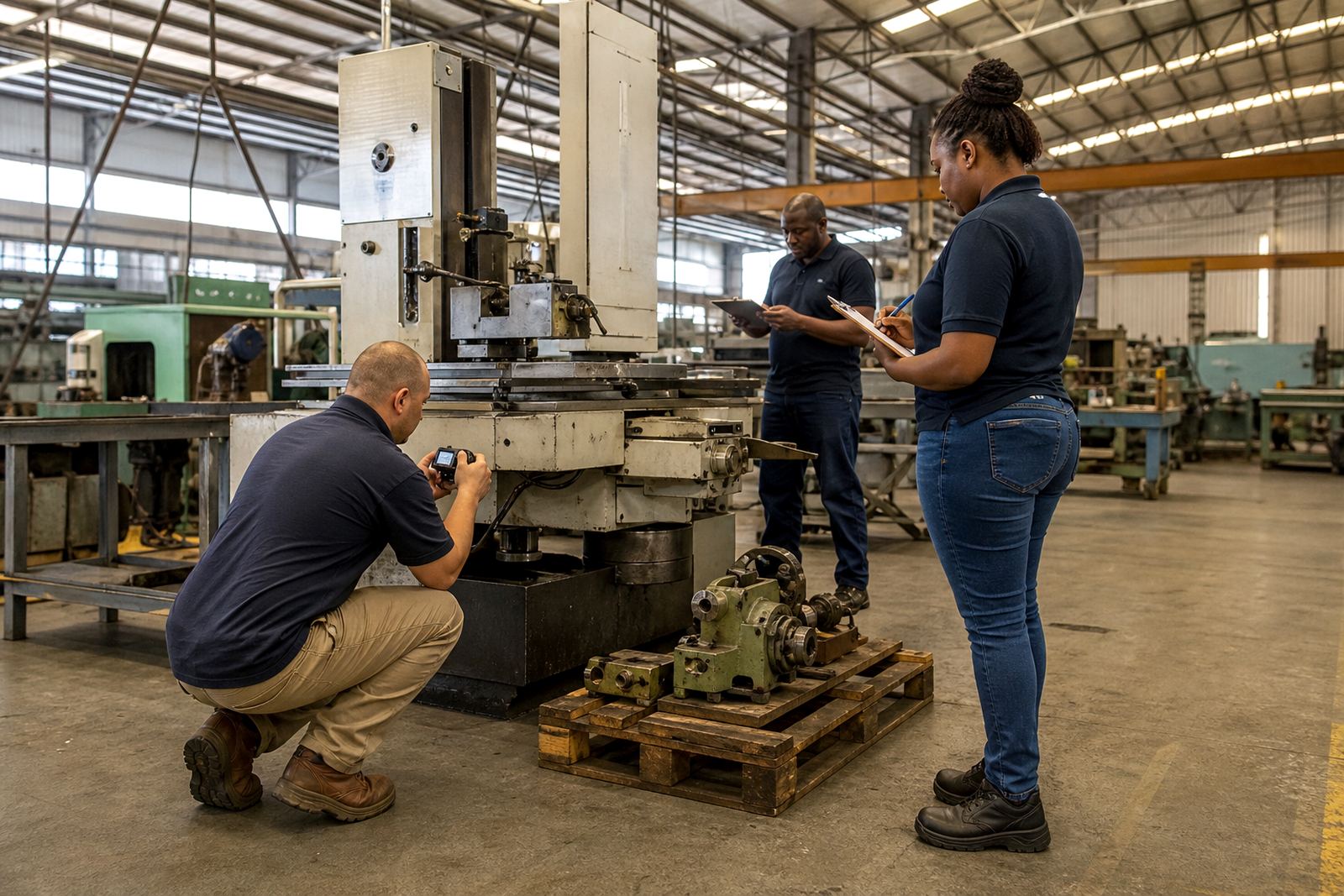
Good preparation makes a large difference to how smoothly a sale or auction process runs. A clean, accessible machine is easier to inspect, photograph and catalogue than one that is boxed in by pallets, scrap or spare parts. Even simple things like tag numbers, control panels and missing tooling should be recorded before the viewing day.
Our team usually looks at whether the site needs clearing, whether there are municipal or landlord rules to follow, and whether machinery can be isolated for safe inspection. In humid coastal areas, corrosion and salt exposure can be an issue; inland sites may have dust, heat and load-shedding related wear instead.
- Clear walkways and safe access points before inspection
- Record serial numbers, if available, and note any missing components
- Check for power isolation, fuel removal and stored pressure
- Set aside manuals, tooling and maintenance records where possible
What A Sale Story Usually Shows About The Process
A useful story does not just say that machinery was sold. It shows the sequence: initial enquiry, site visit, asset inspection, valuation, reserve guidance, catalogue preparation, viewing days, buyer enquiries, and then collection coordination or closure support. That sequence helps sellers understand where time is needed and where decisions must be made.
For buyers, the same story can show what to check before bidding, such as whether the machine is complete, whether removal is the buyer's responsibility, and whether the item is sold as seen. Not every asset needs the same level of handling, so the process is rarely one-size-fits-all.
Why These Stories Matter For Sellers And Buyers
Sellers use these summaries to get a sense of what a proper disposal plan looks like. Buyers use them to understand the kind of condition reports and viewing arrangements that are common in industrial auctions. Both groups benefit from clear, practical information rather than guesswork.
Machine Africa works from Kempton Park and assists clients across Johannesburg, Pretoria, Durban, Cape Town and Gqeberha, with spillover into Germiston and Midrand as well. Our team, led by Siyabonga Mthembu, handles valuations and auction planning with a focus on transparency and orderly process.
- On-site valuations for working plants and shut-down sites
- Lotting and cataloguing for single items or full lots
- Viewing days and buyer access arrangements
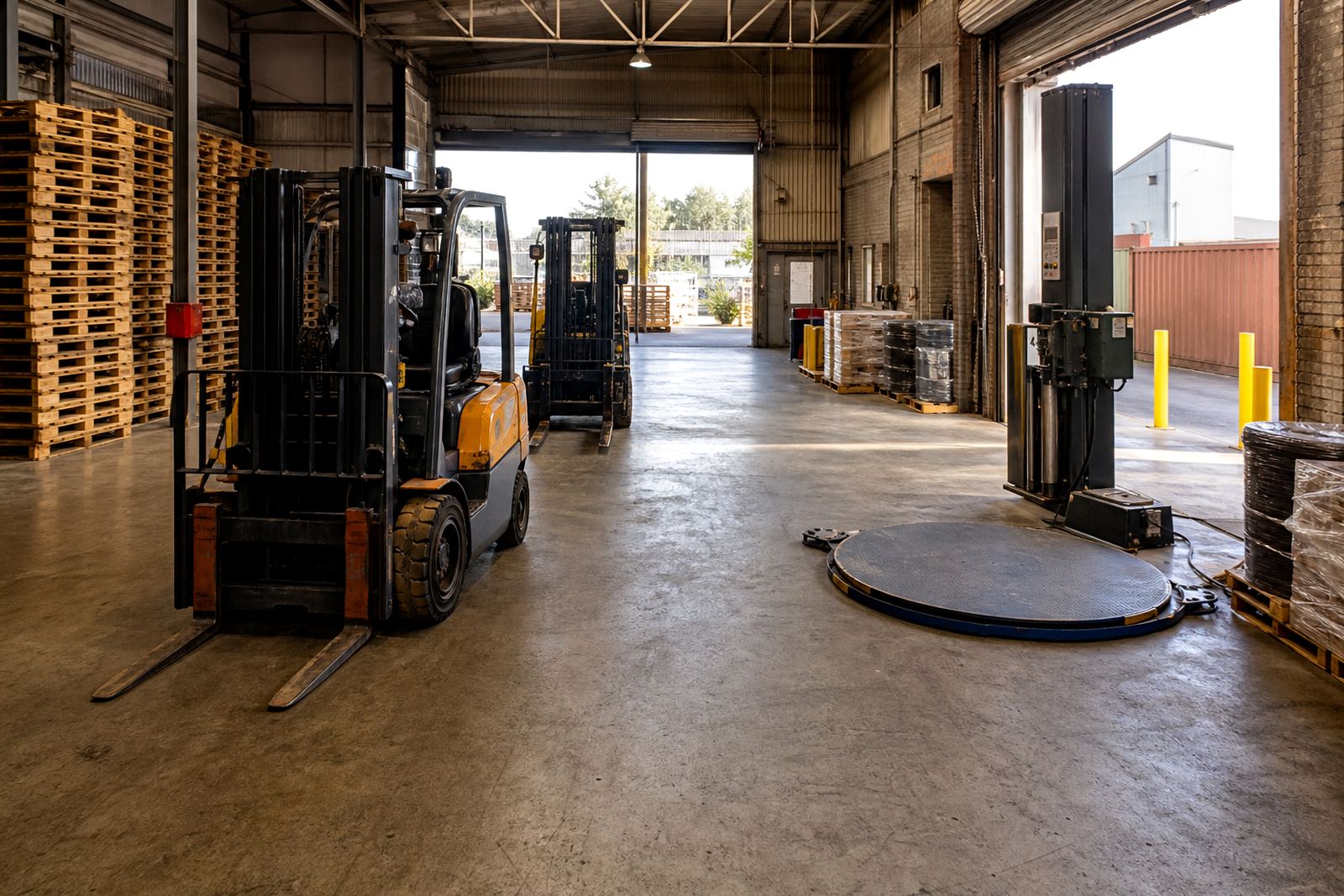
- Collection coordination and clearance support
Use the stories as a guide, then send an enquiry through the contact page when you want a site-specific discussion. From there, the next step is usually a visit or document review, depending on the equipment and the site conditions.