Why the serial plate is the first thing we check
When a machine comes up for valuation or auction preparation, the serial plate is often the first point of reference. It helps confirm what the machine actually is, not just what the owner believes it to be. That matters because the same type of equipment can have different motors, capacities, year ranges or control systems, and those differences affect how it should be described.
A proper serial plate check also helps separate complete units from incomplete ones. If a press brake, generator, lathe or compressor has had parts replaced over the years, the plate gives the catalogue team a starting point for matching the machine to the right category. In the used machinery market, that basic identification can save time and reduce arguments later on.
At Machine Africa, this step is part of the normal inspection flow for sellers across Kempton Park, Johannesburg, Pretoria, Durban, Cape Town and Gqeberha. It is not just paperwork. It is the link between the machine on the floor and the record that buyers will rely on.
What information a plate should show
A good serial plate usually carries several details that help with cataloguing. Not every plate is complete, and some older machines have plates that are worn, painted over or partly missing. Still, when the plate is readable it can provide enough detail to support a clean listing and a sensible valuation opinion.
Common details include the maker’s identity, model designation, serial number, rated power, voltage, capacity, year of manufacture and sometimes the place of origin. On heavier equipment, you may also find weight, hydraulic pressure, drum size or other technical notes. If the plate is on a motor, gearbox or control panel, it can be just as important as the main machine plate.
- Model and serial number for correct identification
- Power and electrical rating for site compatibility
- Capacity or size for production planning
- Build year or production code where visible
- Additional component plates for motors, pumps or compressors
For auction cataloguing, these details are not decoration. They are the facts that support an honest description. If a plate says one thing and the machine shows something else, that difference must be noted before the lot goes live. It saves a lot of trouble later on, especialy when buyers inspect in person.
How missing or damaged plates affect value opinions
A missing serial plate does not automatically make a machine unsellable, but it does make the job harder. Without identity details, a valuer may need to rely on physical inspection, dimensions, component comparison and any surviving records from the seller. That takes longer and the opinion of value may need to be more cautious.
It is important to be clear here: a valuation is an informed opinion of value, not a guarantee of sale price. The market still decides the final result, and that can change depending on buyer demand, condition, access, transport and timing. A plate helps narrow the gap between what the seller expects and what the market can support.
When the plate is damaged, there are practical steps that help:
- Take clear photos from several angles in good light
- Record any stamped numbers on the frame or housing
- Keep manuals, service cards or past inspection notes together
- Do not scrub off faded markings before a check is done
- Flag any uncertainty before the lot is catalogued
If a plate appears altered or unreadable, that must be treated carefully. A buyer needs to know exactly what is known and what is not known. Straight answers are better than assumptions, especially in a market where freight to Durban, export enquiries in Cape Town or inland collection from Midrand can all depend on the machine being correctly identified.
The cataloguing process starts on site
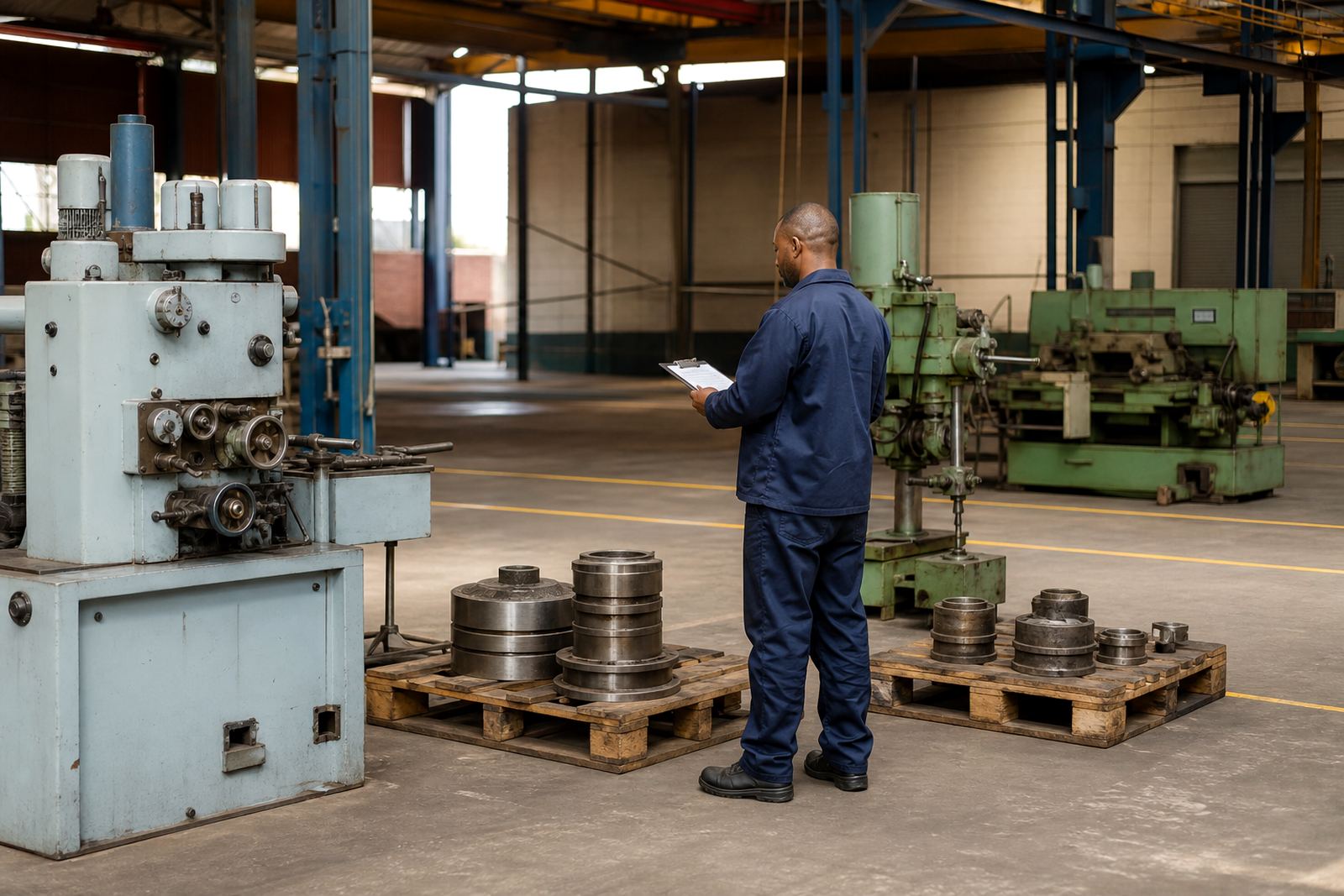
Serial plate checks work best when they are done on site before the machinery is moved. That allows the team to see the machine in its operating setting, check for matching labels on components and note any modifications. It also helps with viewing day planning, because the catalogue can reflect the actual condition of the unit as it stands.
For example, a machining centre in Germiston may have a clear main plate but a separate electrical plate inside the panel door. A generator in Pretoria may show a model code on the canopy and a different identification on the alternator housing. A compressor in Durban may have a faded plate due to humidity and coastal corrosion. These small details matter because they change how the machine is described and how buyers assess it.
During this stage, the following are usually checked:
- Main machine plate and any secondary plates
- Matching serials on frames, engines or control units
- Signs of removal, repainting or tampering
- Legibility for catalogue photos and listing notes
Good cataloguing is not about making a machine sound better than it is. It is about recording the facts clearly enough that a buyer in Johannesburg or Gqeberha can make a sensible decision before travelling to view or bidding at auction.
Why serial checks matter for sellers and buyers
Sellers benefit because clean identification supports better presentation. When a lot is clearly described, fewer questions need answering during the sale process and the buyer is less likely to feel uncertain. That can be particularly useful where several similar machines are being offered from one plant, because the plate helps keep each unit separate and properly listed.
Buyers benefit because serial details help them compare units fairly. They can check age, component compatibility and whether replacement parts are still likely to be available. They can also verify that a machine matches the viewing notes, which is important when they are planning transport, power supply or installation at their own site.
In South Africa, this becomes even more practical when machines are moving between towns and provinces. A buyer in Cape Town may need to know whether a machine fits a 380V supply. A buyer in Pretoria may want to confirm the exact table size before arranging space on site. A buyer in Durban may be dealing with moisture exposure, so service and condition history becomes part of the decision. The serial plate is often where that trail begins.
A Kempton Park example from the floor
At the Kempton Park base, a mixed batch of used workshop machinery once came in with three similar metalworking units that looked nearly identical at first glance. One had a clear plate and complete support records. One had a paint-covered plate that needed careful cleaning before the number could be read. The third had no visible plate at all, only a stamped frame number and an old service sticker. That small difference changed how each unit was described and what supporting notes were added to the catalogue.
Because the identification was handled properly, the lotting process stayed organised and the viewing day ran smoothly. Prospective buyers could see which machine had complete details and which one carried more uncertainty. Nobody was left guessing, and the seller knew exactly where each item stood. That is the value of doing the basics well, even when the machines themselves are heavy, dusty and awkward to move.
For our team, this work sits alongside auction planning, reserve guidance, photo listing prep and closure support. It is not flashy, but it is the sort of practical step that keeps the whole process honest and efficient.
What to prepare before a valuation or auction
If you are preparing machinery for valuation or sale, a bit of groundwork helps a great deal. Try to gather any records that may support the serial plate details and keep them with the machine list. Even partial documents can help the valuer compare the plate to the physical equipment and reduce avoidable questions later on.
Before the appointment, it helps to do the following:
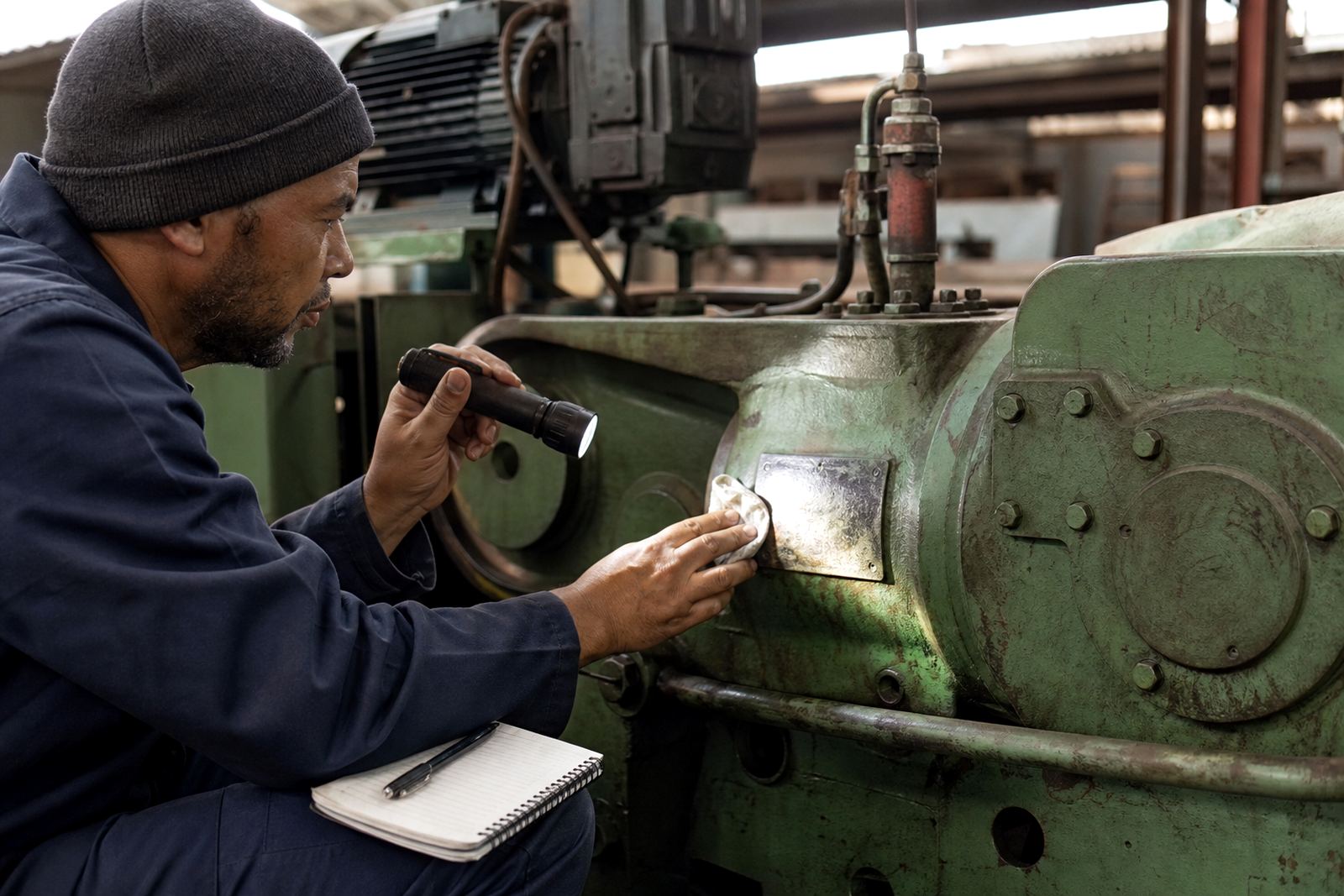
- Wipe the plate gently so the numbers are visible
- Do not repaint over identification marks
- Keep manuals, logbooks and service notes together
- Separate machines with similar models if possible
- Point out any missing or suspicious labels upfront
That approach saves time for everyone. It also helps when the site has load-shedding interruptions, limited lighting or a tight collection window. Clear identification means fewer hold-ups and better records for the sale file.
Serial plate checks may seem small, but they are one of the most useful parts of machinery cataloguing. When the identity is right, the rest of the process is easier to manage.