What warehouse equipment sales need from the start
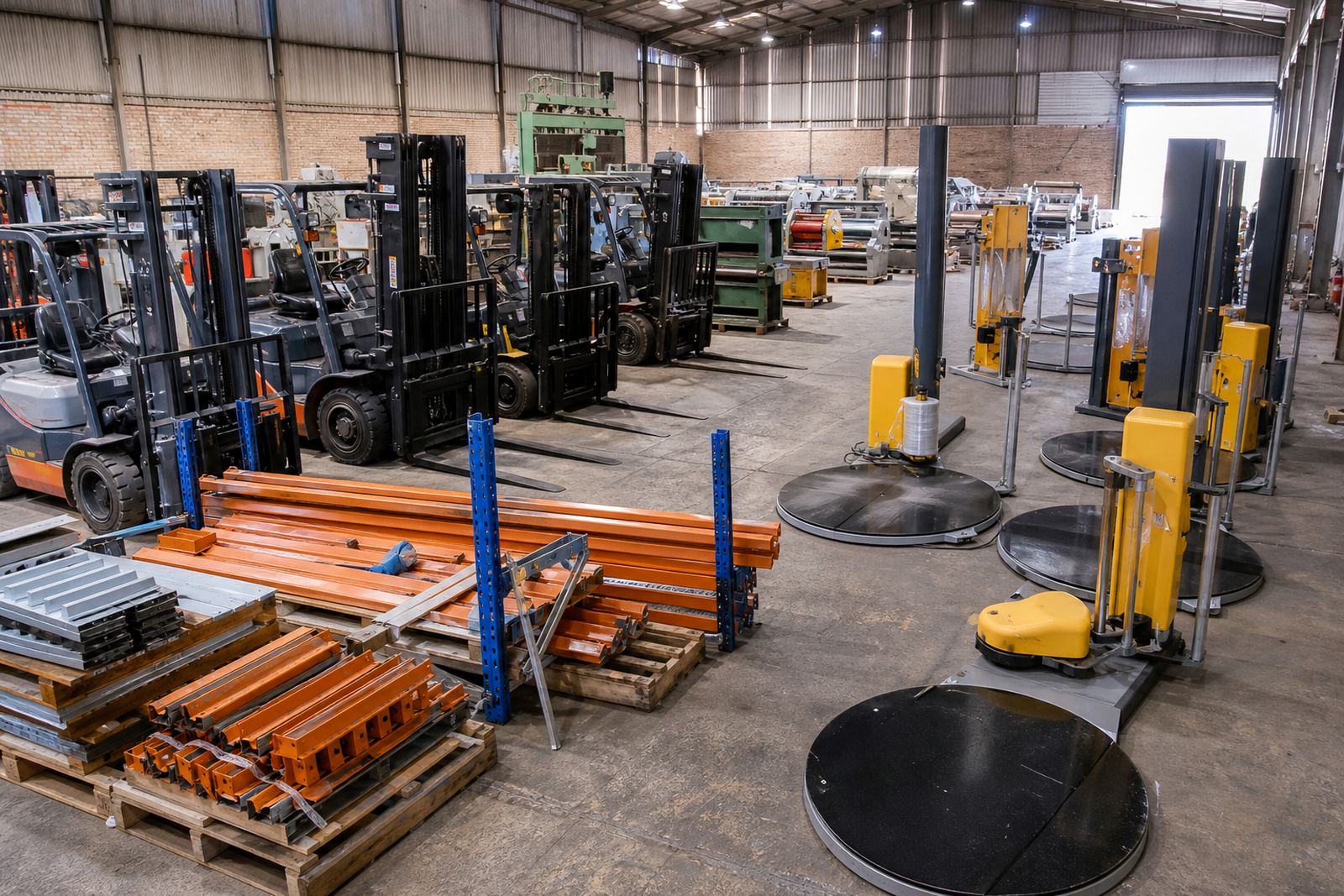
Warehouse equipment is usually sold in mixed groups, from pallet racking and forklifts to stretch wrap units, trolleys, shelving, scales and loading bay gear. The first step is separating what is fit for continued use, what needs repair, and what should be removed as scrap or for parts. That sorting matters because buyers want to see condition, capacity, age and whether an item still matches current warehouse needs.
A proper sales process begins with an on-site look at the equipment in its working environment. In Kempton Park, where many stores and distribution yards run through power interruptions and tight dispatch windows, this also means checking how items were operated day to day. A valuer will note wear, missing parts, service marks, safety fittings and signs of coastal humidity if stock came from Durban or Gqeberha. The aim is to form an opinion of value, not promise a final sale price.
For sellers, that early assessment helps decide whether to offer assets as a grouped lot, in separte lots, or as individual items. It also helps reduce confusion when buyers compare similar but not identical machines and fittings.
Why clear grouping helps buyers make better decisions
Buyers do better when warehouse equipment is grouped in a way that reflects how it will be used. Racking should be described by bay size, height, load rating and condition. Handling gear should state lifting capacity, power source and any visible faults. Loose items such as ladders, bins, rollers and packing stations can be grouped together if they form a practical lot.
Clear grouping makes review easier for both small operators and larger logistics users. A buyer in Pretoria might only need a few bays of shelving for overflow stock, while a regional distributor in Johannesburg may want a full yard of mixed assets for a second site. When the lots are organised properly, comparison is simpler and the viewing day runs more smoothly.
- Group similar assets together where possible, such as racking, handling gear, and packing equipment
- State dimensions, working condition, visible damage and any missing components
- Separate high value items from general warehouse sundries so each can be assessed on its own merits
- Note whether disassembly, collection or clearance will be required before removal
Valuations for warehouse assets are opinion based
A valuation is a professional opinion of value based on condition, age, utility, market demand and the setting in which the items will be sold. It is not a guarantee of sale price. For warehouse equipment, the same rack system or pallet mover can fetch very different interest depending on quantity, location, ease of removal and buyer demand on the day.
That is why sellers across Germiston, Midrand and Johannesburg should not rely on old book values alone. A warehouse with good floor condition and easy loading access may attract more interest than one with narrow passages, low lighting or restricted collection times. If the site has municipal compliance issues, blocked access routes or safety concerns, those factors may affect buyer interest too.
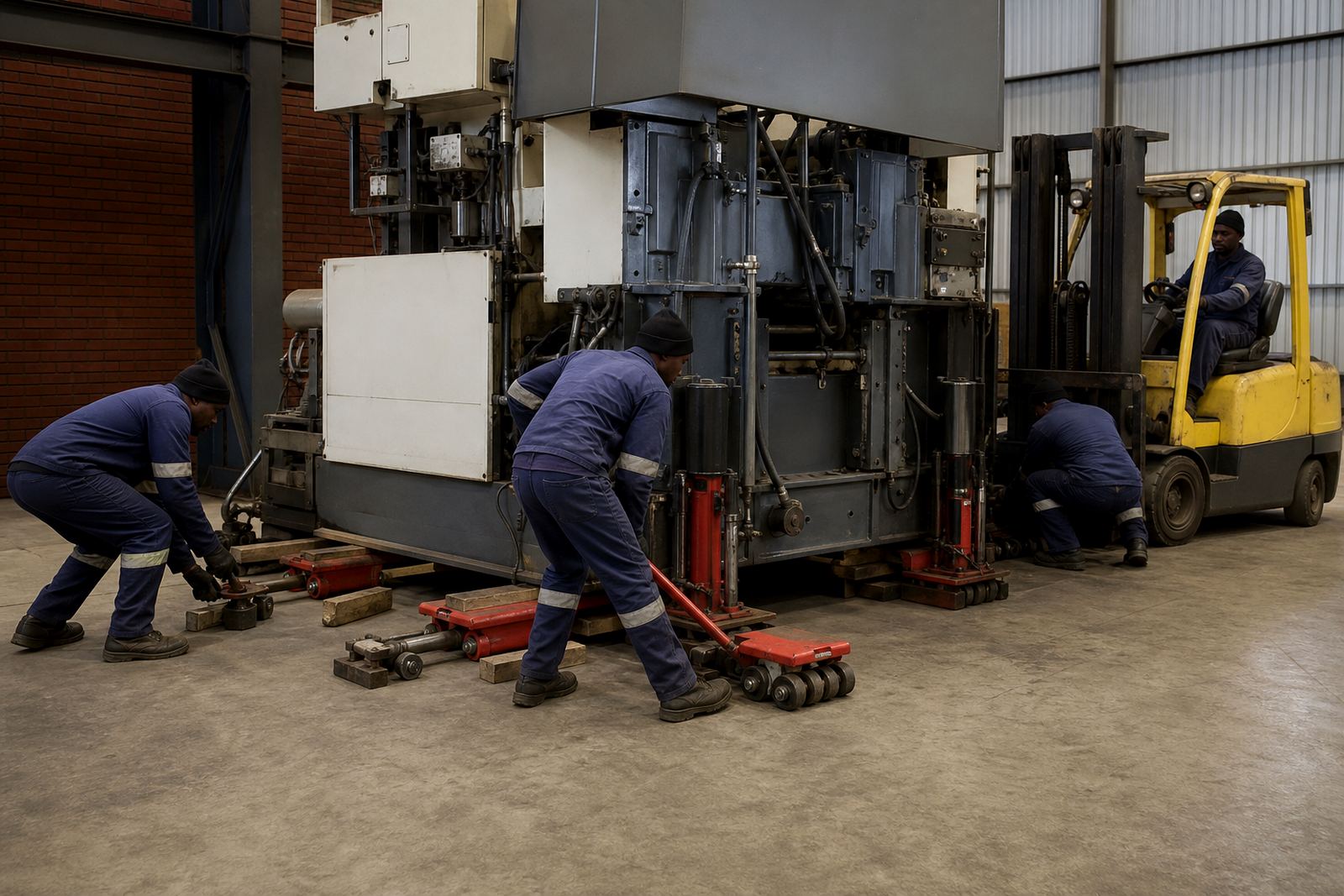
Experienced valuers look at practical matters such as whether the equipment can be moved without major stripping, whether forklifts or lifting gear are needed, and whether power-dependent items have been tested. This is especially important for equipment that sat unused during load-shedding periods, because idle machinery can look sound but still need checks before resale.
Auction planning that keeps warehouse stock orderly
Once the assets are assessed, the next step is planning how they will be sold. Auction planning covers the sale method, lot sequence, reserve guidance where needed, and the way the items are shown to the market. Good planning helps buyers review the full range without confusion, and it gives sellers a cleaner path from listing to final removal.
For warehouse stock, lotting and cataloguing need to be practical. A clear catalogue should show each item or lot with a simple description, photos, and where necessary the measurements or capacities. Photo listing prep is more important than many sellers expect because buyers often decide whether to inspect based on the first images they see.
- Do an asset inspection before the sale is advertised
- Prepare lots by category and access order
- Set viewing days so buyers can check condition for themselves
- Plan collection coordination early, especially for bulky racking or heavy equipment
- Keep closure support in place until all sold items are removed
What buyers should check before they bid
Buyers should treat warehouse equipment sales with the same care they would give a site inspection for any second hand industrial asset. A rack may look straight but still have bent uprights or missing anchors. A handling unit may start up but still need battery work or hydraulic attention. Even simple packing stations can have hidden issues if drawers, wheels or rollers are worn.
At viewing days, buyers should confirm dimensions against the available floor space, check whether the item can be installed under the site roof height, and ask how it will be collected. If the equipment is going to Durban or Cape Town, transport and disassembly become part of the real cost. Buyers should also check whether the machine or fitting suits local warehouse rules and the intended use, especially where fire exits, aisle widths or stack heights matter.
In practice, the most useful question is not whether an item is presentable, but whether it will work in your operation without causing delays. That practical view protects both small buyers and large depot teams.
A Kempton Park example of practical warehouse sales
In Kempton Park, a distribution business may decide to clear older warehouse fittings before moving to a smaller site near the airport corridor. The equipment could include racking, pallet jacks, trolleys, work tables and a few packing units. If the seller wants speed, the assets can be grouped for sale in a way that allows buyers to see the whole yard, choose by lot, and arrange collection in an orderly sequence.
That kind of sale works best when the catalogue is accurate and the site team knows how each item will leave the premises. Johan Botha may coordinate access for removal, while Lerato Nkosi prepares the photo record and lot descriptions. Naledi Khumalo can manage the auction schedule, and Pieter van der Merwe can confirm the value opinion based on condition and current market interest. It is practical work, not flashy work, but it keeps the process moving.
For sellers in Johannesburg, Pretoria, Durban, Cape Town and Gqeberha, the same approach applies. Clear grouping, honest descriptions and controlled viewing give buyers confidence and reduce unnecessary back and forth.
Why sellers use a structured sale process
Sellers often start by wanting to clear space, but the better outcome usually comes from a structured sale plan. A well managed sale can help a business recover value from idle assets, free up floor space and close out old warehouse stock in a tidy way. It also reduces the risk of mixed messages about what is included, what is removed and what remains on site.
Machine Africa supports that process with on-site valuations, auction planning, seller representation, plant appraisals and closure support. The focus stays on transparency, efficient handling and clear buyer review. For a business with warehouse stock in Midrand, Germiston or further afield, that means one practical route from inspection to sale and collection.
If warehouse equipment needs to be grouped for a proper sale, the right approach is simple: assess it, sort it, describe it clearly and let the market review it on fair terms. That is how serious buyers work, and it is how sellers protect value.