Why weight and dimensions must be checked before collection
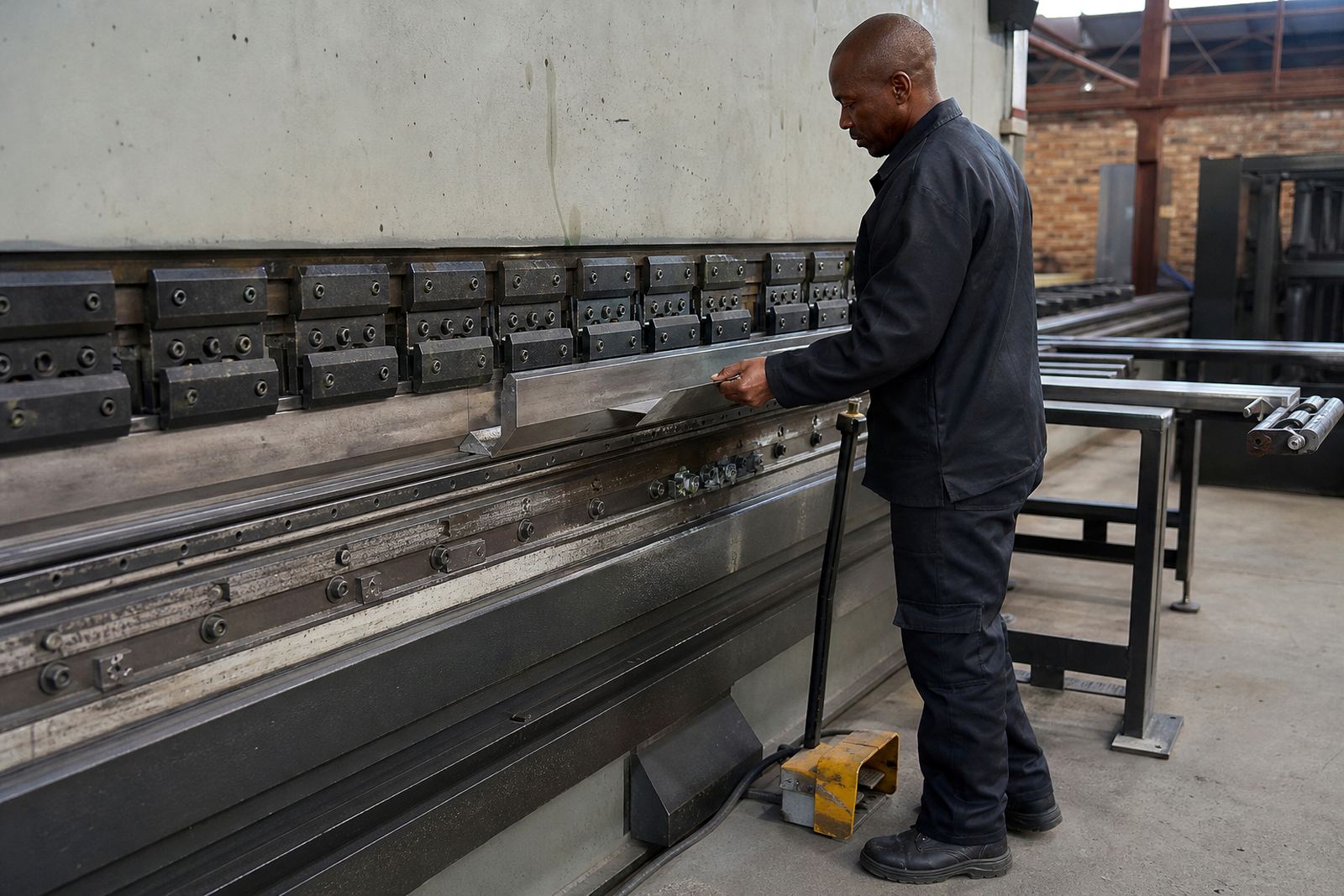
A used press, lathe, generator, compressor or CNC unit can look manageable on paper, then turn out to be far heavier than the truck or loading bay can handle. The first step is to confirm the machine's approximate weight, footprint and height, then compare that to the access at both ends of the move. On many sites, the issue is not the machine itself but the route in and out of the building.
In valuation and auction work, those measurements are part of practical planning because the buyer needs more than a lot number. They need to know whether the machine can pass through a 2.4 metre roller shutter, whether the slab can take the point load, and whether there is enough headroom for a crane or forklift mast. If the machine has attachments, guards or a separate control cabinet, those should be counted too.
- Confirm approximate weight, length, width and height before collection
- Check whether the machine must be dismantled in sections
- Measure doors, passages, ramps and turning circles at both sites
- Allow for pallets, skids, lifting beams and packing material
Route planning starts at the gate, not the highway
For a local move in Kempton Park, the route can be simpler than a cross country haul, but it still needs attention. A buyer collecting from a factory near Spartan may have to deal with tight industrial streets, low overhead cables, parked trucks and limited loading space. A move from Gauteng to Durban or Cape Town brings a different set of concerns, including bridge height, weight limits and the safest rest points for the driver.
It is worth checking whether a route needs municipal or traffic authority approval for abnormal loads. Even when the machine can travel on a standard flatbed, the collection may still require a permit if the load exceeds normal height or width. That should be arranged before the truck arrives, because waiting on the kerb while paperwork is sorted can lead to delays and extra handling risk.
- Map the route from the collection site to the destination
- Check bridge heights, road works and local access restrictions
- Confirm whether the load needs permits or escort support
- Plan for night collections only if the site and road conditions allow it
What can go wrong during loading and why it is avoidable
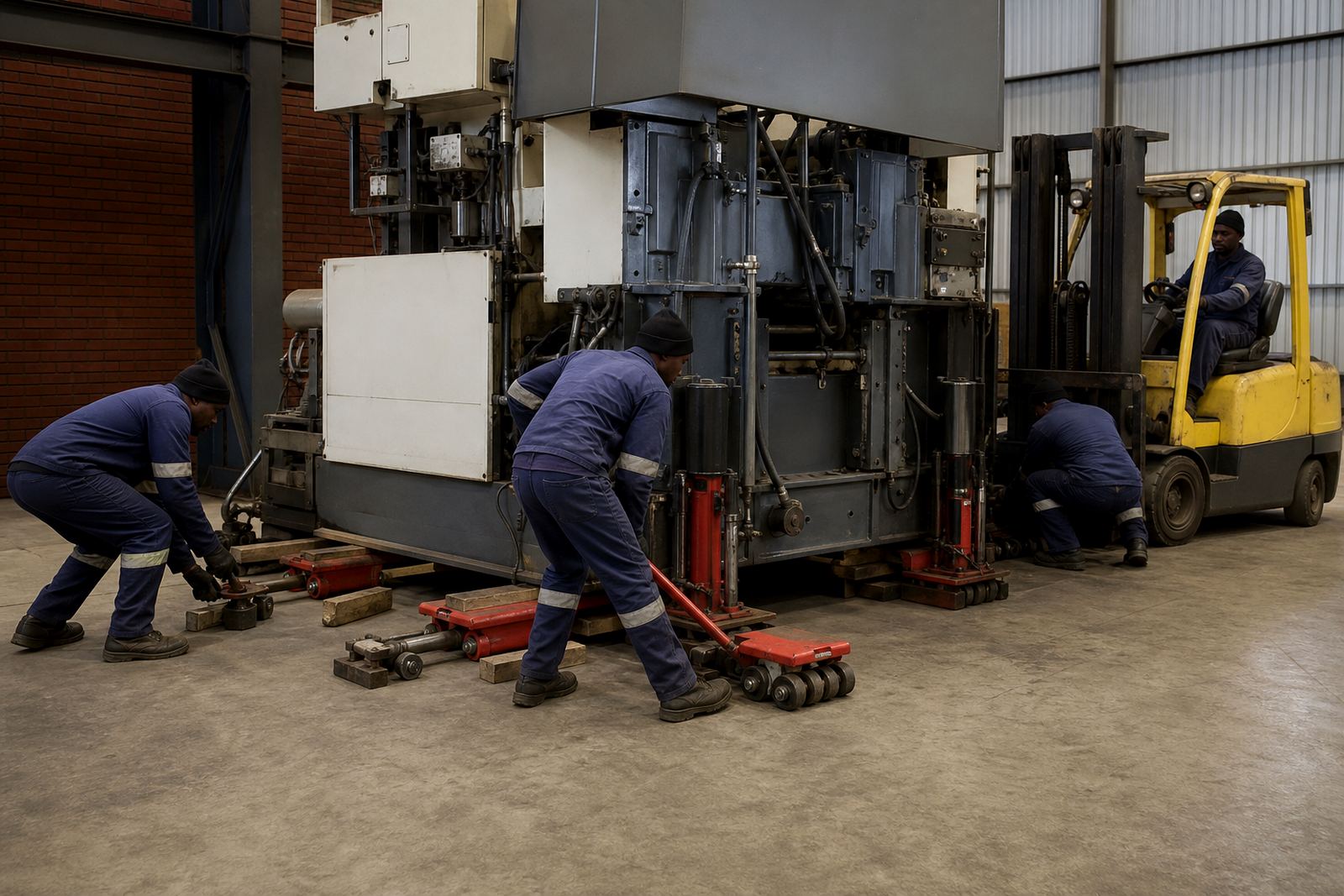
Most problems happen when the moving team arrives without enough lifting equipment, or when the site layout was guessed rather than inspected. A machine that cannot roll freely may need skates, jacks, a telehandler or a crane. If the floor is uneven, oil stained or cracked, the load can shift under pressure. In older buildings, the loading bay may not be level with the truck bed, which means extra packing and careful hand signal coordination.
Power supply is another issue. In South Africa, load-shedding can interrupt a lift, especially where doors, hoists or overhead cranes depend on electricity. A buyer should ask how the machine will be isolated, what happens if power drops mid move, and whether batteries, hydraulics or stored pressure need to be released before transport. These details sound small, but they prevent damage and keep the crew safe.
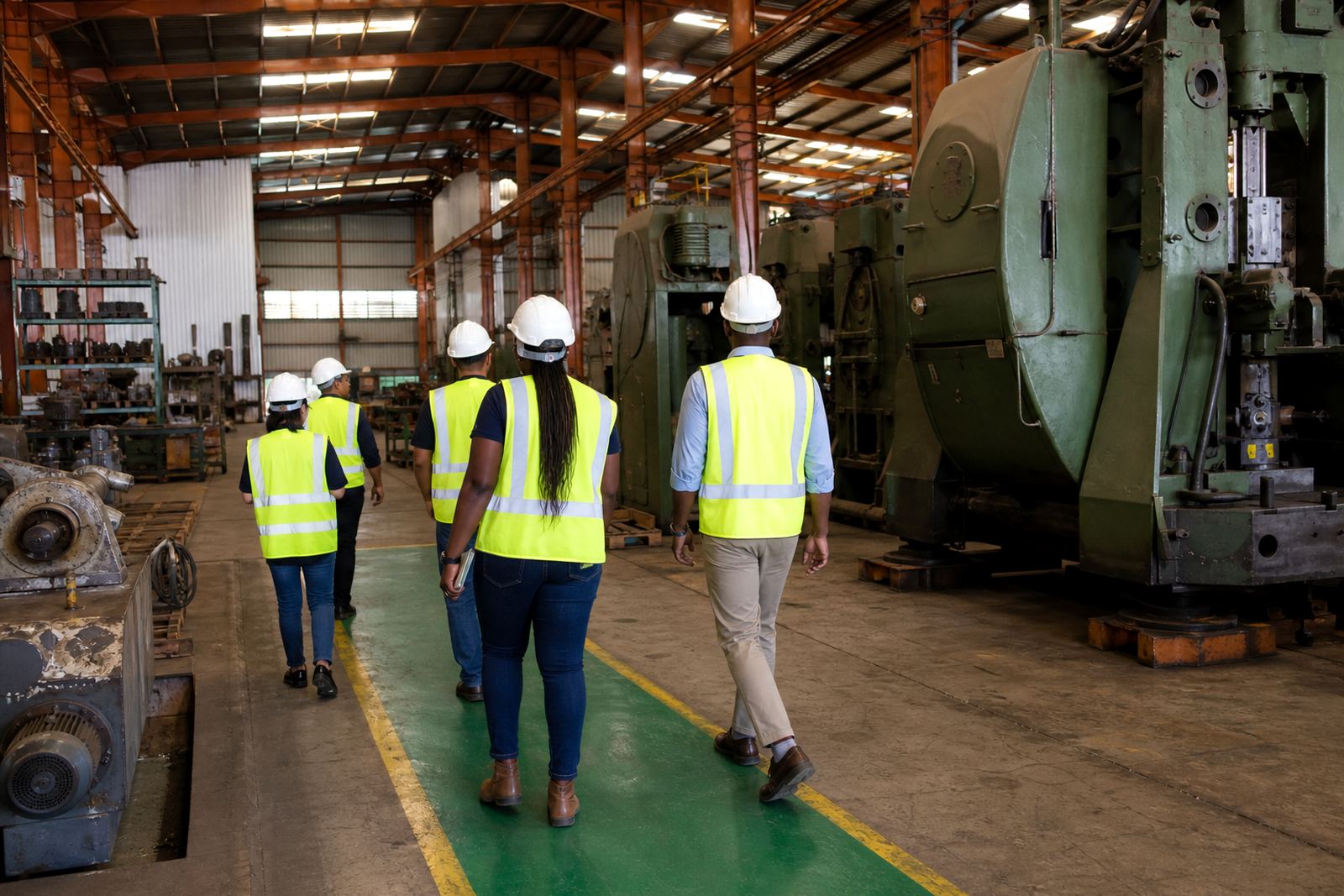
A practical site walk is often the best way to pick up the problems that are not visible in photographs. A valuer or auction coordinator may note clearance around the machine, but the buyer still needs a mover who can judge the final lift plan on the day.
Local example: moving a machine from Kempton Park to Durban
Take a buyer who wins a processing line in Kempton Park and needs it in Durban. The machine may have been inspected and catalogued properly, but the move still needs a clear sequence. First, the buyer confirms the final collection date, then arranges lifting gear sized to the weight and the available access. After that, the mover checks whether the machine must be palletised, wrapped, drained or bolted to a skid for the trip.
Because the route crosses several provinces, the transport plan also has to allow for fuel stops, driver hours and weather. Coastal humidity in Durban can affect exposed steel if the machine is left uncovered too long, so the unloading plan should be ready before the truck arrives. If the machine is heading into a workshop near the harbour or in an older industrial area, access roads and turning space should be checked again, not assumed.
That is why moving heavy machines is never just about transport. It is a sequence of checks from the yard in Kempton Park to the final siting point at the new premises, and each step has to line up.
Documents, condition notes and handover checks
Before any machine leaves site, the buyer should have a clear record of what was purchased and in what condition it was collected. This is useful for both the seller and buyer, because it reduces later disputes about missing parts, broken guards or transport damage. A simple handover note, with photos taken at collection, can make a big difference.
Useful records usually include the lot number, serial details where available, the general condition on the day, and any parts that were removed for transport. If a machine was described as incomplete, that should be noted again at handover. The mover may also record whether the item was loaded upright, on its side or dismantled into sections.
- Keep a copy of the purchase confirmation and collection instructions
- Take clear photos before and after loading
- Note missing cables, covers, tooling or control parts
- Record any damage noticed before the truck leaves the site
How sellers can make collection easier
Sellers help themselves when they prepare the site properly before the collection team arrives. That means clearing nearby stock, making sure someone is present to open gates, and identifying any hazards such as pits, loose cabling or slippery floors. If a machine is tied into compressed air, water or electrical supply, those connections should be isolated in advance by a competent person.
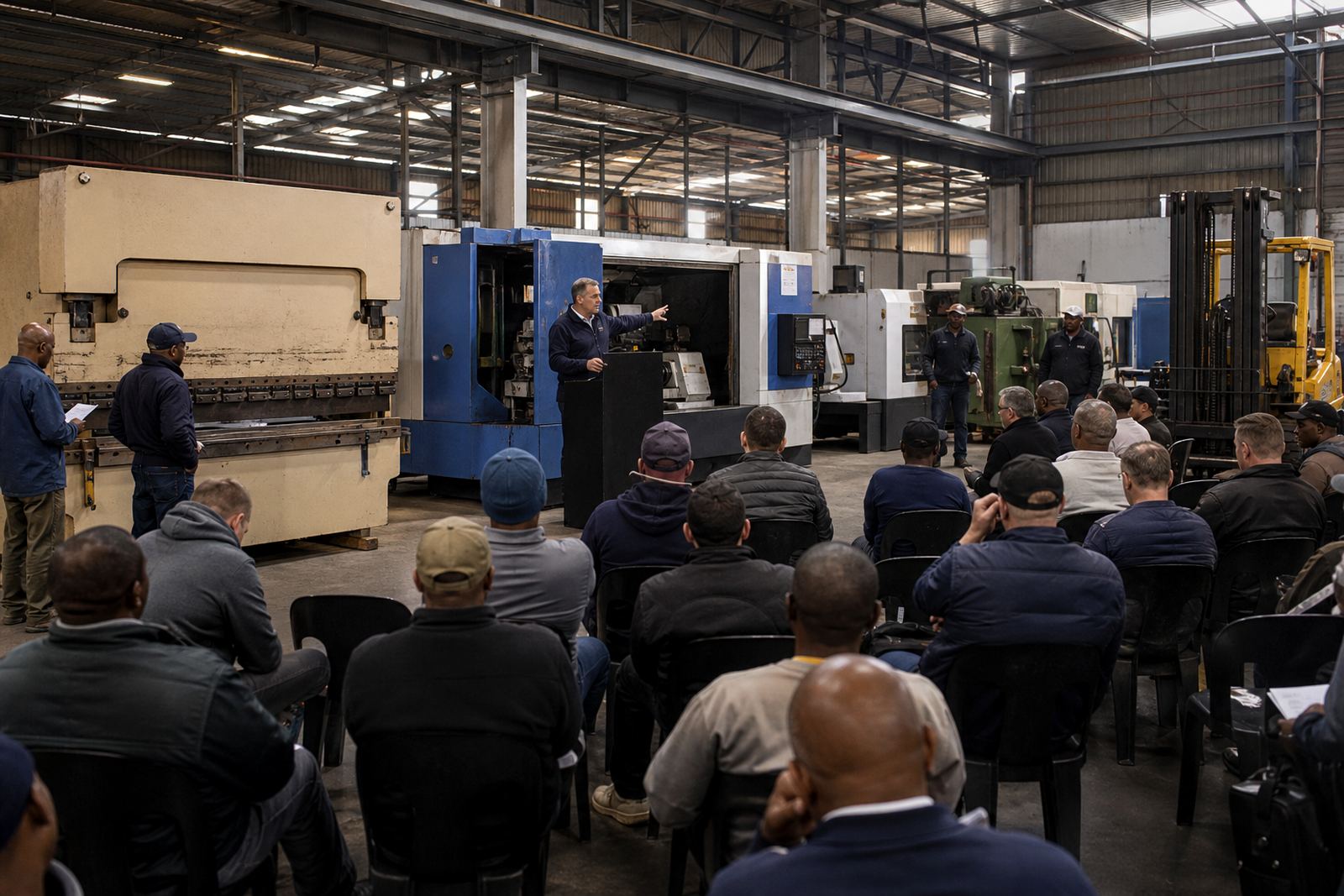
Good planning also helps with clearance sales and site closures, where several machines may be moving out in stages. When lots are grouped sensibly and access routes are marked, the collection team can work faster and with less risk. In busy industrial areas such as Midrand, Germiston or Johannesburg South, that matters because loading windows are often short and there may be neighbours, security controls or landlord rules to work around.
From our side, the aim is always the same: keep the process clean, accurate and practical so that the machine can leave site without unnecessary hold ups.
The buyer's final check before transport leaves
Before the driver pulls out, the buyer should check that the machine matches the lot purchased, that the key parts are loaded, and that the route to the destination is still workable. It is worth confirming who is receiving the machine at the other end, because missed collection slots can lead to storage problems or offloading delays. If the item is going into a coastal environment, ask how it will be protected from moisture during transit and on arrival.
A measured approach saves money and hassle. Weight, access and route planning are not paperwork extras, they are part of getting value out of a used machine buy. When they are handled properly, the auction purchase can move from sale to service with far less risk and a lot less stress.