Why access matters before a machine is lifted
A machinery disposal plan starts long before the auction date. The same press, compressor or packaging line can be straightforward to remove from a factory floor in Midrand and difficult to extract from a tight workshop in central Johannesburg with low beams, shared driveways or limited turning space. Site access affects the time, equipment and labour needed, so it is part of the practical picture when a valuer assesses a machine.
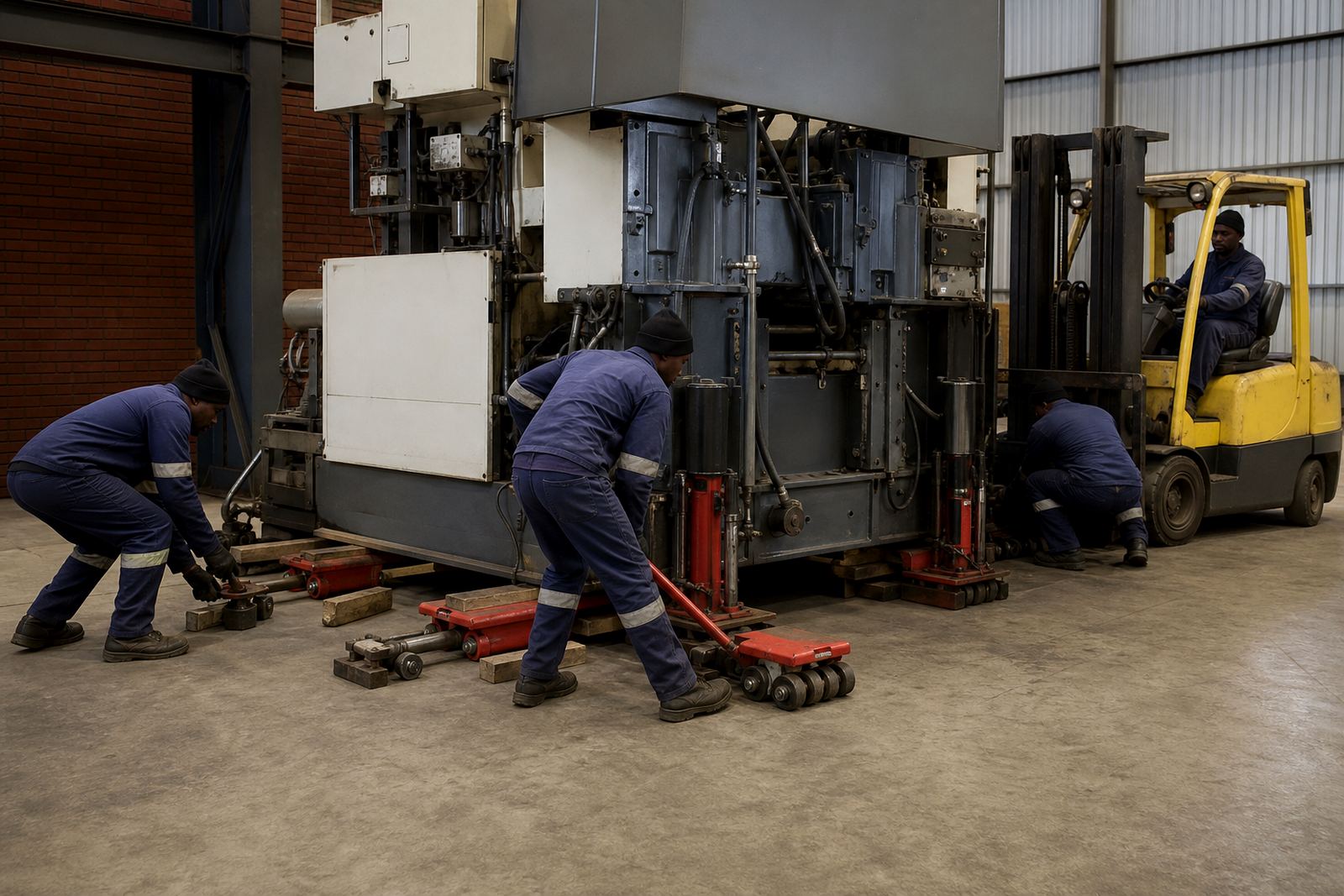
Access is not only about the front gate. It includes yard width, loading bay height, floor condition, overhead clearance, power isolation points and whether forklifts or cranes can work safely. If a machine has to be dismantled in sections, the removal plan becomes more involved. That does not mean the asset has less value on its own, but it can affect the likely costs and timing around disposal.
- Check gate widths, road access and turning space for trucks
- Confirm if the floor can take lifting gear and loaded pallets
- Identify hazards such as oil, loose cabling, wet surfaces or low roofs
- Map out any need for disassembly before collection
How distance changes collection planning
In South Africa, distance between the site and the eventual buyer often shapes the way a sale is organised. A buyer in Durban may be interested in a machine sitting in Kempton Park, but the cost and timing of transport will influence how the sale is handled. The same applies when equipment is moved from Cape Town to Gqeberha or from Pretoria to a site in Germiston. Buyers need enough detail to judge the journey, while sellers need a realistic plan for clearing the premises.
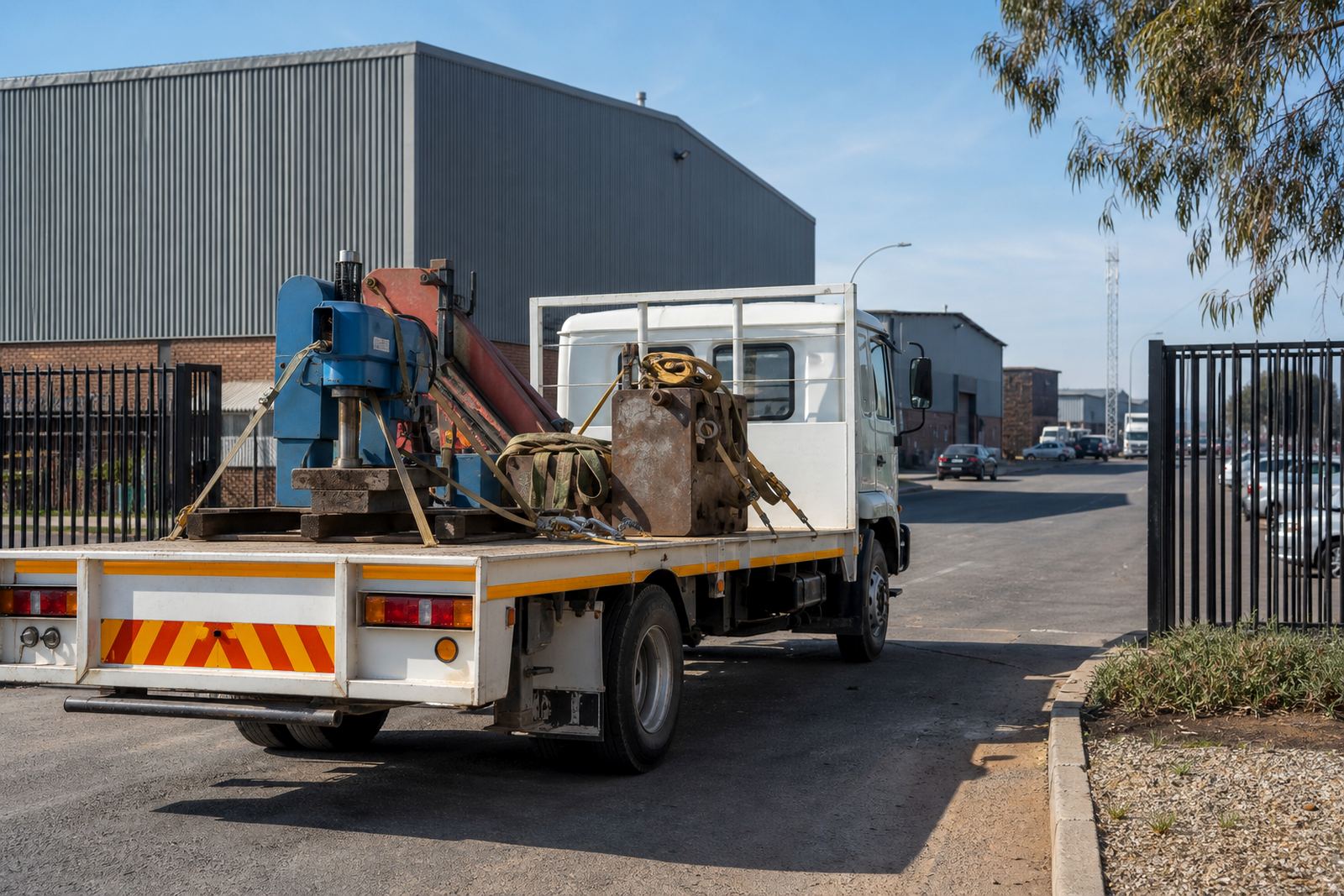
Transport distance does not just add kilometres. It can affect route permits, driver availability, overnight staging and whether a load needs special handling. For heavier equipment, the route may have bridge limits or access restrictions that should be checked in advance. In practice, good logistics information helps reduce back and forth later, which is useful when a factory is trying to clear space quickly. It also helps with viewing days because interested parties can better judge whether they can collect the lot after the auction.
- Use exact site locations, not only suburb names
- Note if the asset is on a lower level, mezzanine or raised platform
- Record whether transport vehicles can enter and exit without reversing long distances
- Confirm if the machine has to be moved through production areas still in use
What a valuer looks for on site in Kempton Park and elsewhere
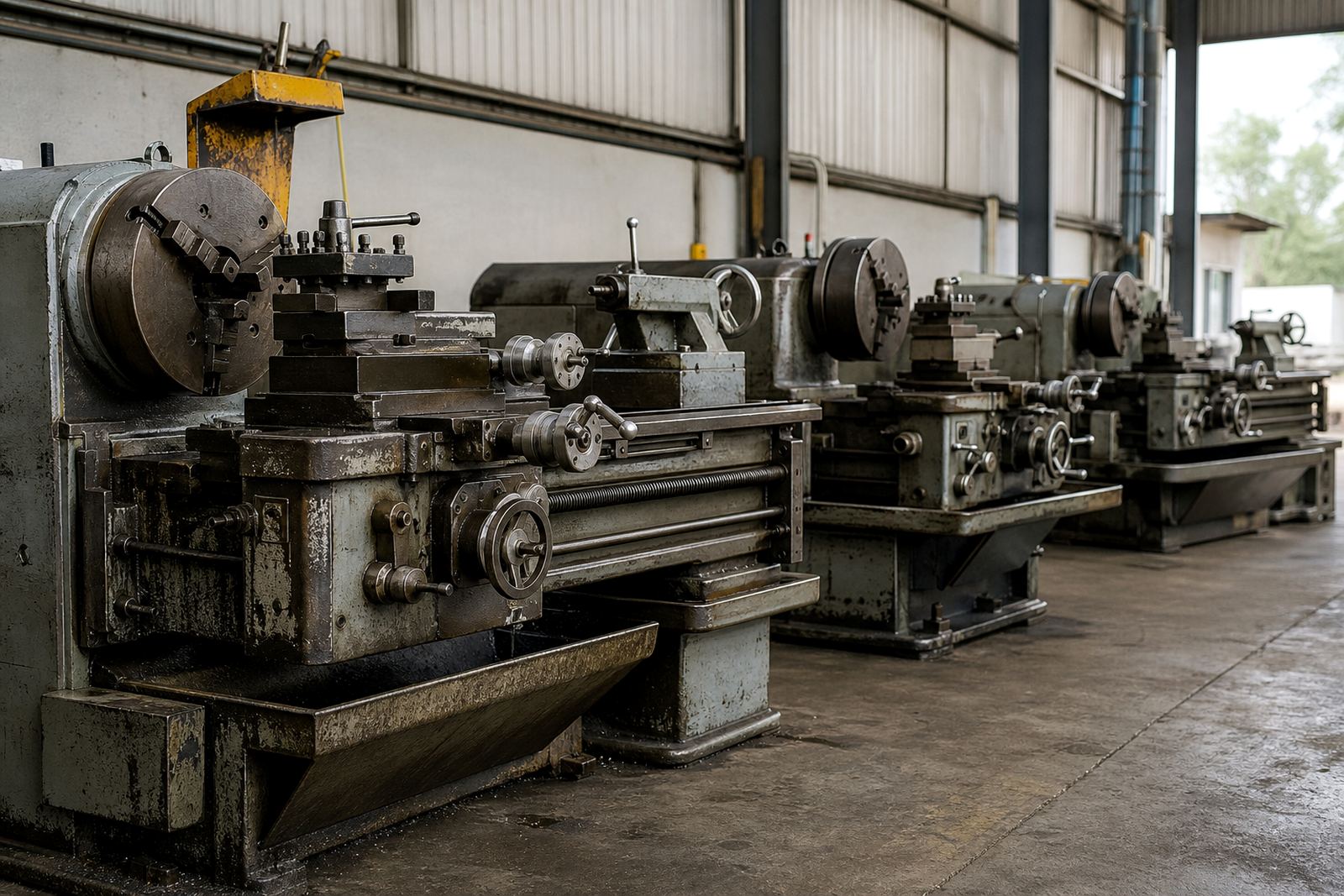
When a valuer visits a site, the focus is not only on the machine itself but on the setting around it. In Kempton Park, for example, industrial premises often have mixed warehouse and workshop layouts, and the easiest looking load can still need careful planning if there is limited space for staging. In coastal areas like Durban or Gqeberha, humidity may also affect stored machinery, especially where machines have been idle for months and surface rust is visible. That does not automatically reduce every item the same way, but it matters for the overall assessment.
A site inspection usually checks the machine’s condition, but also the wider logistics picture. The team may look at access roads, floor loading, possible weather exposure and whether the machine can be tested safely before removal. If power is unstable because of load-shedding, that can affect whether a machine can be demonstrated or inspected under normal operating conditions. A practical report should reflect those facts, because buyers need honest detail before placing bids.
- Visible condition, missing parts and signs of wear
- Storage conditions, including rain exposure and coastal humidity
- Availability of power, compressed air and safe isolation
- Space for staging, loading and temporary holding of lots
Planning for auction day without holding up the yard
Good auction planning should make the premises easier to manage, not harder. Once lots are catalogued and viewing days are set, the seller still needs a clear idea of what stays on site, what can be removed and what must wait until payment and release are confirmed. If the yard is busy with other operations, timing becomes critical. A collection that arrives too early can block staff and a collection that arrives too late can delay closure support and final handover.
Clear lotting helps because each item is linked to a place on site and a removal sequence. Heavier machines are often separated from smaller items so the loading team can work safely. Where a clearance sale is required, extra care is needed to keep access open for trucks and forklifts. It is better to plan these movements in advance than to rely on ad hoc decisions on the day. Small mistakes here can add hours to the process and create avoidable pressure for everyone involved.
- Set a loading sequence before the first viewing day
- Keep access routes clear for people and equipment
- Separate sale items from scrap or non-sale material
- Allow time for inspections, signatures and release checks
A Pretoria to Durban example: why timing and route details matter
Consider a used fabrication line offered from a site in Pretoria, with interested buyers in Durban and Cape Town. The machine may be sound and suitable for resale, but the disposal plan must still reflect its location. If the asset is tucked behind other equipment, collection may require a half day of preparation before loading can start. If it stands near a loading bay with easy truck access, the process can be simpler. The difference is practical, not theoretical, and it affects the way the sale is presented.
For sellers, this is why detailed photos and accurate notes matter. For buyers, it is why a viewing day or inspection can save later disputes. A machine that looks ready from one angle may need rigging points, palletised parts or a trailer with specific capacity. When the route to collection is long, the buyer also has to think about road conditions, escort needs for oversize loads and weather along the way. A proper plan gives everyone a better chance of a clean handover, no drama.
Machine Africa works from its Kempton Park base with sellers and buyers across Johannesburg, Pretoria, Durban, Cape Town and Gqeberha, and the same principle applies in every region: location changes the logistics, and logistics change the sale plan. That is why a site visit, plant appraisal and honest reserve guidance are often more useful than a quick guess made from photos alone.
Practical steps for sellers before requesting a valuation
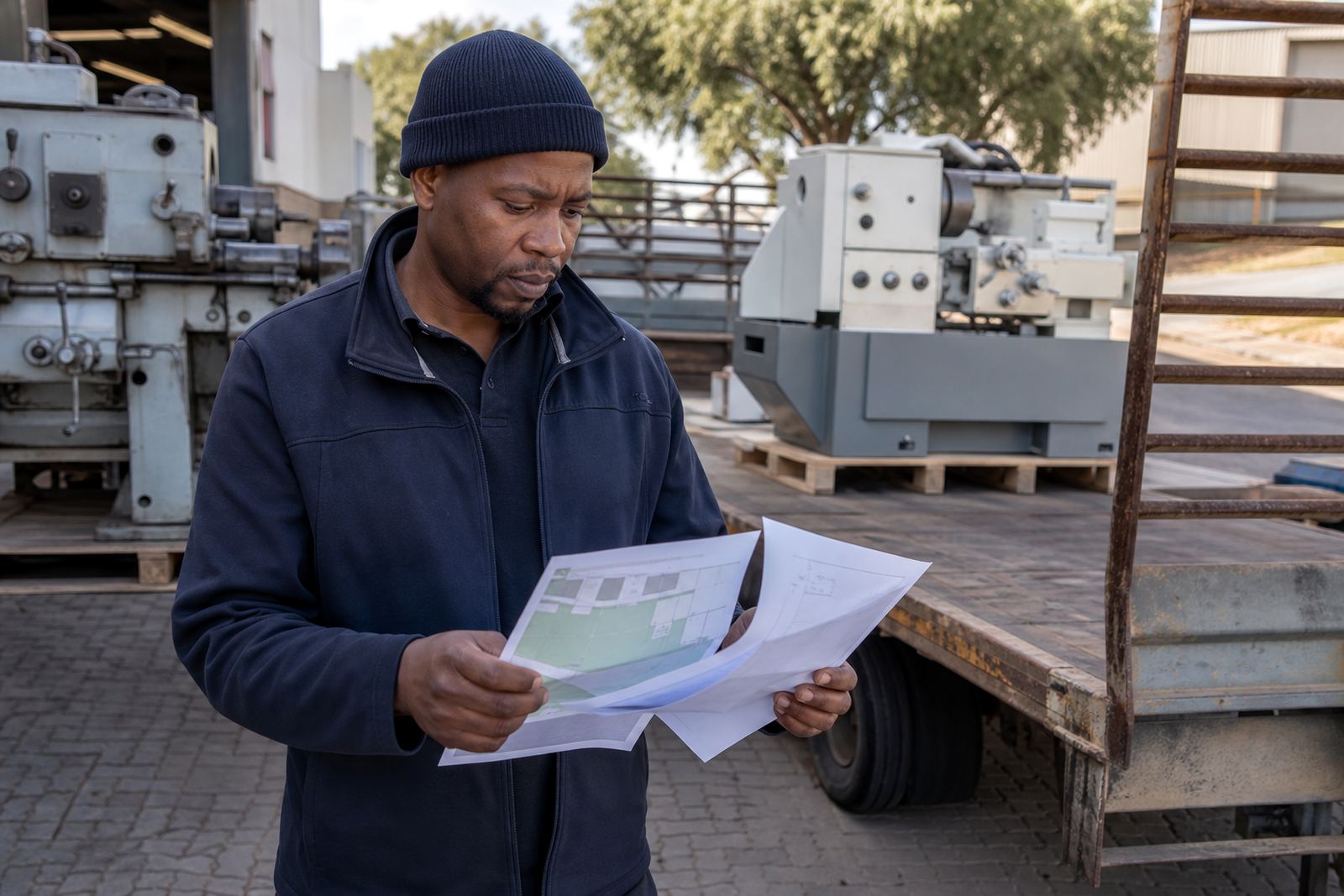
If you are planning to dispose of used machinery, a little preparation can improve the quality of the assessment and reduce delays later. It helps to clear around the machine, gather any manuals or service notes and identify whether the item is complete or partly stripped. If the site is difficult to reach, mention that early. A valuer can then factor in access, loading method and likely collection steps from the start.
For businesses in Germiston, Midrand or central Johannesburg, where space is often tight, these details are especially useful. The more accurate the site information, the more practical the valuation and auction plan will be. And because valuations are opinions of value, not guarantees of sale price, the purpose is to guide decision making with realistic information. That includes how the machine will be viewed, loaded and moved after the auction. It is simple enough, but it saves trouble later.
- Provide clear directions to the gate and loading point
- Tell the team about stairs, narrow passages or low roofs
- Note whether the machine is live, disconnected or stored elsewhere on site
- Share any restrictions on access times, noise or vehicle entry