Why small tools can make or break a workshop auction
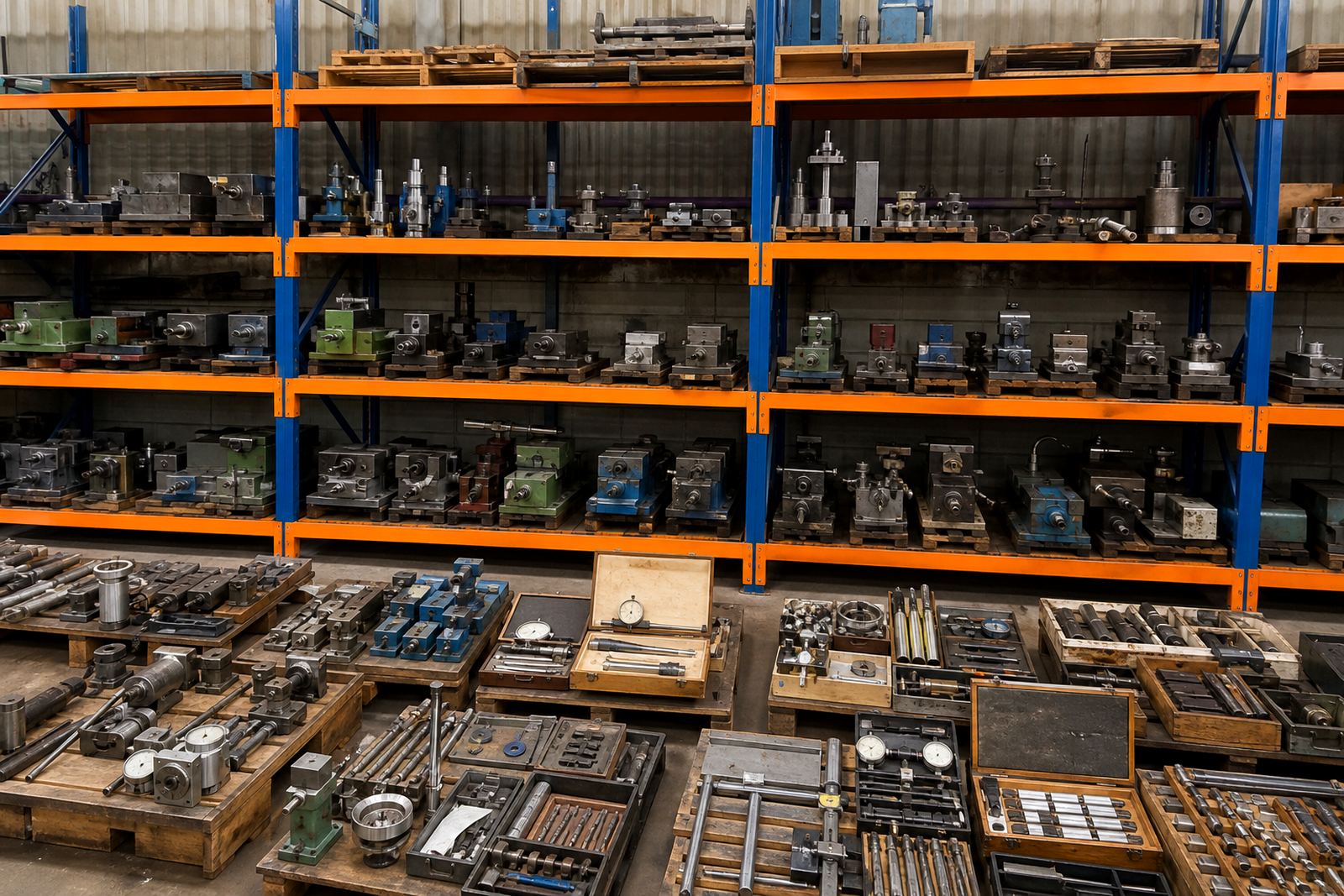
In many workshops the smallest items are the easiest to overlook, yet they often carry real value. Hand tools, portable drills, grinders, torque wrenches, gauges, battery units and light bench equipment may not take up much floor space, but they can attract steady interest when they are grouped properly. A mixed tray of tools with no labels can be hard to price. A well prepared lot tells buyers what is there, what condition it is in, and how it fits into day to day work.
That matters in places like Kempton Park, Germiston and Midrand, where workshop stock may include everything from basic spanners to specialist measuring gear. In an auction, people do not just buy the item. They buy confidence in what they are seeing. If the lot is too vague, the bidding usually reflects that uncertainty.
How careful lotting changes buyer behaviour
Lotting is the process of grouping items into sale lots that make sense to buyers. For small tools, that can mean separating working sets from loose pieces, matching attachments with the main unit, and keeping similar items together. It can also mean deciding when to split a large mixed batch into smaller lots so buyers can bid on the parts they actually need.
Good lotting reduces waste of time on viewing day and during collection. It also supports clearer catalogue descriptions, which is important when buyers are travelling from Johannesburg, Pretoria or even Durban and Cape Town. They need enough detail to judge whether the lot is worth the trip and the effort of loading it. If the catalogue is thin, the room gets quiet very quickly.
- Group tools by function, size or trade use where possible
- Keep chargers, batteries and leads with the matching tool
- Separate damaged, incomplete or untested items clearly
- Mark duplicate items so bidders know the quantity in the lot
What a proper valuation looks at
A valuation is an opinion of value, not a guarantee of sale price. For small tools and light equipment, that opinion is based on practical factors. We look at condition, working status, age, completeness, brand neutrality and demand in the local market. A full set of machinist calipers in good condition will not be treated the same as a box of mixed tools with missing parts. The same applies to portable compressors, saws, polishing units and battery powered gear.
We also consider whether the items are suitable for resale in their current state or whether they are better suited to spares, repair or clearance sale. In coastal centres such as Durban and Gqeberha, corrosion and humidity can affect value. In Gauteng, the concern may be wear from heavy daily use, dust or poor storage. Those details matter, because a buyer wants to know what they are taking on before they make a bid.
- Condition and visible wear
- Completeness of the set or kit
- Signs of rust, corrosion or electrical damage
- Market demand for that type of tool
- Ease of testing, loading and collection
Viewing day should answer simple questions fast
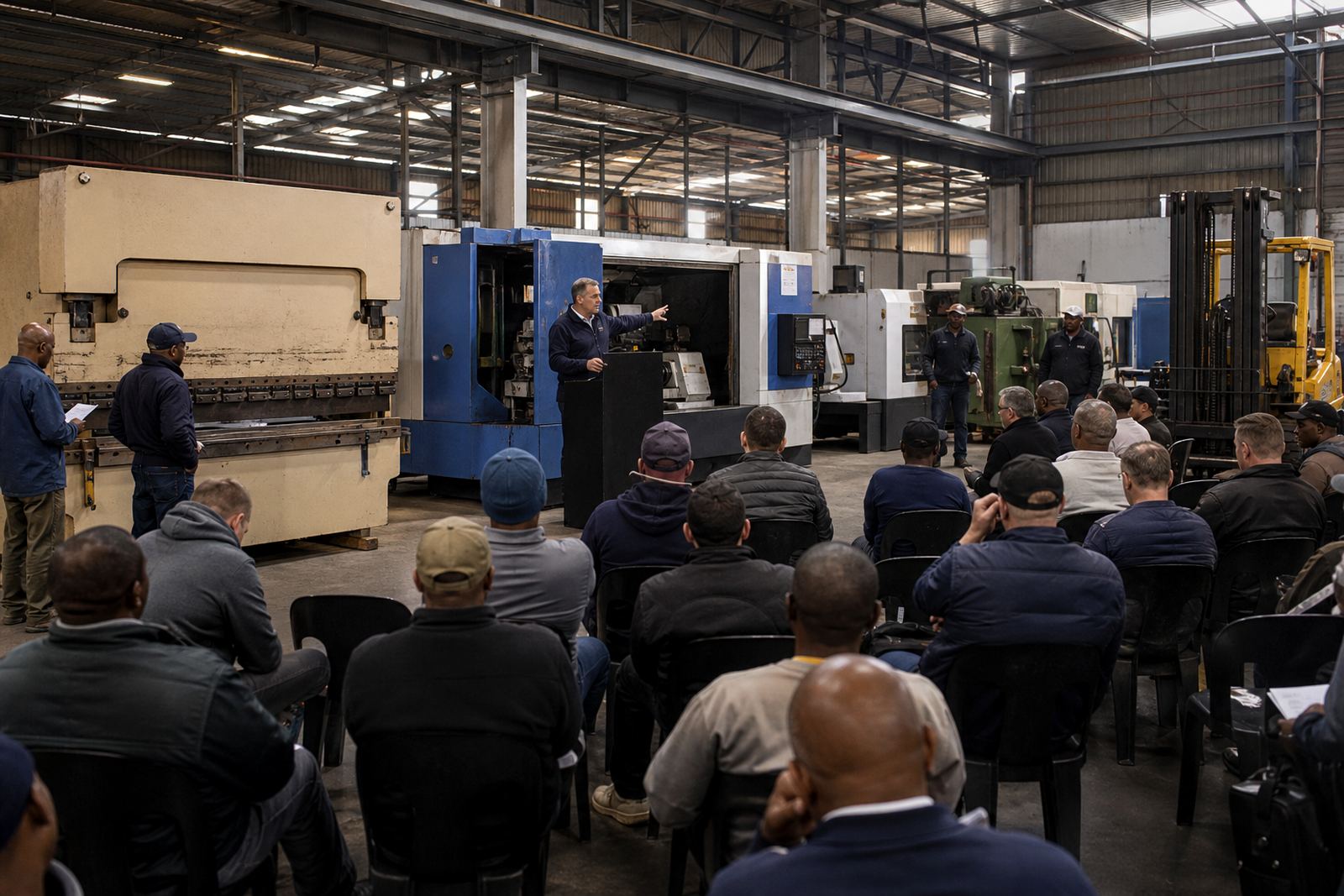
Most buyers do not need a long story. They need to know what the tool is, whether it runs, what accessories are included and whether there are obvious faults. On viewing day, a good layout lets people move from one lot to the next without confusion. Loose items should be displayed neatly, and heavy or awkward pieces should be clearly identified so nobody is caught out at collection.
That is especially important for seller representation and closure support. Once the auction closes, the handover needs to be orderly. Buyers want straightforward collection, sellers want the site cleared without delay, and the asset list must match what is actually on the floor. A mixed pile of small tools can become a dispute if it was never sorted properly in the first place.
In practice, a well managed viewing room will answer questions before they are asked, which saves time for everyone.
A local example from a Kempton Park workshop
Take a workshop in Kempton Park that is upgrading its equipment and clearing older bench stock. The site may have boxed hand tools, measuring instruments, portable power tools, spare blades and a few light machines that have not been used in months. If all of it is listed as one bulk lot, buyers struggle to value it properly. Some may only want the measuring gear, while others only need the power tools and cases.
With careful lotting, the mix can be split into smaller, sensible groups. Calibrated items can be kept separate from general tools. Corded equipment can be grouped apart from battery units. Items with missing leads, cracked cases or unknown working status can be marked clearly. That kind of order helps buyers make decisions and gives the seller a better chance of attracting more interest across Johannesburg, Pretoria and the wider Gauteng market.
For a seller, the difference is simple: clearer lots usually mean fewer questions, fewer collection problems and a cleaner process from start to finish.
What sellers should prepare before an auction
Before a valuation or auction instruction, it helps to gather the tools in one place and remove unrelated scrap. If there are manuals, spare parts or charging units, keep them with the correct item. Clean the tools lightly if possible. You do not need to make them look new, but buyers should be able to see serial plates, condition and completeness. A quick sort also helps identify duplicates, broken items and anything that should be sold separately.
- Separate working tools from damaged or untested ones
- Set aside consumables, spares and cases by category
- Note missing parts, leads, batteries or handles
- Make access easy for inspection and photo listing prep
- Check whether any items need special handling or safe lifting
At this stage, clear communication matters more than polish. A truthful, practical description builds trust. It also keeps the auction process efficient, which is useful when sites are busy and load-shedding can interrupt work schedules.
Why experience matters for small tools and light equipment
Small tools are easy to underestimate, but they reward careful handling. A valuer who understands workshop operations can separate useful stock from low value clutter and build lots that make sense to real buyers. That is where auction planning, reserve guidance, inspection and catalogue work all come together. The aim is not to overstate value, and not to bury good items inside a messy pile.
Machine Africa works with sellers and buyers across South Africa from our Kempton Park base, including Johannesburg, Pretoria, Durban, Cape Town and Gqeberha. We handle on-site valuations, lotting and cataloguing, viewing days, seller representation, collection coordination and closure support. For small tools, that practical approach is often what turns a crowded workshop floor into a saleable, organised auction.
When the lot is right, the bidding is easier to understand and the sale process is easier to manage. That is good for sellers, and it gives buyers a fairer picture of what they are looking at.
Small tools deserve the same care as big machines
It is tempting to give all the attention to major plant and leave the small items to the end. That is usually a mistake. Hand tools and light equipment often hold together the working value of a workshop, especially where spare parts, measuring gear and portable units are involved. Careful lotting protects that value and avoids confusion when the auction starts.
For businesses in Germiston, Midrand and the wider Gauteng industrial belt, the message is plain: sort the small stuff properly and the whole sale runs better. A clean list, honest descriptions and sensible grouping can make a real difference to how buyers respond. In auction work, the details add up quickly, and the little items are often the ones that cause the biggest headaches if they are left untidy.