What a sale format actually changes
A sale format is the structure around how used industrial machinery is presented, viewed and sold. It affects the timing of inspections, how lots are grouped, how buyers place bids or offers, and how much seller control remains during the process.
In practice, the format shapes the pace of the sale more than the machine itself. A press brake, fork truck, compressor or milling machine can be sold in different ways, but the route chosen will change the marketing window, the viewing process and the final paperwork. Valuations are opinions of value based on the condition and market at the time, not guarantees of sale price, so the format matters when setting expectations.
How a staged asset sale works
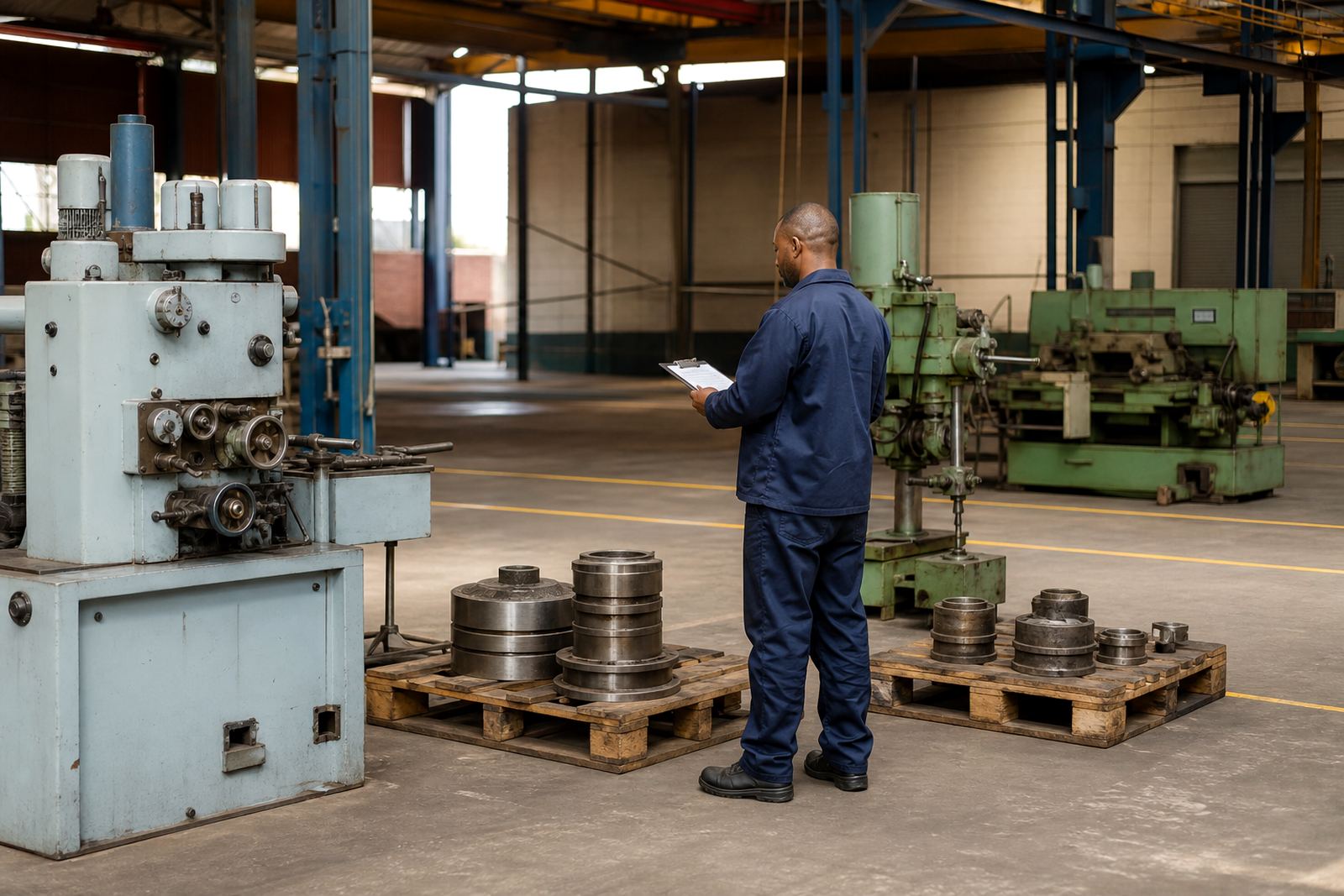
A staged asset sale is usually planned over a longer period and broken into steps. Assets are inspected, listed, grouped into lots, and shown to buyers through scheduled viewings. The seller can decide whether to sell a whole line, selected items, or only surplus equipment. This format suits plant clear-outs, business closures, and disposal of mixed machinery where order and documentation matter.
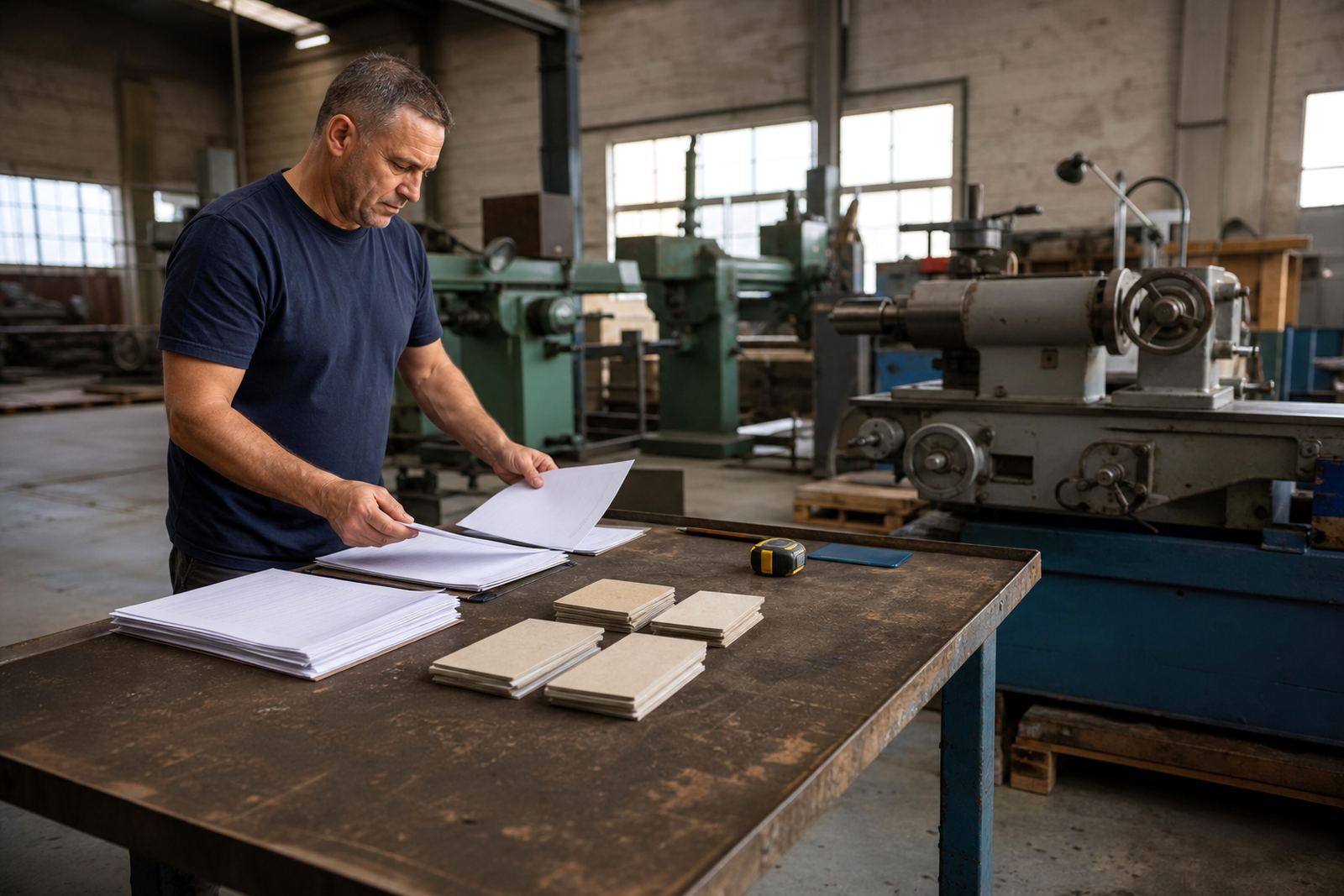
Because the process is paced, there is time to sort manuals, confirm serial numbers, identify missing parts and prepare photographs. That helps buyers assess what they are looking at before they travel, which is useful when a site is in Kempton Park and buyers may be coming from Durban, Cape Town or Gqeberha.
- Useful when there are many assets on one site
- Good for buyers who want time to inspect and compare lots
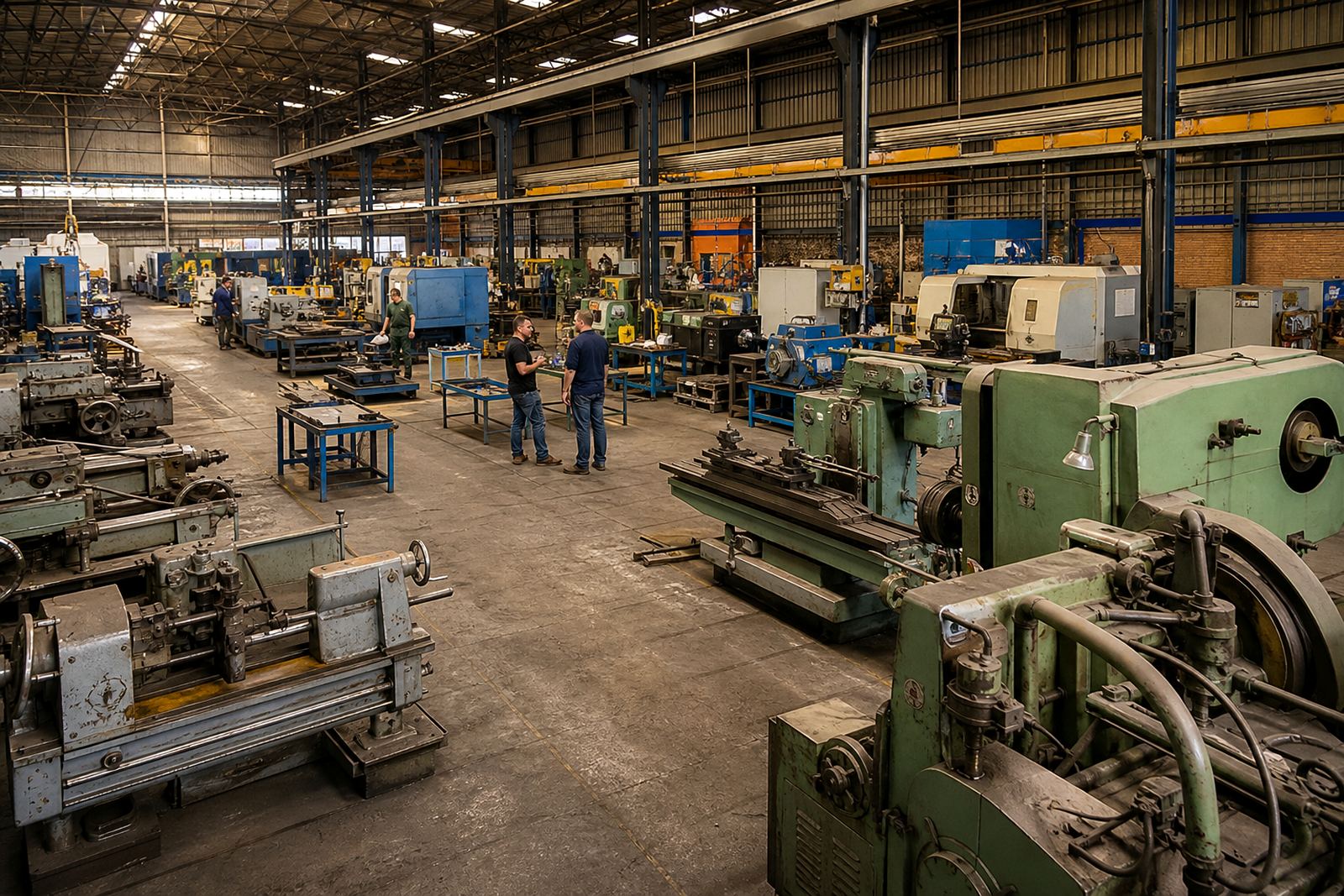
- Allows clearer grouping of machinery by department or production line
- Can support seller representation during the sale window
What a live industrial auction looks like
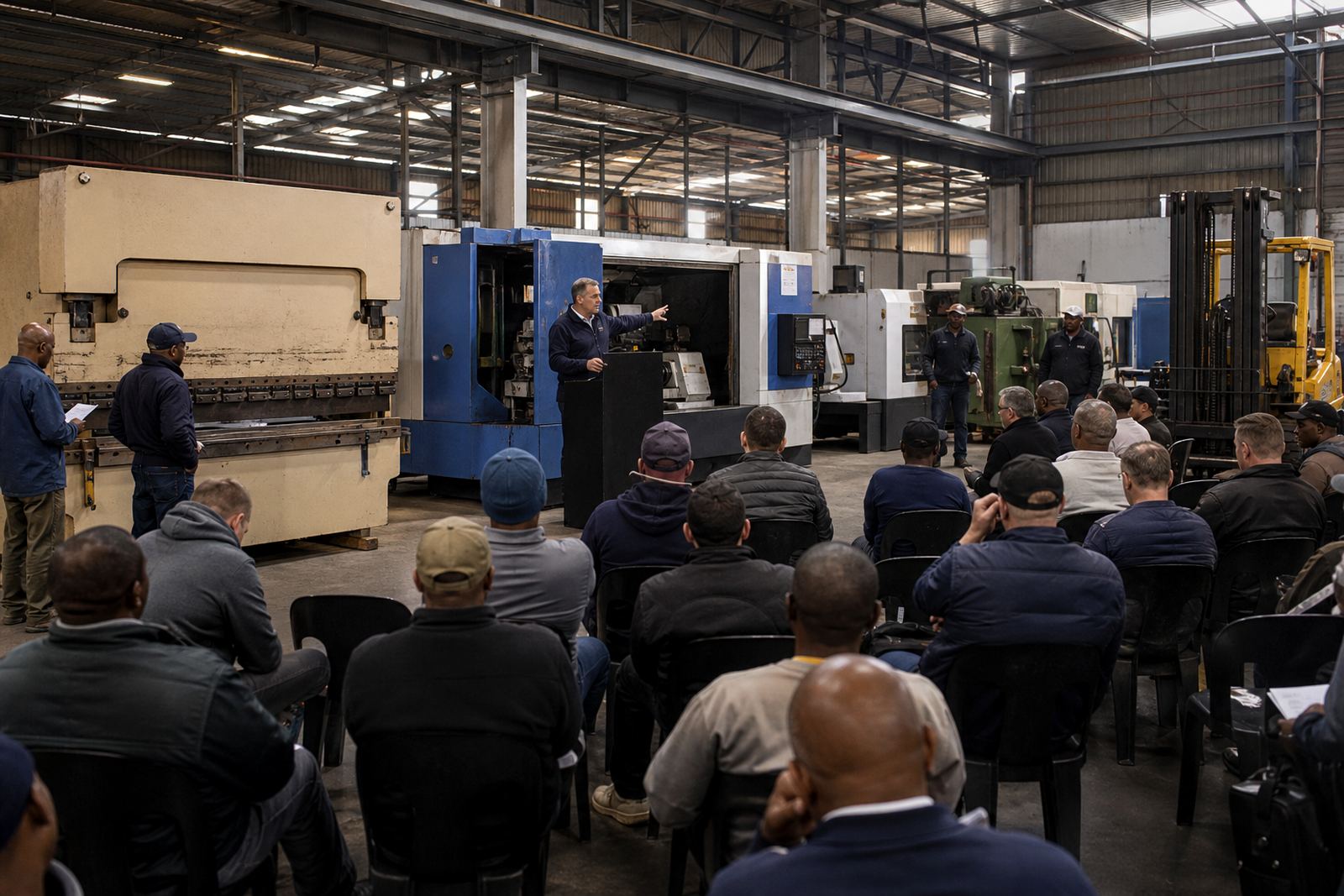
A live industrial auction is faster and more public. Buyers gather for a set selling time and bids move in real time. The machinery is normally catalogued in advance, with viewing days before the auction so buyers can inspect equipment and ask questions. Once the sale starts, the pace is quick and decisions need to be made on the spot.
This format often suits sellers who need a firm date and a clean closeout. It can also work well where the stock is varied and the seller wants broad exposure in a short period. In our experience, live auctions attract buyers who are ready to act, especially on common plant, material handling equipment, and workshop machinery. Load-shedding, transport timing and site access all need to be planned carefully so there are no hold-ups on the day.
- Best when timing is tight
- Creates a clear event date for marketing and viewing
- Can bring in active buyers from several provinces
- Needs tight site logistics and clear lotting
Which format suits which kind of machinery
Not every machine fits every sale format. High-demand equipment with steady buyer interest may suit a live auction, while specialised or grouped plant may do better in a staged sale where the presentation is more controlled. Older machines, partially dismantled lines, and mixed workshop stock often need more explanation, which is easier when there is time for cataloguing and asset inspections.
For example, if a Gauteng factory in Germiston is closing a fabrication bay with cutters, welders, compressors and pallets of spares, a staged process can help sort what belongs together and what should be sold separately. If a warehouse in Midrand is clearing forklifts, racking, battery chargers and a few serviceable machines before a relocation, a live auction may create the urgency needed to move everything in one window. The right answer depends on condition, volume and the buyer pool, not just speed.
How valuations and reserve guidance fit in
A proper valuation is the starting point for either format. The valuer looks at physical condition, age, make, hours, attachments, maintenance history and local demand. From there, reserve guidance can be discussed where appropriate. A reserve is a minimum sale level set by the seller, but it should be realistic. If it is too high, the asset may sit unsold. If it is too low, the seller may not be satisfied with the outcome.
Good reserve guidance is based on market knowledge and comparable machinery of similar type and condition. It is not about guessing the best number on the day. It is about setting a workable point that suits the format, the timeline and the market. That is why many sellers use both on-site valuations and auction planning before any lot is published.
What buyers should check before they bid or make an offer
Buyers should never rely on photos alone. Whether the sale is staged or live, viewing days matter. A used machine can look tidy from a distance but still need belts, electrics, hydraulics or control components checked. In coastal cities such as Durban and Gqeberha, humidity can affect storage, while inland sites may have dust, heat or power interruptions that change wear patterns.
Before bidding, buyers should ask practical questions and inspect where possible:
- Is the machine complete, and are all major parts present?
- Are there service records, manuals or nameplate details available?
- Was the machine standing idle, in production, or recently removed?
- Will collection need lifting gear, rigging or special transport?
- Are access rules, safety gear requirements or municipal site controls in place?
This is where clear catalogue notes and photo listing prep save time for both sides. It helps buyers judge whether the asset suits their workshop, factory or site conditions.
A local example from Kempton Park to the coast
Consider a seller in Kempton Park with a mixed line of workshop machinery, a few pallet jacks and some spare components after a capacity change. The site is close to major transport routes, but the seller wants the yard cleared in stages because stock is still moving. A staged asset sale may suit better, with inspections first, then lotting, then scheduled viewings and a planned closeout.
Now compare that with a plant in Cape Town where a buyer wants to release capital quickly from surplus equipment left after an upgrade. If the machinery is already identified and accessible, a live industrial auction can give the seller a firm date and a clean handover. The same principle applies in Pretoria, Johannesburg, Durban or Gqeberha. The format should fit the site, the stock and the seller's timing, not the other way round.
Since 2008, Machine Africa has worked with sellers and buyers across South Africa from our Kempton Park base, with support from Siyabonga Mthembu and the team including Naledi Khumalo, Pieter van der Merwe, Ayesha Ismail, Thabo Molefe, Johan Botha and Lerato Nkosi. For many businesses, the right format is the one that gives enough structure to keep the process clear, but enough speed to keep the sale moving.