Why lot structure matters before the first bidder walks in
Setting sale lots is more than numbering items in order. It is the process of deciding which machines stand alone, which items are grouped together, and how each lot will be described so buyers can assess value quickly. In a used industrial machinery campaign, clear lotting helps avoid confusion on viewing day and gives bidders a fair basis for comparing equipment.
A good lot structure starts with the practical question: what would a buyer actually want to take away and put to work? A single press, lathe or compressor may stand on its own. A line of support items, spare parts or mobile trolleys may make better sense as one lot. The aim is to reduce uncertainty, not create it. When the structure is sensible, bidders can see where the real value sits and sellers do not lose interest because the catalogue feels disorganised.
For a valuation, lotting also matters because the opinion of value depends on condition, size, make-up and likely demand. Two machines with similar age can perform very differently if one is sold as a complete working unit and the other is split from its accessories. That is why lot planning is part of the valuation and not an afterthought.
How to decide whether equipment should stand alone or be grouped
The best lotting decisions are based on use, condition and buyer profile. If a machine is central to production and likely to attract individual buyers, it usually needs its own lot. If smaller items work together in the same area, or one item depends on the other to be useful, grouping can make sense.
As a simple guide, consider these points when setting sale lots:
- Does the item work independently, or is it part of a set?
- Would a workshop buyer want the full group, or only one piece?
- Are the items of similar condition and use?
- Will splitting the group create dead stock that is hard to move?
- Can the lot be described in plain language without confusion?
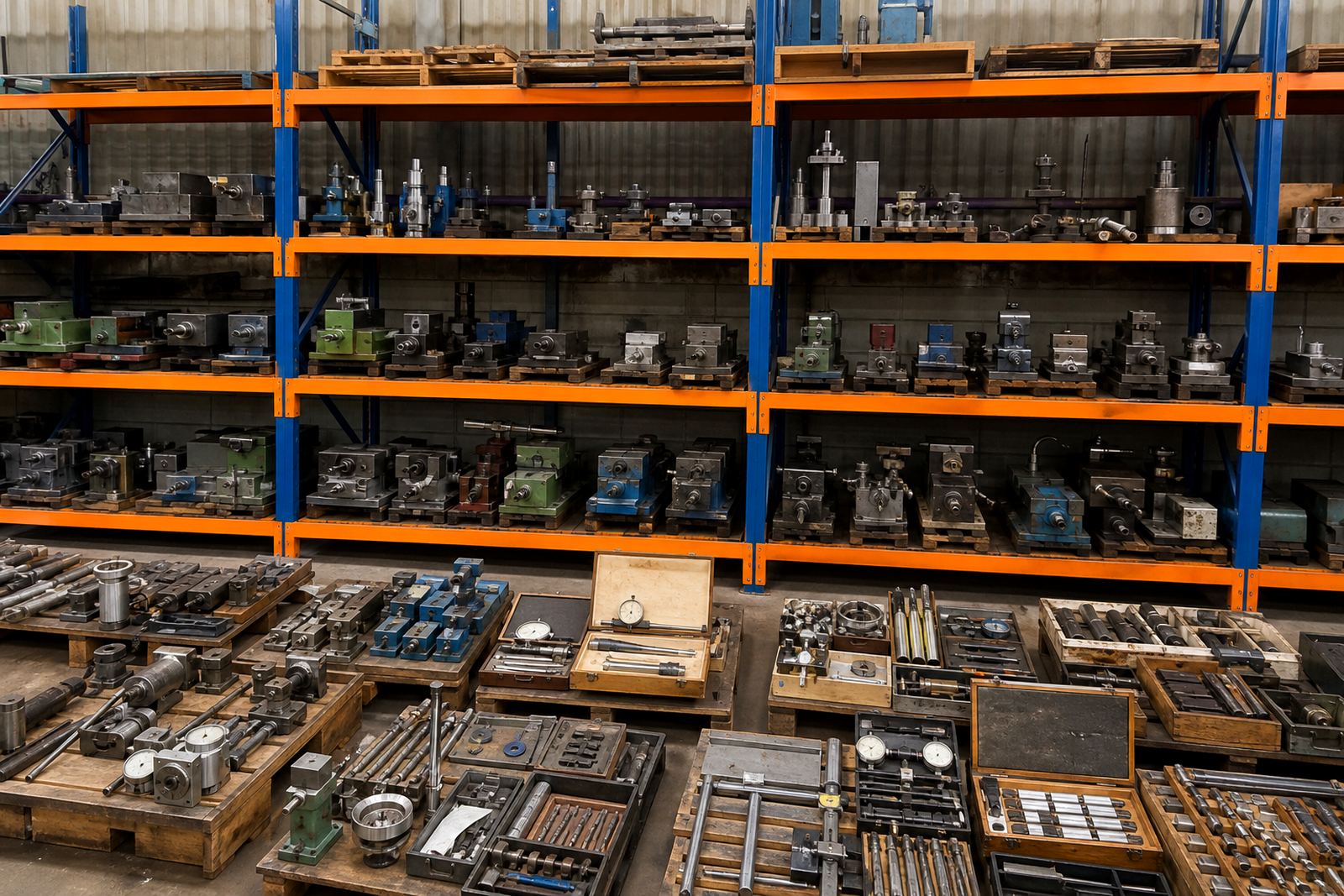
In Kempton Park and surrounding industrial areas, many businesses operate with mixed plant on one site, from fabrication tools to handling equipment and workshop support items. In that situation, lotting needs a practical eye. A set of racking, for example, may be better grouped by bay or section rather than by every single upright and beam. The bidder sees value more easily and the seller avoids lots that are too thin to draw interest.
What a buyer needs to see in the catalogue
The catalogue is where good lot structure pays off. A lot should tell the buyer what is included, where it is located, and what condition notes matter. Strong descriptions reduce calls, reduce disputes and help buyers plan transport before bidding. Photos should match the lot structure exactly, otherwise bidders arrive with the wrong expectation.
For industrial machinery, clear lot notes usually cover the main item, key accessories, any visible damage, and whether power supply, controls or ancillaries are included. If a lot contains multiple pieces, the count should be correct and the list should be easy to follow. If there are items that are not included, those exclusions need to be stated plainly.
- Use one lot number per clear buying decision
- Keep similar items together only when it makes sense commercially
- Show the buyer what is included, not just what is pictured
- Note access issues such as stairs, narrow doors or limited forklift reach
- Match catalogue wording to the actual layout on site
When teams prepare photo listing in places such as Germiston, Midrand or Johannesburg, the site often has tight working space and limited time for movement. That is why it helps to build lots around what can be viewed safely and loaded with reasonable effort. A bidder who understands the lot is more likely to stay in the process right through to settlement and collection.
Reserve guidance and lotting go hand in hand
Reserve guidance is easier when each lot has a clear purpose. A reserve should reflect the market view of that specific lot, not a loose estimate across unrelated items. If several assets are bundled together, the reserve must consider the whole group and the practical value of the package. If the lot is too broad, the reserve can become hard to justify and bidders may pass without engaging.
For sellers, the main risk is over-grouping. A good machine can be hidden inside a weak bundle, and a weak item can drag down a strong one. The opposite can also happen, where one desirable item attracts interest but the rest of the lot does not move. Careful lotting helps avoid that outcome.
At the same time, not everything needs to be broken apart. A sensible bundle can save time, reduce clearance costs and suit smaller buyers who are looking for a working set rather than a single asset. In an auction campaign, the point is to balance saleability with honesty. The lot must be easy to understand and realistic for the people who are likely to bid.
Local example from a mixed manufacturing site
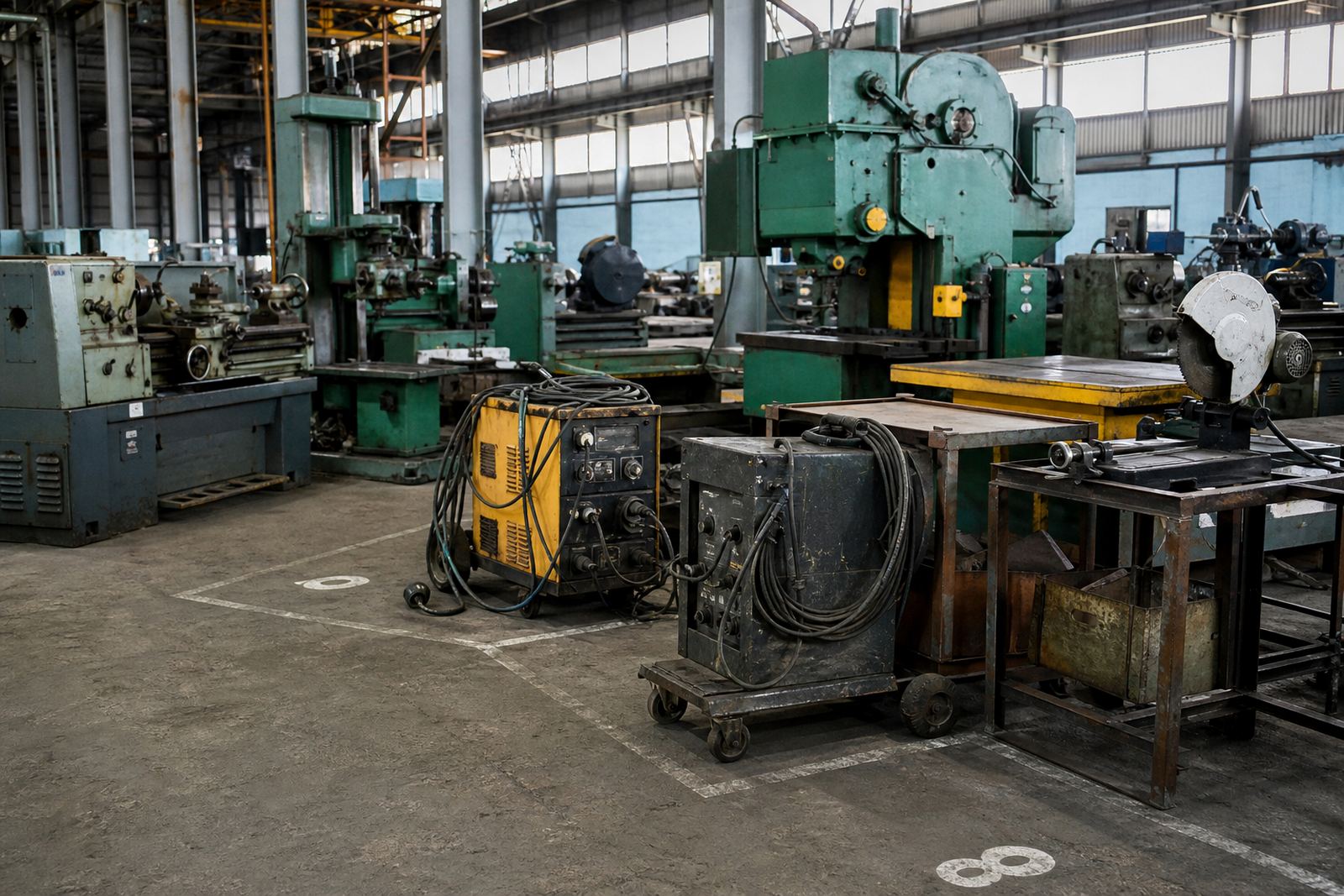
Take a mid-sized manufacturing site in Gauteng with a press brake, guillotine, compressors, welding bays and assorted benches. If every item is listed separately without thought, buyers spend too much time trying to work out what belongs together and what does not. If everything is thrown into one large lot, serious machine buyers may lose interest because the bundle is too broad.
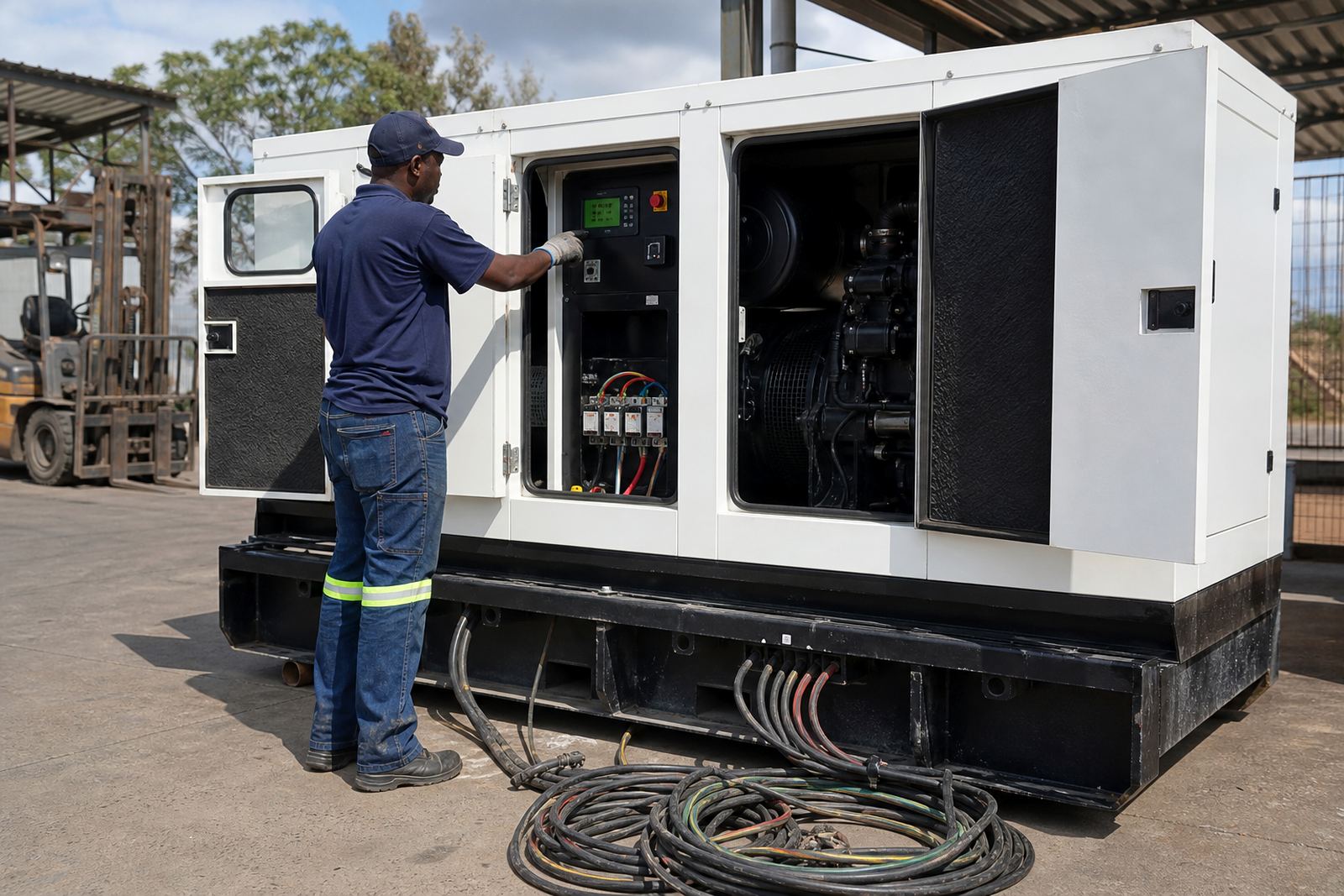
A better approach is usually to separate the main production machines, then group the support items in logical sets. The press brake can stand alone, the guillotine can stand alone, the compressors can be listed individually if there are several units, and the welding benches can be grouped with the leads, regulators and related accessories where suitable. Racking, tools and small spares may be handled in grouped lots, with counts and condition notes that match the site layout.
That structure works well for buyers travelling from Pretoria, Durban, Cape Town or Gqeberha because they can quickly decide which lots suit their workshop and transport plan. It also helps with viewing days, since the site can be walked in a logical order. In practical terms, the auction feels less rushed and bidders are more likely to trust the catalogue. That trust matters, especially where equipment has been in service for years and buyers want straight answers about condition and access.
Clear lotting helps the sale finish cleanly
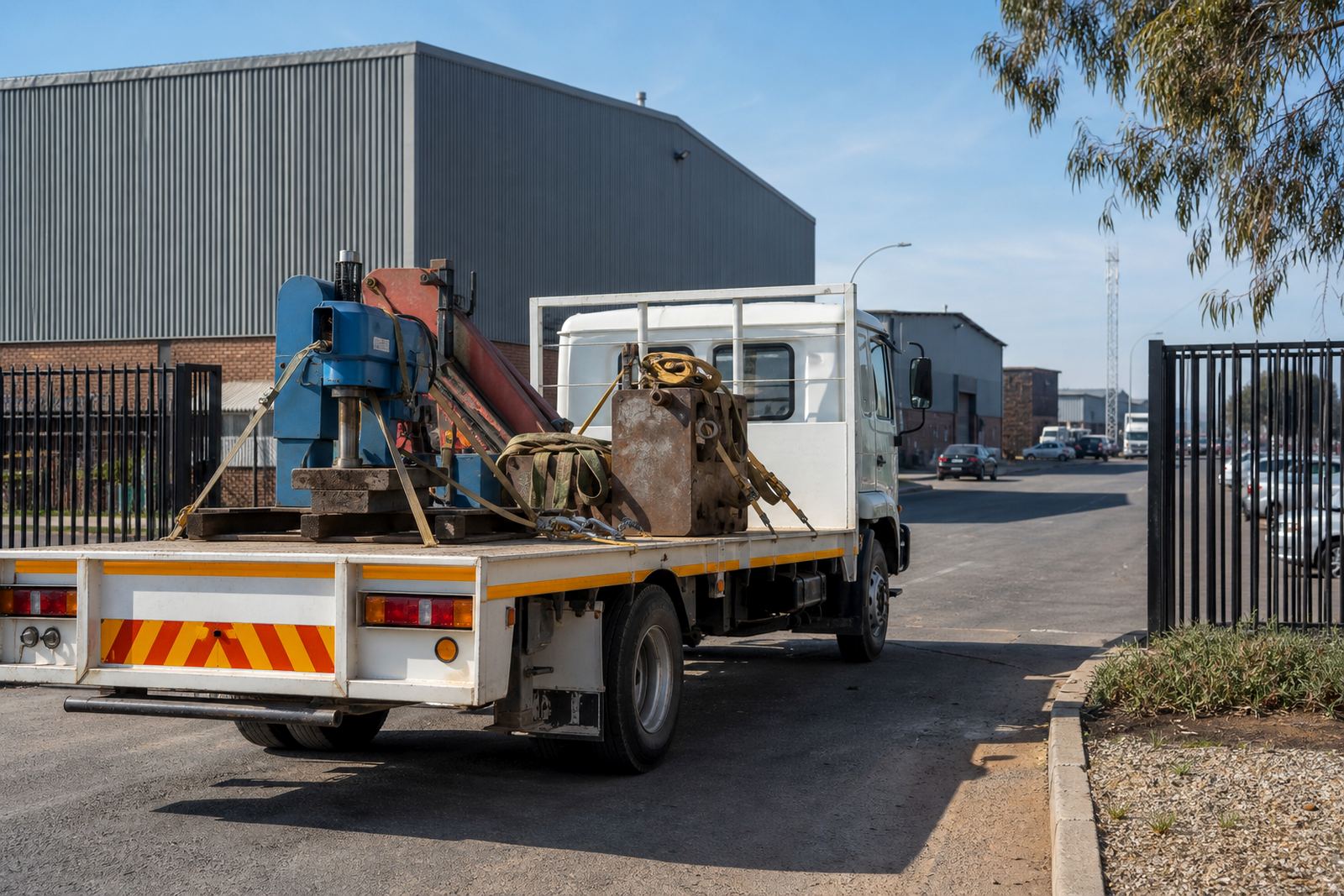
Once the bidding is over, the lot structure still matters. Collection, loading and clearance all depend on how clearly the assets were grouped at the start. If the lots were built well, the handover is smoother and there is less back and forth on site. Buyers know what they purchased and sellers can close out the campaign in an orderly way.
That is why setting sale lots should be part of the wider auction plan, not just a task for catalogue day. When the valuer, auction manager, logistics team and catalogue coordinator work from the same understanding, the process holds together better. For a seller in Kempton Park or a buyer looking across South Africa, the result is a cleaner sale with fewer misunderstandings and less wasted time.
In industrial auctions, structure is not paperwork for its own sake. It is the difference between a lot that can be assessed quickly and one that leaves bidders guessing. Good lotting gives the market a fair read, and that is usually where better outcomes begin.
When to review lot structure before launch
Review the lot plan before the campaign goes live if the site has mixed assets, incomplete maintenance records, or equipment that is hard to move. It also helps to revisit the structure after an on-site inspection, especially where machines are linked to ancillary items or where access is limited by floor layout, low headroom or loading bay constraints.
- Check that every lot can be described in one clear sentence
- Confirm whether accessories should be included or sold separately
- Make sure lot numbers follow the physical site order where possible
- Review transport and collection points before the catalogue is finalised
For sellers, this step protects value. For buyers, it keeps the process practical. For the auction team, it reduces avoidable issues later on. That is the real value of setting sale lots properly from the start.