Why a Packaging Line Must Be Sold as a Working Sequence
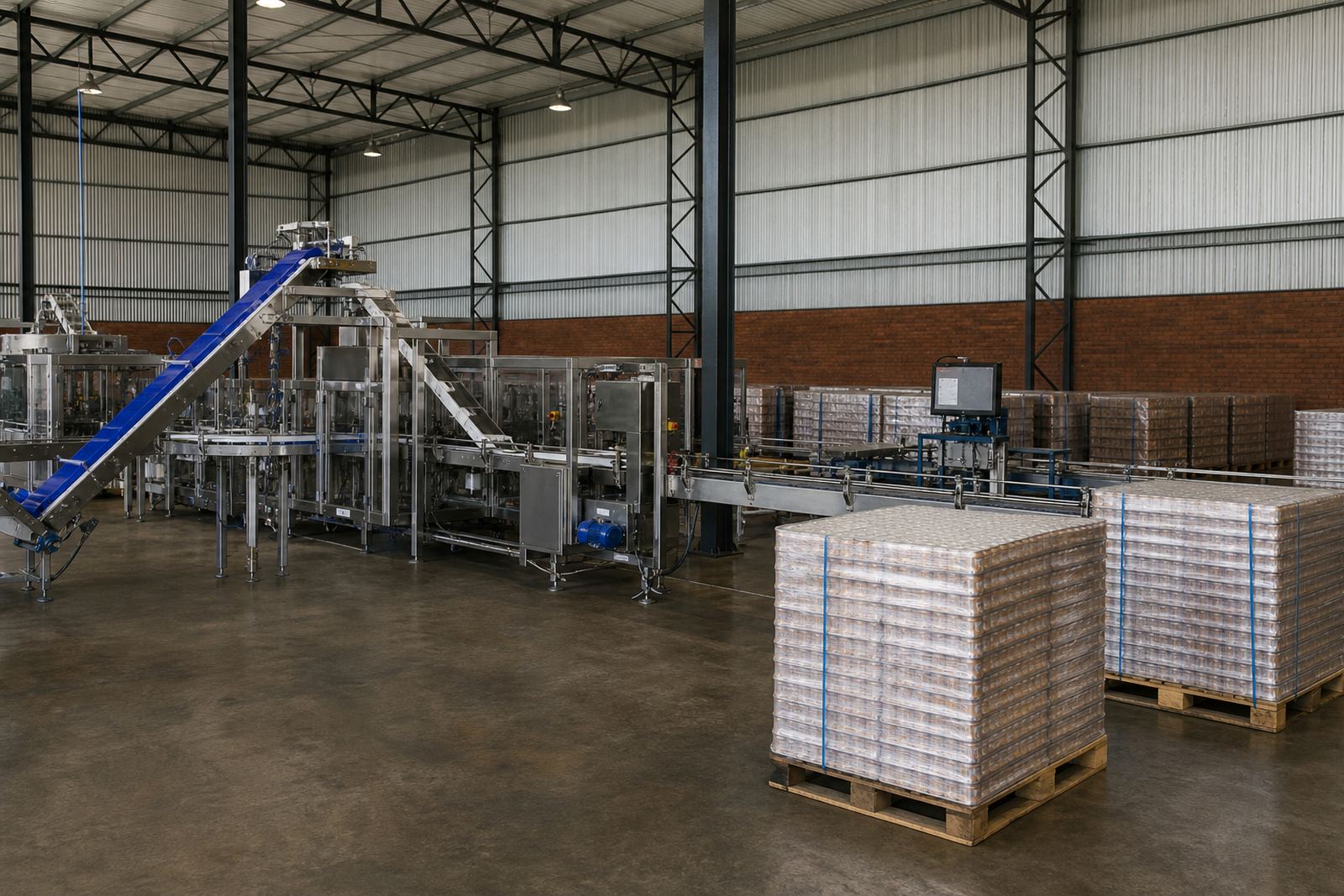
A packaging line is rarely just a collection of machines. In most plants, the infeed, filling, closing, labelling, packing and palletising equipment all depend on one another, so the way the line is presented for sale can have a direct effect on interest. When buyers can see how the line was used as a sequence, they can judge whether it suits their own production needs, floor space and power supply.
For a seller, this is where an orderly disposal plan matters. A line that is stripped too early can lose context, and a buyer may assume there are gaps or hidden faults. That does not mean every item must stay together, but it does mean the sequence should be explained clearly. A proper opinion of value considers the whole set-up and not only the individual machines.
Integration Details That Buyers Want Before They Bid
Packaging buyers usually ask practical questions first. What voltage is required? Is compressed air needed? Are controls still complete? Does the line run on single shift or multiple shifts? In South Africa, these details matter because a buyer in Midrand may have a different floor layout, power availability or maintenance team than a buyer in Durban or Cape Town.
Integration details also help separate a strong lot from a weak one. If conveyors, sensors, guards, control panels and support frames are included, the line is easier to assess. If parts are missing, the valuation should reflect that. Valuations are opinions of value, not guarantees of sale price, so honest disclosure is always better than trying to make a partial line look complete.
- List each section in sequence, from feed to discharge.
- Note missing panels, drives, belts or guards.
- Record utility needs such as power, air and water.
- Show whether controls are manual, semi-automatic or fully automatic.
What Completeness Means in a Used Line Disposal
Completeness is not only about having every machine present. It also includes the items that keep the line safe and usable: platforms, stairways, cable runs, transfer sections, spare chutes, tooling and any change parts. A packaging line with all the main units but none of the supporting items may still sell, but the buyer will price in the extra cost and time needed to restore it.
During a plant appraisal, it helps to separate core machinery from loose accessories. That gives buyers a clearer picture and makes it easier to prepare a catalogue that is fair to both sides. It also prevents confusion on viewing day, when a buyer expects to see the full line but finds components stored elsewhere or already disconnected.
- Confirm which change parts belong to each product size.
- Identify auxiliary equipment such as compressors, pumps or dryers.
- Check for manuals, wiring diagrams and service records.
- Mark items that are mounted, shared or used off-line.
How Sequence Shapes the Auction Lotting Plan
Lotting is one of the most important decisions in a packaging line disposal. If a line is sold as one lot, the buyer gets a ready-made system and the seller may attract operators looking for a direct replacement. If it is split into sections, more bidders can participate and the sale may appeal to different users, such as smaller packhouses or contract packers who only need part of the system.
The right structure depends on the condition of the equipment and the market for that type of line. In a Kempton Park disposal, for example, a seller may have a complete line that includes a wrapper, labeller and pallet stretch system. That line might interest buyers from Gauteng, but a complete run may also tempt buyers from Pietermaritzburg or Bellville who want a quicker restart. The point is to match the lotting to the actual market, not the other way around.
Viewing Days Work Better When the Line Tells a Clear Story
On viewing day, buyers want to walk the route of the product. They want to see where cartons enter, where packs are sealed and where the finished goods leave the line. If the equipment is presented in sequence, buyers can assess flow, access for maintenance and the likely downtime needed for removal and recommissioning. That makes bidding more informed.
Good photo listing prep helps too. Wide shots show the full line and close-ups show nameplates, control stations, guards and wear points. In humid coastal areas like Durban or Gqeberha, rust, condensation and cabinet condition can matter more than buyers first expect. In inland sites around Johannesburg or Pretoria, dust build-up and heat from poor ventilation may be the bigger issue. A clear record of condition helps everyone understand what they are bidding on.
- Photograph the full sequence from more than one angle.
- Capture cabinets, nameplates, conveyors and product contact parts.
- Show any damage, corrosion or incomplete sections.
- Keep the viewing route practical so buyers can inspect safely.
Local Removal, Clearance and Closure Need Tight Coordination
A packaging line disposal does not end when the hammer falls. Removal planning matters just as much, especially in live factories where trucks, forklifts and labour have to move through narrow spaces. In places like Germiston, Midrand and Kempton Park, access timing can affect the whole job. If the line sits close to a production area, the collection plan must be clear so other operations are not disrupted.
Closure support is often where sellers feel the pressure most. There may be utilities to isolate, floors to clear and areas to hand back according to site rules or municipal requirements. A well-managed disposal should cover collection coordination, clearance sales where needed, and sensible sequencing of what leaves first. That reduces confusion and helps the seller hand over a cleaner site, with less risk of lost parts or last-minute disputes.
A Practical Example from a Gauteng Packaging Line
Take a food packaging plant in Kempton Park that is upgrading its line after years of service. The seller may have a filler, capper, conveyor run, date coder and shrink pack section. If these are inspected as separate odds and ends, the value picture can be muddled. If they are assessed as one integrated line, with the missing guards and worn belts noted, the opinion of value is far more meaningful.
That is the point of a proper disposal process. Buyers want honesty, not guesswork, and sellers need a process that respects the equipment they have spent years maintaining. When sequence, integration and completeness are handled properly, the line is easier to market, easier to inspect and easier to move on in a fair way, even if the final sale price ends up above or below expectations.