
Why removal planning starts before the auction closes
Post-sale collection planning is one of the parts of an industrial machinery auction that people often leave too late. That is where problems start. Forklifts are booked after hours, riggers arrive without the right slings, and site access turns out to be tighter than expected. The result is delay, extra handling and avoidable damage to floors, doors or the machine itself.
For sellers, a clear collection plan means the site can be handed over in a controlled way. For buyers, it means they know when they can inspect, disconnect, remove and transport the equipment. In a place like Kempton Park, where many industrial sites sit close to busy freight routes and busy yards, timing matters just as much as muscle. On a used machine sale, the removal stage should be treated as part of the auction process, not an afterthought.
At Machine Africa, removal planning is usually considered while the lotting, viewing and closure steps are still being finalised. That keeps expectations clear. It also helps when a sale includes several items across a workshop, or when one machine depends on another for access. A buyer can own the asset, but the site still has to work on the day of collection.
What a proper collection plan should cover
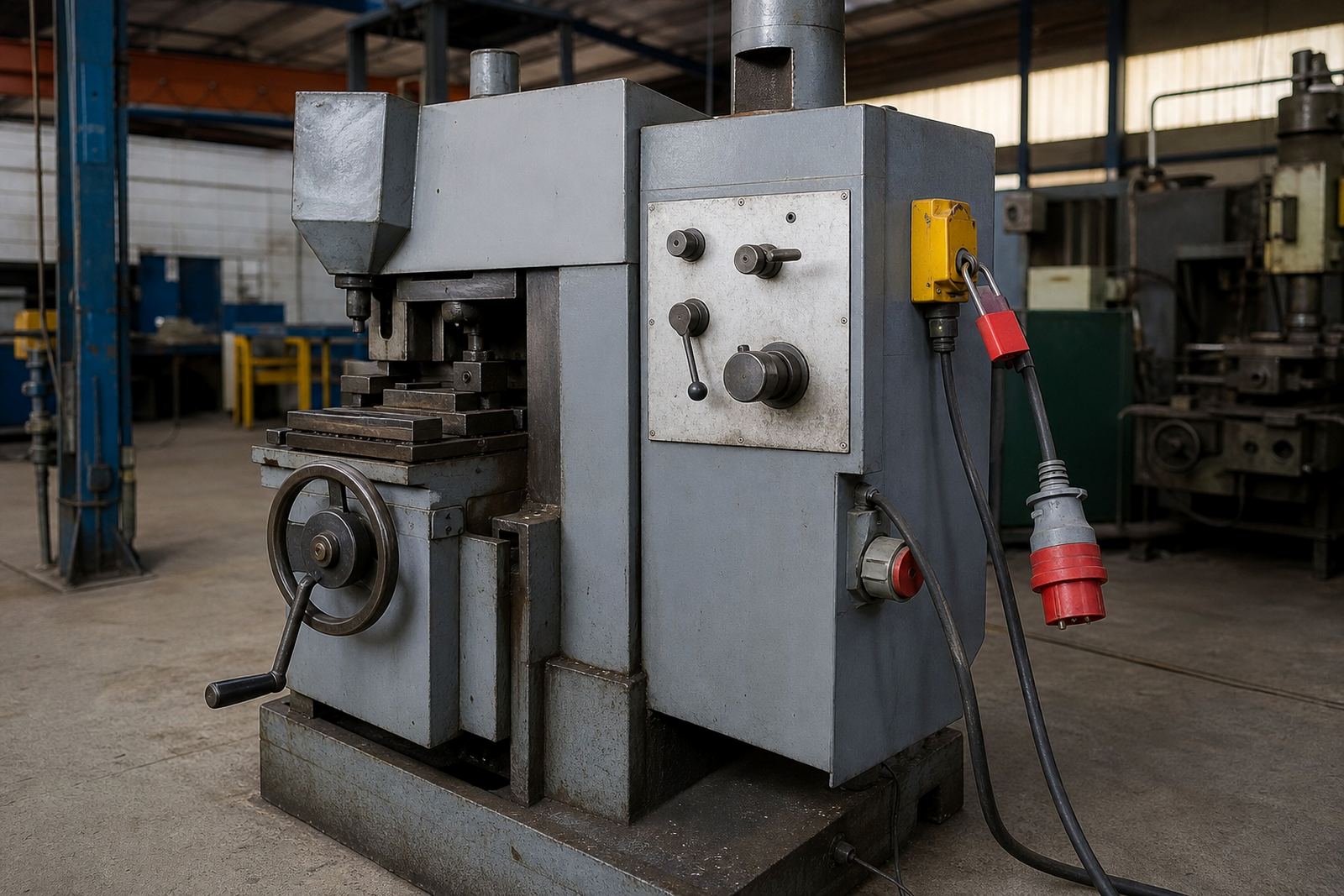
A sound removal plan does not need to be complicated, but it does need to be specific. The basics should always be checked before collection day. That includes access roads, loading height, gate width, floor condition, overhead clearance, power isolation and the availability of lifting equipment. If the site is in an industrial node like Germiston, Midrand or Pretoria, traffic flow and delivery timing can also affect the collection window.
It also helps to define who is responsible for each step. Is the buyer arranging transport? Is the seller providing a forklift for a short load? Is there a need for isolation by an electrician or a fitter before the machine can be moved? These practical points reduce confusion when multiple parties are involved.
- Confirm the collection date and time window in writing
- Check whether the machine must be disconnected before removal
- Measure doors, passages, ramps and loading bays
- Confirm lifting capacity for cranes, forklifts or winches
- Plan for weather, especially rain, wind or coastal humidity
- Arrange site access control and sign-off before the team arrives
In South Africa, some sites also have municipal or landlord rules around work hours, noise, waste removal and truck access. Those requirements should be checked early, especially where the collection day may include cutting, lifting or temporary road obstruction.
How sellers stay in control after the hammer falls
Once a lot is sold, sellers still need a clear path to closure. That means knowing when assets will be removed, what stays behind, and when the floor area will be cleared. In a factory or depot setting, the removal schedule affects the rest of the business too. Staff need room to keep working, and security teams need to know which vehicles and contractors are expected on site.
A seller also benefits from setting site rules before collection begins. If the machinery is in a shared yard, the time slot may need to be narrow. If the premises are in operation, the removal team may need to use a separate entrance or work around shift changes. This kind of planning helps avoid a messy handover and lowers the chance of damage claims later on.
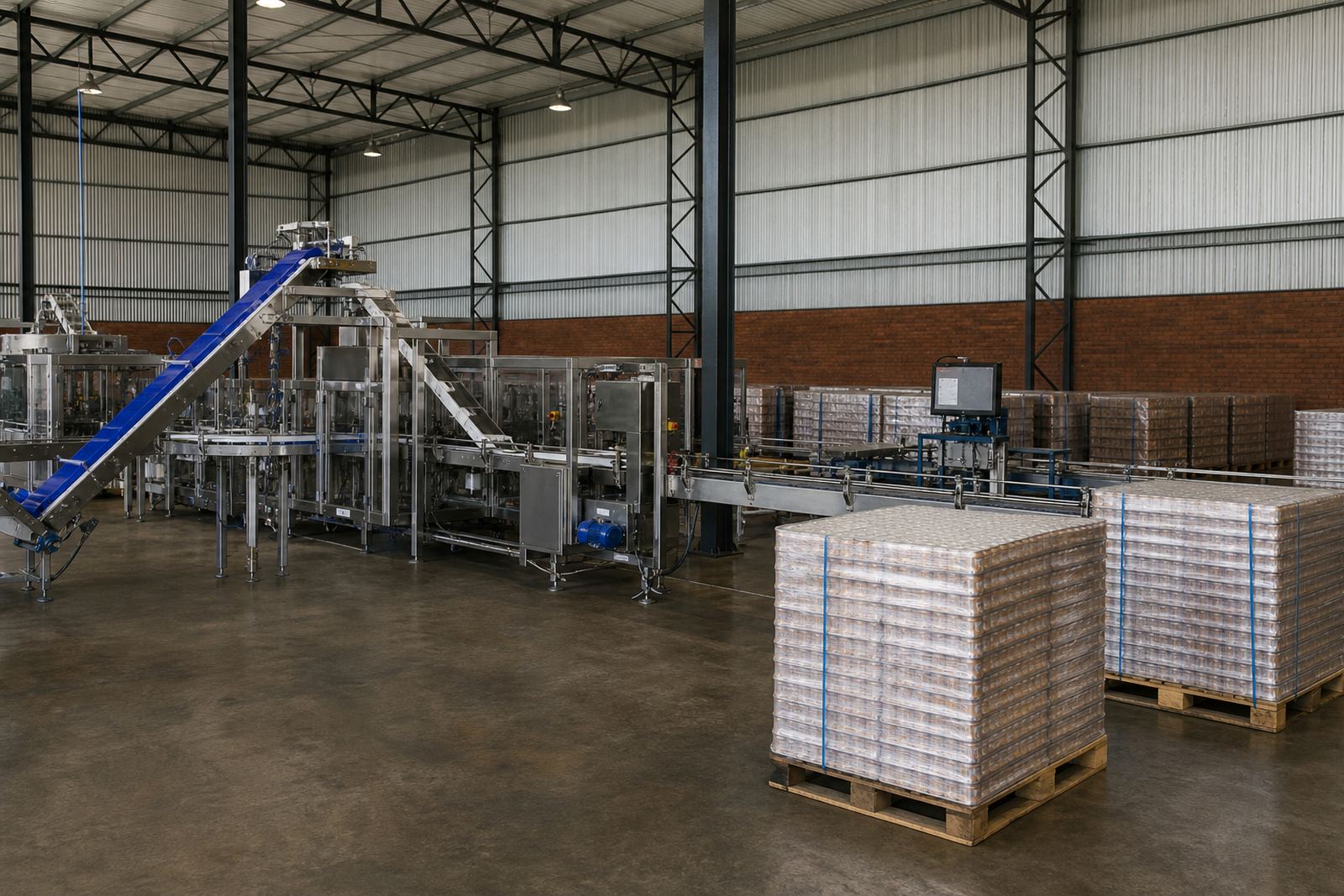
Clearance sales need even more attention. When several items are moving out in a short period, the loading sequence matters. Smaller parts, panels and loose fittings should be tagged and separated early. Bolts, guards, cables and manuals can disappear fast once the removal crew arrives, especially on a busy site with multiple buyers collecting on the same day.
- Prepare a list of what must leave and what must remain
- Mark sold items clearly to avoid mix-ups
- Keep a copy of site rules and collection instructions at reception
- Make sure keys, panels and accessories are handed over in a controlled way
- Leave enough space for loading without blocking emergency access
Buyer preparation makes collections faster and safer
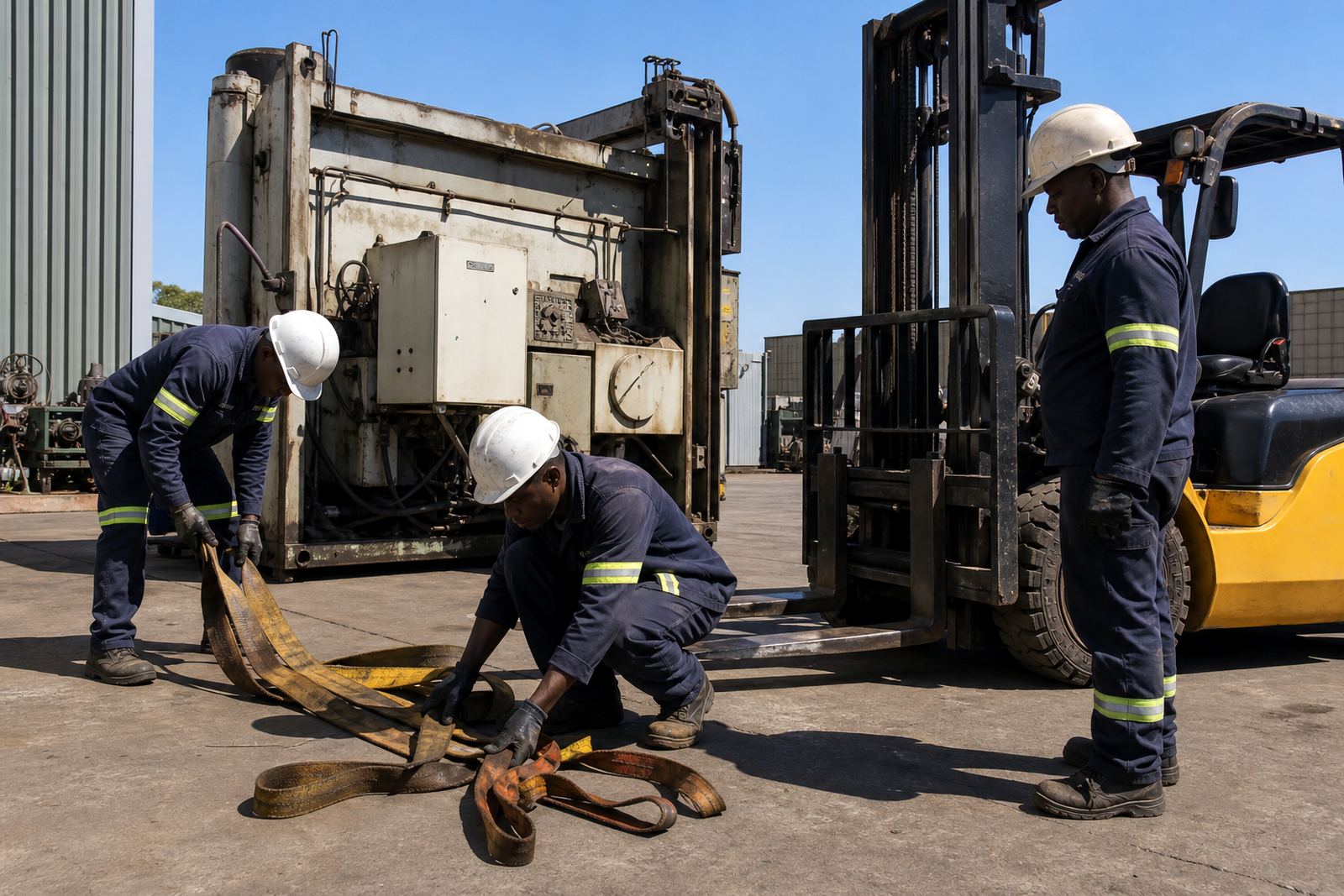
Buyers often assume that once they have paid, collection is simple. In practice, the condition of the machine, the site layout and the transport plan all need to line up. A buyer should inspect the item again if possible, confirm dimensions and decide whether the machine can be moved in one piece or whether it needs partial stripping first. Heavy plant and larger industrial units can require more than a flatbed and a driver.
Good preparation also includes the right paperwork and the right team on the day. The person collecting should know exactly which lot they are taking, who is signing for it, and what condition notes were agreed at sale. If the machine was stored outdoors, or near salt air in Durban or Gqeberha, rusted fixings and weathered components may need extra care during lifting and securing.
Buyers should also think about installation at the new site before collection. If a machine needs a three-phase connection, floor anchors or compressed air, those arrangements should be ready. There is little value in removing equipment quickly if it then sits idle because the receiving site is not prepared.
- Measure the machine and the route out of the site
- Check whether the load needs escort, straps or tarping
- Confirm the receiving site can accept delivery that same day
- Plan for contingencies such as broken pallets, seized fasteners or wet floors
- Use proper loading gear, not makeshift methods
Local conditions in Gauteng and coastal cities change the plan
Removal planning in Kempton Park is not the same as removal planning in Cape Town or Gqeberha. Inland sites can face tight industrial traffic, while coastal sites may bring humidity, corrosion and slippery loading surfaces. In Durban, rain can change a collection schedule quickly. In Johannesburg and Pretoria, access times may be affected by traffic and security controls. None of this is unusual, but it does have to be worked into the plan.
Load-shedding is another factor that still affects many sites. If power is unavailable, some machinery cannot be tested, disconnected in the normal way, or moved with electrical support equipment. That is why teams need backup arrangements and a realistic time window. A collection that starts late can easily overrun if the yard lights, dock leveller or workshop tools are out of service.
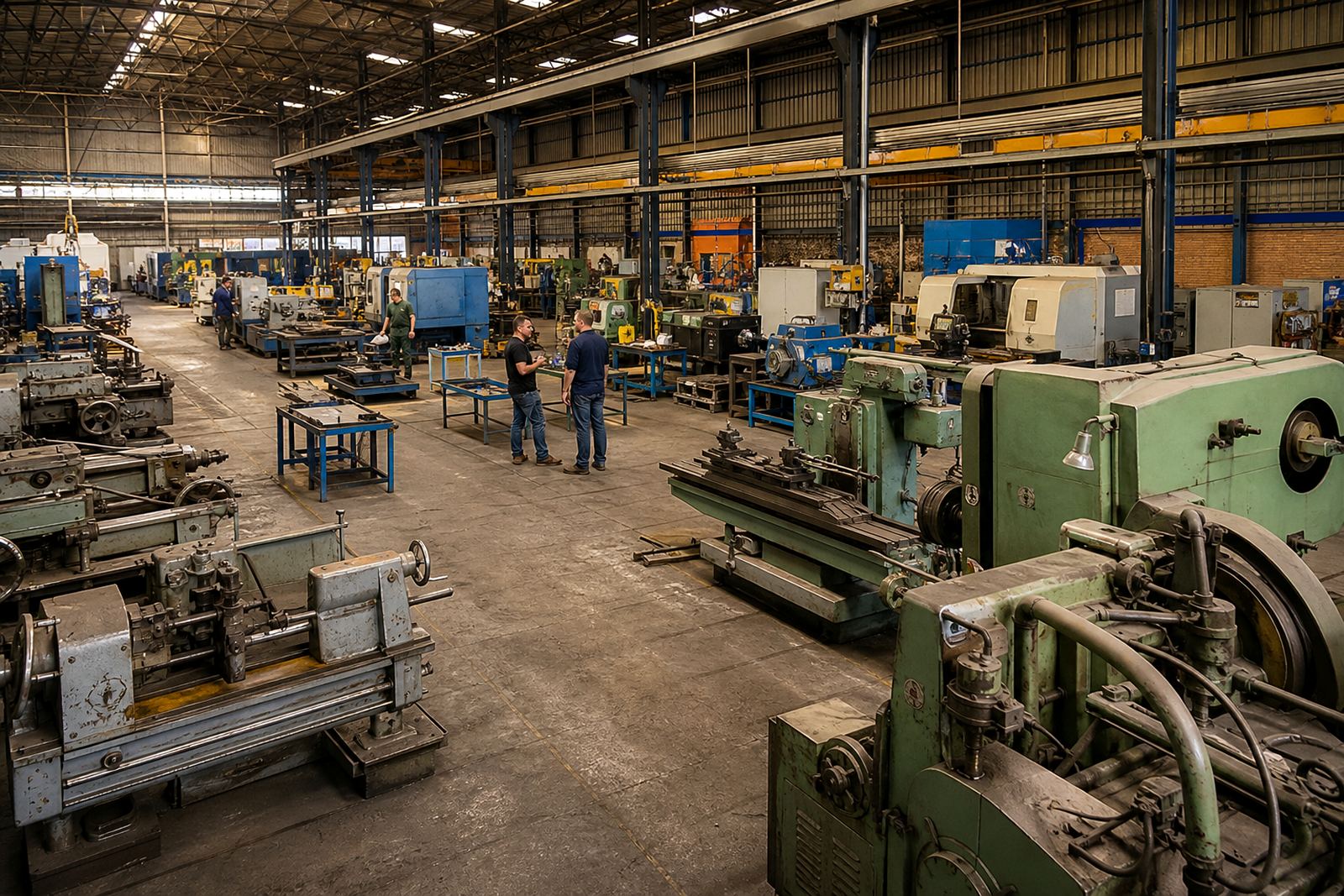
For a local example, a workshop in Midrand selling a group of used fabrication machines may need one day for disconnection and another for lifting and loading. If the same site is also receiving stock from another branch, the truck route and loading bay must be coordinated carefully. A good plan keeps all parties informed and prevents one buyer from arriving before the floor is clear for them.
How Machine Africa manages the handover from sale to collection
Machine Africa works across Kempton Park, Johannesburg, Pretoria, Durban, Cape Town, Gqeberha, Germiston and Midrand, so collection planning has to be practical and precise. The focus is always on keeping the sale moving from closure to removal without unnecessary delay. That means clear instructions, orderly lotting, site communication and sensible scheduling for buyers and sellers.
Our team handles the process step by step. Naledi Khumalo coordinates auction timing. Pieter van der Merwe checks the condition and practical handling of machinery. Ayesha Ismail keeps buyer communication clear. Thabo Molefe manages site operations, while Johan Botha oversees logistics and access. Lerato Nkosi supports the lot record and visual preparation, which helps reduce confusion when items are being collected.
The best removal plans are the ones that feel uneventful. No one is guessing, no one is waiting around, and the site can be cleared in an orderly way. That is especially important when the equipment is heavy, the access is tight or the buyer is collecting from more than one location.
A clean close-out protects value for everyone
Post-sale collection is not just a transport issue. It affects seller satisfaction, buyer confidence and the final outcome of the auction. When machinery is removed on time and handled properly, the site can be handed back in better order, the buyer can get the asset to work sooner, and the sale closes with less risk of dispute.
The strongest auctions are usually the ones where removal was planned early and explained clearly. That is how you avoid unfinished business after the sale. If you are selling industrial machinery, or you are the buyer taking it off site, treat collection planning as part of the value of the transaction, not a nuisance to sort out later.
For businesses in South Africa, from large plants to smaller workshops, that practical approach saves time and keeps the process moving. It also means the people involved can get back to their own work without another round of calls, delays or missed access windows.