What an inspection can confirm on an idle plant
When industrial machinery is standing still, an inspection still has value. A valuer or auction specialist can confirm the machine type, general condition, build quality, visible wear, completeness, safety concerns and whether the item matches the details on the nameplate or data plate. That is often enough to form an opinion of value and decide how the machine should be presented for auction.
What an inspection cannot do, on its own, is prove how the machine will perform under load, how it will behave after a full start-up, or whether hidden electrical and mechanical faults are waiting underneath the surface. If a machine has been idle for months, or even years, seals can dry out, grease can harden and panels may hide damage from previous handling. In Kempton Park and other industrial areas around Gauteng, that is common when premises are being cleared or a production line has gone quiet.
Why disconnected equipment narrows the inspection scope
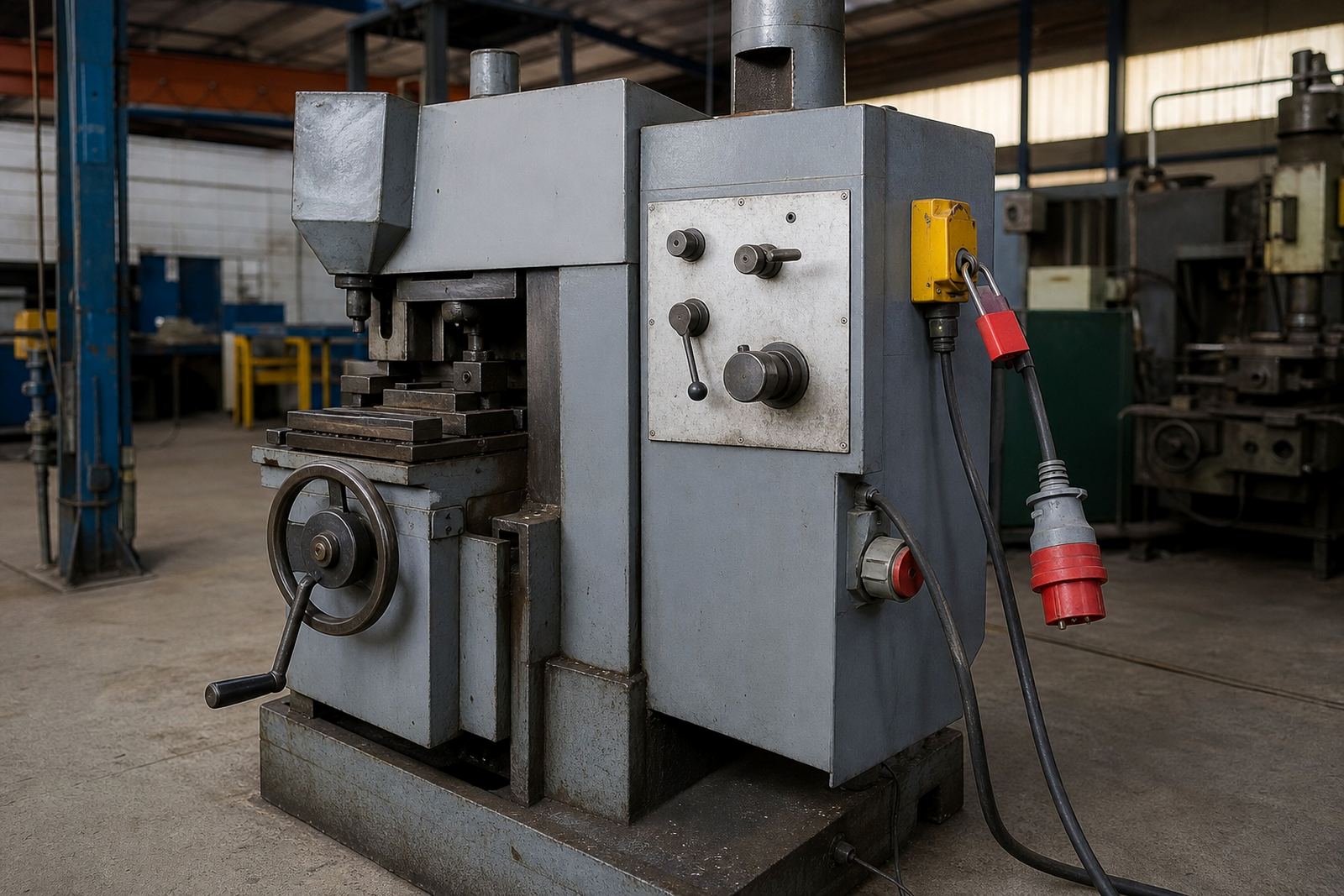
Once a machine is disconnected from power, air, water or hydraulics, the inspection becomes more limited. You can still assess the frame, guards, belts, bearings, switches, hoses, cylinders, tables and tooling, but you cannot fully test the system as it was meant to run. A press brake, lathe, compressor or packaging line may look complete from a distance yet still have missing control parts, faulty wiring or a motor that only shows its true condition when energised.
This is why an inspection should be treated as a structured visual and functional check, not a guarantee of working order. A clear report should separate what was seen from what could not be tested. That distinction matters for both sellers and buyers, and it keeps the auction process fair.
- Power may be off because of decommissioning, load-shedding or safe isolation before removal.
- Air lines, coolant lines and services may have already been stripped.
- Some components may be boxed separately, or missing entirely.
- Access to upper gantries, pits or enclosed plant rooms can be restricted.
- Dust, grease and storage conditions can hide corrosion or cracks.
Common risks that do not show up straight away
The hardest part of inspecting idle machinery is what you cannot see without a test run or strip-down. Electrical faults can sit in control panels, contactors and starters. Mechanical wear can be hidden inside gearboxes, spindle housings and pumps. Even on well-kept machines, a simple idle period can create risk if the unit has stood in a humid coastal area, or if it has been moved a few times without proper handling.
For buyers, this is where caution is needed. A machine may appear tidy and complete, yet still need recommissioning, cleaning or replacement parts before it is useful. For sellers, being upfront about the limits of inspection helps avoid disputes later. An honest description is better than overselling what cannot be confirmed. It also helps the lotting process, because known defects can be grouped properly instead of left to surface on auction day.
- Corrosion on terminals, guards, fasteners and exposed metal surfaces.
- Dry seals, worn hoses and perished cables.
- Missing tooling, dies, inserts, manuals or remote controls.
- Overlooked damage from lifting, moving or prior installation changes.
- Safety items that may be present but not fully testable on site.
How reserve guidance changes when testing is limited
Reserve guidance is more reliable when a machine can be powered and demonstrated, but even then it must be based on what can be confirmed. If testing is limited, reserve guidance should reflect visible condition, completeness, market demand and the cost of recommissioning. It should not be based on assumptions that the machine will start first time or reach full output without work.
For example, a packaging machine in Germiston may be complete but disconnected because the factory has shut down. A valuer can still assess frame condition, access panels, guarding and the state of the controls, but the final opinion of value will naturally carry more caution than it would for a machine already running in a live plant. That is normal. It is better to set expectations clearly than to promise certainty where none exists.
A Kempton Park example from an idle production site
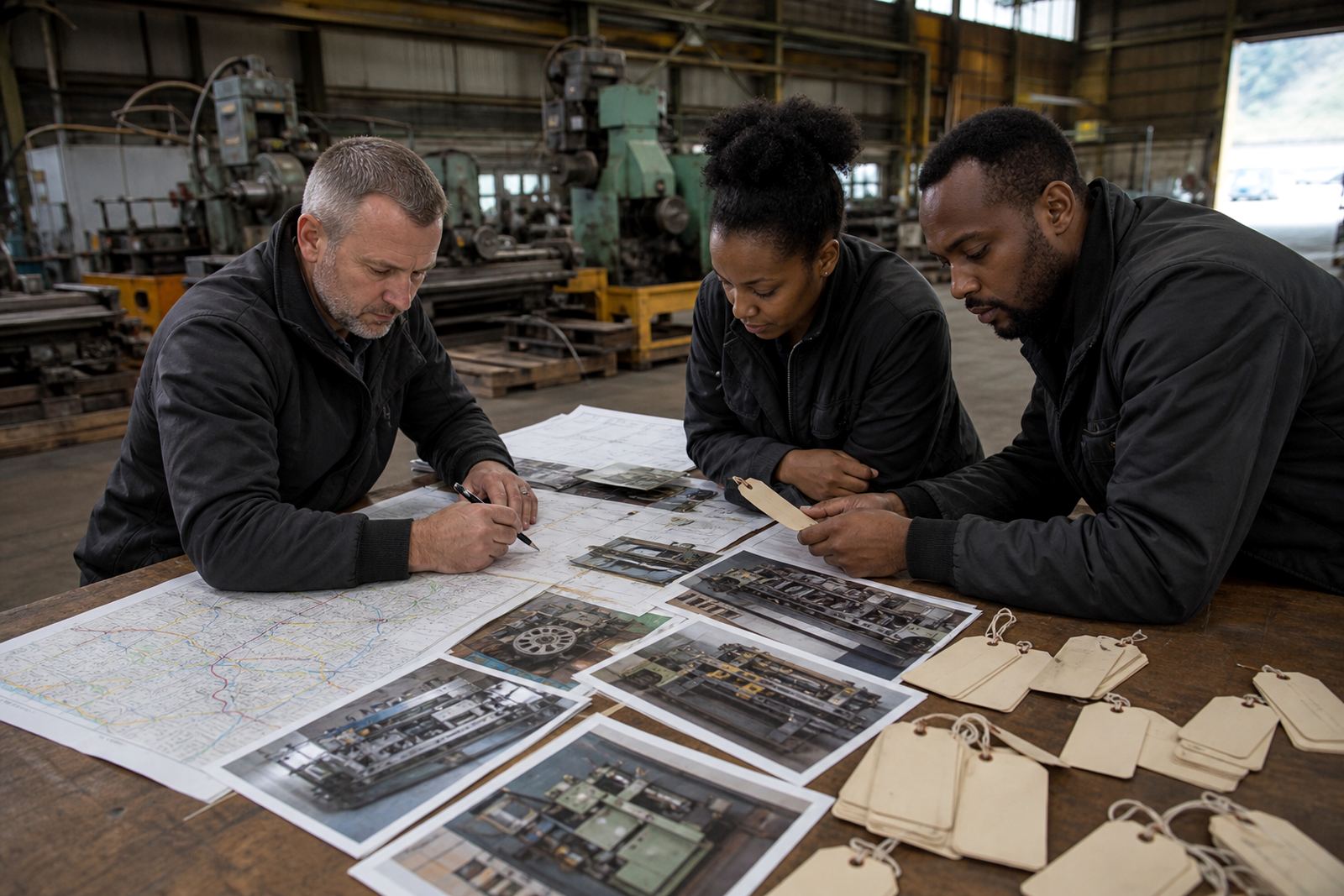
On a recent style of site common in Kempton Park, a small processing plant had been idle while the owner arranged a clearance sale. The machines were still in place, but power had been isolated, a few cables had been removed and several spare parts had been stored separately in another room. The inspection could confirm the layout, machine sizes, overall condition and what was still present, but not every function.
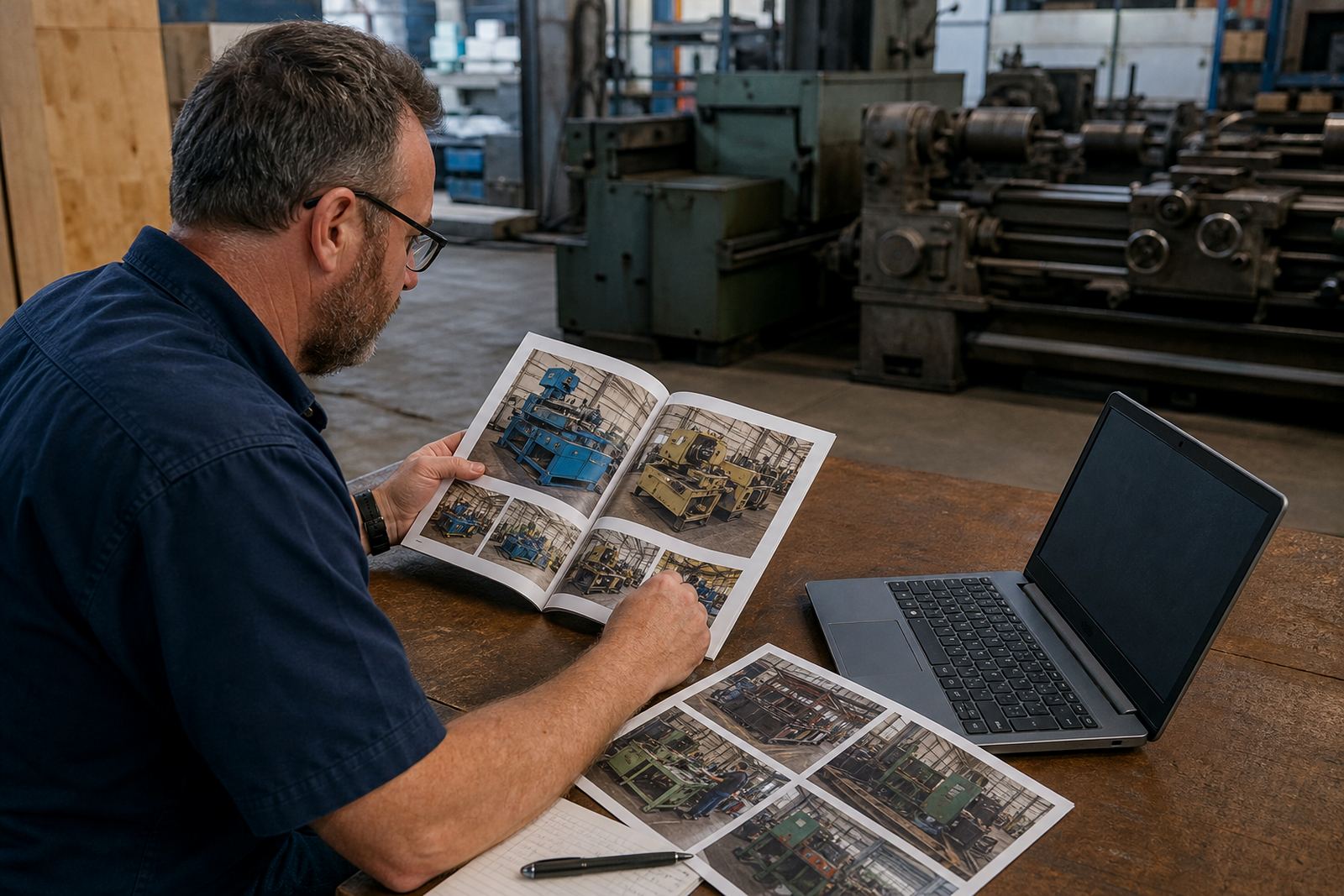
That meant the catalogue had to be specific. Each lot was described by what could be seen and what could not be verified. The viewing day focused on completeness, access and condition, not on live production. Buyers who attended understood that they were buying used industrial machinery with inspection limits, not a tested new installation. That kind of clarity saves time for everyone.
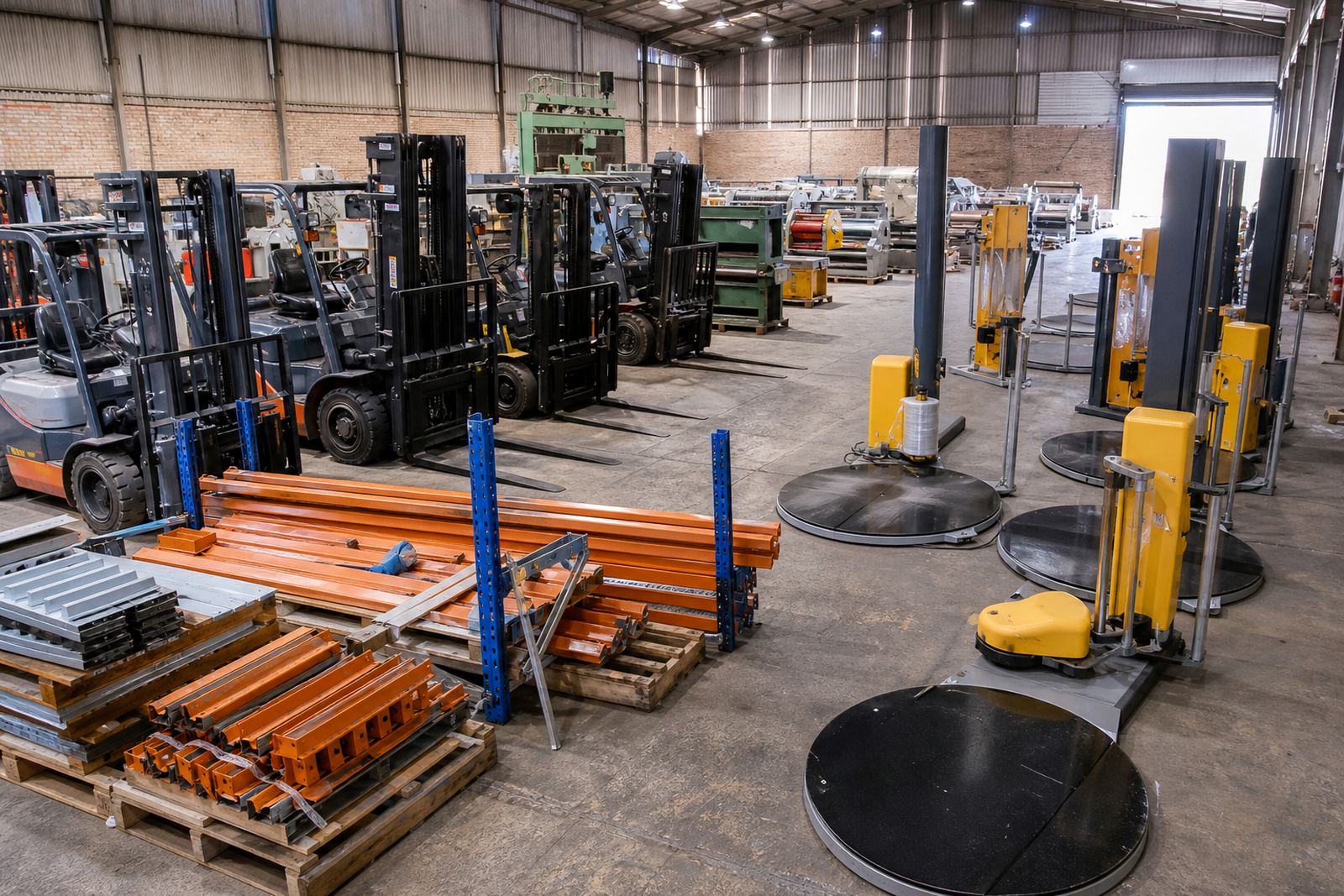
The same approach helps in Johannesburg, Pretoria, Durban, Cape Town and Gqeberha, especially where premises are being emptied under tight deadlines or where municipal access, safety procedures or site rules limit how long an inspection team can stay on the floor. Good planning matters. So does plain language.
What sellers should prepare before an inspection
Sellers can make an inspection more useful by preparing the site properly. Clear access paths, keep loose parts together and make sure the team knows which machines are live, isolated or out of service. If manuals, spare tooling or removable accessories exist, keep them with the correct machine and label them clearly. That small step can make a major difference to the final catalogue and to buyer confidence.
It also helps to be honest about problems that are already known. If a motor has been removed, if a guard is missing, or if a machine has not run for a long period, say so early. It is not a weakness. It is practical information that improves planning and avoids confusion during collection coordination and closure support.
- Unlock and open access panels where safe to do so.
- Group loose components, dies, trays and controls with each machine.
- Mark items that are not included in the sale.
- Provide any maintenance notes, service logs or plant records available.
- Keep the site tidy enough for safe movement and photographs.
Why buyers should read inspection notes carefully
Buyers often focus on the machine itself and skim past the inspection wording, but that is where the important limits are stated. If a report says a unit was not powered, not load tested or only visually inspected, that is a clear signal to budget for further checks after purchase. It does not mean the machine is poor, only that the inspection had boundaries.
A careful buyer uses that information to decide whether the lot suits their workshop, their timeline and their tolerance for recommissioning work. That is especially important for businesses working around load-shedding, spare-parts delays or tight production schedules. A machine bought at auction can be a good asset, but only if the limits of inspection are understood before bidding starts. That simple step keeps expectations realistic and the process fair.