Start With Clear Access, Not Perfect Conditions
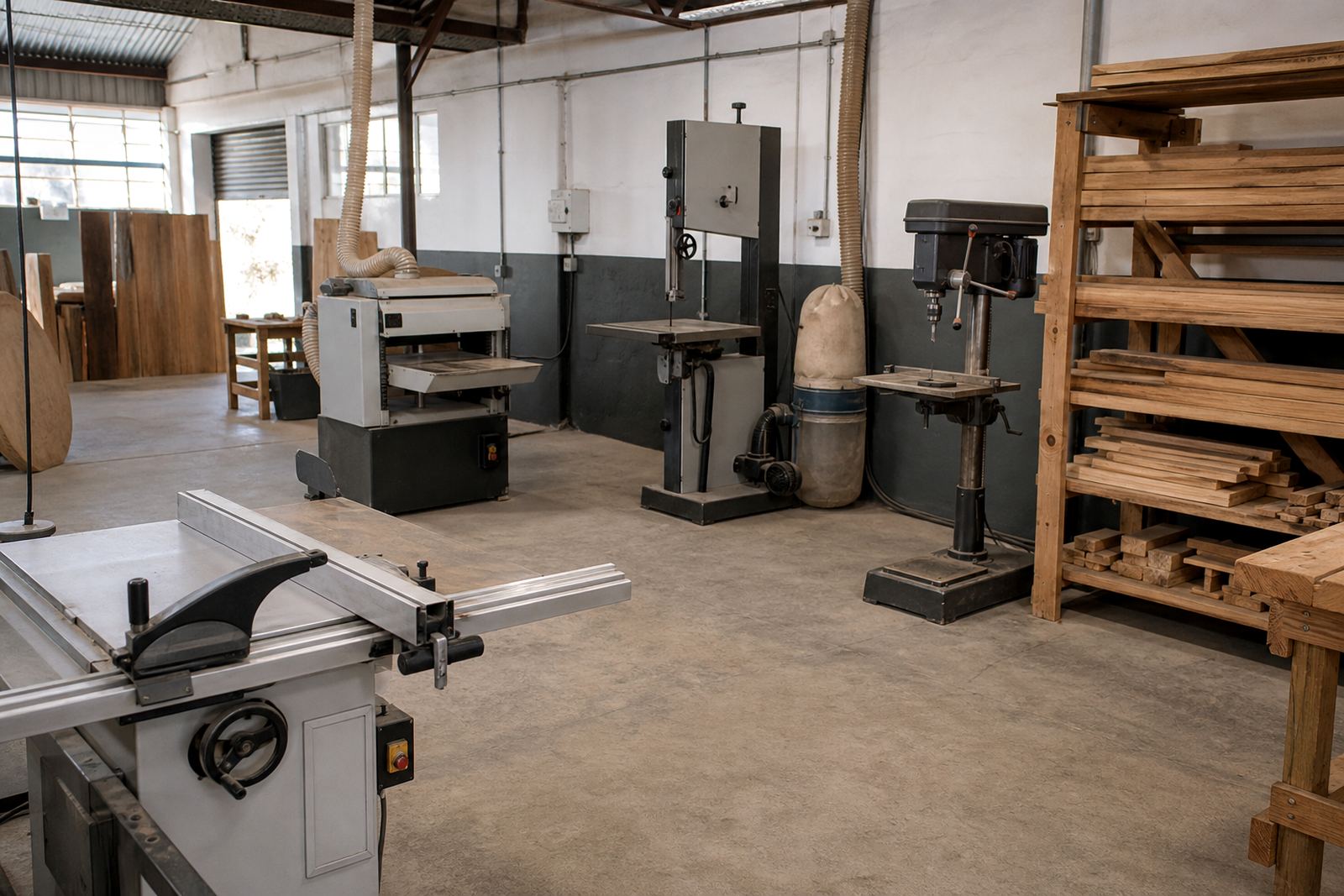
When a woodworking site is being prepared for an auction or valuation, the first job is to make the machines easy to reach. Buyers want to see the panel saw, planer, thicknesser, spindle moulder, dust extraction line and compressors from more than one side, so keep walkways open and remove timber offcuts, packaging and loose hardware from the floor. In Kempton Park and the wider Gauteng area, many workshops are tight on space, so even one clear passage around each item can make a large difference on viewing day.
Think about how a buyer will move through the site. If a forklift is needed to shift a machine for photos or inspection, plan the route before the team arrives. Doors should open fully, roller shutters should work, and any low beams, uneven floors or tight corners need to be flagged early. If the site has load-shedding risks, test the lighting before the viewing starts so the machines can be seen properly and safely.
Clean Machines Enough to Show Condition
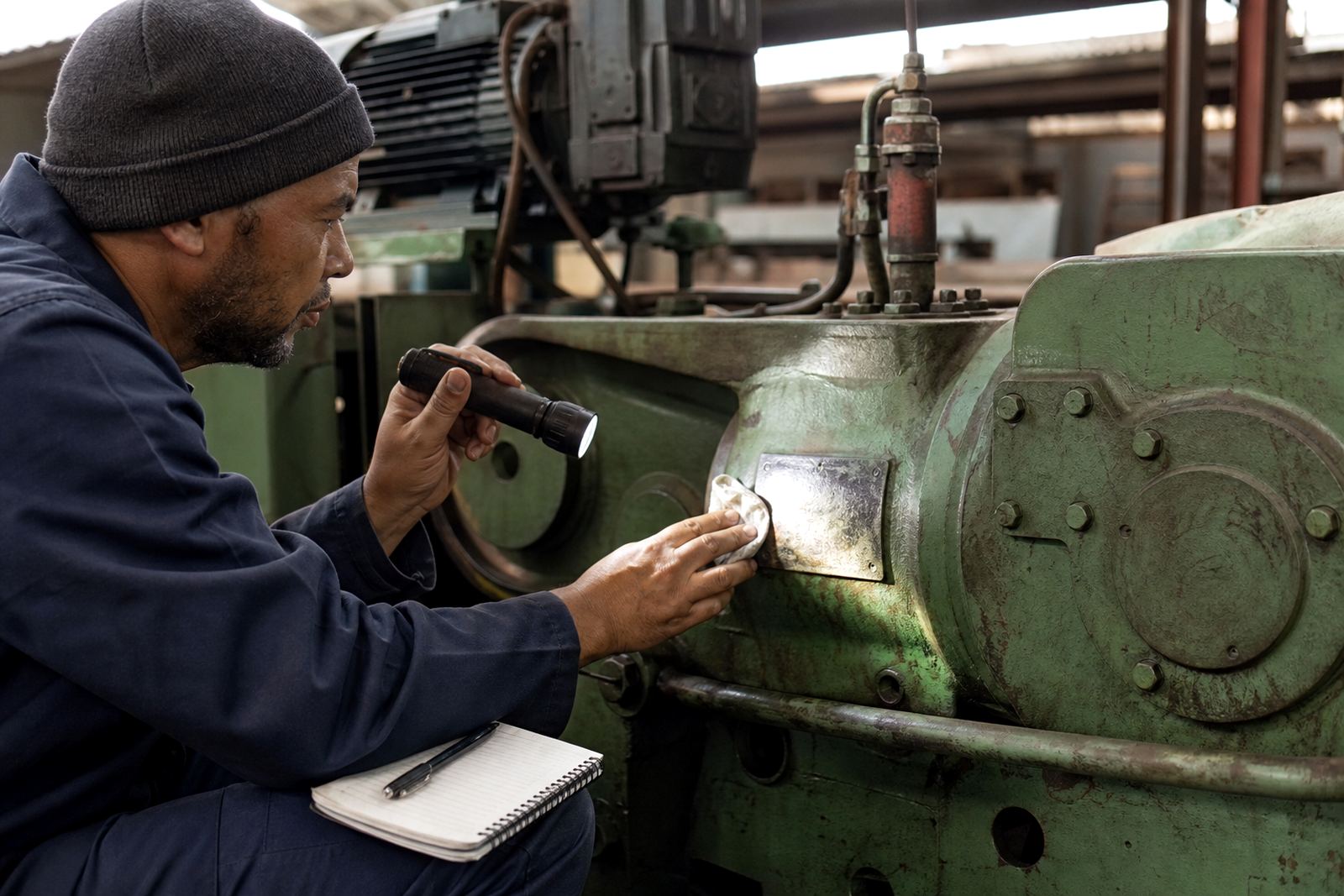
Woodworking machinery does not need a showroom finish, but dust, resin build up and offcuts can hide useful details. Buyers need to see guards, belts, switches, fences, tables, beds and serial plates where present. A basic clean with compressed air, brushes and safe wipe down of exposed surfaces helps a great deal. Avoid over washing electrical areas or forcing moisture into motors and control boxes, especially in coastal areas like Durban and Gqeberha where humidity is already a factor.
Do not repaint worn areas just to make equipment look newer. A fair valuation depends on the actual condition, not cosmetic tricks. Surface rust, worn bearings, cracked hoses, missing guards and bent tables should be visible and noted. That honesty helps buyers trust the lotting and reduces avoidable disputes later on.
- Remove sawdust from guards, rails, motors and feed tables.
- Clear out loose blades, cutters, clamps and spare parts unless they are being sold with the machine.
- Check that switch labels, safety stops and emergency buttons are visible.
- Tag any machine that is incomplete, not working or awaiting parts.
Prepare the Paper Trail Before the Cameras Arrive
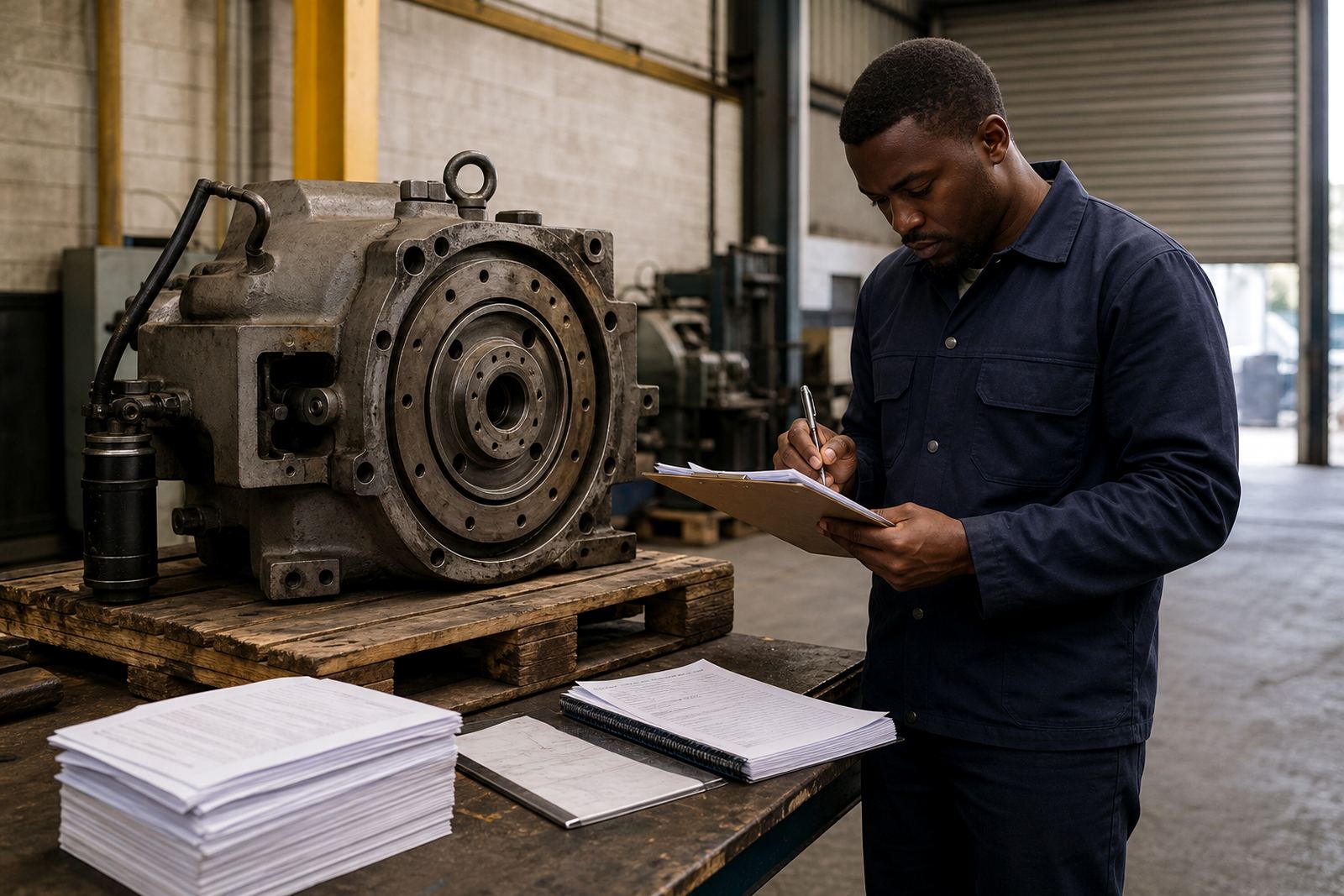
A good auction file is just as important as a clean machine. Where available, gather service records, manuals, maintenance notes, purchase invoices, asset lists and any details about recent repairs or upgrades. Buyers often ask whether a machine has been regularly used, when the last service was done and if any major parts have been changed. Having that information ready saves time and supports a more accurate opinion of value.
For plant appraisals and auction planning, we also need to know what is included with each item. If a dust extraction unit is linked to a specific saw line, or if a compressor serves more than one machine, that should be set out clearly. The same applies to motors, tables, fences, tooling and spares. A clear list reduces confusion and makes the catalogue easier to follow for buyers in Johannesburg, Pretoria, Midrand or further afield.
- List make, model and serial number where visible.
- Record power requirements and phase details if known.
- Note if the machine is installed, disconnected or already moved.
- Separate fixed assets from loose consumables and hand tools.
Photograph for Accuracy, Not Just Appearance
Good listing photos help buyers judge size, condition and completeness before they visit. Each machine should be photographed from the front, both sides, the rear where possible, and close up on controls, tables, motors, guards and nameplates. Wide shots of the workshop matter too because they show the layout, spacing and how easy it will be to load out the items later.
Use natural light where you can and switch on all available lighting for darker areas. In winter mornings around Germiston and Kempton Park, shadows can hide damage if the room is poorly lit. If the site has windows that create glare on machine tables, take some images from a lower angle as well. Photos should never hide defects, because the buyer will see them in person during the viewing day anyway. A clear picture now avoids awkward questions later and keeps the process straightforward.
Plan Buyer Movement and Site Safety Early
Woodshop auctions can attract a mix of cabinetmakers, furniture producers, contractors and resellers, so the viewing area needs to be safe and organised. Mark out entry and exit points, keep cables taped or lifted out of the way and make sure any loose blades or cutters are stored securely. If there are pits, steps, mezzanines or low door frames, they should be identified before visitors arrive. The goal is simple: let buyers inspect without getting in each others way.
In a live industrial setting, safety is not a side issue. Electric isolation, forklift movement, compressed air and stored timber all need attention. If a machine cannot be powered on, say so clearly. If a machine can be tested, it should be done by a competent person and only when safe to do so. That kind of preparation helps with reserve guidance too, because the valuer can assess the equipment on practical facts rather than guesswork.
- Keep children, non essential staff and unrelated visitors away from the viewing route.
- Lock away loose blades, router bits and sharp tooling after photographs are taken.
- Post simple safety notes where machines are heavy, unstable or not connected.
- Allow enough time for buyers to ask questions without pressure.
Match the Prep to the Type of Woodshop
A joinery shop in Cape Town will not need the same approach as a cabinet factory in Pretoria or a small repair workshop in Durban. The size of the premises, the machine mix and the lifting access all change the prep plan. A compact site may need lots of catalogue notes and careful lotting, while a larger plant might need phased viewing and clearer routes for trucks and loading equipment.
For example, a Kempton Park woodshop with several bench machines, one beam saw and a dust extraction system may need a careful photo plan before the machines are separated for sale. If the site is near busy traffic routes, collections may also need timed access to avoid congestion. When the layout is difficult, sellers often find it useful to ask for site logistics support early so there is enough time to mark lots, plan removal and keep the floor clear for viewing. That planning often saves hours on auction week.
What Sellers Can Expect From the Valuation and Auction Process
A valuation is an opinion of value based on the machine condition, age, make, completeness, market demand and how easily the item can be sold. It is not a guarantee of the final auction price. A well prepared woodshop can support a clearer valuation because the valuer can inspect and catalogue the equipment properly, but the market still decides the final outcome on the day. That is why transparent descriptions matter so much.
Once the site is ready, the process normally moves through inspection, lotting, catalogue preparation, viewing day and then auction or sale close. Seller representation and closure support help keep the process orderly from start to finish. For businesses in Johannesburg, Pretoria, Durban, Cape Town and Gqeberha, the practical aim is the same: make the machines easy to inspect, easy to list and easy for buyers to understand. When that happens, the whole sale tends to run cleaner and with fewer surprises.
Machine Africa works from Kempton Park and supports sellers and buyers across South Africa with on site valuations, auction planning, photo listing prep, collection coordination and closure support. If you are preparing a woodshop for sale, start with clear access, honest condition notes and proper records, then build the rest around those basics.