Start With The Basics: Identity, Build And Use History
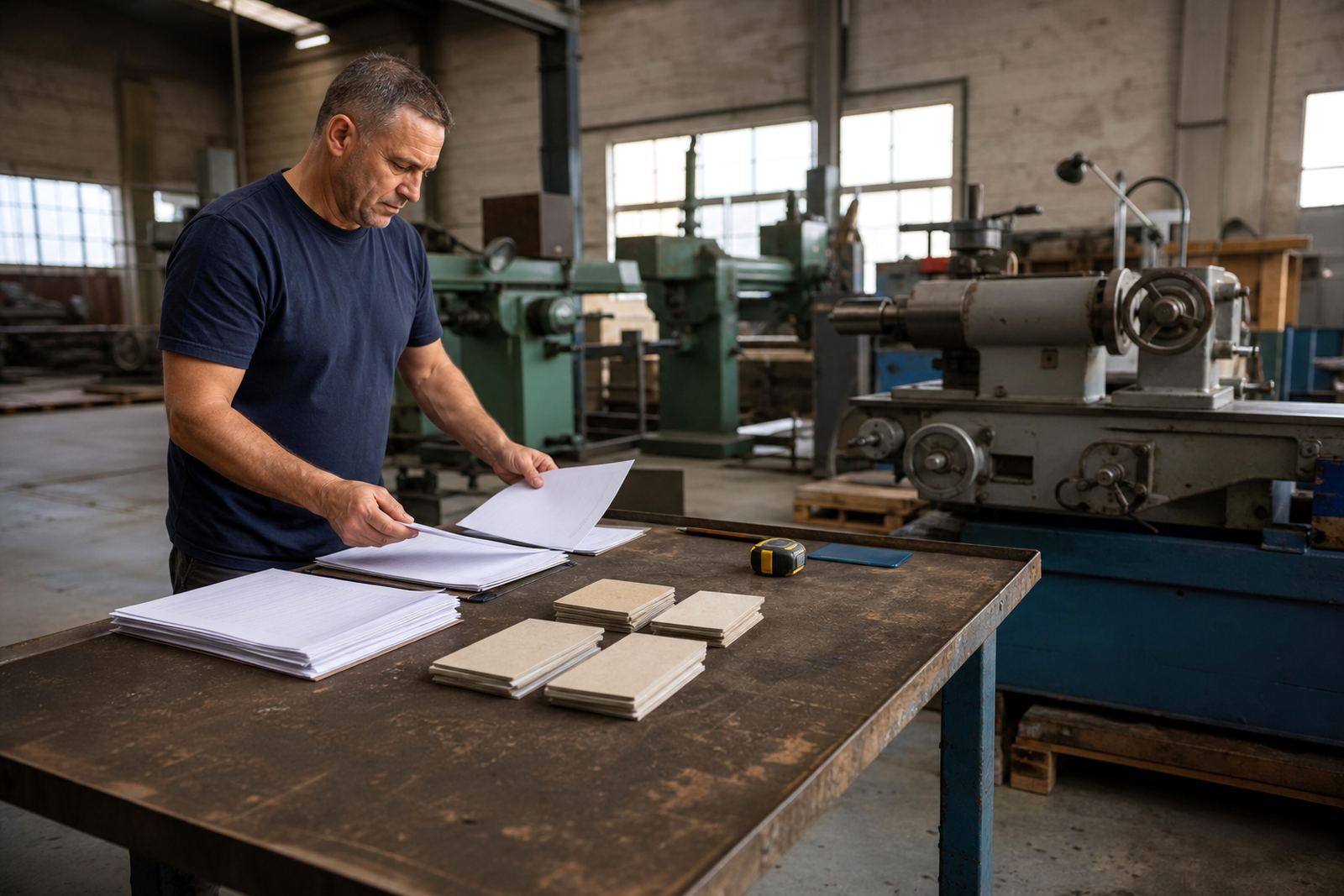
The first step in any condition check is to confirm what the machine is, how it was used, and whether the paperwork matches the item on the floor. A press, lathe, compressor, generator or packaging line can look tidy on the outside but still have a hard working life behind it. Serial plates, model details, motor ratings and year estimates all matter because they help set the right expectations for a valuation or auction listing.
A good inspection also looks at the machine’s role in the plant. Was it used on one shift or three, indoors or near dust and moisture, and was it part of a routine maintenance programme. In Gauteng, many units in Kempton Park and Germiston have been kept in warehouse settings, while coastal machines in Durban or Gqeberha may show more corrosion from salty air. Those details can change how condition is recorded and how the item is presented to buyers.
It is worth remembering that a valuation is an opinion of value based on the evidence available. It is not a guarantee of a sale price, and it should be read alongside the machine’s condition, market interest and the time allowed for sale.
Structural Wear And The Signs That Matter Most
Physical condition is usually the easiest part to see and one of the most important. Inspectors look for cracks in frames, bent guards, missing fasteners, broken feet, uneven welds and signs that a machine has been moved roughly. On older equipment, paint can hide a lot, so it helps to look under covers, behind panels and around mounting points.
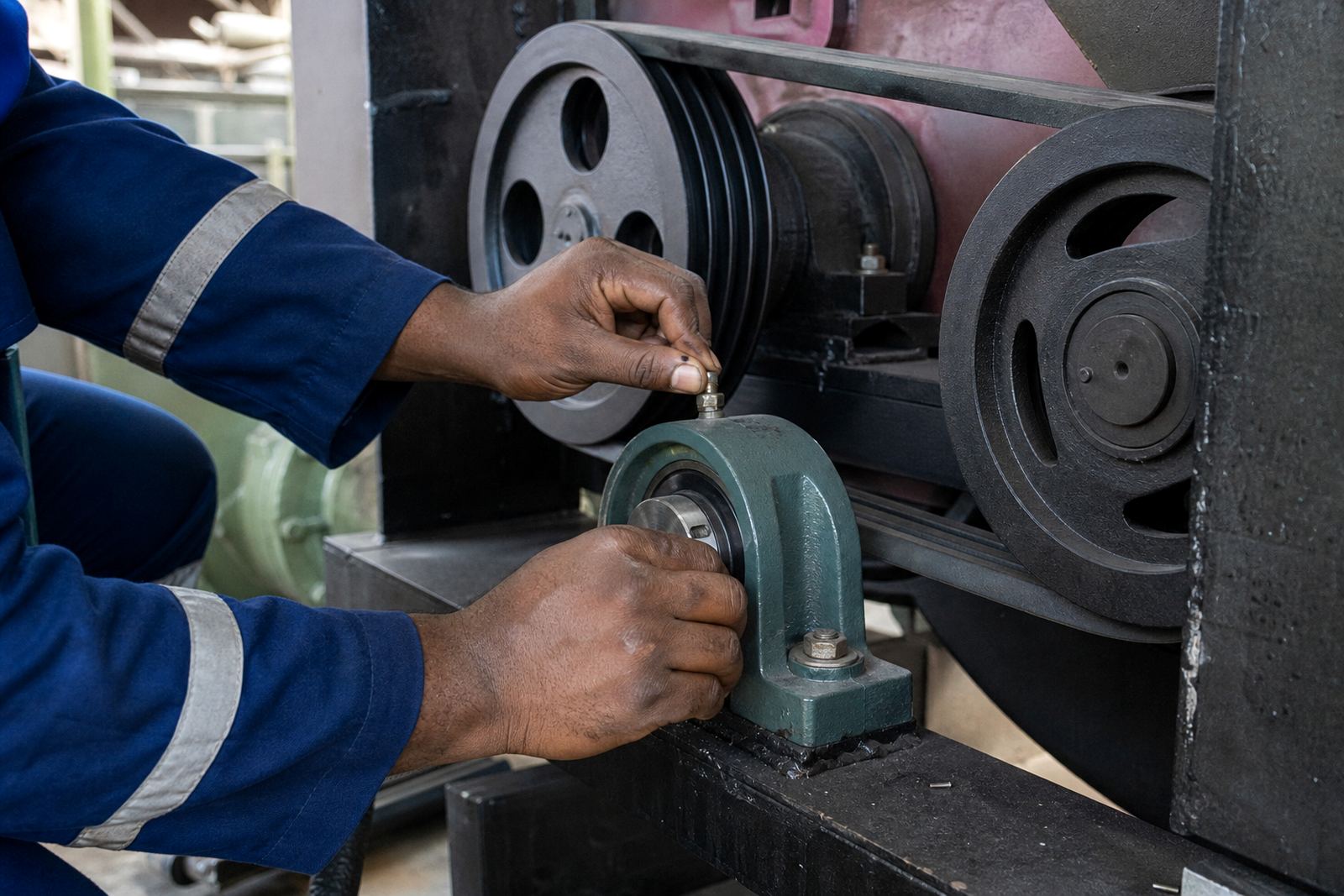
Common wear points include bearings, chains, belts, couplings, slides, spindles and rollers. If a machine has heavy vibration, noisy running or excessive play in moving parts, that can point to deeper mechanical issues. Surface rust is not always a deal breaker, but pitting, seized components and corrosion around load bearing areas need careful note.
- Check whether doors, covers and access panels open and close properly.
- Look for oil stains, coolant residue or dust build up around seals.
- Inspect welded repairs to see if they are neat and properly supported.
- Compare wear on both sides of a machine for signs of uneven loading.
For auction planning, these notes help determine whether the machine should be sold as working, as is, or with specific faults disclosed to bidders.
Electrics, Controls And Load-Shedding Readiness
Electrical condition is one of the most common problem areas on used machinery. Inspectors will check the main isolator, control panels, contactors, relays, cables, plugs, indicators and emergency stop buttons. Loose wiring, burnt terminals and damaged conduits are all warning signs. A machine might power up, yet still have weak controls or intermittent faults that only show under load.
In South Africa, load-shedding and frequent start-stop cycles can also affect certain equipment. Machines with sensitive electronic controls, batteries, timers or memory settings may need a closer look after power interruptions. Where there are voltage concerns or generator changeovers, that context should be recorded because it can influence how safely the unit can be tested on site.
- Confirm that the emergency stop works and resets properly.
- Check for missing labels, damaged buttons or loose panel hinges.
- Look for heat marks or discolouration around the electrical board.
- Ask when the machine was last tested under normal working conditions.
For buyers, this is not just about whether the machine runs. It is about whether it can be connected, controlled and used safely in a real workshop or factory setting.
Hydraulics, Pneumatics And Fluid Condition
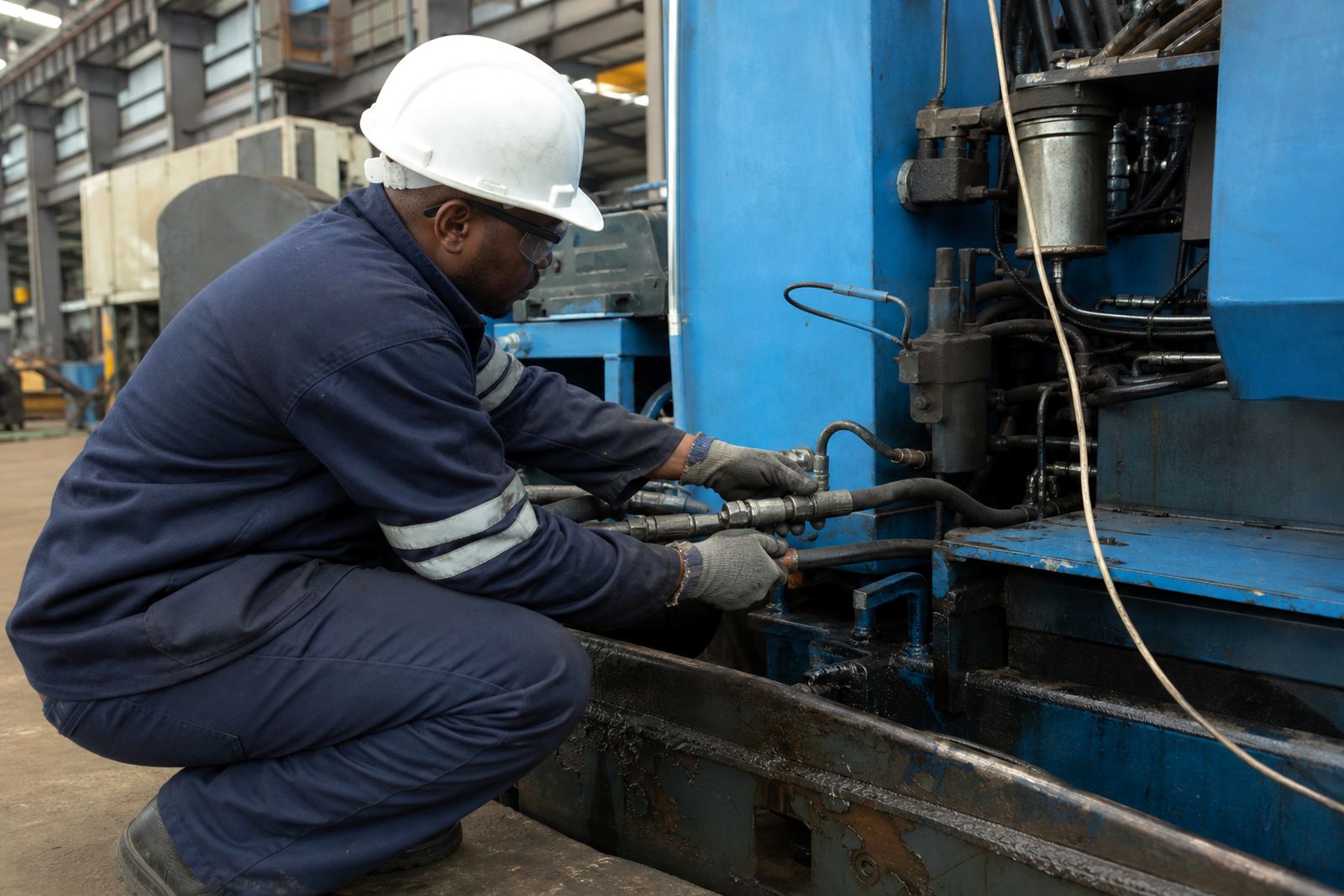
Many used industrial machines depend on hydraulics or compressed air, and these systems often tell the truth about a machine’s condition. Leaks around hoses, seals, cylinders and fittings can mean worn parts or overdue servicing. Oil colour, smell and contamination are also useful indicators. Dark, milky or foamy oil can point to water ingress, overheating or poor maintenance.
Pneumatic systems should be checked for air leaks, damaged lines, weak pressure and noisy compressors. On production equipment, even a small loss of pressure can cause unreliable cycling, poor output or stoppages. The same applies to chilled water or coolant systems where pumps, valves and reservoirs are part of the machine’s day to day operation.
When valuing a unit, these findings are recorded because they affect the work needed before resale. A machine with clean, dry hydraulics and stable pressure readings will usually present better than one with multiple seep points and unknown service history. That said, the final opinion of value still depends on the market and the full picture, not one single fault.
Safety Guards, Missing Parts And Compliance Clues
Safety features are a major part of any inspection. Guards, interlocks, emergency stops, warning labels and operator barriers should all be present and in usable condition. Missing guards are common on older machines, especially where the equipment has changed hands more than once. A machine can be mechanically sound and still be unsuitable for immediate use if key safety parts are absent.
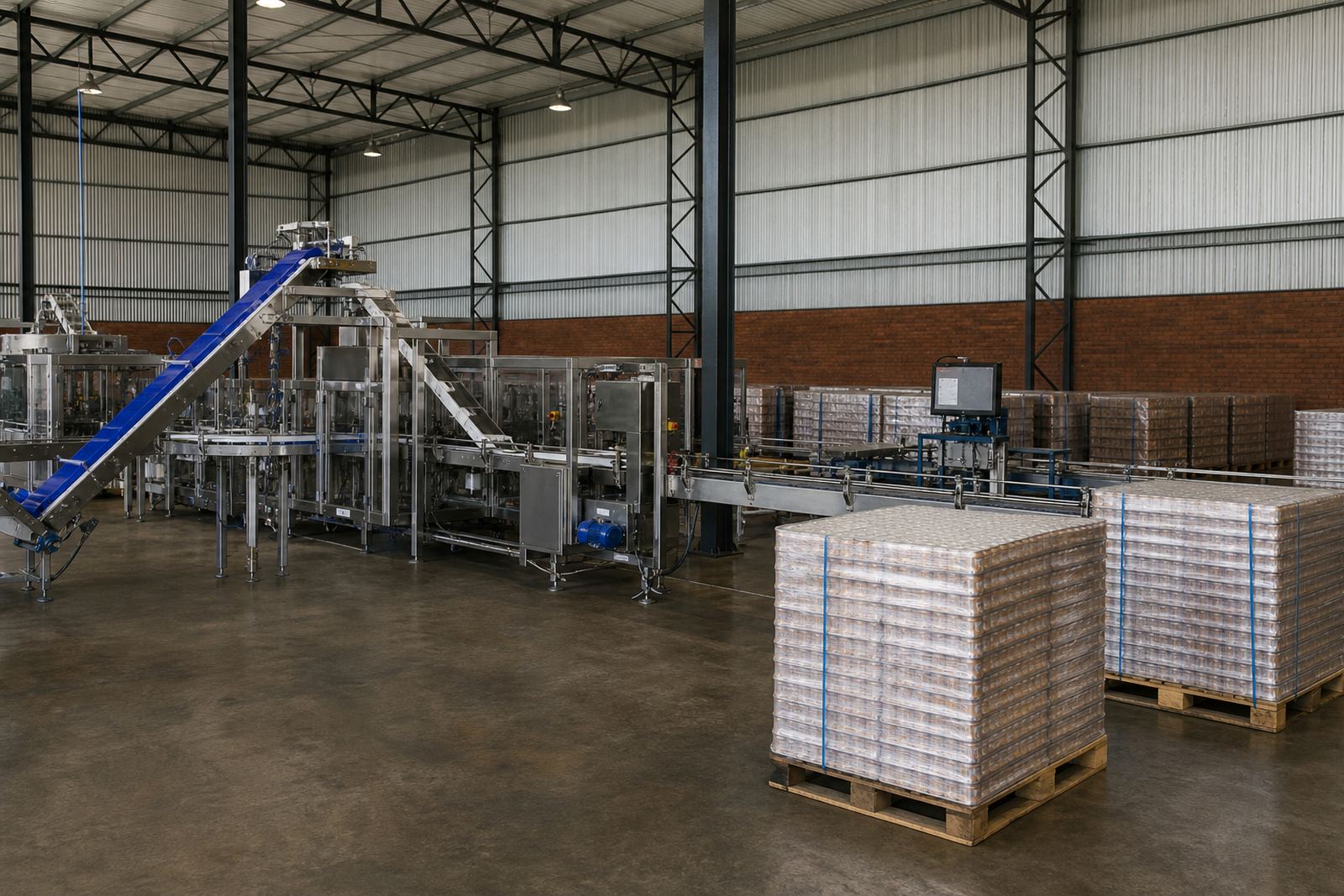
Inspectors also note missing tooling, dies, chucks, trays, control boxes, manuals and change parts. These items can make a big difference to the practical value of the machine. In some cases the seller may have moved spare parts separately, so a proper inventory matters before auction day or collection.
- Check whether all fixed guards are present and properly secured.
- Confirm that labels and warning notices are still readable.
- List missing accessories clearly so buyers know what is and is not included.
- Record any visible non-standard modifications or bypasses.
Where a machine is intended for sale in Johannesburg, Pretoria or Cape Town, the inspection notes should be clear enough for remote buyers to understand the condition without guessing. That reduces disputes later and keeps the process straightforward.
Site Access, Lifting And Removal Practicalities
Condition checks are not only about the machine itself. The site matters too. A unit that is parked in a tight workshop, on a mezzanine, or behind fixed racking may need extra lifting gear and more time to remove. Broken floors, narrow doorways, low lintels and uneven yards can all affect the way the machine is handled during collection.
This is especially relevant for auction lots that need to be cleared quickly. A seller in Midrand might have a machine that is in good order but difficult to extract because the bay access is limited. In Durban, humidity and salt air may mean seized bolts or corroded anchors. In Gqeberha, outdoor storage can bring dust and weather exposure into the picture. These are practical points that help shape the condition notes and the removal plan.
- Measure door widths, passage heights and floor loading points.
- Check if forklifts, cranes or skates will be needed.
- Note any overhead obstructions, stairs or soft ground.
- Confirm whether power, water and compressed air need to be disconnected first.
A careful site review can prevent delays and avoid damage during collection, which is important for both the seller and the buyer.
A Kempton Park Example: What A Good Inspection Actually Shows
Take a metalworking machine in Kempton Park as a simple example. The frame may be straight, the motor may run, and the controls may respond, but the inspection can still reveal worn bearings, a tired hydraulic hose, a missing guard and a panel that needs rewiring. None of those points mean the machine has no value. They simply define the condition more honestly, which is what sellers and buyers need before an auction or private sale.
That is why clear condition checks support better auction planning, stronger catalogue entries and more realistic reserve guidance. They also help buyers decide whether they are looking for a ready-to-run machine, a refurb project or a unit for parts. For used industrial machinery, facts matter more than promises.
Machine Africa works with sellers and buyers across South Africa, from Kempton Park to Johannesburg, Pretoria, Durban, Cape Town and Gqeberha. For enquiries, clients use the enquiry form on the contact page, and the team can then arrange the next step based on the machine, the site and the sale plan.