



Choosing the right machine category for a valuation
Every machine type carries its own inspection priorities. A press, lathe, generator, forklift, compressor or packaging line will be assessed differently because wear patterns, safety controls, power requirements and maintenance records vary from one application to the next. A machine used on light day shifts in Kempton Park may present very differently to one working in a coastal plant in Durban or a dusty workshop in Germiston.
When we prepare a valuation, the point is to form an informed opinion of value based on the machine as it stands, not to promise a sale price. The intended use, age, duty cycle, relocation effort and likely buyer pool all matter. That is why the right machine category helps set the right inspection focus from the start.
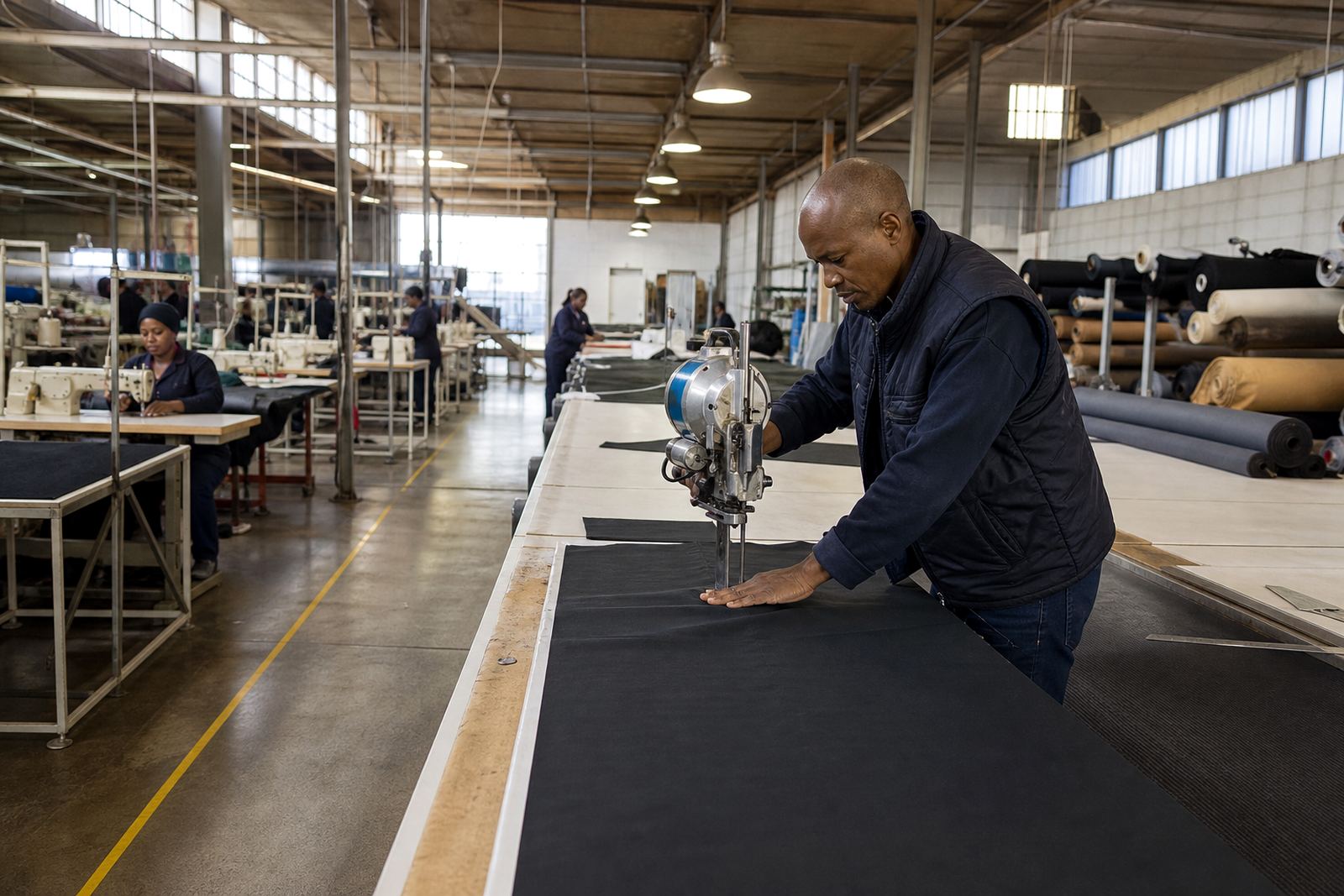
Production machinery used in factories and workshops
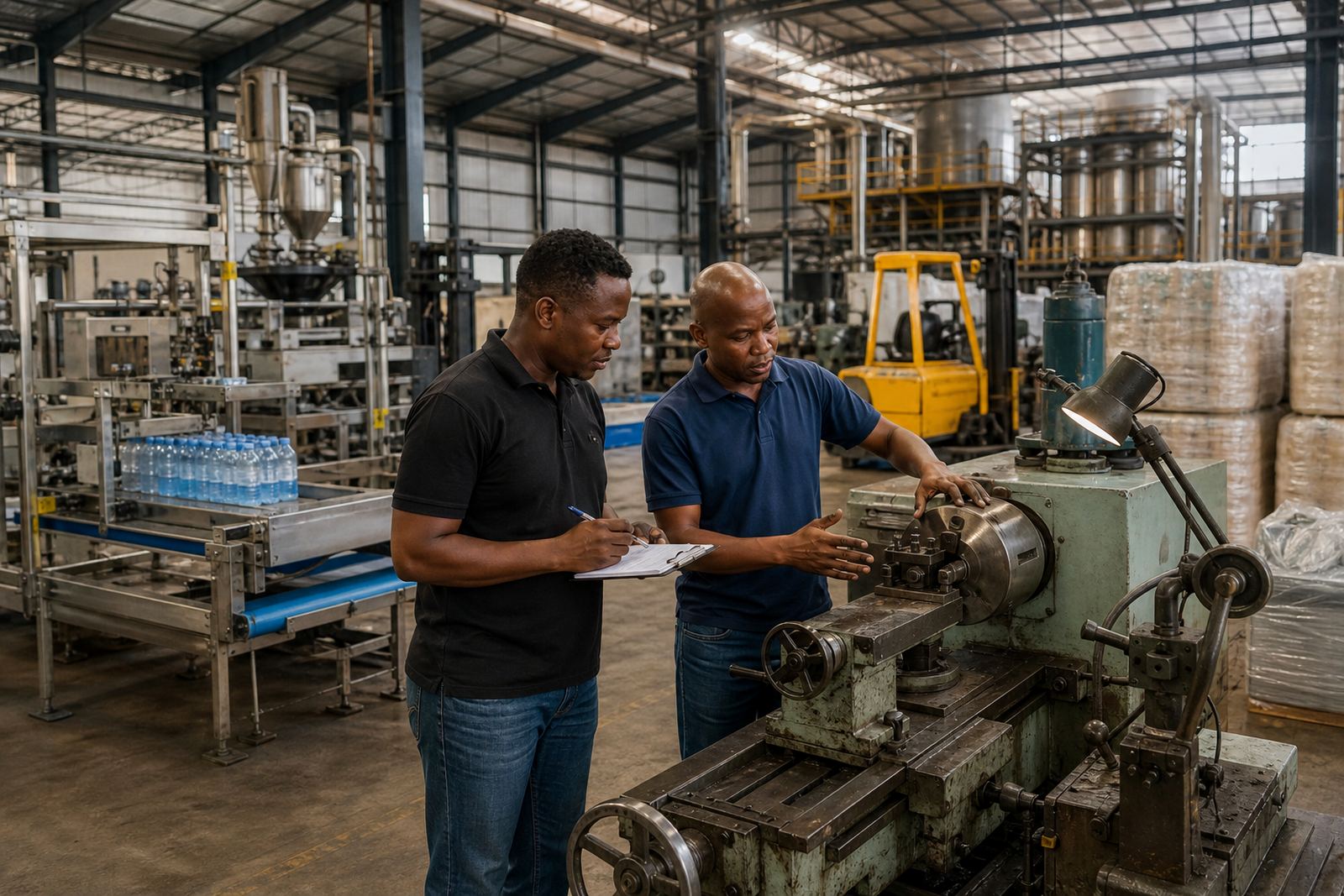
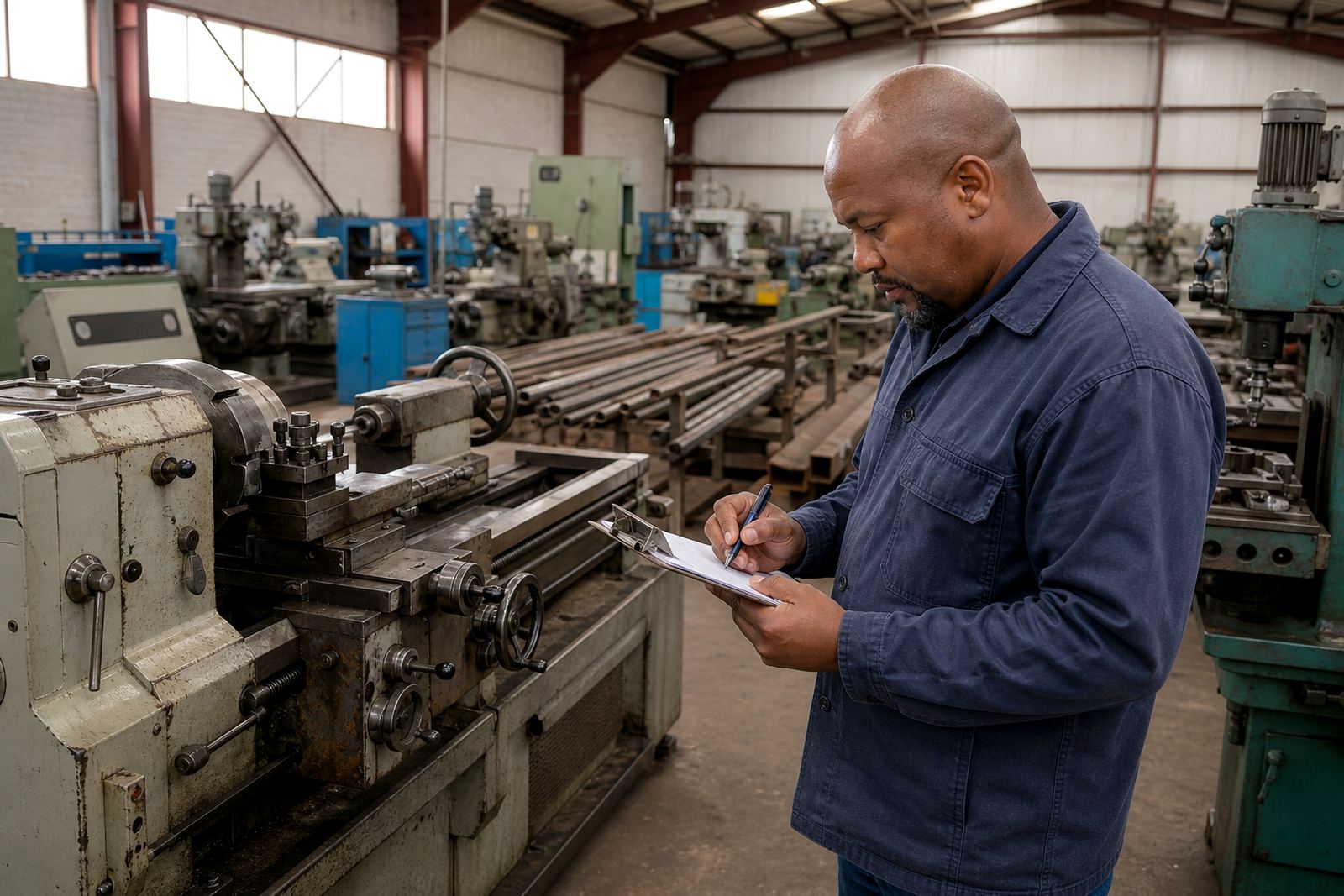
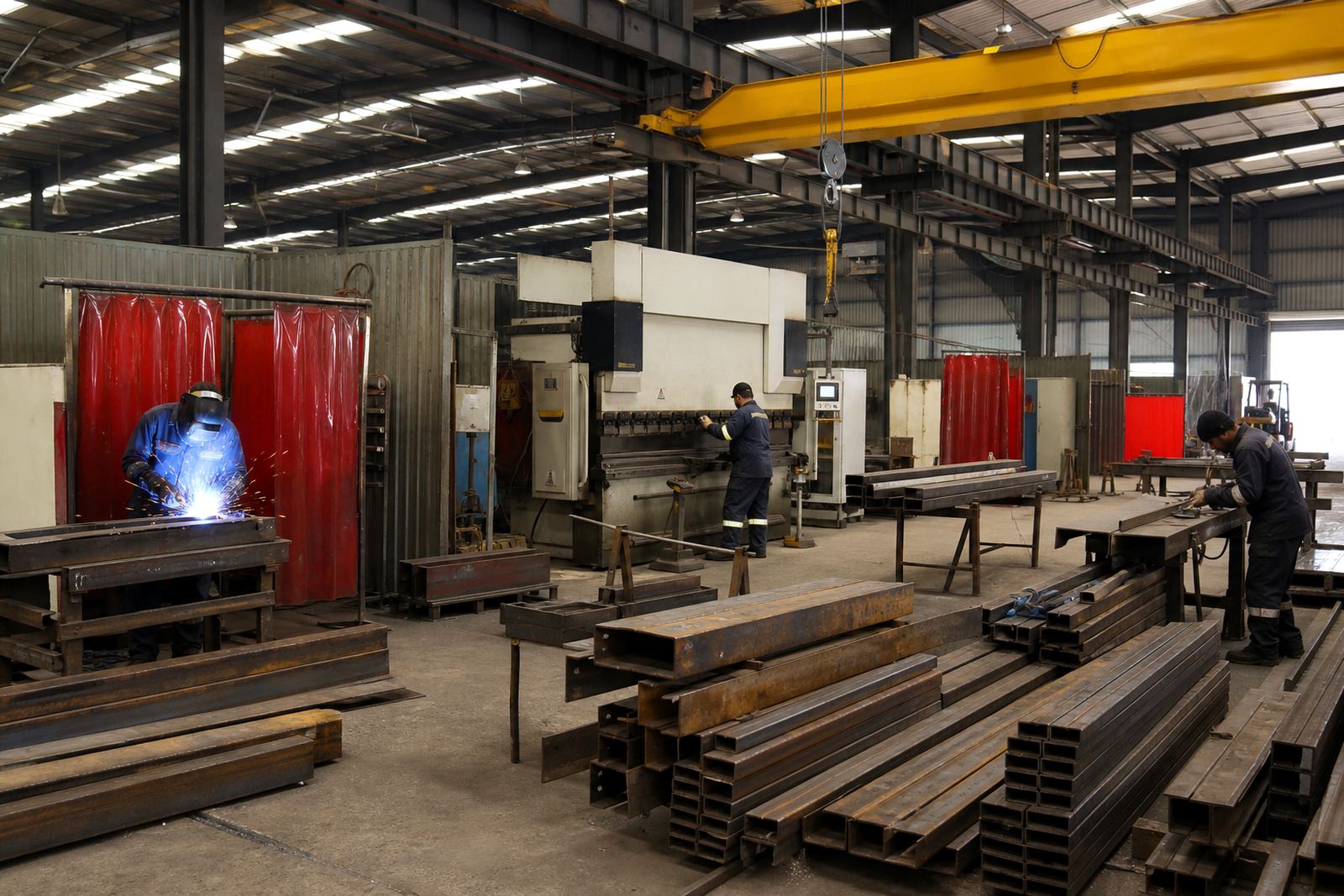
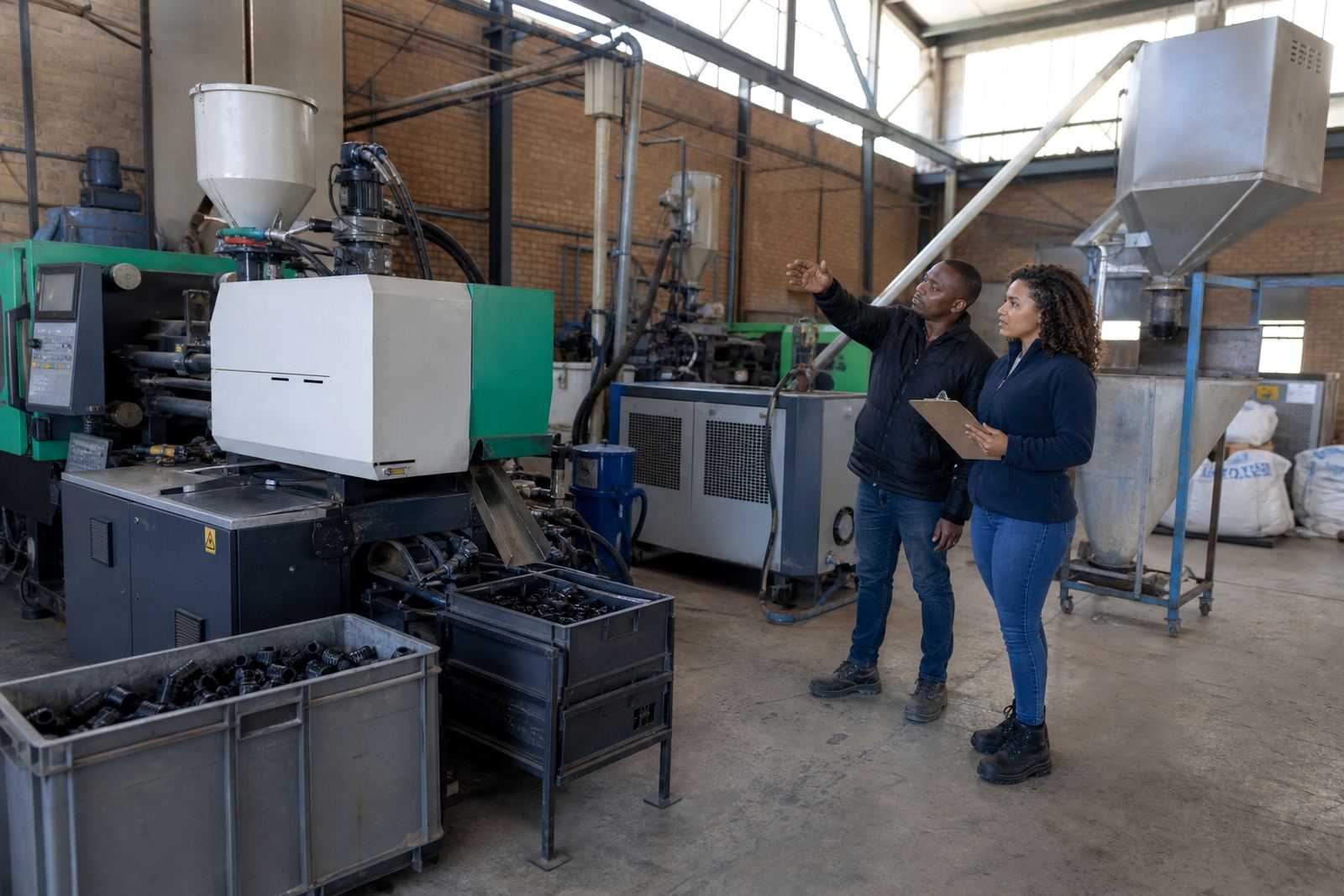
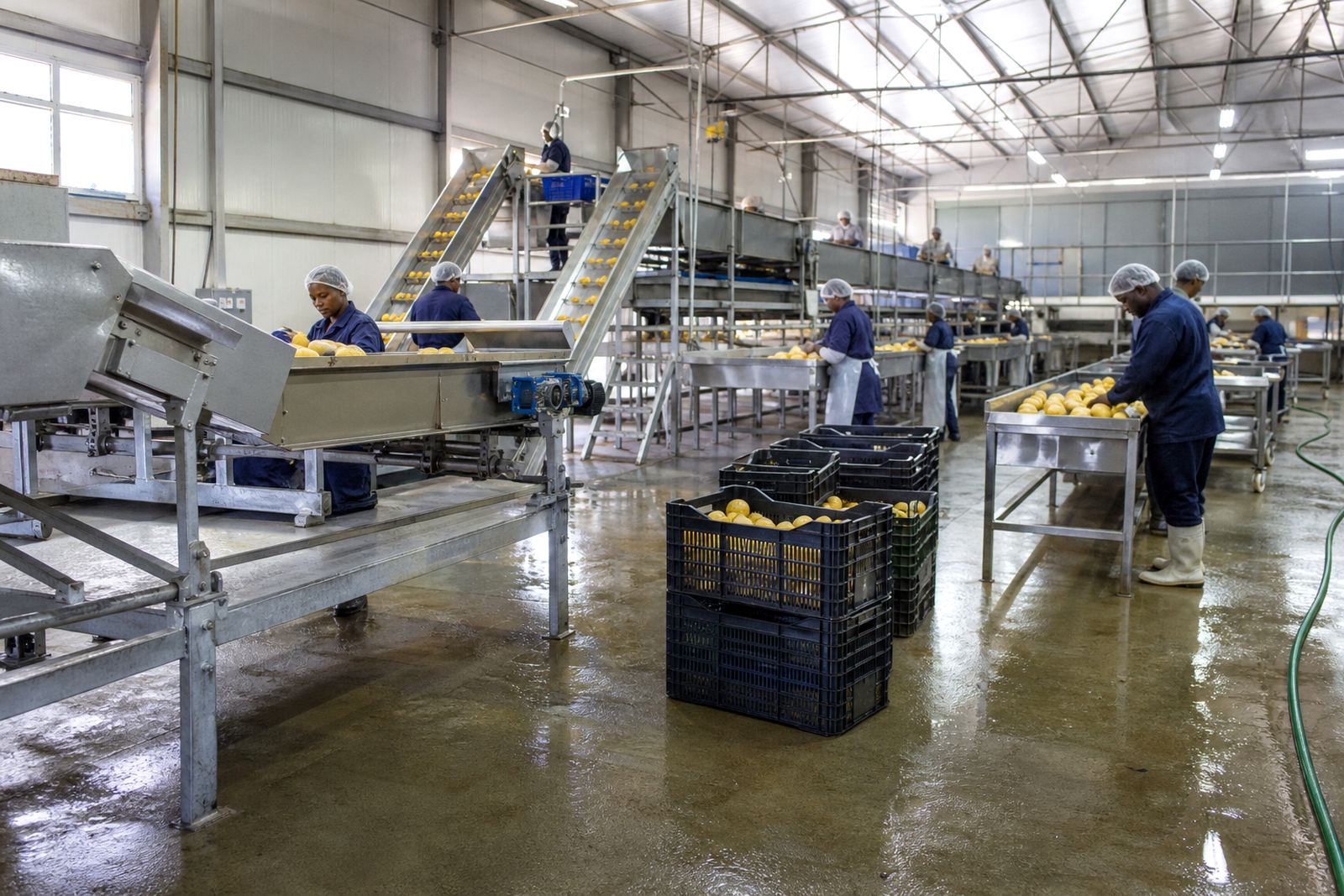
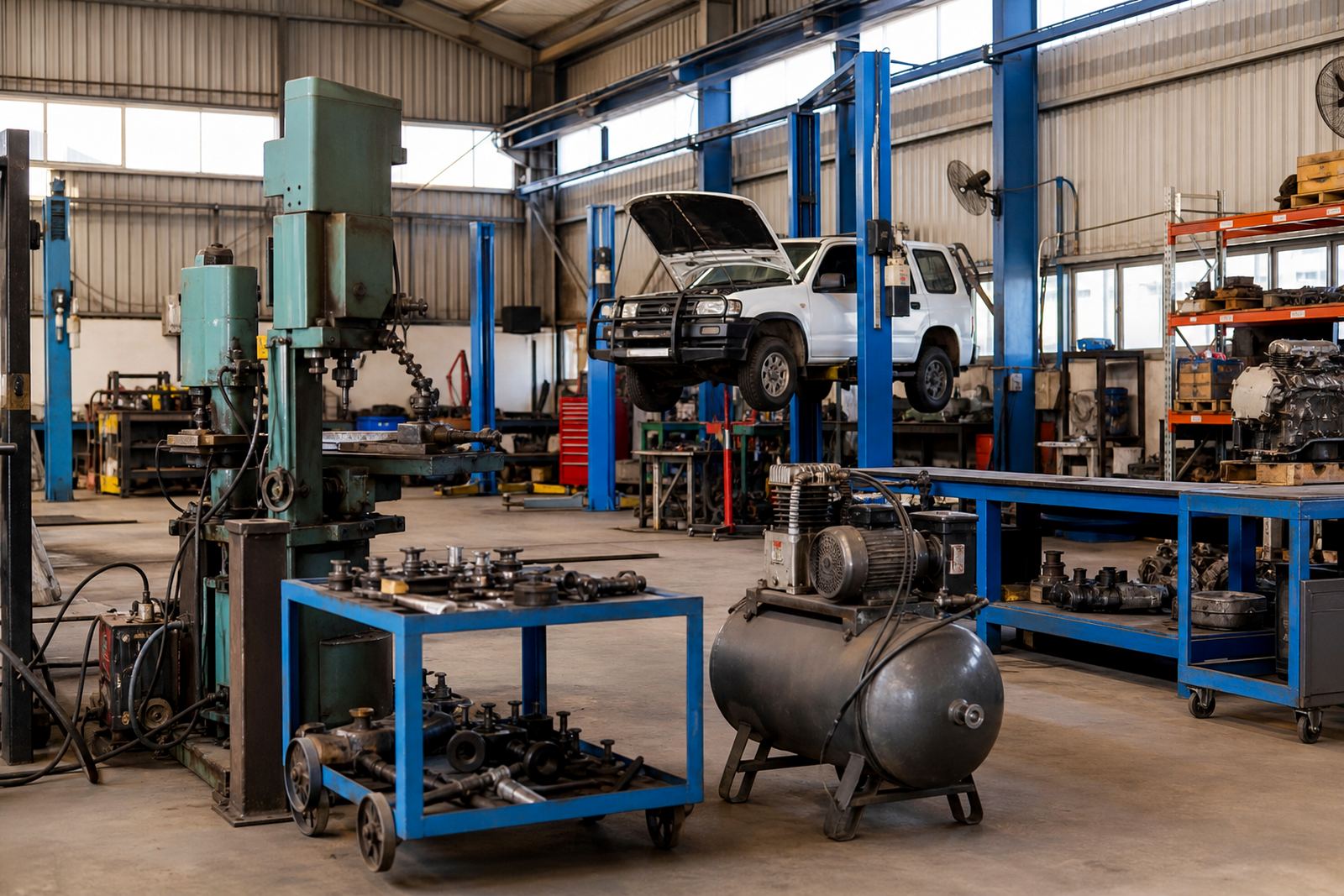
Production machines often need detailed checks on alignment, guarding, tooling condition and service history. In manufacturing, buyers usually want to know if the unit can return to work quickly, what electrical supply it needs, and whether parts are still practical to source. For auction planning, this also affects whether a machine should be grouped with similar items or presented as a standalone lot.
- Metalworking equipment such as lathes, milling machines, presses and saws
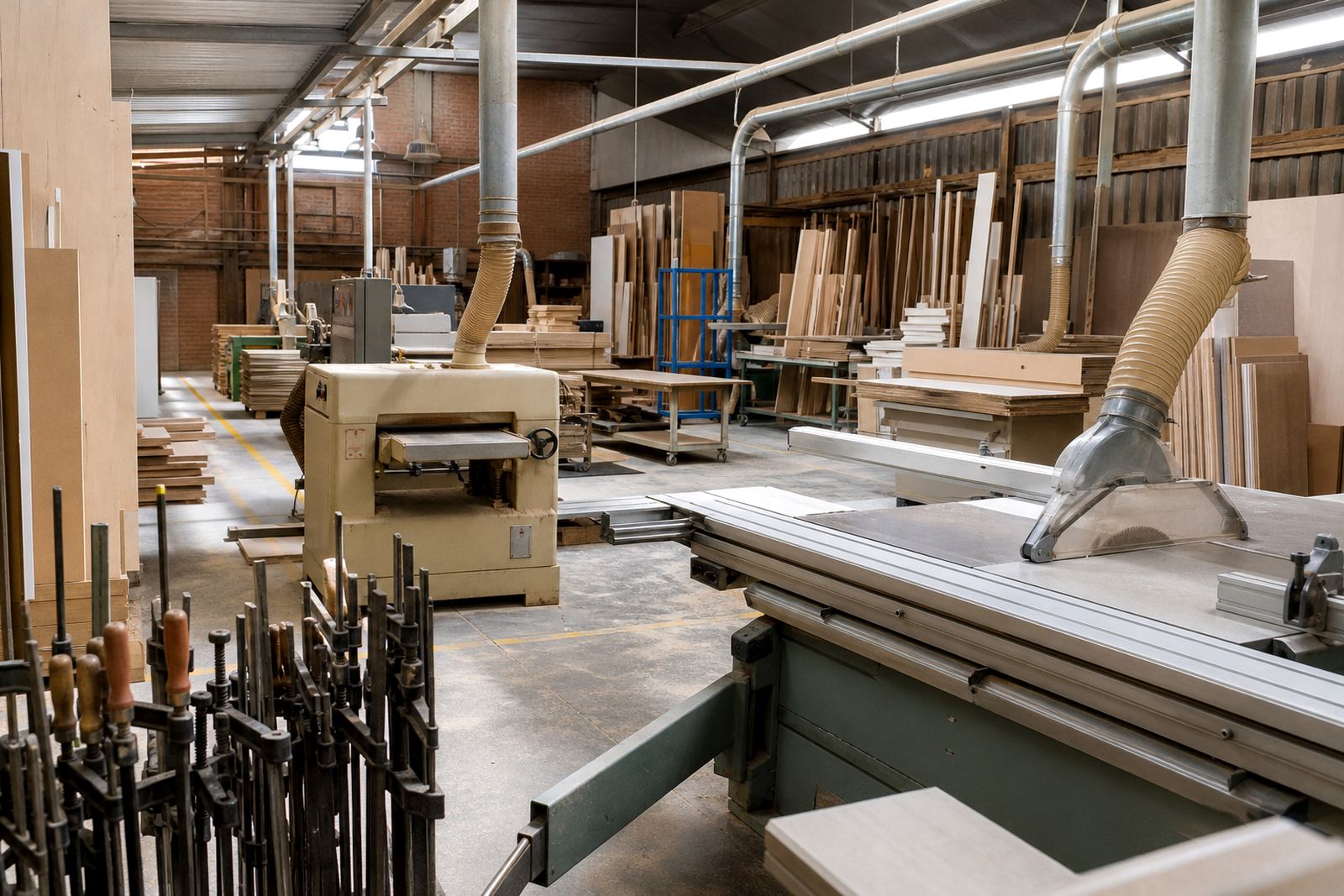
- Woodworking machinery for cutting, shaping, drilling and finishing
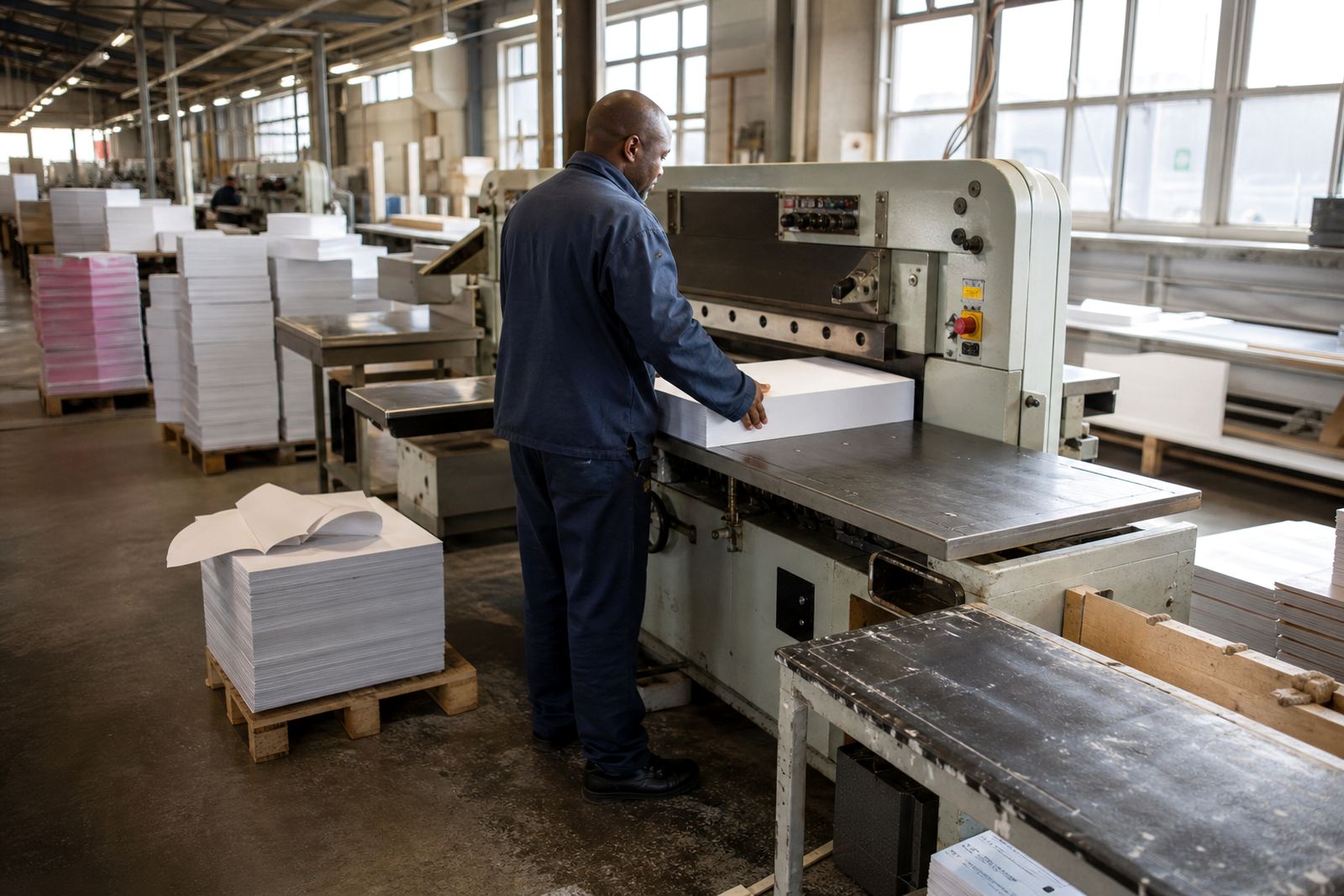
- Printing and converting machinery with rollers, feeders and drying systems
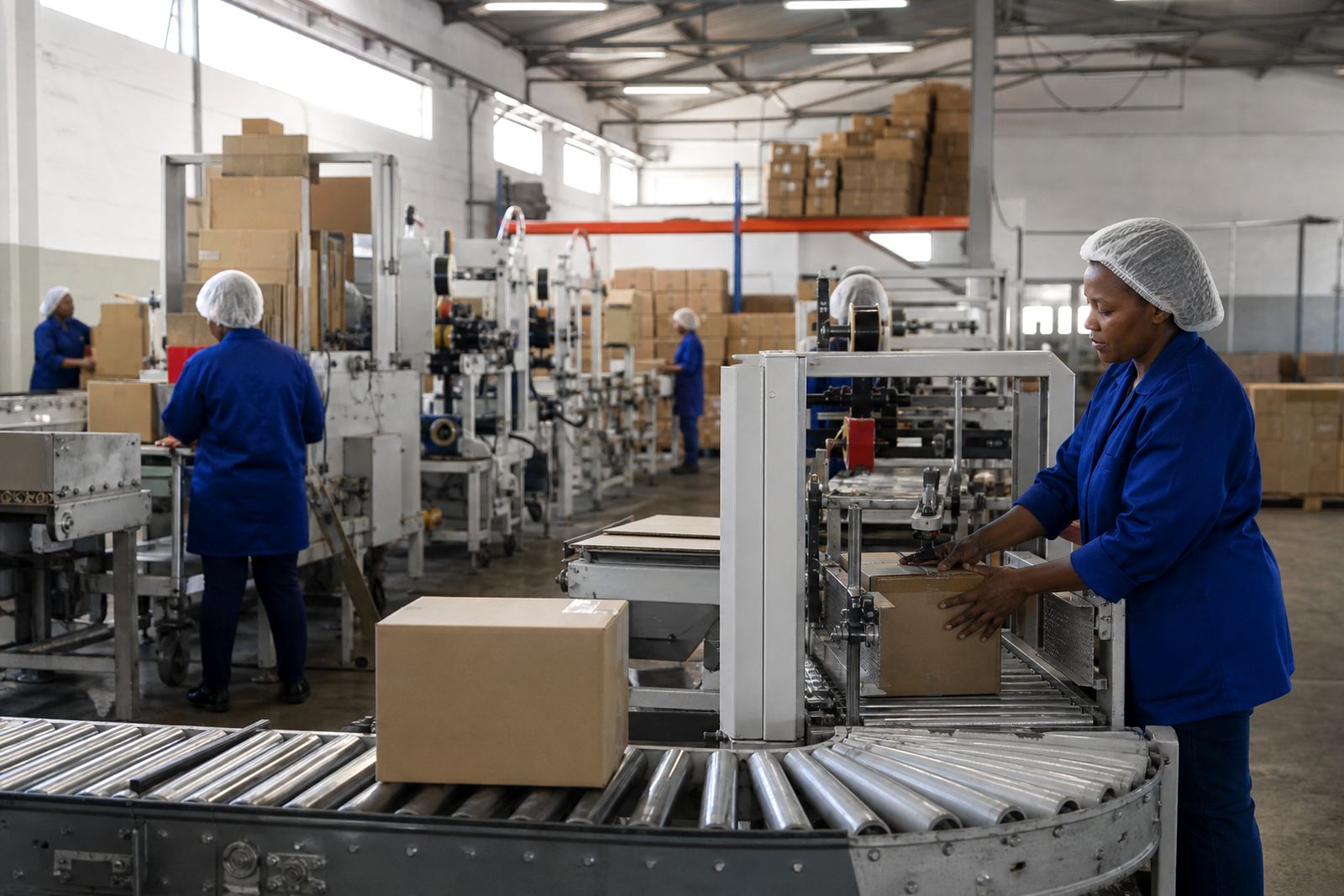
- Packaging machinery, sealing units and conveyor systems
In this category, condition notes matter as much as the machine name. A unit that ran in a clean indoor plant will often present differently from one exposed to moisture, dust or irregular maintenance, and that can change buyer interest quite a bit.
Material handling and lifting equipment
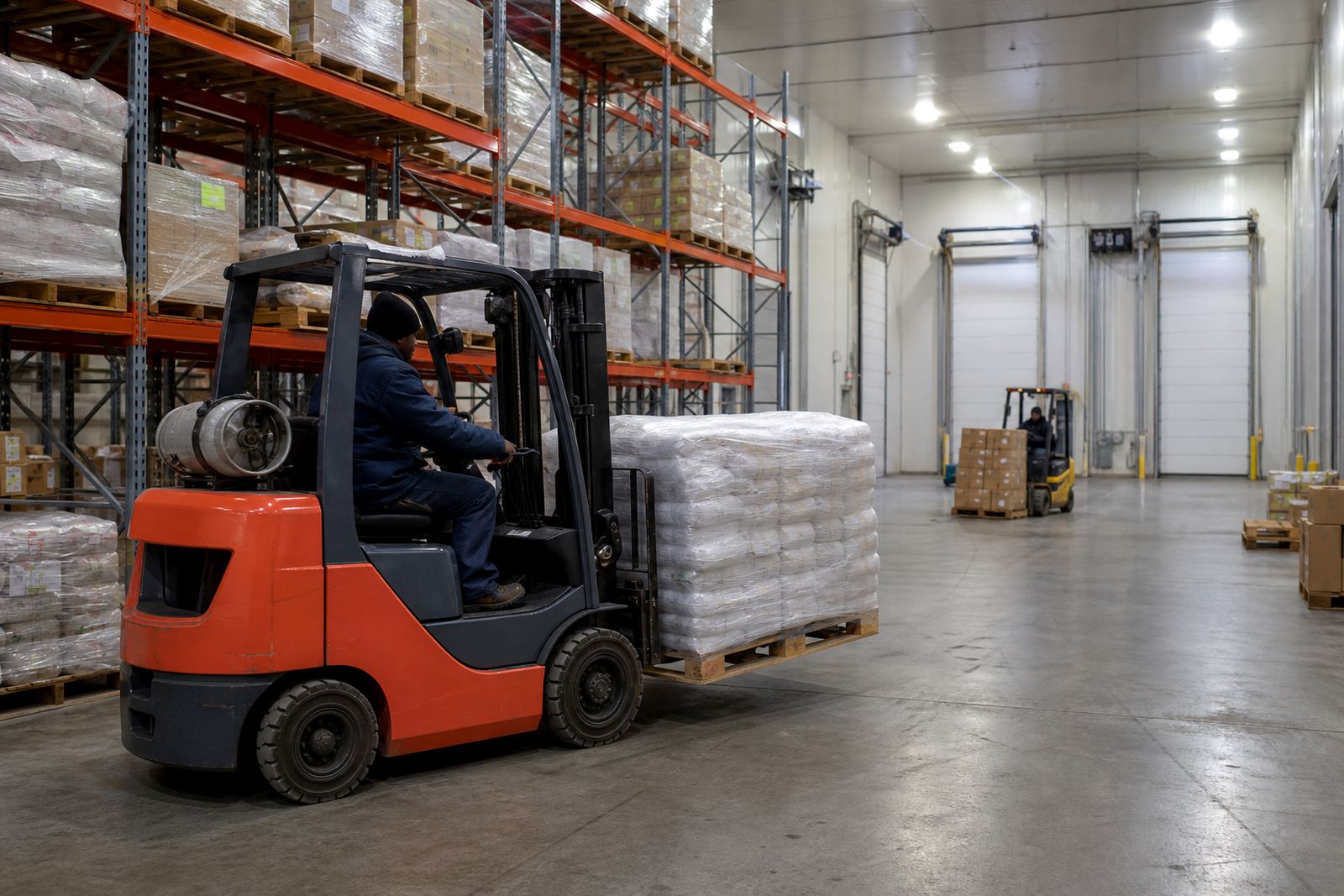
Material handling equipment is often judged on safety, tyres, hydraulics, mast condition, battery health and lift history. Buyers in Johannesburg, Pretoria and Midrand frequently ask whether a unit can manage narrow aisles, yard work or container handling. In Durban and Cape Town, corrosion and coastal humidity can also influence inspection outcomes, especially on outdoor equipment.
For this group, an auction campaign may need clear photo listing prep, viewing day guidance and careful lot descriptions so buyers understand what is included. Site access, loading conditions and collection coordination are also important, because moving a machine off site can be as important as the machine itself. We keep those practicalities in view.
- Forklifts, reach units and pallet moving equipment
- Hoists, lifting frames and cranes where applicable
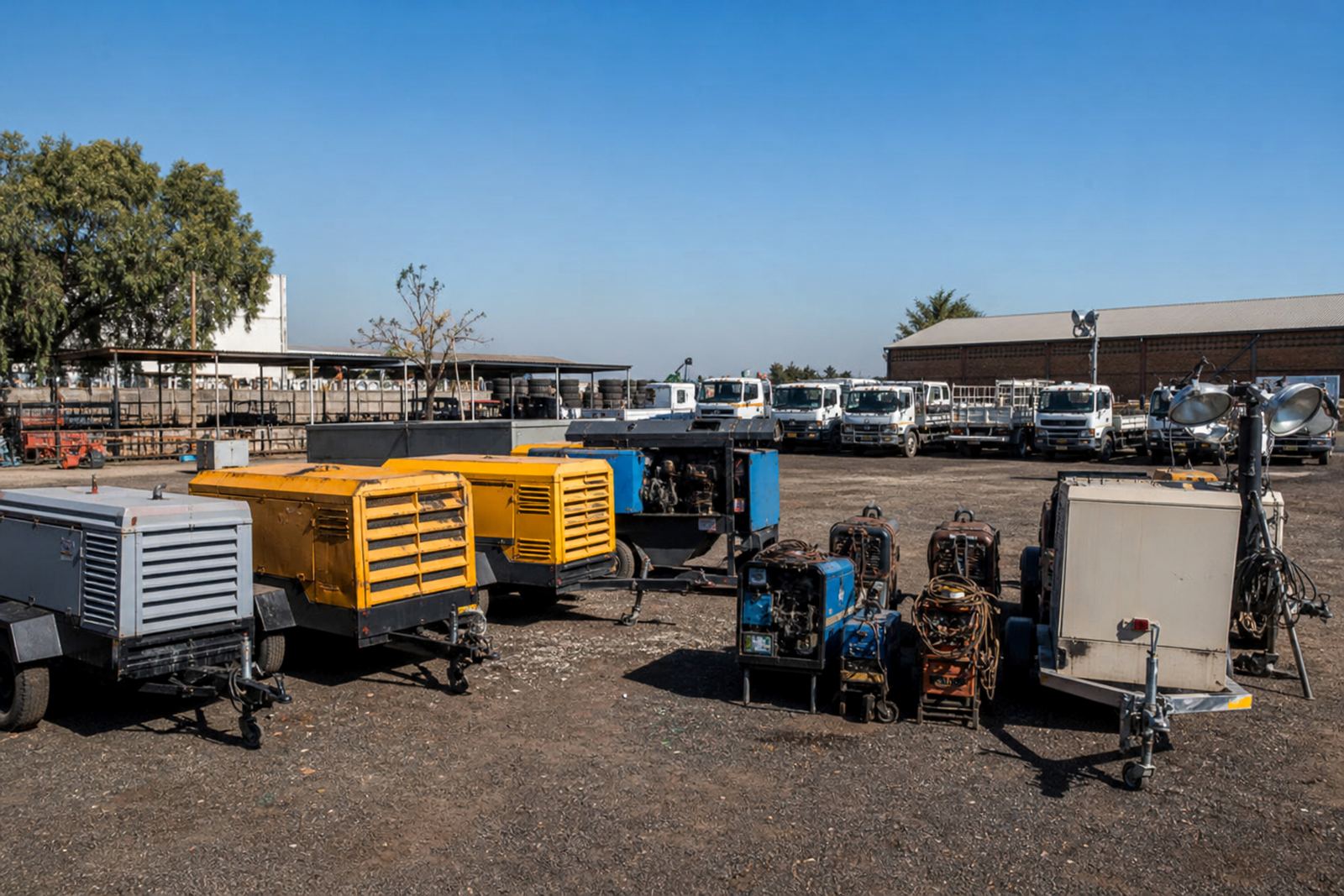
- Pumps, compressors and mobile support plant
- Warehouse handling equipment and related accessories
Power, standby and utility plant
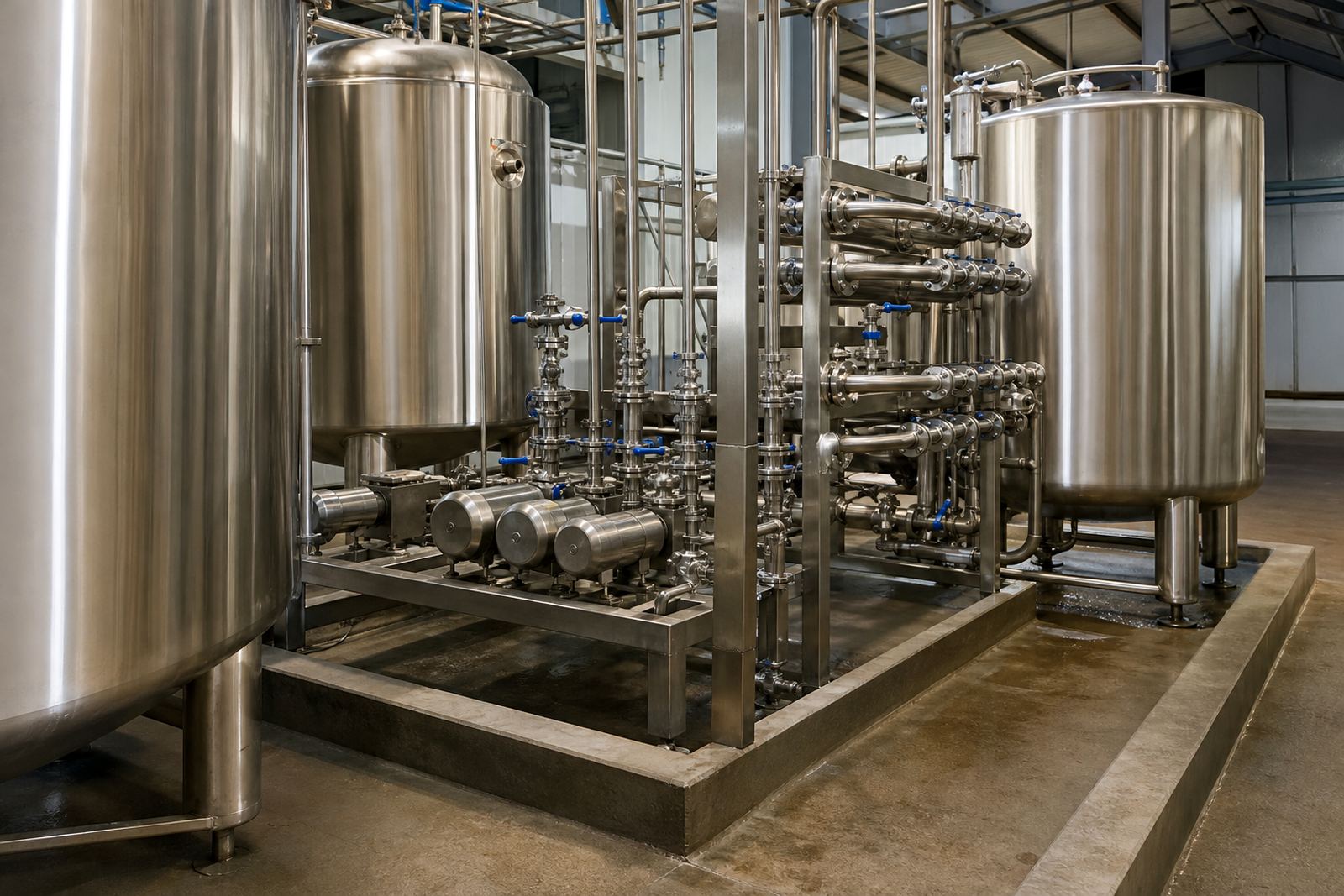
Plant appraisals often call for a closer look at engines, alternators, fuel systems, control panels and service intervals. Standby and utility equipment may have been used under load shedding conditions, which makes run hours, maintenance and starting reliability important. For many buyers, the real question is whether the plant can be recommissioned safely and economically.
This category can include generators, air systems, boilers, water treatment units and support plant used in factories, farms and processing sites. Municipal rules, site permits and removal timing can affect the practical side of an auction, especially when equipment sits in a busy industrial area or inside a regulated facility. Those details shape the auction plan as much as the item list does.
How environment changes inspection priorities
The same machine can tell a different story depending on where it was used. Coastal humidity, inland dust, heat, vibration and irregular power supply all leave their mark. A machine in Cape Town may show different corrosion points from one in Pretoria, while equipment used in a dusty Gauteng workshop may need a different inspection focus than a similar item in Durban.
When we inspect machinery, we look at operating conditons, storage, visible wear, safety features and signs of modification. That helps sellers set sensible reserve guidance and helps buyers understand what they are looking at before the auction. It also keeps the catalogue honest, which is important for both sides of the transaction.
Selecting the right route for sale or purchase
Not every machine suits the same sale route. Some items are better presented as individual lots, while others work well in grouped listings or clearance sales. The right approach depends on machine type, condition, quantity and the likely buyer base across South Africa, whether the interest comes from Johannesburg, Gqeberha, Durban or farther afield.
Machine Africa supports sellers with auction planning, lotting and cataloguing, seller representation and closure support. Buyers benefit from clear viewing days, accurate descriptions and photo listing prep that shows the machine properly. If you are comparing machine categories, these points can help guide the next step:
- What task the machine performs and in what environment
- Whether the unit was used indoors, outdoors or in a harsh site
- If the equipment needs inspection, testing or dismantling before movement
- How many similar units are available and whether spare parts are practical
Based in Kempton Park and working across South Africa since 2008, our team helps match each machine type to a sensible valuation and auction process. Clients reach us through the enquiry form on our contact page when they need a practical first step.