What wear says before the machine even runs
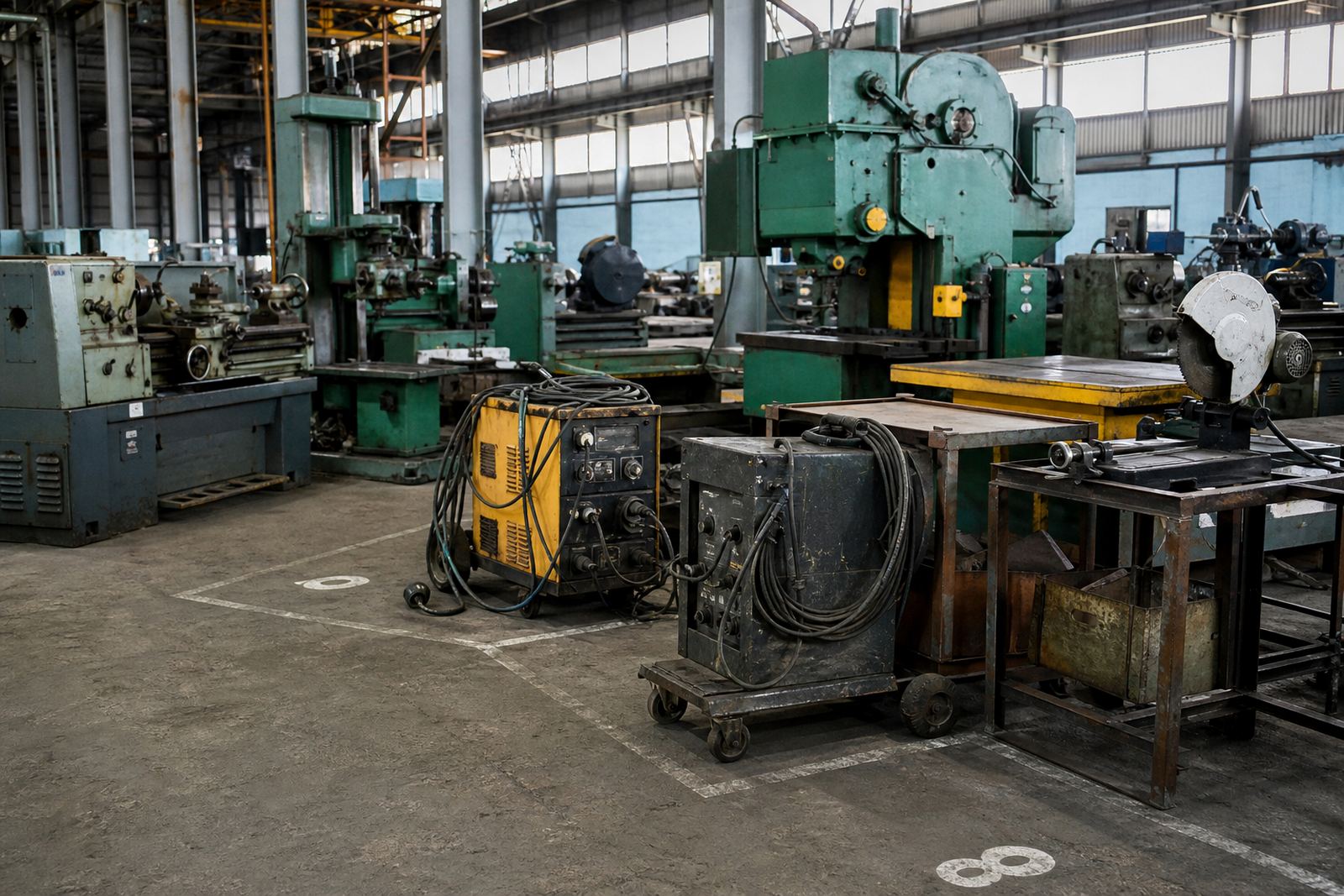
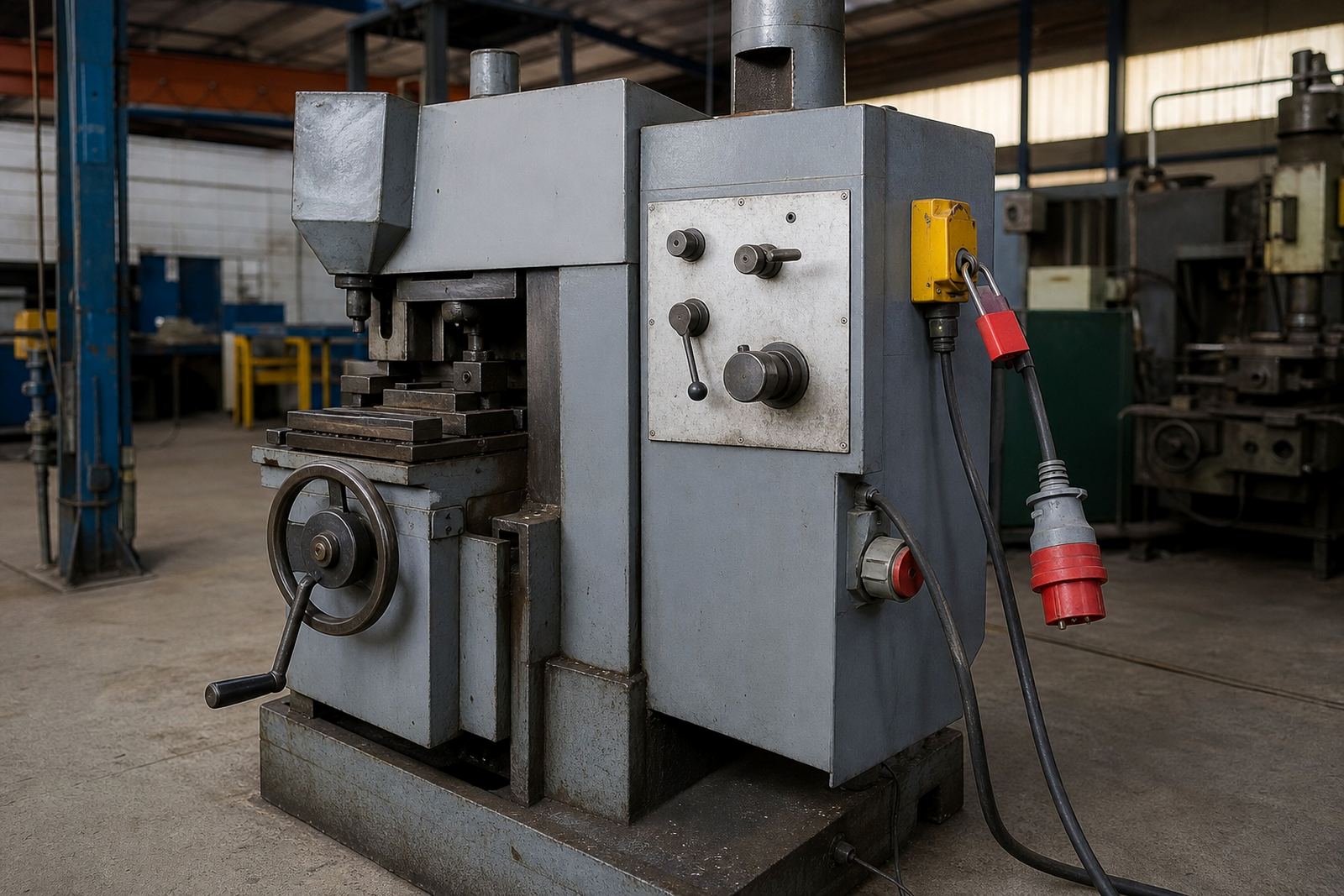
When a buyer first sees a machine, the paint, guards, hoses, seals and moving joints speak very quickly. Even without switching on the power, uneven wear can show how hard the unit has worked, whether it was cleaned properly and if it spent its life in a dry plant or a dusty yard. A neat machine with steady, even wear often gets more interest than one with fresh paint over rough patches, because buyers know where to look.
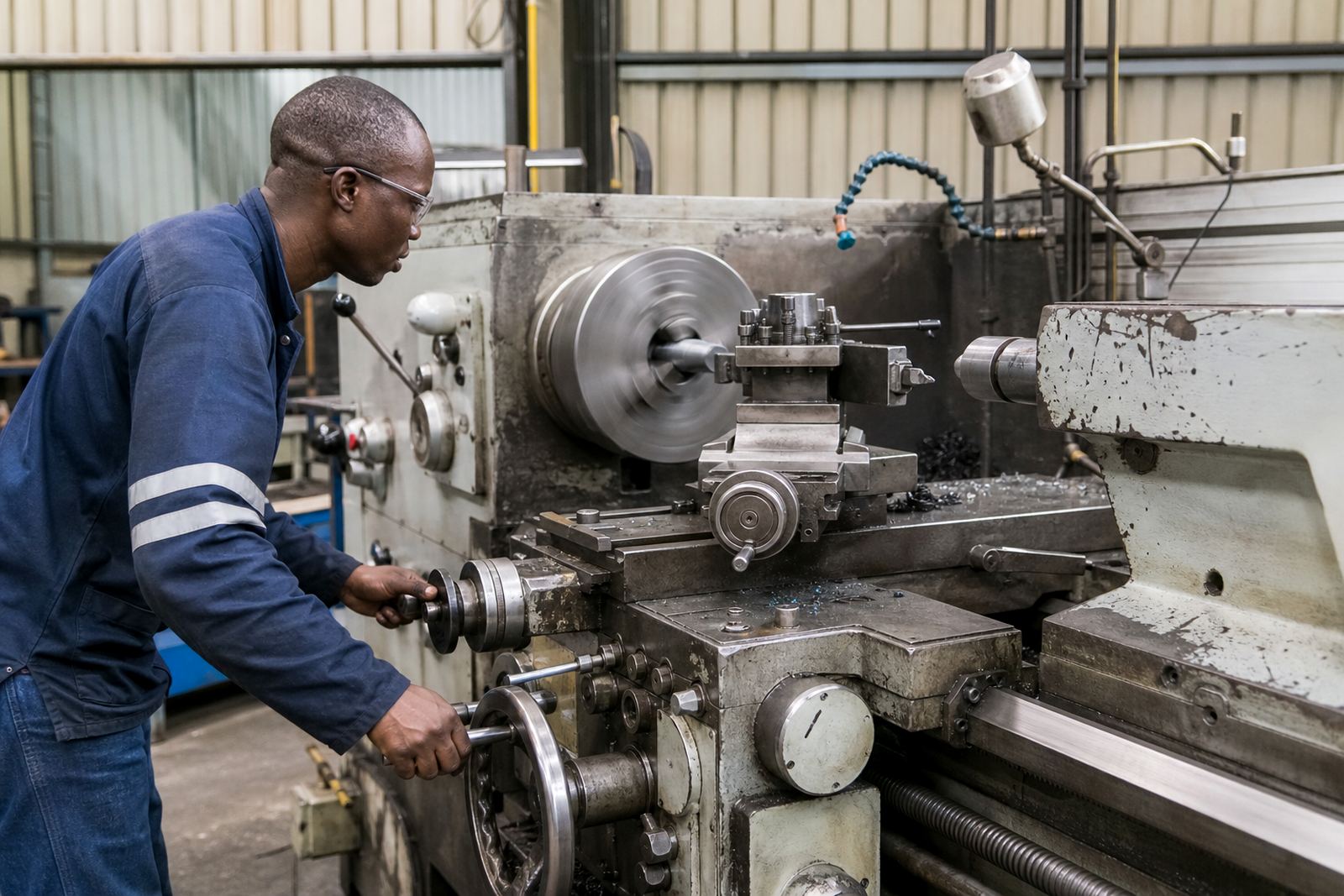
For valuations, wear is never read on its own. A machine that worked long hours in a controlled factory may still be in better order than a lower-hour unit that sat outside in Gauteng rain or coastal humidity. That is why an opinion of value depends on the condition seen on site, the service history available and the type of work the machine has done.
- Check frame rust, cracked welds and bent guards.
- Look for oil leaks around pumps, cylinders and gearboxes.
- Inspect chains, belts, rollers and bearing points for uneven wear.
- Note faded controls, missing panels and damaged wiring insulation.
Hours can help, but only when they make sense
Recorded hours are useful, but only when they fit the machine’s story. A forklift with 18 000 hours and regular servicing may present better than a similar unit showing 9 000 hours but with poor maintenance and hard starts. Buyers know that hour metres can be changed, repaired or left inactive, so the reading must be checked against the rest of the machine.
In auctions, hours often shape the first round of buyer interest. Lower hours can attract more viewing enquiries, while higher hours may still do well if the machine is complete, recently serviced and suited to lighter work. For sellers, the aim is not to hide hours but to explain them clearly and back them up with service records, invoices or inspection notes where available.
- Compare the hour reading with the machine’s age and duty cycle.
- Check whether the metre looks original and is working correctly.
- Match the reading with visible wear on pedals, seats, controls and driveline parts.
- Explain standby time, seasonal use and shift patterns if they affected the hours.
A workshop in Germiston and what buyers noticed
A practical example from the East Rand makes the point. A small metalworking workshop in Germiston had three older machines for disposal. Two showed similar hour readings, but one had been indoors, serviced on schedule and kept under cover during load-shedding downtime. The other had stood near an open roller door, with rust on the base, worn switchgear and dust packed around the fan housing.
Buyers who viewed the lot quickly separated the two in their minds. The cleaner machine drew stronger interest because the wear pattern showed careful use, not just fewer hours. The rougher unit was still saleable, but buyers asked for more testing and were cautious on value. That is common in Johannesburg and Pretoria too, where purchasers look closely at whether a machine has lived a hard plant life or a lighter support role.
For a seller, the lesson is simple. A machine can be older and still present well if the signs of wear are balanced, visible and honestly explained. Hidden damage or unclear hour history usually causes more hesitation than the actual wear itself.
What to clean, what to leave alone before a valuation
Before an on-site valuation or auction inspection, it helps to present the machine in its natural working condition, but not dirty. Remove loose scrap, wipe down oil residue and clear the area so key components can be seen. Do not pressure-wash labels, seals or electrical panels just to make it look newer. That can create more questions than it answers.
It also helps to gather the records that support the physical condition. Service books, maintenance logs and recent inspection notes can lift confidence, especially for buyers who will be collecting from Durban, Cape Town or Gqeberha and need to plan transport carefully. If the machine has had repairs after a breakdown, say so. Straight answers build trust at viewing days and during auction planning.
- Clean the machine enough to show leaks, cracks and serial plates clearly.
- Keep guards, keys, manuals and loose fittings together.
- Mark any known faults before the inspection starts.
- Switch on safely if the site allows it and the machine can be tested without risk.
How wear influences auction interest and reserve guidance
Wear patterns and hours affect how buyers bid because they change the risk. A machine with high hours but steady wear may suit a buyer who needs immediate production and can carry out routine maintenance. A machine with low hours but visible damage may need parts, electrical work or a full recommission before it can earn money. That difference changes interest, timing and reserve guidance.
When working out reserve guidance, the key is to separate appearance from function. A clean machine with no major faults may support firmer expectations, while a unit with poor wear on the contact points may need a more cautious approach. The valuation remains an opinion of value, not a promise of what the auction will deliver. Market interest, transport costs, site access and the buyer pool all affect the final result.
For sellers in Kempton Park and Midrand, this matters because some buyers want equipment they can put back into work quickly, while others are prepared to buy worn units for spares or rebuilds. The same machine can attract very different interest depending on who is in the room.
The local checks that matter in South African conditions
South African operating conditions leave clear marks. Dust from yards, power interruptions, coastal air and long outdoor storage all affect how wear presents. In Johannesburg and Pretoria, machines often show dust and heat related ageing. In Durban and Gqeberha, corrosion may appear sooner on fasteners, panels and electrical enclosures. These details change how a buyer reads the machine and how a valuer weighs the condition.
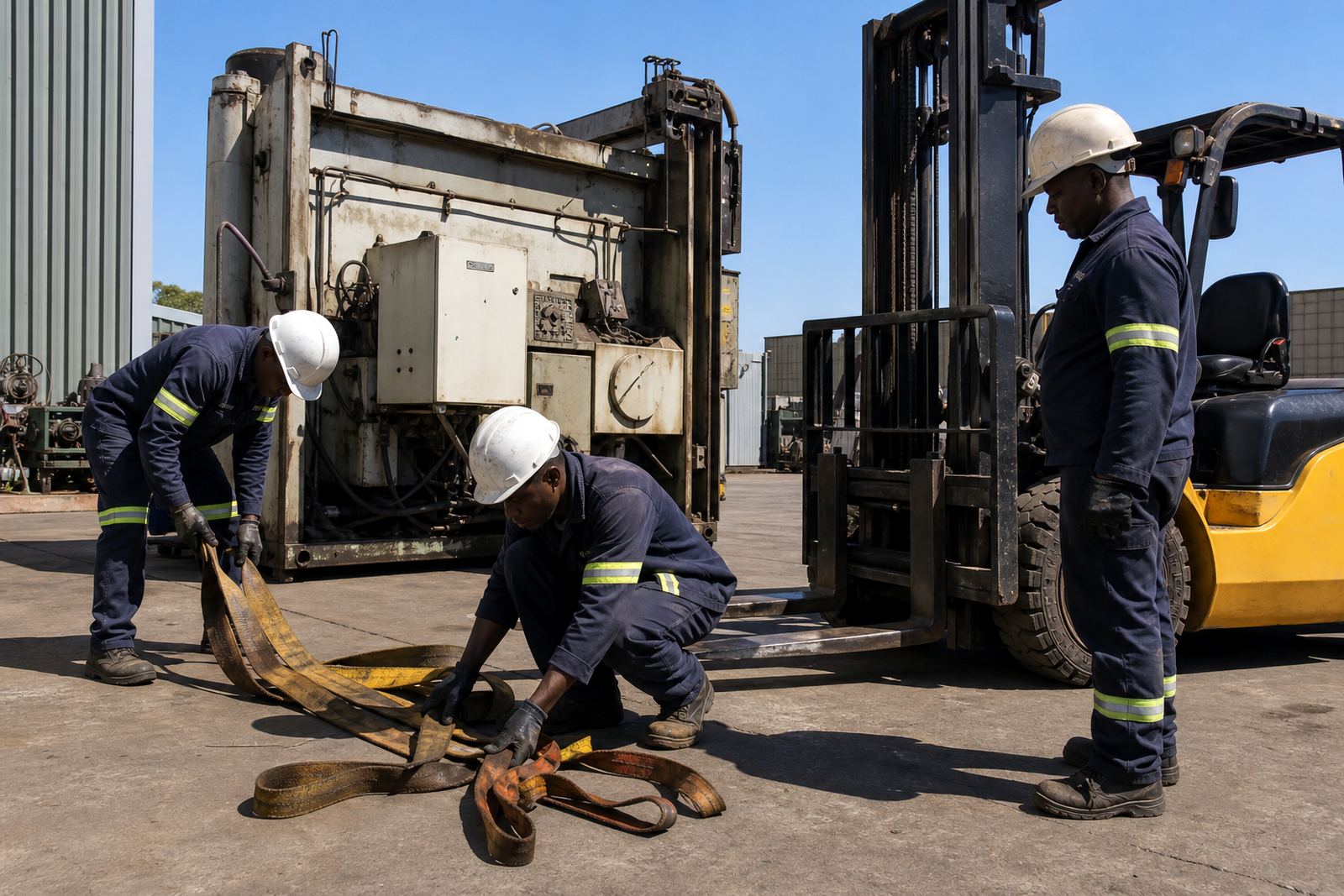
That is why site inspections matter. A machine that has been parked under a shed, run on clean power and serviced properly is usually easier to market than one with mixed history and patchy records. The same applies to plant that moved between sites without proper shutdown procedures, because wear can be hidden in the wrong places.
For sellers, the strongest presentation is honest and specific. Say what the machine has done, how often it ran and what maintenance was kept up. That gives buyers enough confidence to inspect properly and helps the auction process stay fair and efficient.