Why food grade equipment needs a closer look
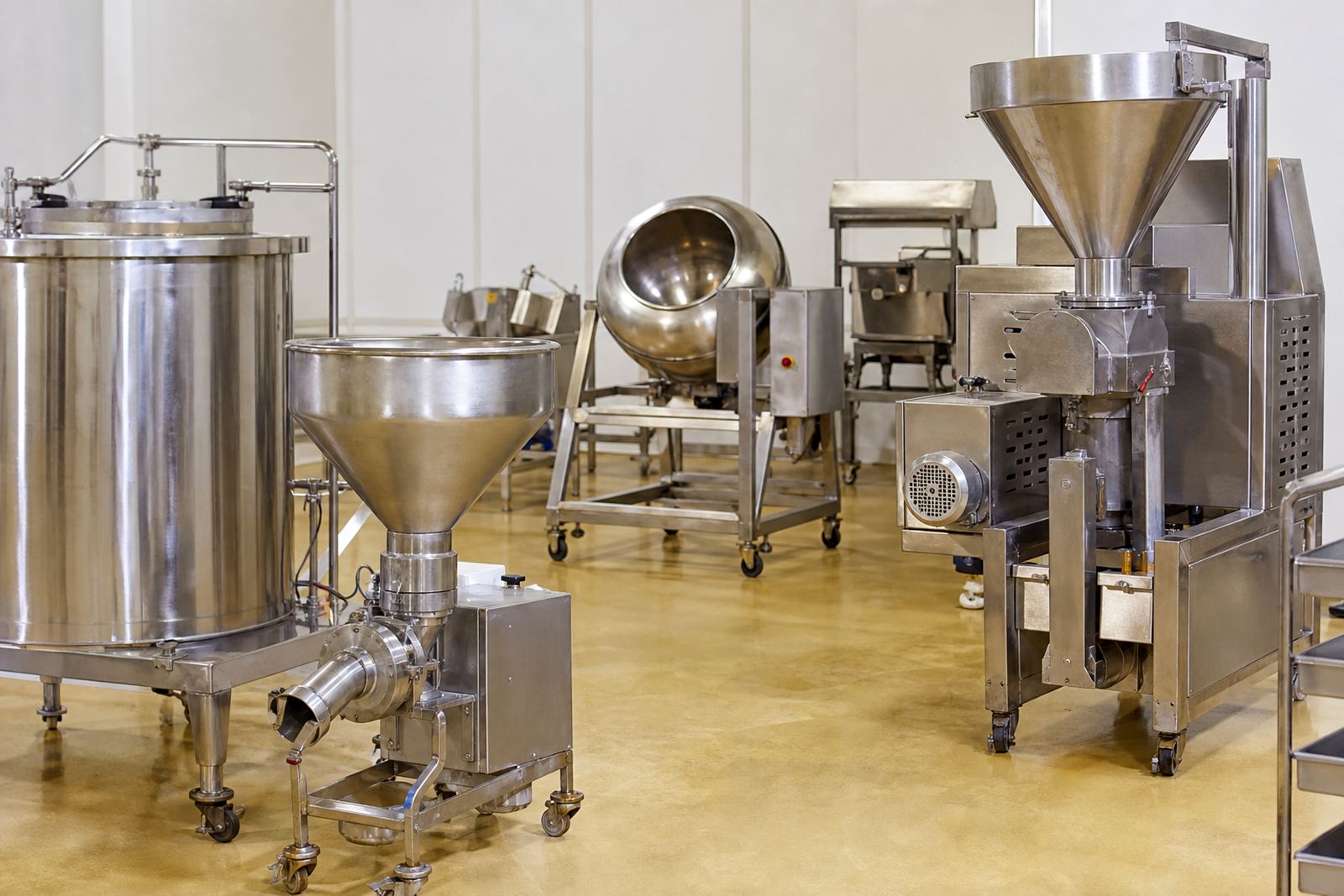
Food processing machinery is judged differently from general industrial equipment because buyers want more than working steel and motors. They are looking at hygiene, cleanability, wear, product contact surfaces, and whether the machine can fit into a regulated production line without giving a future operator trouble. A mixer, slicer, filler, conveyor or packaging unit may still run well, but signs of corrosion, cracked seals, old product residue, or poor sanitation access can pull down interest quickly.
In a valuation, the condition of food grade equipment is usually assessed as part of its market appeal, likely demand, and saleability. That opinion of value is not a guarantee of sale price. The same machine can attract different responses depending on whether it is complete, whether spares are available, and whether a buyer can inspect it properly. In Gauteng, for example, a plant in Kempton Park that has been stored under cover and powered regularly often presents better than a similar unit left standing in a hot, dusty yard with no test run history.
Inspect the parts buyers worry about first
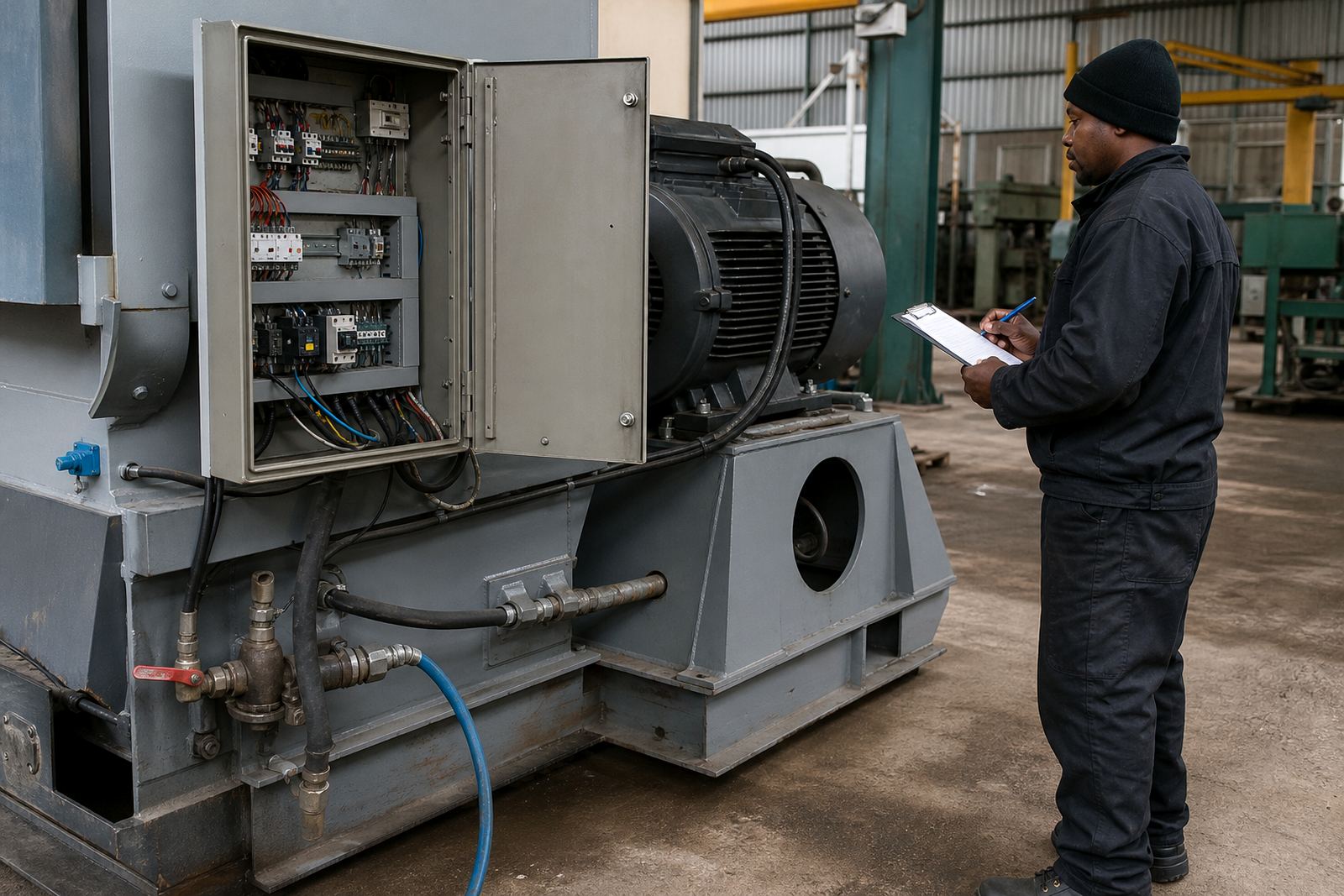
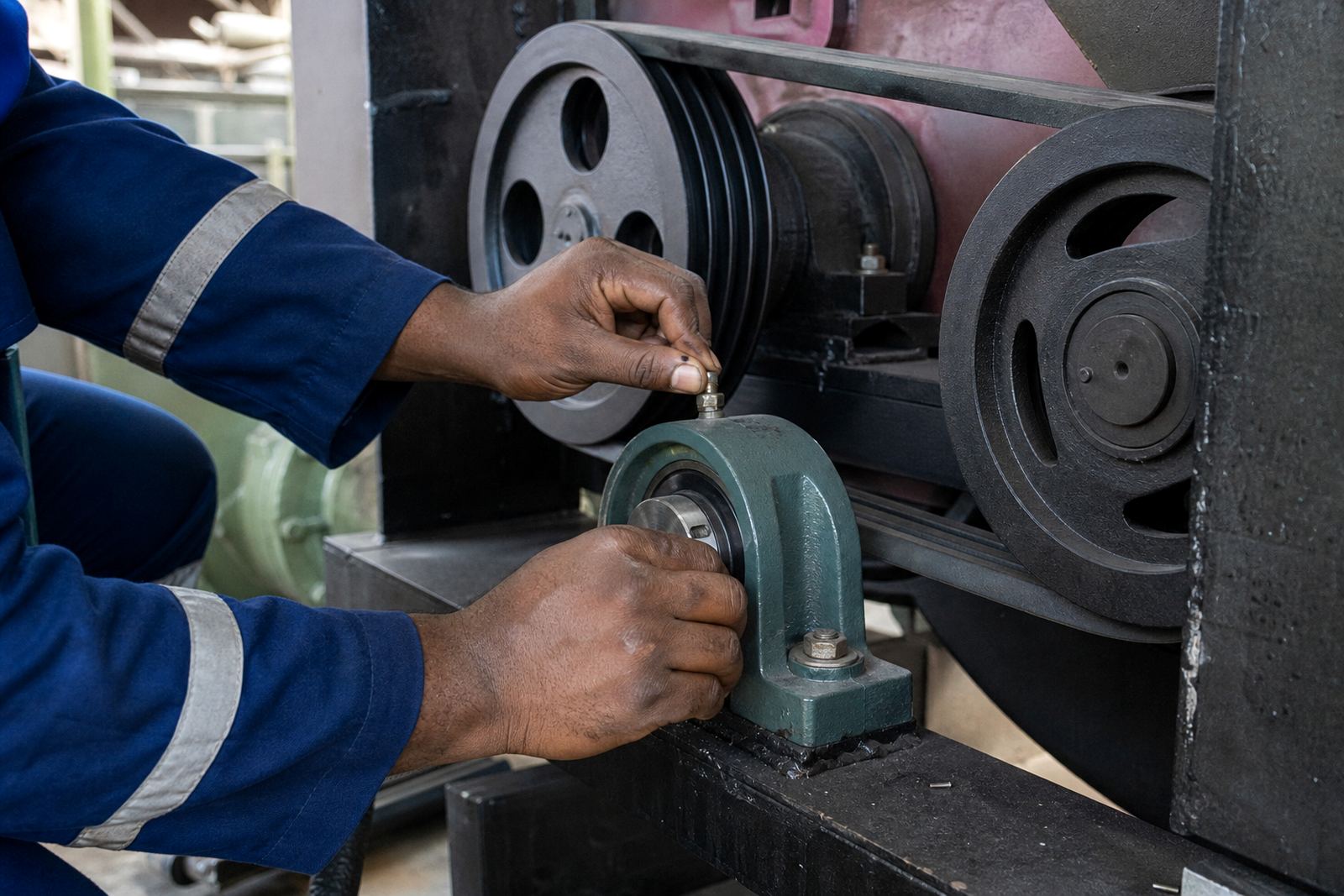
When we inspect used food production equipment, the first question is simple: can a buyer see what they are getting, and can the machine be cleaned to a standard that makes sense for its next use? Stainless steel surfaces may still be sound but if there are pitted areas, old weld repairs, missing guards or worn gaskets, that must be recorded. Buyers also look at the condition of bowls, hoppers, augers, blades, nozzles, belts, control panels and safety interlocks.
For sellers, a clean unit is not just about appearance. It helps a valuer identify the make-up of the machine, note model details, and confirm whether the unit is complete. That matters when comparing one item to another in the same market. A machine with a full set of product contact parts, manuals, tooling and panels generally presents better than one with missing covers or damaged fittings.
- Check for rust, pitting and corrosion on all product contact surfaces.
- Confirm motors, belts, guards, switches and emergency stops are intact.
- Look for food residue in seams, under frames and behind access panels.
- Note any missing parts, control faults or signs of electrical tampering.
- Record whether the unit was last run, tested, or only stored.
Cleaning helps, but over-cleaning can hide problems
There is a difference between presenting equipment well and trying to make it look better than it is. A good clean should remove product residue, dust and loose debris, but it should not hide wear, repaired damage or the extent of any corrosion. A buyer who arrives for a viewing day and finds polished covers but no way to inspect the underside, motor mounts or seals will usually be cautious.
That caution is fair. Food grade buyers want honesty because the cost of recommissioning can be high, especially if the equipment must suit a factory with stricter hygiene rules or more demanding municipal and environmental requirements. In coastal towns like Durban or Gqeberha, buyers may also want to know whether the machine has been exposed to humidity, salt air or long shutdown periods that can affect electrics and bearings. A truthful note about storage conditions often carries more value than a shiny surface alone.
- Use a proper clean to remove residue, but leave faults visible for inspection.
- Photograph cleaned and uncleaned areas if they show important condition details.
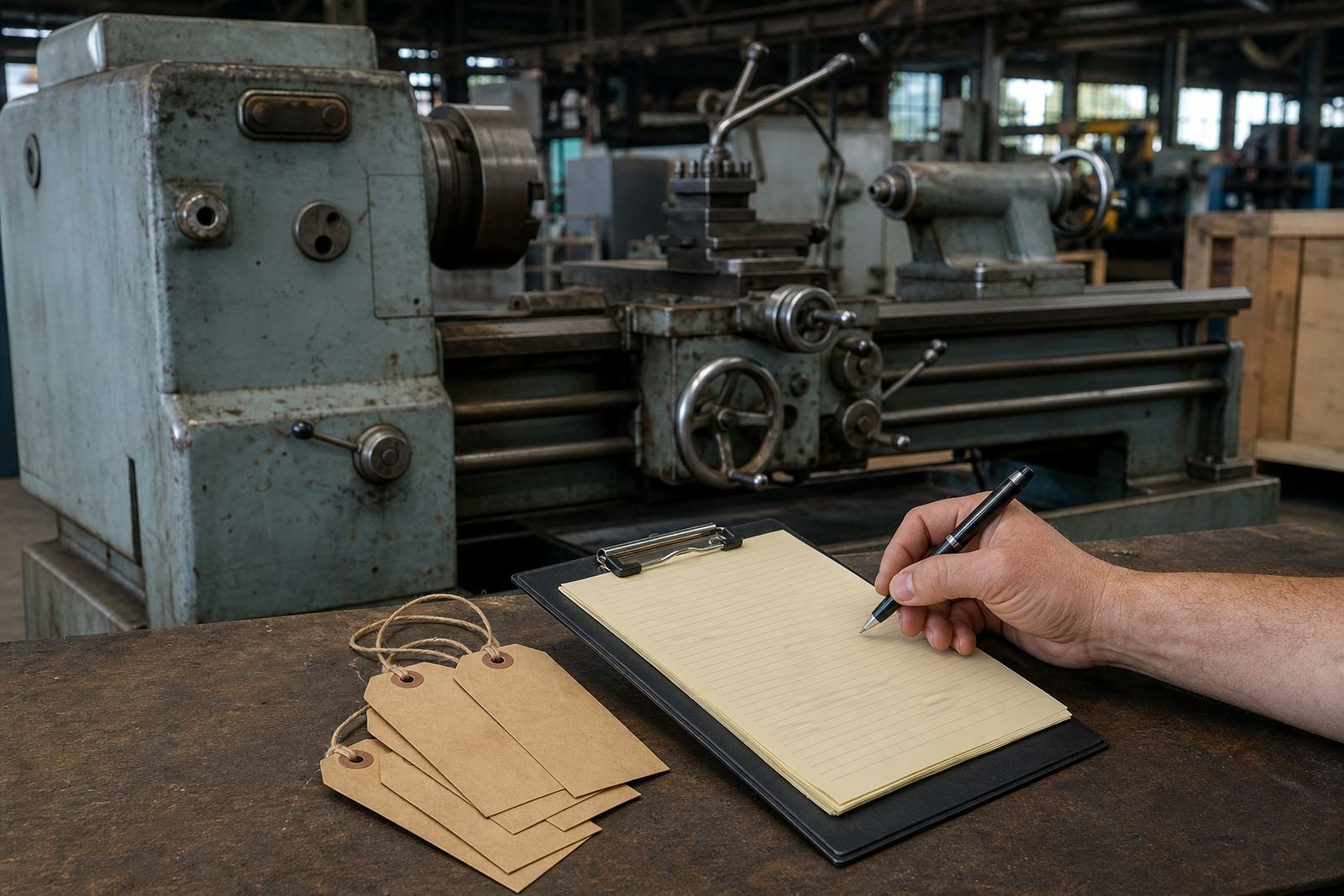
- Keep bolts, trays, tools and loose parts together and labelled.
- Do not switch on equipment that is unsafe, badly wired or untested.
What strong catalogue notes should include
Lotting and cataloguing make a big difference in auction outcomes because buyers need clear facts before they decide to attend or bid. A strong listing for food production equipment should describe what the machine does, its power requirements, approximate size, condition, and whether it was seen operating. If a unit is part of a line, it helps to show how it fits with upstream or downstream machines such as conveyors, fillers, sorters or packing tables.
The aim is not to oversell. It is to give enough information for an informed view. Clear notes reduce disputes and save time during the viewing period. They also help with seller representation because they set the right expectation from the start, especially when the equipment is sold as-is, where-is and may need recommissioning by the next owner.
- State machine type, power source and approximate dimensions.
- List visible accessories, tooling and spare parts included in the lot.
- Describe the condition honestly, including wear, repairs and missing items.
- Note whether inspections were visual only or whether a test run was possible.
- Explain if the item is floor-standing, mobile, fixed or part of a larger system.
Auction planning for food production sites
Food plants often come with tight access, strict hygiene zones and busy operating schedules. That means auction planning has to respect the site, not just the machinery. Good planning covers viewing times, safe movement routes, whether the floor can handle forklifts, how the lotting will work in narrow spaces, and what must be isolated before collection. In some plants there are also municipal or landlord rules around drainage, waste removal, noise and after-hours work.
In practice, this is where a local team helps. A Kempton Park base is useful for quick access to Johannesburg, Pretoria and Midrand, while still being close enough to coordinate plant inspections in Germiston or surrounding industrial areas. For larger clearances, the plan must cover removal order, disconnection, and whether the buyer or seller is responsible for stripping the line. If that is not decided early, delays build up fast and a site can sit half cleared for longer than anyone wants.
How local conditions affect value
South African buyers do not assess used food equipment in a vacuum. Load-shedding, water interruptions, coastal humidity, spare parts availability and transport distance all affect how a machine is viewed. A buyer in Cape Town may ask different questions from a buyer in Pretoria, especially if the machine relies on sensitive controls or chilled product handling. Likewise, a well kept item in Johannesburg may attract stronger interest than an older unit that was left idle after a factory closure.
For sellers, this means timing and presentation matter. If the equipment is currently installed and accessible, it is wise to arrange an inspection before dismantling, because context helps valuation. A valuer can note access constraints, service history and the condition of the surrounding plant. Those details help buyers understand what they are buying and reduce guesswork later. The better the record, the clearer the market response usually is, though no valuation can promise a final hammer price.
Practical steps before a viewing day
Preparation should be straightforward and documented. You do not need to hide normal wear, but you do need to make the equipment safe, visible and easy to assess. Sellers often get a better response when the machine is clean, the area around it is tidy, and key information is ready for the inspection team. This is especially important for packaged lines or specialised food equipment where a missing hose, valve or sensor can change the whole picture.
- Clear access around the machine so buyers can walk around it safely.
- Gather manuals, wiring notes, service records and any spare parts.
- Mark unsafe points and isolate live power before inspection.
- Take clear photos of nameplates, controls, work surfaces and underside areas.
- Separate scrap, packaging waste and unrelated plant items from the lot.
For many sellers, the best result comes from combining an honest inspection, practical cataloguing and a sensible auction plan. That gives buyers enough confidence to attend, ask questions and compete fairly, while helping the seller present the machinery in a clean and organised way.