Why a valuation is an opinion, not a promise
A valuation looks at what a machine is likely to be worth in the market at a given point in time. It is based on condition, make, age, hours, completeness, service history, attachments and how easy it is to remove and transport. It is not a guaranteed selling price, because buyers decide the final number on the day.
That distinction matters. A good valuer can tell you what similar machinery is trading for, but the market still sets the final outcome. If a line is shut down in Kempton Park and the plant must clear quickly, the value opinion may be different from what a patient seller in Pretoria could wait for. Both are real market situations, just not the same sale pressure.
- Condition can shift value up or down very quickly
- Power requirements and spares availability affect buyer interest
- Easy access for loading can add practical value
- Market demand changes by region and industry
What actually moves the selling price on auction day
An auction price is shaped by competition. If several buyers need the same machine for immediate use, the bidding can rise. If the item is incomplete, dirty, or hard to test, buyers usually discount for risk. A valuation may show a sensible market range, but the sale price can still land above or below that range depending on bidding behaviour.
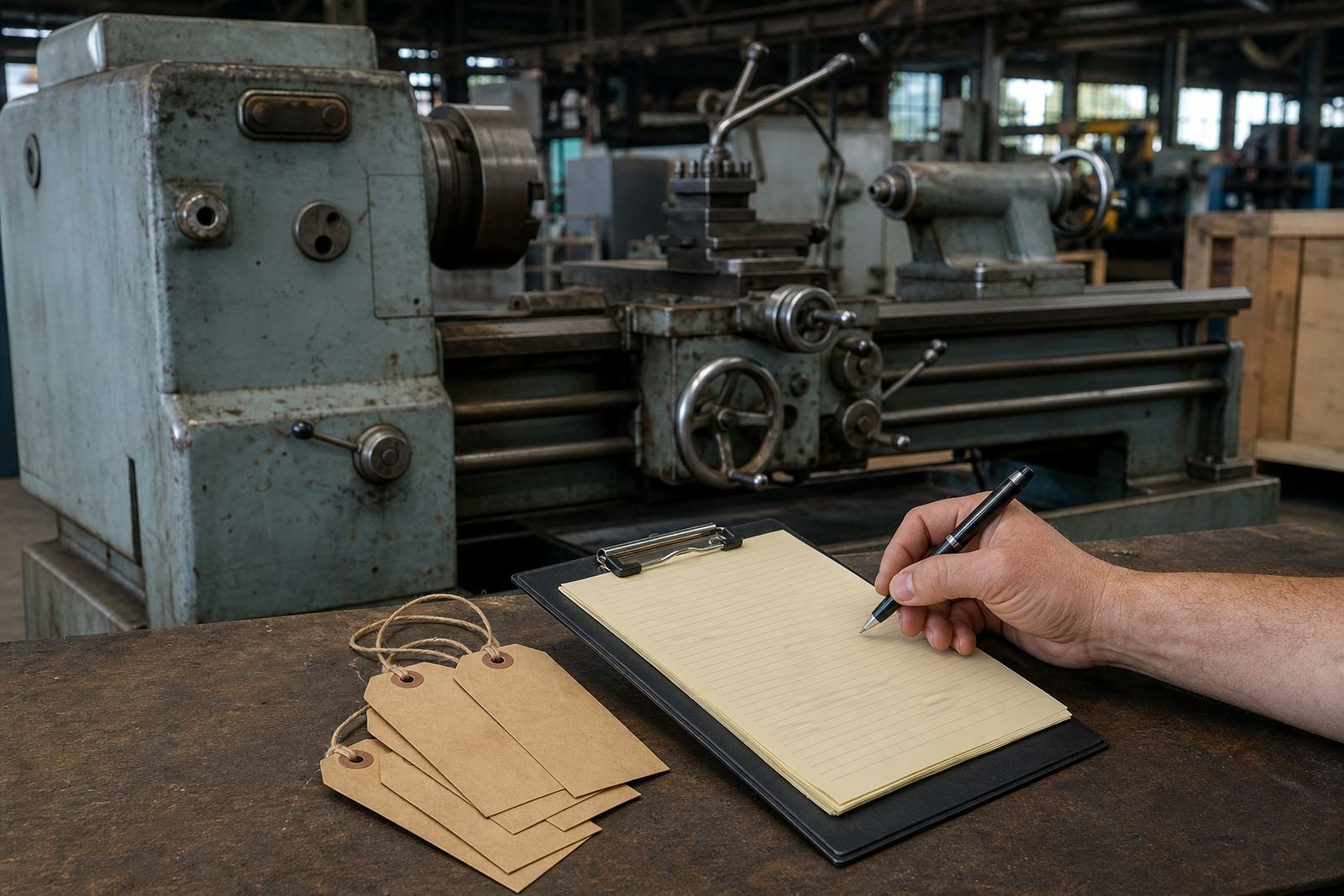
For used industrial machinery, the details matter. A lathe with working electrics and intact guards is a different proposition from one that has been standing in a humid Cape Town yard for months. In Durban, coastal air can affect exposed components. In Gauteng, load-shedding can make buyers ask more questions about motor starts, controls and backup power arrangements. Small things change confidence, and confidence changes price.
- Working condition and test results
- Completeness of tooling, panels and safety parts
- Location and removal difficulty
- Urgency of the sale and size of the buyer pool
How Machine Africa approaches valuations in Kempton Park and beyond
At our Kempton Park base, valuations are handled with a practical view of the South African market. Siyabonga Mthembu leads the business, with Pieter van der Merwe on senior valuation work and Naledi Khumalo managing auction flow. The process is straightforward: inspect the asset, record the details, compare against current market activity and then give an opinion of value that can support a sale plan.
That opinion can be used for auction planning, reserve guidance, closure support or a broader asset review. It is useful for sellers in Johannesburg, Midrand, Germiston, Pretoria, Durban, Cape Town and Gqeberha who need a realistic picture before deciding whether to auction, relist or clear a site. It is also helpful when a buyer wants to understand whether the asking position is sensible.
- On-site valuations for single machines or full plant
- Asset inspections before sale planning
- Reserve guidance based on market conditions
- Lotting and cataloguing to improve buyer clarity
Why the same machine can get different opinions
Two valuers can inspect the same asset and still arrive at slightly different opinions of value. That does not mean one is wrong. They may be weighting things differently, such as service records, visible wear, movement history or how quickly the asset can be sold. The market also changes from month to month, so timing plays a part.
For example, a packaging machine in Germiston with full records and clean presentation may attract stronger interest than the same model left outdoors with missing panels and no test run. The asset itself has not changed, but the evidence around it has. Buyers price in uncertainty. Sellers often underestimate that and then wonder why an auction result is lower than expected.
- Documentation can support stronger buyer confidence
- Clean, complete machinery is easier to price and sell
- Missing parts usually reduce the pool of bidders
- Market timing affects demand across provinces
How to prepare machinery so the market sees its real worth
Before auction or sale, it helps to prepare the machine properly. Clean off dirt and oil, gather manuals and service notes, photograph the asset clearly and make sure buyers can view it safely. If there are special access rules on site, such as municipal requirements for removal trucks or loading times, note them early. That avoids delays and keeps the process orderly.
It is also wise to think about practical buyer concerns. Will the machine run on the available supply? Is it missing guards, tooling or control parts? Can it be moved without dismantling half the workshop? These details may sound minor, but they can shift the final result by a fair margin and sometimes not in the seller's favour.
- Photograph the machine in natural light where possible
- Switch on and test where safe to do so
- List missing parts and faults honestly
- Make removal access and loading notes clear
When an auction is the better route than waiting for a private buyer
An auction is often the better route when timing matters, stock must clear, or multiple items need to be sold in one process. It creates a defined date, a defined viewing period and a clear closing point. That structure can suit businesses closing a site, replacing equipment or handling surplus plant. It also gives buyers a fair chance to inspect and compare the lots.
But the key point remains the same: a valuation is still only an opinion of value. It helps set the playing field, not the final score. A well managed auction, with proper viewing days, seller representation and closure support, gives the market the chance to decide. That is why a realistic valuation is a useful starting point, but never a guarantee of price.
In practice, sellers who understand this are better prepared. They can set sensible reserves, plan removals, and avoid disappointment when the market speaks. Buyers benefit too, because the process is clearer and less emotional.