Start With a Proper Stop Plan
Decommissioning starts before any spanner is lifted. The first step is to confirm that the machine is no longer needed, that production has been scheduled around its removal, and that the correct people are on site to isolate and release the asset. On larger plants, this often means the production manager, maintenance team, health and safety staff, and the buyer or auction representative all working from the same checklist.
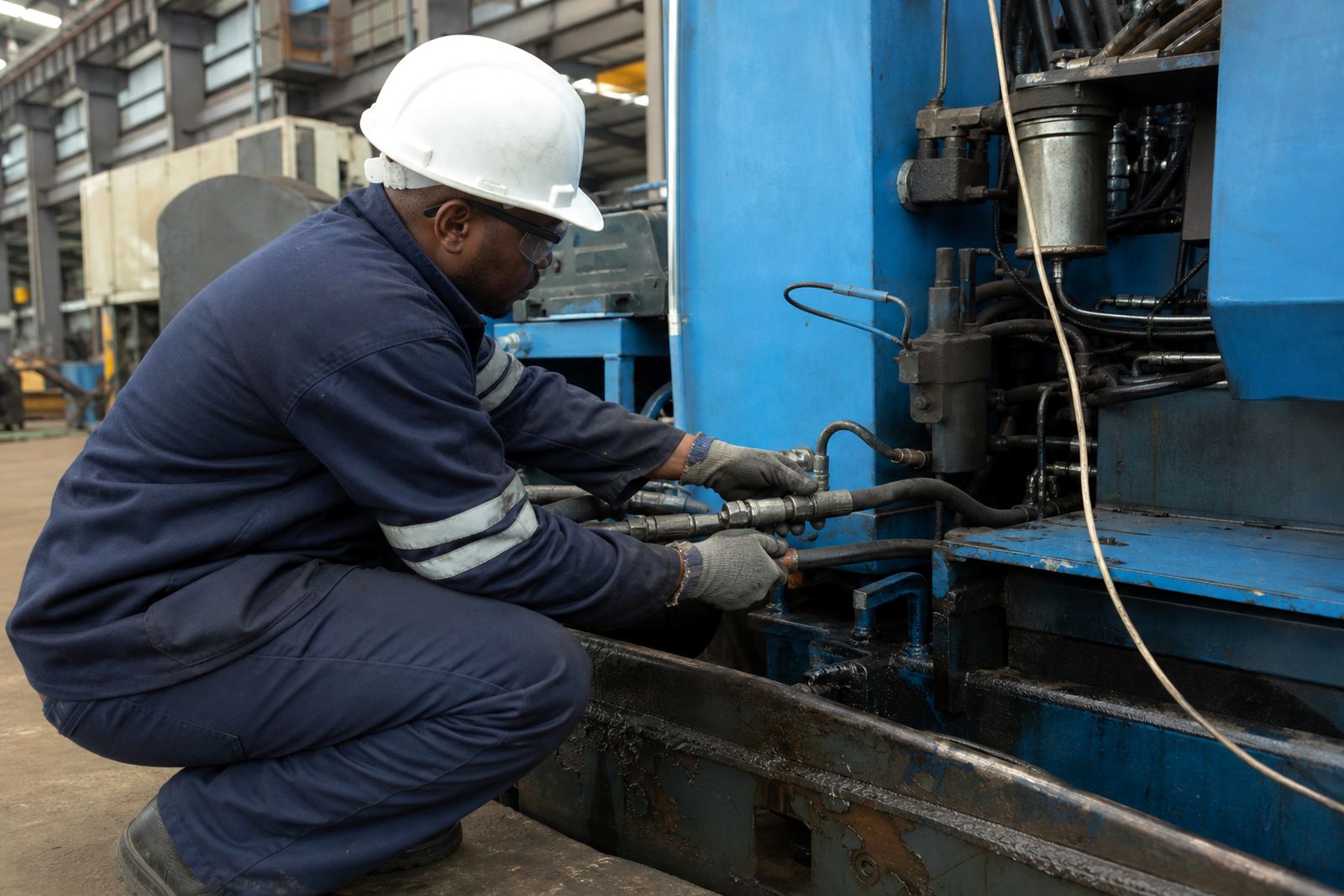
A good stop plan normally includes lock-off points, stored energy release, and a clear record of who isolated what. For electrically driven machinery, that means power must be shut off and verified. For hydraulic or pneumatic units, pressure should be bled down properly. If the machine has built-in controls, backup batteries or memory systems, these should be noted too. A rushed shutdown can lead to damage, delays or injury and that is not worth it.
- Confirm the machine is sold, allocated or marked for removal
- Identify all power, air, water and oil connections
- Assign one responsible person to sign off isolation
- Keep the area clear of unnecessary staff during shutdown
Record What Is Being Removed and What Stays Behind
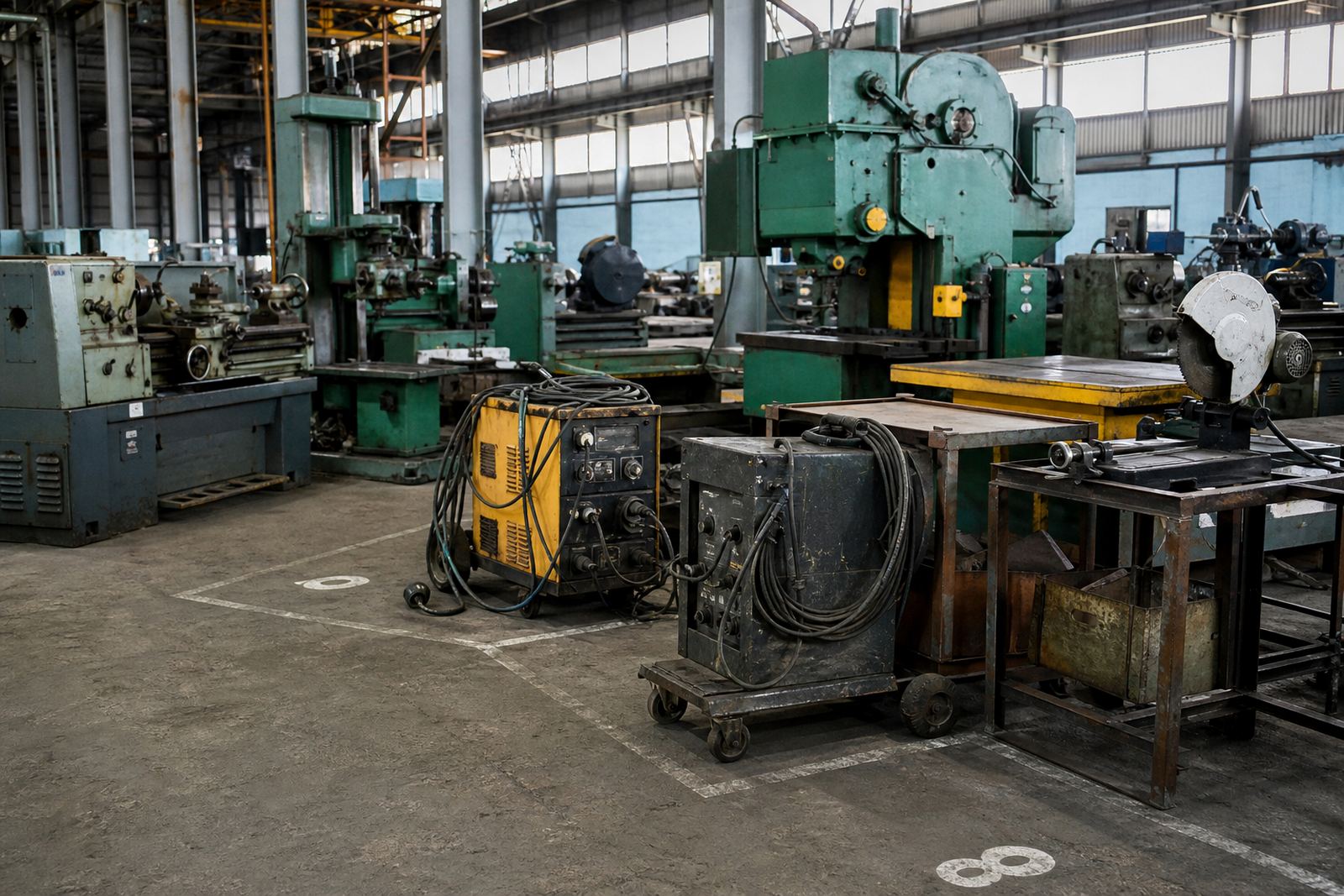
In many sites, the machine itself is only part of the job. Cabinets, ducting, guards, fixed piping, cooling lines and nearby conveyor sections may also need to be removed or left in place. If this is not documented early, confusion creeps in and the removal crew can waste time pulling apart items that were never included in the sale. That is a common cause of hold ups.
Good records should show the machine make, type, serial or asset number where available, and any extra parts that are being included. Photos taken from several angles help with valuations, catalogue preparation and later identification on site. They also help if the machine has been shifted since the first inspection. In a busy Kempton Park workshop, where forklifts and pallets move all day, a simple photo set can save a lot of back-and-forth.
- List included accessories, tooling and spare parts
- Mark fixed attachments and loose components separately
- Photograph control panels, nameplates and connection points
- Note any damage, missing guards or broken fittings
Check Site Rules, Access and Safety Requirements
Every industrial site has its own rules, and decommissioning has to fit them. Some factories require induction, specific PPE, booked loading times or escort vehicles. Others have strict rules for contractors near production lines, chemical stores or forklift routes. If the machine is in a multi-tenant yard or an industrial park, the body corporate or landlord may also need notice before a truck can enter.
For buyers and sellers across Gauteng and the coast, the practical issues are often different. In Durban, moisture and salty air can affect exposed steel and electrical panels if a machine sits outside for too long after removal. In Pretoria or Midrand, the bigger challenge may be access through tight warehouse doors or shared loading bays. A clear plan should cover who opens gates, who controls traffic, and where the loading vehicle can stand without blocking the rest of the site.
- Confirm access times with the site manager or security team
- Check floor loading, doorway widths and turning space
- Use the correct lifting gear for the machine weight and shape
- Keep clear walkways for staff, trucks and forklifts
Separate Decommissioning From Dismantling
Decommissioning is not the same as dismantling, although the two often happen together. Decommissioning means making the machine safe and ready for removal. Dismantling is the actual taking apart of sections, covers, motors, feeders or frames. Buyers sometimes assume everything can come out in one piece, but that depends on the equipment, the route out of the building, and whether lifting points are still sound.
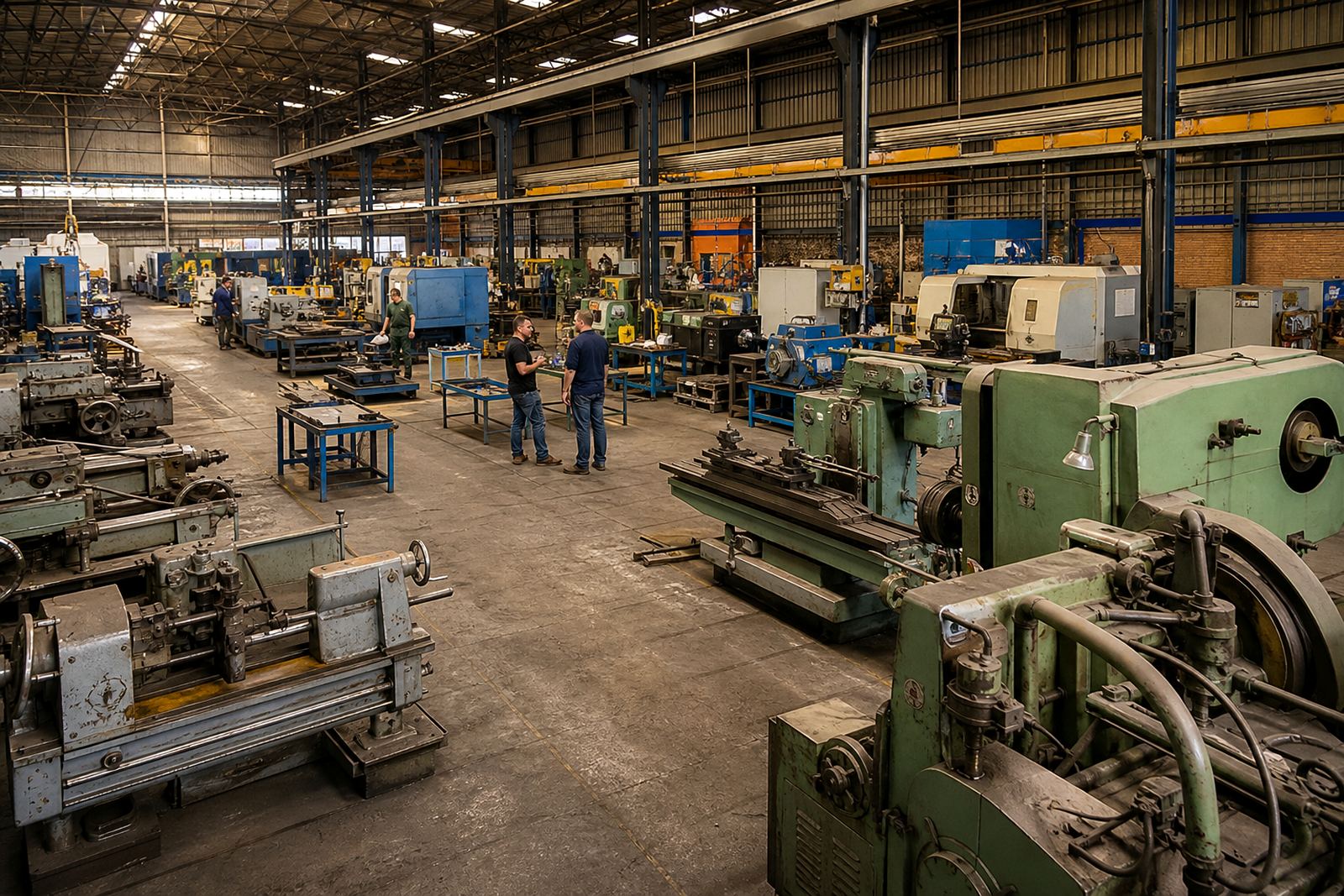
Valuation teams usually need to know whether a machine can be removed intact or must be broken down into sections. This affects the practical advice given to the seller and the likely audience at auction. A large press, lathe or packaging line may have more value if it can be loaded whole, but if the building has a low door or weak floor, sectional removal may be the only workable option. The best choice is the one that protects the machine and the site, not the one that looks easiest on paper.
Good decommissioning also means watching for hidden risks, such as oil in base plates, loose guarding, trapped cables, or sharp sheet metal edges. One missed bolt can turn a quick lift into a half day problem.
Prepare the Machine for Viewing, Valuation and Sale
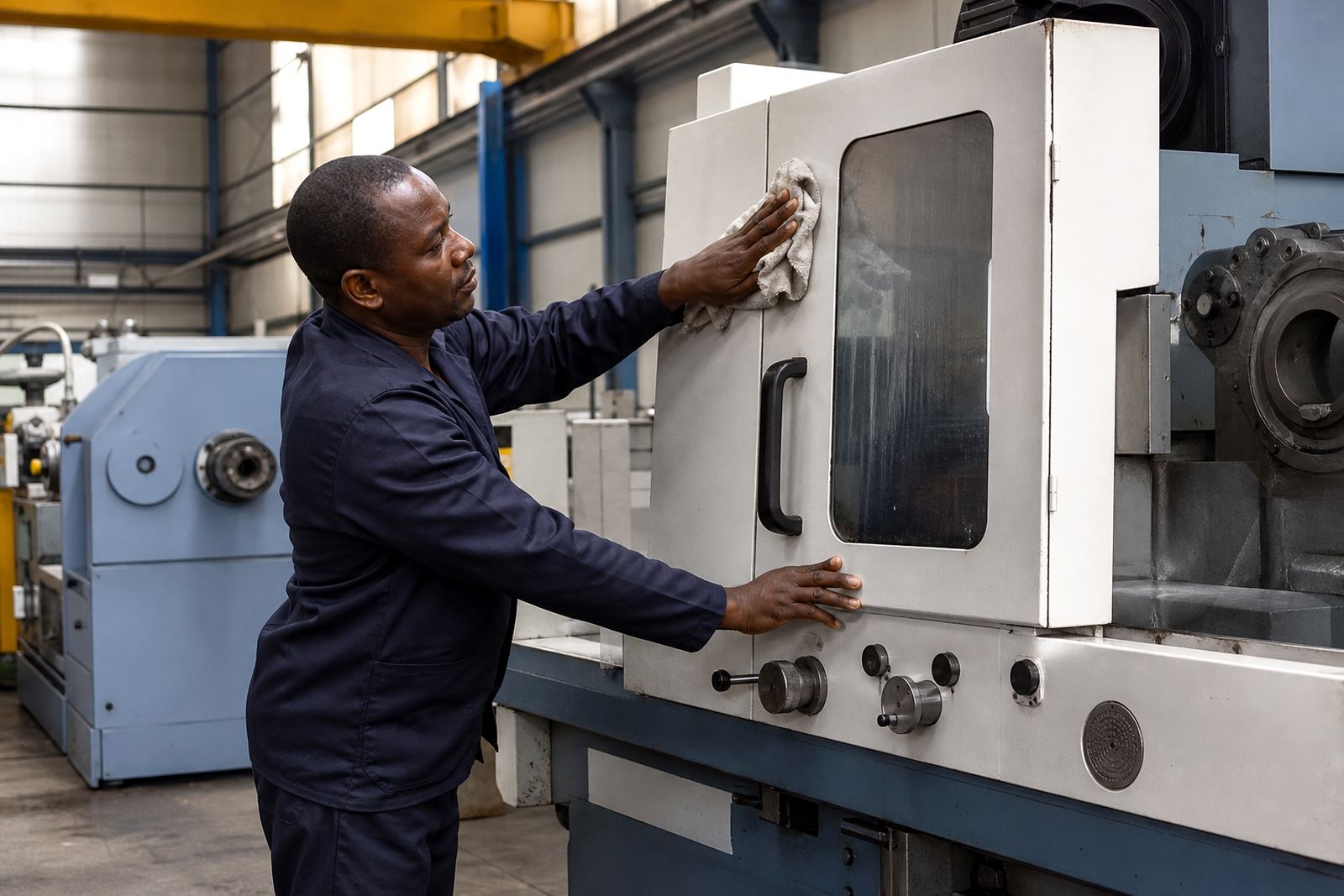
If the machine is heading for auction or private sale, the condition it is in on viewing day matters. A machine does not need a showroom polish, but it should be clean enough for buyers to inspect accurately. Dust, swarf, oil build-up and scrap around the base can hide faults and reduce confidence. A basic clean gives the valuer and buyer a fair look at the asset, which is the whole point of the process.
Before viewing, it helps to check that key parts are visible and that the machine can be accessed from all sides where possible. Missing cables, cracked guards or damaged panels should be disclosed rather than hidden. That kind of transparency is important in any industrial sale. It gives buyers a clear idea of what they are looking at and helps sellers avoid disputes later on.
- Clear loose waste, pallets and old stock from around the unit
- Wipe down obvious oil and dirt from access points
- Make sure doors, covers and panels can be opened safely
- Keep manuals, service records and spare parts together if available
Plan the Collection, Clearance and Final Handover
The last stage is the handover, and this is where many projects slip if no one is in charge. Collection should be timed to suit the site and the transport provider, with enough room for loading, securing and departure. If the machine sits in a basement, on a mezzanine, or behind a live production line, the route out should be walked before collection day. That avoids surprises with gates, ramps, overhead pipes or floor levels.
In a practical example, a Germiston plant removing a used compressor line may need isolation from the main board, a forklift booked for one hour, and a clear path through shared yard space. If the site is operating at the same time, the removal crew may also need a marshal to guide traffic. Once the machine is off site, the seller should confirm that all agreed items have gone and that any remaining debris or fixings are handled in line with site rules. Closure support matters because it finishes the job properly, not halfway.
For sellers, the aim is simple: leave the area safe, clear and signed off. For buyers, the aim is equally simple: collect what was bought without damaging the machine or the premises. A clean handover saves time, avoids conflict and helps both sides move on with confidence.
Why Valuers Ask These Questions Early
When a valuer asks about access, power, condition and site constraints, it is not just paperwork. Those details shape the opinion of value and the practical route to market. A machine with good access, a clear catalogue record and proper decommissioning support will usually be easier to market than one buried behind unused stock or tied into services nobody has documented.
That is why experienced teams ask early questions about plant appraisals, lotting and cataloguing, photo listing prep, and reserve guidance. The more complete the information, the easier it is to guide sellers and buyers through the process. It also reduces the chance of last minute changes on collection day, which can be expensive and frustrating for everyone involved.
At Machine Africa, we work with sellers across Kempton Park, Johannesburg, Pretoria, Durban, Cape Town and Gqeberha to keep decommissioning practical and orderly. The job is not only to value the machine, but to make sure the machine can actually leave site in a controlled way.