Start With A Proper Site Valuation
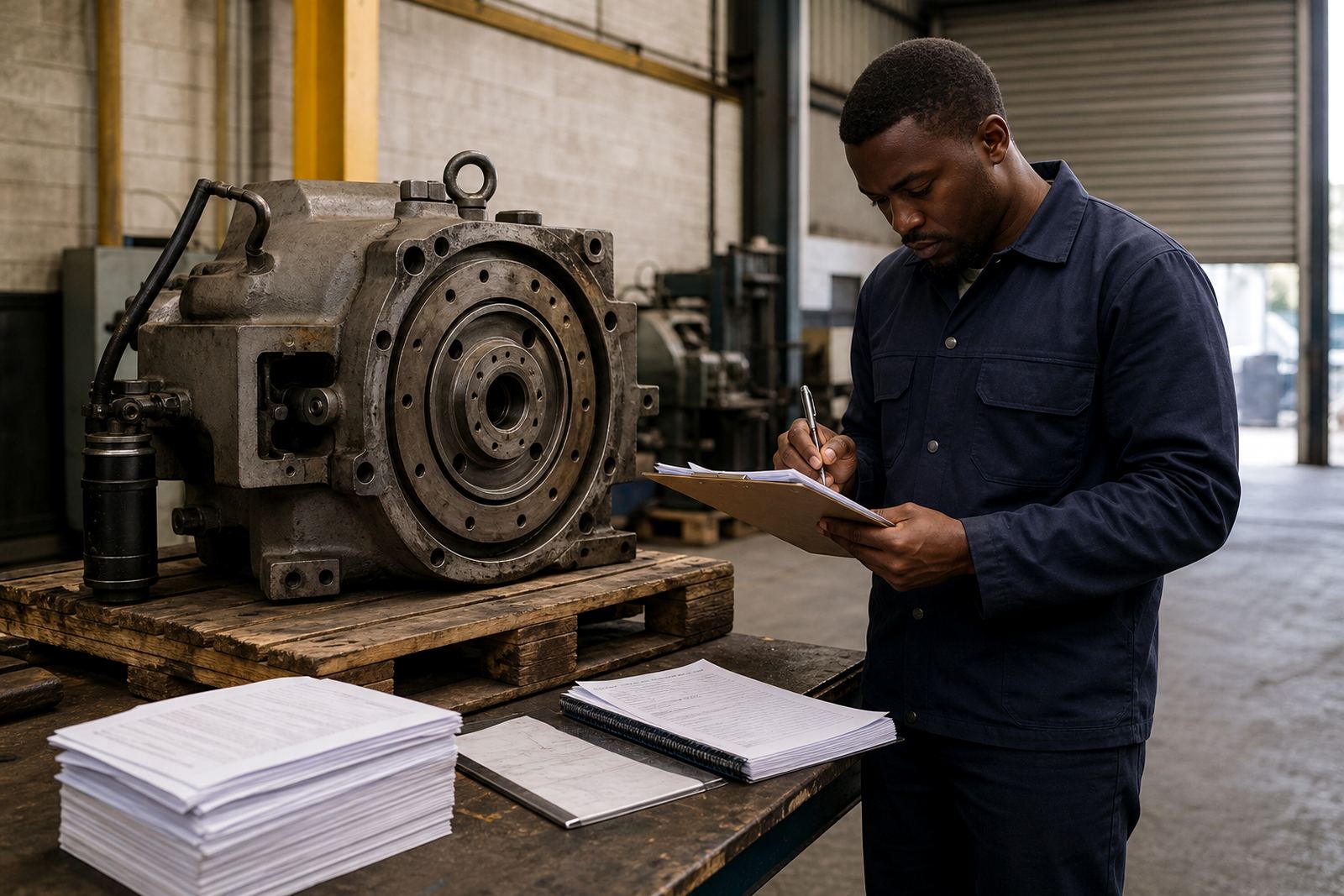
The first step in any clearance sale is an on-site valuation. A valuer walks the floor, checks the condition of the plant, notes missing parts, reviews power requirements and looks at how the equipment was used. The aim is to form an opinion of value based on the current market, not a promise of what the item will definitely sell for.
For factories in Kempton Park, Germiston or Midrand, this often includes older lines that have been exposed to dust, vibration or long periods of idle time. In coastal centres like Durban, humidity and rust can affect the assessment. The same machine can be worth very different amounts depending on service history, age and whether it can be tested on site.
- Record make, model, serial number and power rating where visible
- Note whether the machine is complete, stripped or still installed
- Flag any safety concerns, oil leaks or damaged guards
- Check access routes for removal, loading and lifting gear
Separate What Sells Together And What Sells Better Apart
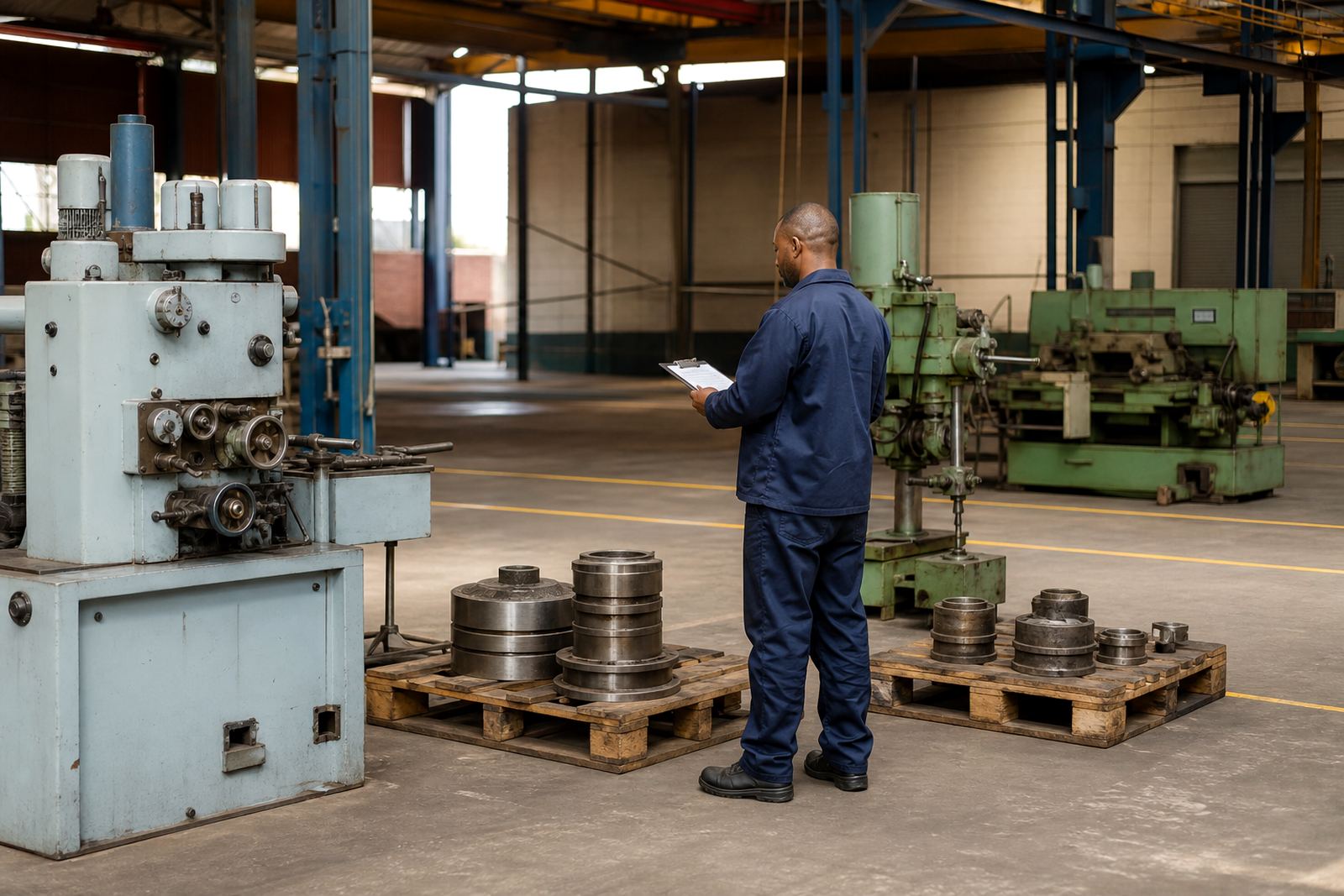
Once the site has been assessed, the next job is lotting. This means deciding which items should be sold as individual lots and which should be grouped. A full production line may have more appeal sold in sections, while hand tools, racking or loose spares may do better in smaller lots. The point is to match the lot structure to how buyers actually shop at auction.
Good lotting can reduce confusion on the day and make the catalogue easier to follow. It also helps sellers understand which items are likely to attract workshop buyers, traders, exporters or local fabricators. If there are items that must stay with another asset for safe use, that should be made clear before the viewing starts.
- Keep high value machines easy to identify
- Group low value loose items only when it makes sense
- Separate scrap, damaged stock and working equipment
- Mark items that need dismantling before removal
Prepare The Catalogue And Photo Record
A factory clearance sale depends on clear information. Buyers want to know what they are looking at, where it sits, and what condition it is in. A proper catalogue gives each lot a short description, location, dimensions if needed, and honest notes about condition. Photo listing prep is just as important because many buyers will first inspect the sale online before they visit in person.
Sharp photos should show the full machine, the control panel, nameplate, wear points and any missing parts. In a noisy clearance environment, this often means taking time to clean dust off key surfaces and make sure the machine is readable in the picture. That small effort can make a real difference to buyer confidence.
- Use consistent lot numbers across the site and catalogue
- Photograph both the overall machine and close-up details
- Include serial plates, drives, guards and attachments
- Note if power, air or water supply is needed for testing
Set Viewing Days That Are Safe And Controlled
Viewing days are where buyers decide whether to bid. They need enough access to inspect the machinery properly, but the site still has to stay safe and orderly. In working factories or decommissioning sites, there may be forklifts moving around, floor hazards, live electrical points or limited lighting because of load-shedding. The viewing setup should account for all of that.
A good viewing day gives buyers room to check machine size, gauge condition and ask practical questions. It also lets the seller manage traffic through the site and keep people away from restricted areas. For local clearance jobs in Pretoria or Johannesburg, this often means setting a route through the plant and assigning someone to keep the flow moving.
- Mark safe walking paths and no-go areas
- Keep machinery energised only if testing is planned and controlled
- Allow enough time for buyers to inspect larger items
- Provide basic loading and access information upfront
Run The Auction With Clear Reserve Guidance
When the sale goes live, the auction process should be simple to follow. Sellers usually want reserve guidance before bidding starts so they know which items can be released and which need a minimum acceptable level. The reserve should be set carefully, because an unrealistic figure can stall the sale while an overly low reserve can leave value on the floor.
During the auction, the team tracks bids, confirms lot details and manages questions from buyers. If the sale is a clearance sale rather than a full business transfer, timing matters. Items need to be sold in a way that supports prompt release, especially where a factory needs to be emptied before lease expiry or a landlord handover.
Machine Africa’s team in Kempton Park often handles this stage with a practical eye on site access, buyer interest and removal timelines. Siyabonga Mthembu, together with Naledi Khumalo and Pieter van der Merwe, would normally keep the process moving while the rest of the team manages catalogue updates, logistics and buyer communication.
Close Out The Sale And Coordinate Removal
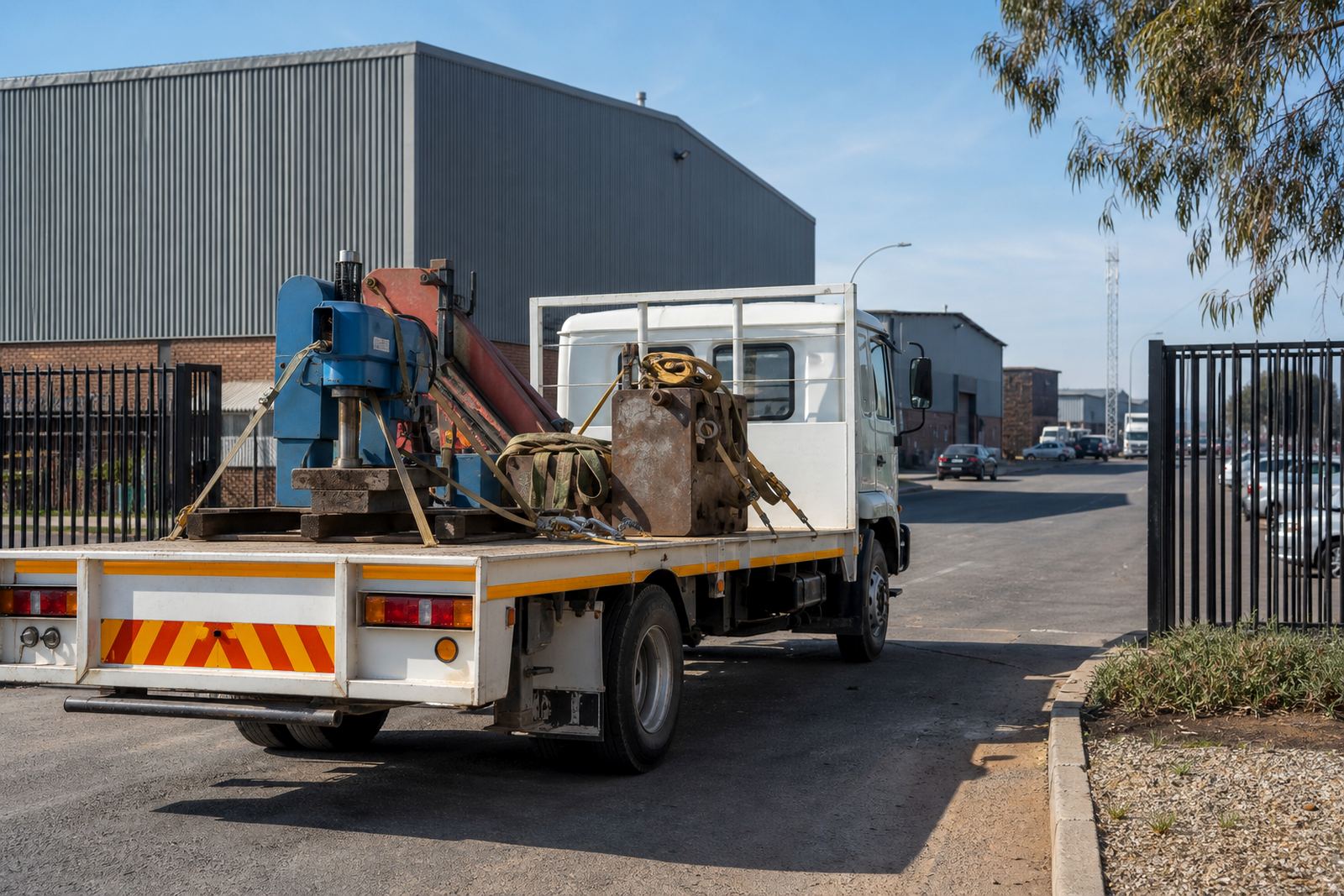
After the hammer falls, the work is not over. Closure support covers payment confirmation, release notes, collection timing and removal coordination. This is where many clearance sales either stay orderly or become messy. Clear instructions reduce the chance of damage to the building, arguments over access, or delays that hold up the rest of the site.
Collection coordination should take account of the item size, lifting requirements, transport access and any municipal or building rules that affect load-out. In busy centres like Cape Town, Gqeberha and Durban, buyers may need to work around tight loading times or security rules. For large items, a buyer may also need qualified rigging or a serviceable vehicle with enough capacity to move the asset safely.
- Confirm who may enter the site for removal
- Set collection windows that suit the property owner
- Check that all loose accessories are handed over with the lot
- Keep a written record of items removed and any damage noted