Why timing matters when machines come to market
Used machinery does not move in a flat line through the year. A machine that draws steady interest in winter may get much stronger attention in summer, or the other way around, depending on the sector, the condition of the equipment and what buyers are trying to replace. A valuation reflects informed market opinion at a point in time, not a guarantee of what a bidder will pay on auction day.
For sellers, timing can affect how many suitable buyers are watching. For buyers, timing can influence how much choice is available and whether a machine is offered when their own workload is peaking. In practical terms, a good sale date is the one that matches buyer activity, site access and the state of the machine, not just the seller’s preference.
- High buyer activity can come from replacement cycles, project deadlines or budget timing.
- Lower activity may happen during public holidays, plant shutdowns or heavy rain periods.
- Condition still matters most, but timing can shape how many people see the lot.
Seasonal patterns that often affect buyer interest
Certain categories tend to follow business cycles. Earthmoving plant may attract more attention when contractors are lining up for road works or site preparation. Generators and electrical support equipment often become more relevant when load-shedding or backup power planning is top of mind. Agricultural machinery can be more active around planting or harvest periods, especially where buyers want equipment ready before the next season starts.
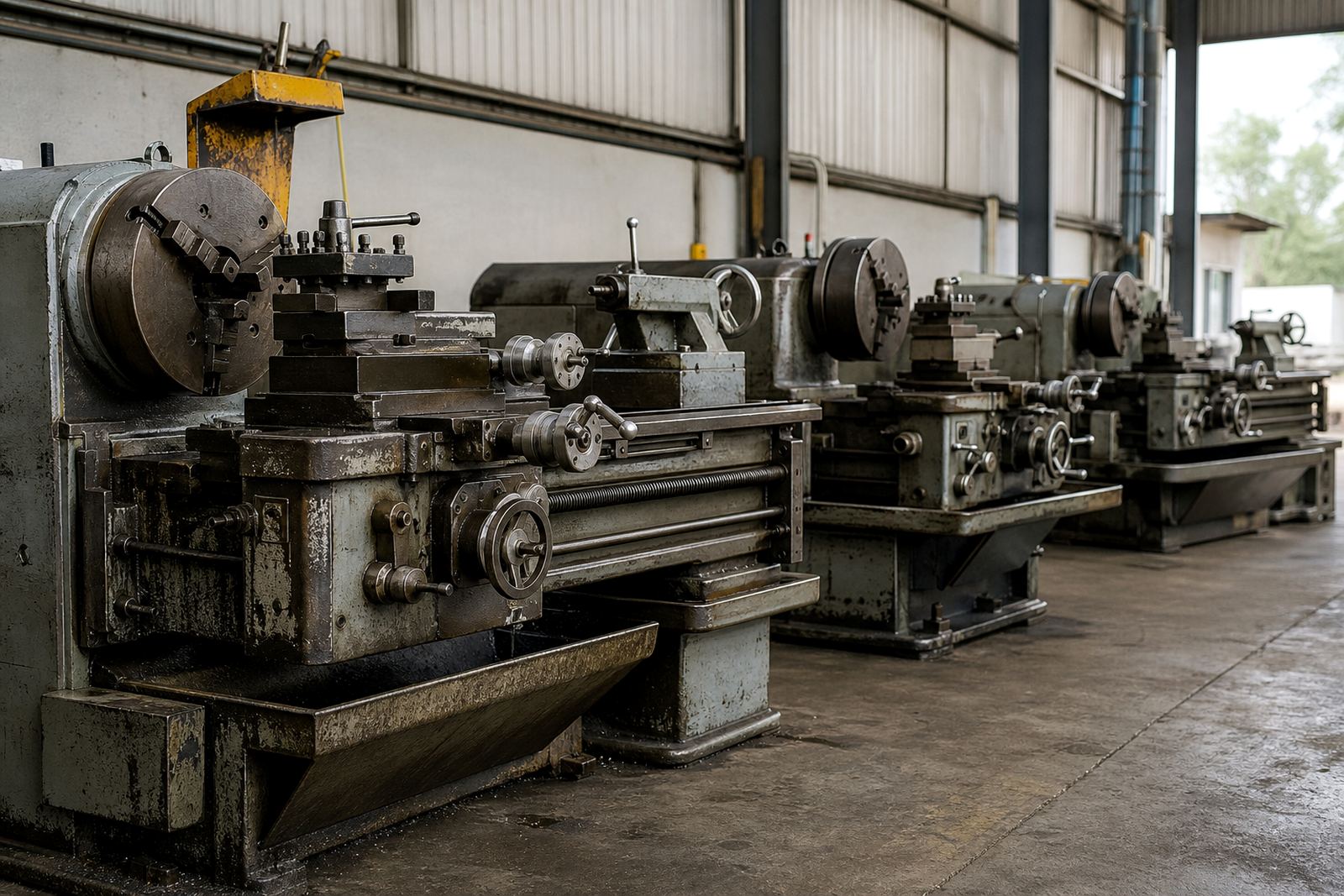
Industrial processing and workshop equipment may also see shifts around year-end shutdowns, when businesses are clearing yards, reviewing capital plans or making room for newer equipment. In coastal areas, buyers sometimes pay closer attention after periods of high humidity and corrosion risk, because they know what to look for in motors, panels and frames.
- Plant and construction equipment can move faster when projects are starting up.
- Power generation gear often gets more attention during supply pressure or maintenance season.
- Food and agri processing equipment may be more active around harvest and packing cycles.
How local conditions in Gauteng change the picture
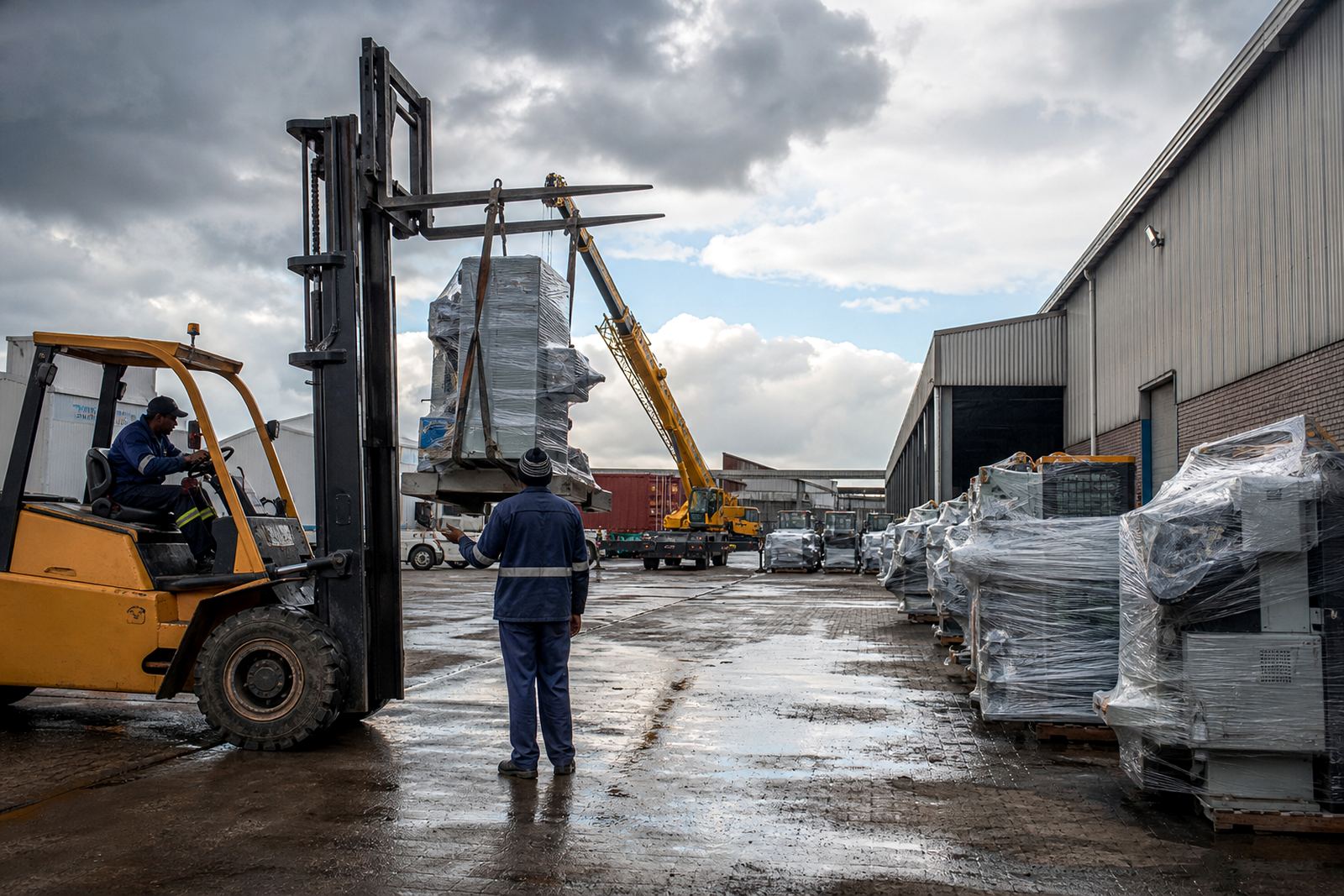
In Kempton Park and the wider Gauteng market, timing often follows factory schedules, transport availability and the end of monthly or quarterly spend. Buyers from Johannesburg, Pretoria, Germiston and Midrand often need short lead times, so if a machine is ready with clear photos, inspection notes and a sensible lotting plan, interest can rise quickly. When a yard is difficult to access because of rain, traffic or limited crane time, even a good machine may need a better viewing window.
A local example is a workshop clearing two press brakes and a fork truck before December shutdown. If the viewing day is set when maintenance teams are still on site, more buyers can inspect the assets properly. If the same lots go live when many decision-makers are away, interest may be thinner and questions may drag on longer than expected. That is why seasonal planning is as much about people as it is about steel and motors.
- Make sure access routes, forklifts and loading equipment are available for viewings.
- Plan around factory shutdowns, school holidays and month-end admin pressure.
- Allow enough time for cleaning, listing and clear lot descriptions before the sale.
What sellers can do before choosing a sale date
There is no single best month for every machine. A seller should first look at the category, the condition, the machine hours where relevant, and whether the asset is still working or sold as-is. If there is a rush to clear space, a quick sale may be practical. If the equipment is specialised, a little patience can help reach the right buyers.
Before setting a date, it helps to prepare the site and the records. That includes confirming serial numbers where available, checking that the machine can be started safely, and gathering service notes, manuals or photos. The better the information, the easier it is for buyers to compare the lot with similar equipment on the market. This is where a clear valuation and well planned auction format can support the process without promising a final sale price.
- Choose a date that gives buyers time to inspect and ask questions.
- Match the listing period to the machine type and likely buyer base.
- Remove clutter from around the asset so the condition is easy to assess.
How buyers use seasonal supply to their advantage
Buyers who watch the market through the year often find better opportunities when others are busy elsewhere. A contractor may pick up a machine just after a project ends, while a manufacturer may buy after a year-end clearance sale to support the next production cycle. Seasonal supply can also create better comparison points, because more similar lots may appear at the same time.
That said, a buyer should not chase timing alone. The right question is whether the equipment suits the job, whether spares and service support are workable, and whether the machine’s condition fits the price expectation. If a machine needs repairs, buyers should factor that into their own assessment rather than assume a seasonal pattern will make the purchase risk disappear.
- Compare the lot against current workload and transport costs.
- Check whether the machine fits the power supply and site conditions at the new location.
- Look carefully at wear, missing parts and any signs of downtime before bidding.
A practical auction plan beats guesswork
Seasonal demand can help shape a sale, but it should never replace proper planning. A good auction process starts with an on-site inspection, realistic reserve guidance where appropriate, and careful lotting so that related assets make sense together. Photo listing prep, accurate descriptions and viewing days all help buyers make informed decisions, especially when the market is active and people are comparing several options at once.
For sellers across South Africa, from Durban and Cape Town to Gqeberha, the aim is to place the machine in front of the right audience at the right time. That may mean waiting for a stronger buying period, or it may mean moving quickly to avoid storage costs and yard congestion. The best outcome usually comes from matching the sale to the machine, the market and the season, not from guessing and hoping for the best.
Seasonal demand can shift attention, but careful preparation is what turns interest into proper bidding.