Centurion Yard Brief and What Needed Moving
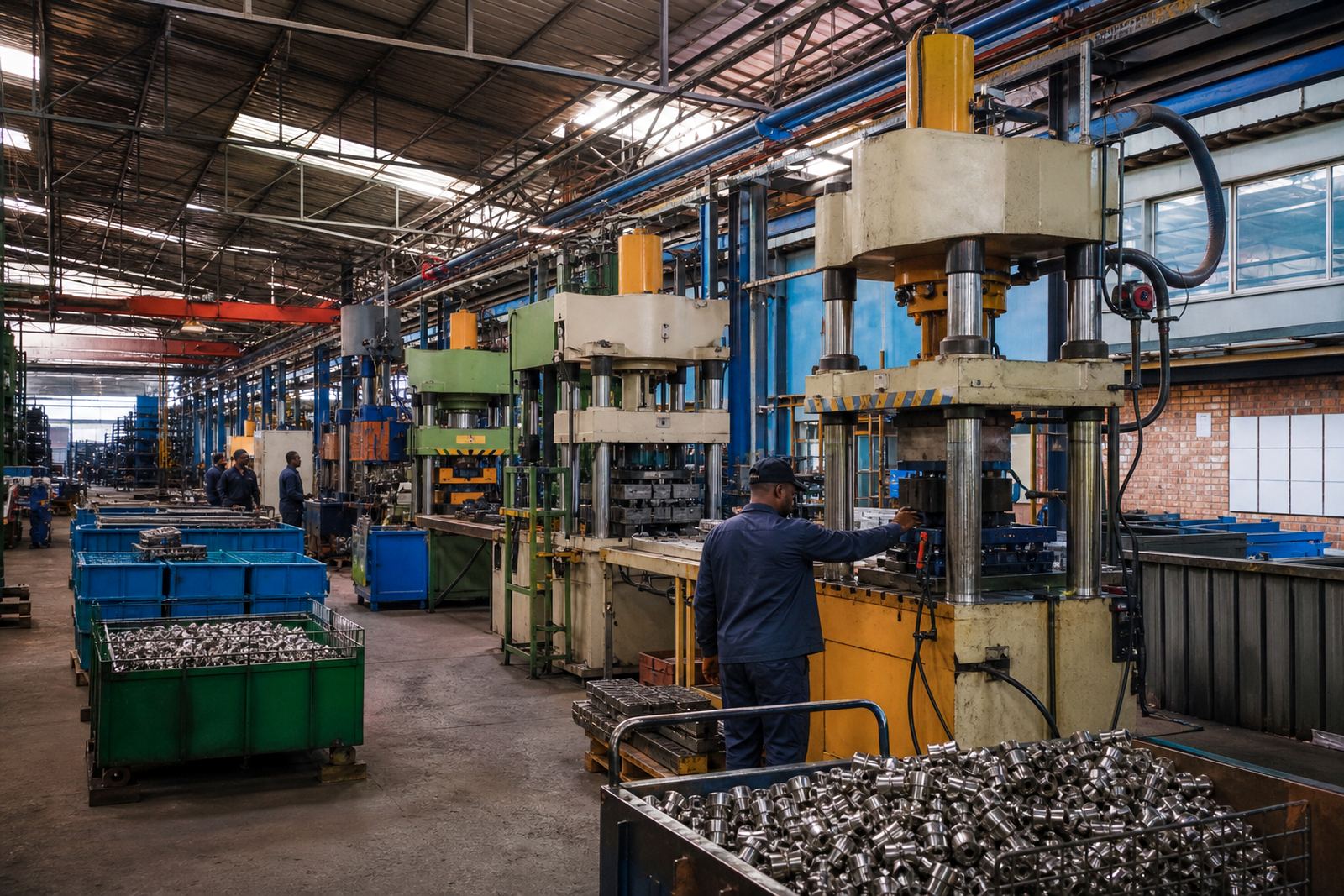
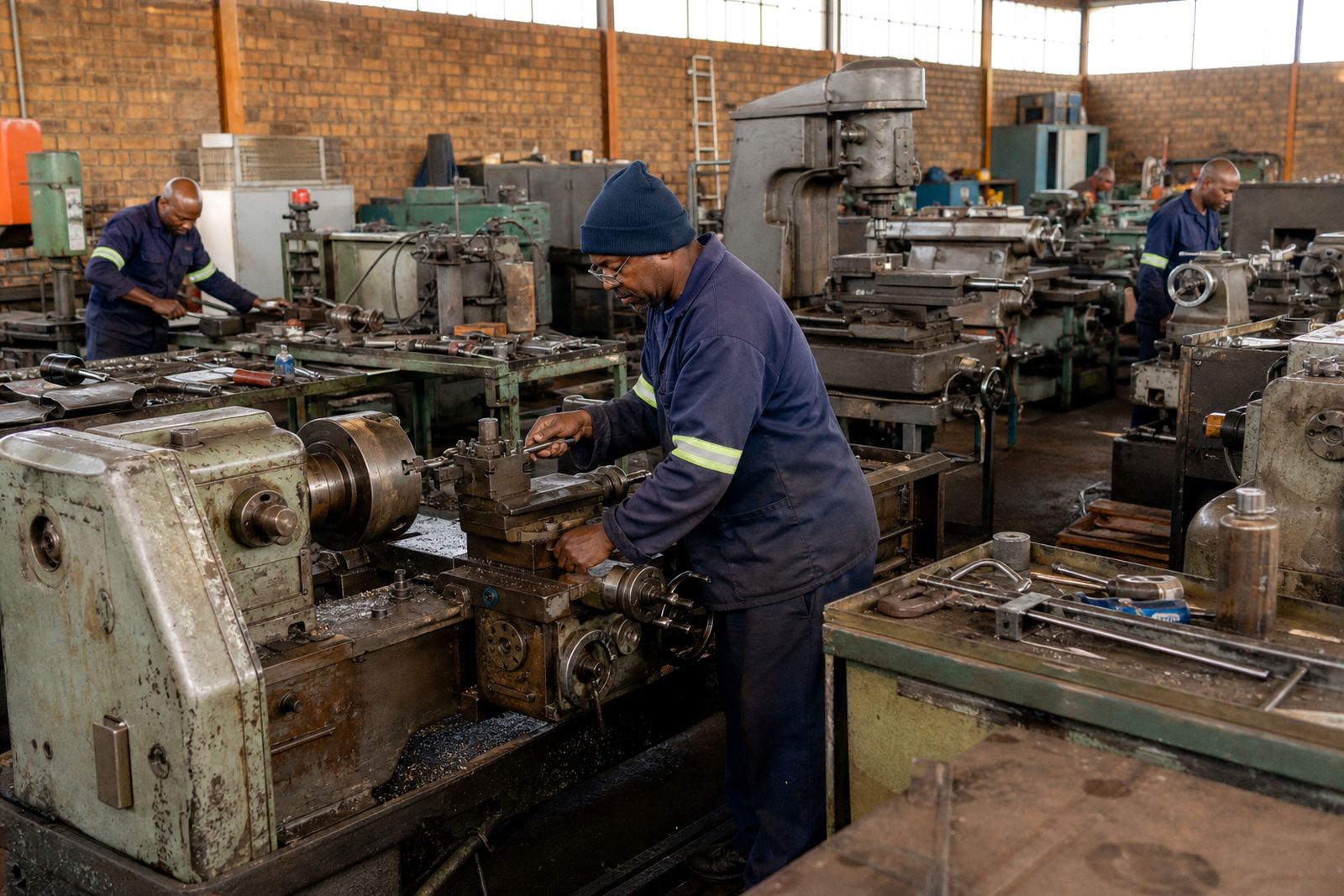
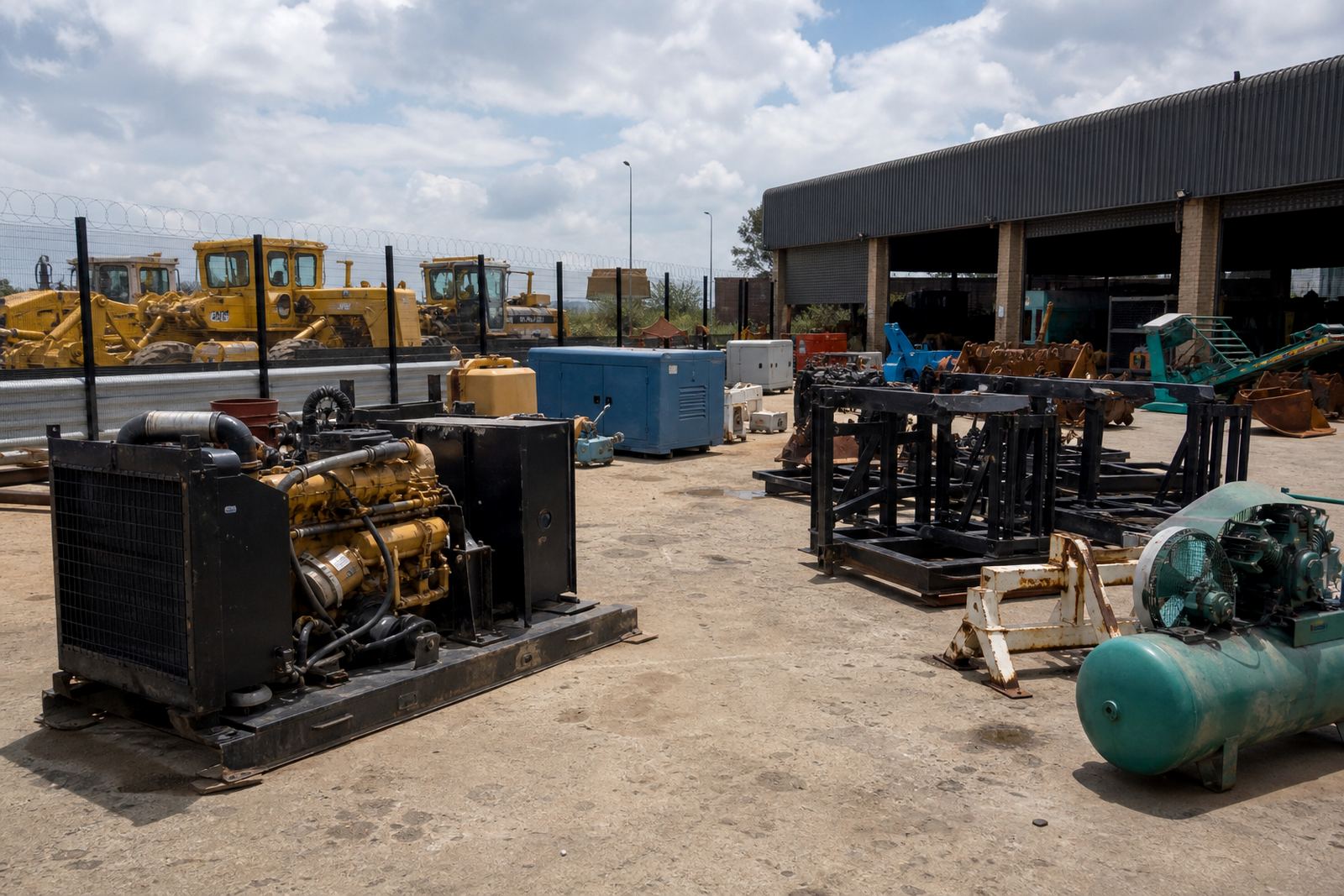
The instruction came from a contractor support yard in Centurion that had built up a mix of surplus generators, air compressors and welding plant over time. Some items were idle after equipment upgrades, while others had been kept as standby units for maintenance teams and project work. The owner needed a disposal process that would create order, separate saleable assets from scrap, and keep the yard usable for daily operations.
The equipment had to be assessed in place because moving it all first would have taken too much time and would have made a proper inspection difficult. We were asked to give value opinions, not promises of sale price, and to set a clear route for an auction style disposal. That meant checking condition, running numbers where possible, recording hours and specs, and making a fair call on what could be offered as working plant versus items best sold as spares or repair lots.
- Site: contractor support yard in Centurion, Gauteng
- Asset mix: generators, compressors, welding plant and related accessories
- Objective: clear surplus stock without disrupting normal yard activity
- Approach: inspect, value, lot, photograph and prepare for sale
Condition Checks and Valuation Approach
Our Senior Valuer and site team completed an on-site review of the main items, starting with the generator sets and then moving through the compressed air and welding equipment. We looked at age, visible wear, service records where available, electrical condition, engine starts, operating hours, frame integrity and signs of poor storage. In Gauteng, many contractor yards deal with dust, temperature swings and load shedding related usage, so battery condition, fuel systems and control panels need close attention.
Valuation was based on market opinion using practical evidence from the site and comparable industrial demand, but never as a guarantee of sale price. We also flagged items that might do better as grouped lots, because a set of matching compressors or welding machines can be more useful to buyers than single scattered units. For a few pieces, we recommended reserve guidance where the owner wanted protection against underselling while still allowing the market to respond.
- Key facts checked: make type, serial plate details, operating condition and apparent completeness
- Power equipment: generator capacity, start-up behaviour and panel condition
- Air equipment: receiver tank state, hoses, fittings and pressure controls
- Welding plant: cables, torch leads, duty condition and visible repair history
Lotting, Catalogue Prep and Viewing Days
Once the inspection was complete, the next step was to turn the yard contents into a saleable catalogue. Lerato Nkosi handled the photo listing prep, while Thabo Molefe and Johan Botha coordinated access around the yard so that equipment could be moved, labelled and staged without blocking forklifts or delivery vehicles. This part matters in a working contractor yard because poor lotting can slow down both the sale and the normal operation of the business.
We grouped the assets into sensible lots: standalone generators, compressor packages, welding sets, and mixed support items such as leads, reels, regulators and small spares. Viewing days were arranged so buyers could inspect the condition for themselves and ask direct questions about what was included. That helps both sides, because it keeps the process transparent and avoids confusion after the sale. It also reduces last minute disputes over fittings, missing parts or whether a unit was complete.
- Catalogue items were described with plain industrial details, not marketing language
- Photos showed the full unit, plates, panels, cables and obvious defects
- Viewing access was planned around yard traffic and safe walkways
- Each lot was numbered so buyers could identify exactly what they were bidding on
Auction Planning, Reserve Guidance and Seller Representation
Naledi Khumalo handled the auction planning with support from the client relations team and operations. The seller wanted a process that was fair, easy to follow and not rushed, so we built the schedule around the yard’s working week and the condition of the assets. In practice that meant allowing enough time for inspections, buyer questions and final reserve discussions before anything went under the hammer.
Reserve guidance was set item by item where needed. That is important because a reserve is a minimum acceptable figure for the seller, and it needs to reflect condition and demand without being unrealistic. We represented the seller through the listing and enquiry stage, making sure enquiries were answered clearly and that buyers knew whether they were bidding on a tested unit, an untested unit or one sold as seen. In a disposal like this, clarity prevents confusion and keeps the process moving. We also kept closure support in mind from the start, so the yard could return to normal use after the sale, not weeks later.
Timeline and Site Coordination in Three Weeks
The disposal was handled over three weeks from first visit to final handover planning. Week one covered the site inspection, asset notes and initial valuation opinions. Week two covered photo preparation, lotting, catalogue drafting and seller sign-off on the reserve structure. Week three was reserved for buyer viewing, final updates and auction coordination. That pace worked well because the yard had active operations and could not afford a long disruption.
Site logistics were a real part of the job. Equipment was positioned so that photos could be taken without moving heavy items too far, and collection planning was mapped against the yard’s access points. In places like Centurion, where contractor sites often run tight schedules and limited space, the yard has to stay practical while the disposal happens. A tidy process saves time and cuts down on mistakes, especially when there are generators, air receivers and welded frames involved.
- Week 1: inspection, notes and valuation opinions
- Week 2: lotting, catalogue prep and reserve guidance
- Week 3: viewing, buyer coordination and closure planning
Results, Handover and What We Would Repeat
The main result was a cleaner yard with surplus industrial equipment separated into saleable lots and support items. The client gained a structured disposal plan and a clear record of what had been assessed, listed and prepared for sale. Buyers had the benefit of proper viewing information and no guesswork about the condition of the main machines. For the seller, that meant better control over the process and less risk of random one by one selling that can drag on for months.
If we were doing the same yard again, we would keep the same sequence: inspect early, record everything on site, group by buyer use rather than by what is easiest to drag together, and leave enough time for viewing before closure. For contractor yards especially, the best outcome comes from practical planning and straight communication. That is the work we have been doing since 2008 from our Kempton Park base, across Johannesburg, Pretoria, Durban, Cape Town and Gqeberha, and it fits this kind of disposal well.
Key Machinery Facts From the Centurion Disposal
The yard included a useful mix of standby power and fabrication support equipment. The generator lots varied in size and condition, with some units showing heavier site use and others appearing to have spent more time as back-up power during outages. The compressors were generally grouped as workshop support units, and the welding plant included portable and fixed units with related leads and accessories. Nothing was treated as generic bulk scrap until it had been properly checked.
- Generator sets: mixed sizes, fuel dependent, suitable for standby or site power use
- Compressors: workshop support units with receivers, hoses and fittings
- Welding plant: portable and fixed units with leads and accessories
- Condition notes: visible wear, storage effects and service history were all considered
Key facts
| Project type | Contractor support yard disposal |
|---|---|
| Location | Centurion, Gauteng |
| Main equipment | Generators, compressors and welding plant |
| Timeline | 3 weeks |
| Services used | On-Site Valuations, Auction Planning, Lotting and Cataloguing, Viewing Days, Reserve Guidance, Closure Support |
| Base | Kempton Park |