Jet Park Warehouse Sale Brief
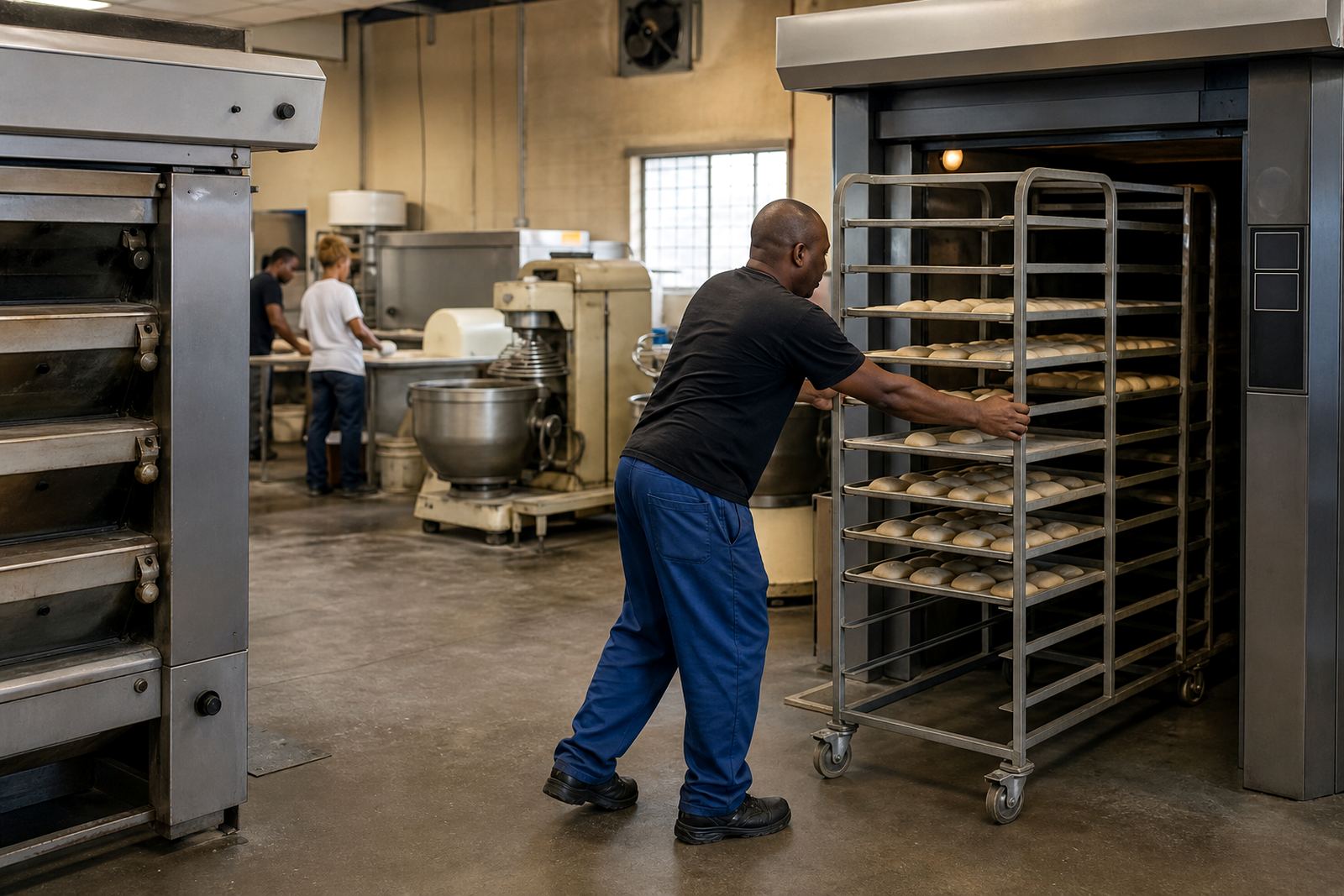
The client was a warehouse-based operator in Jet Park handling storage, packing and dispatch activity for multiple commercial accounts. They needed a sale plan for used industrial machinery and warehouse gear that had reached the end of its working life in that site, but still held value if presented properly.
Our role was to provide opinion-of-value assessments, guide the lot structure, prepare the equipment for auction and manage buyer access. The mix included counterbalance forklifts, pallet handling equipment, racking accessories, packing line support machinery and small items tied to dispatch operations. The site was active, so the sale had to be handled without interrupting daily receiving and outbound work more than necessary.
Because valuations are opinions of value and not guarantees of sale price, we focused on condition, service history where available, age, working state and market demand at the time. That approach helps sellers set sensible reserve guidance and helps buyers understand what they are looking at before bidding.
What We Found On Site
The warehouse held a practical mix of equipment rather than a single production line. Some items were ready for reuse after inspection, while others needed testing notes, close photography and clear comments on visible wear. In a busy Jet Park setting, dust, pallet scuffs and general warehouse handling marks are normal, so the condition record matters just as much as the name on the machine.
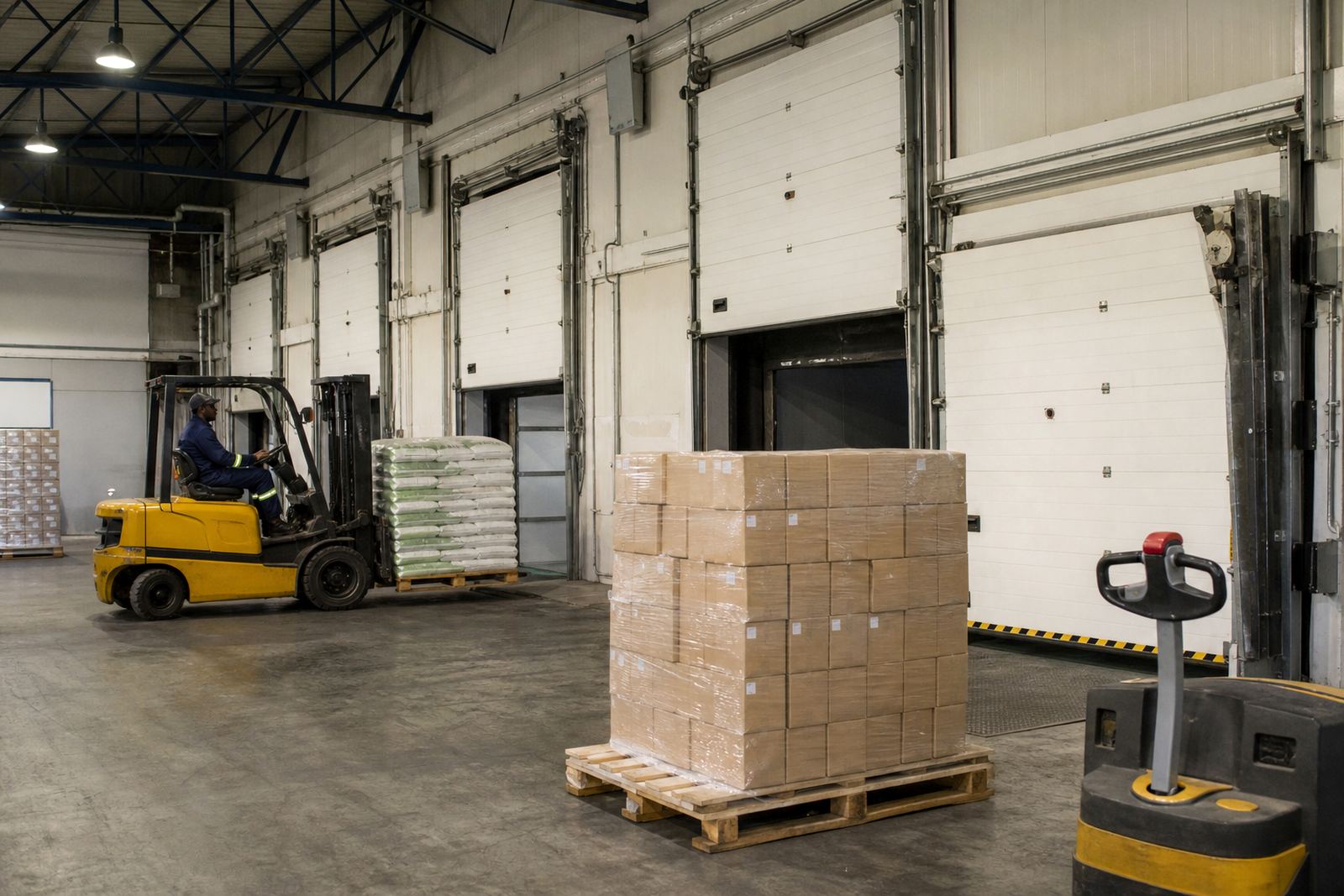
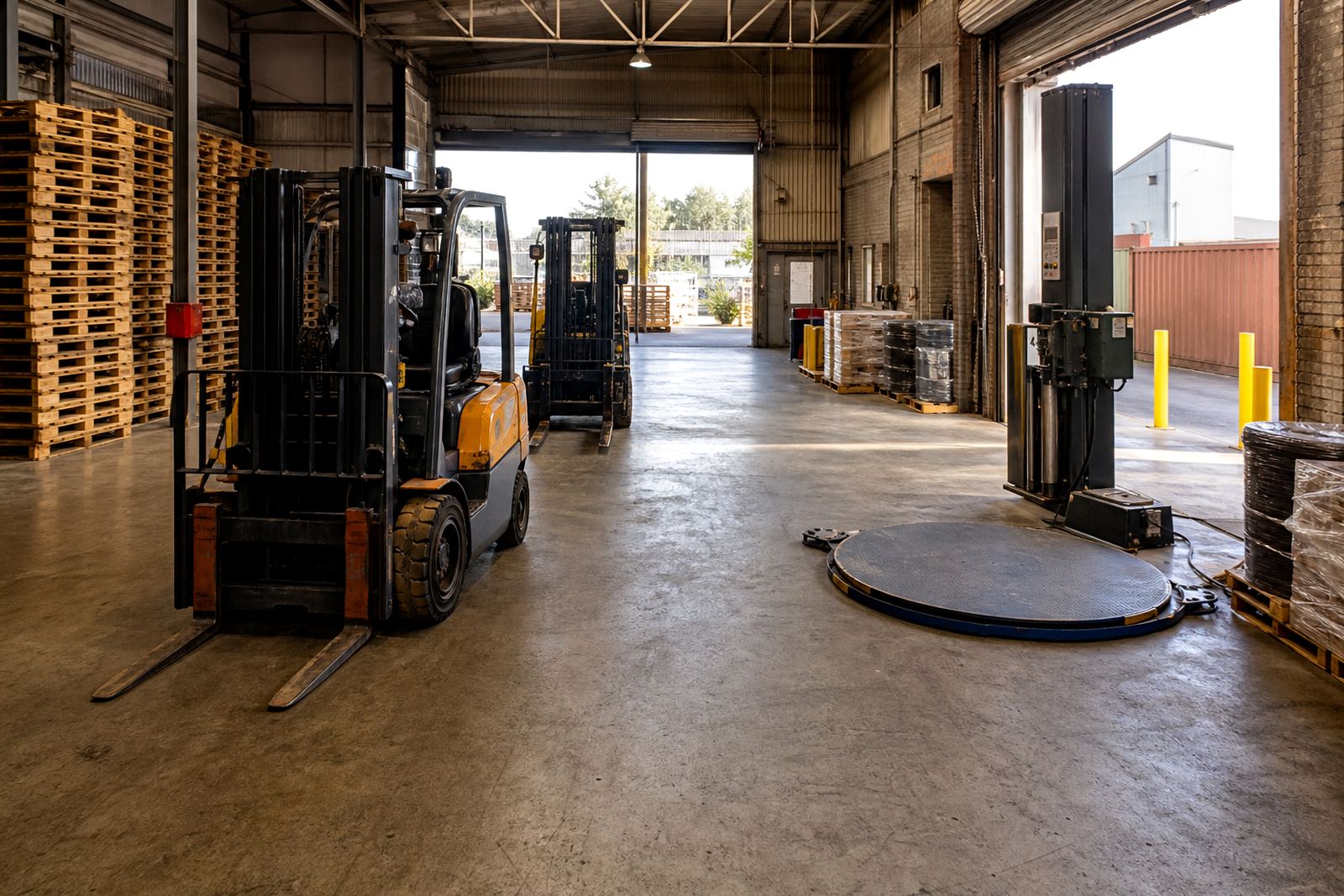
- Forklifts with varying lift capacities and mast heights, suitable for dock work and indoor load movement.
- Racking accessories, including uprights, beams, safety items and associated storage hardware.
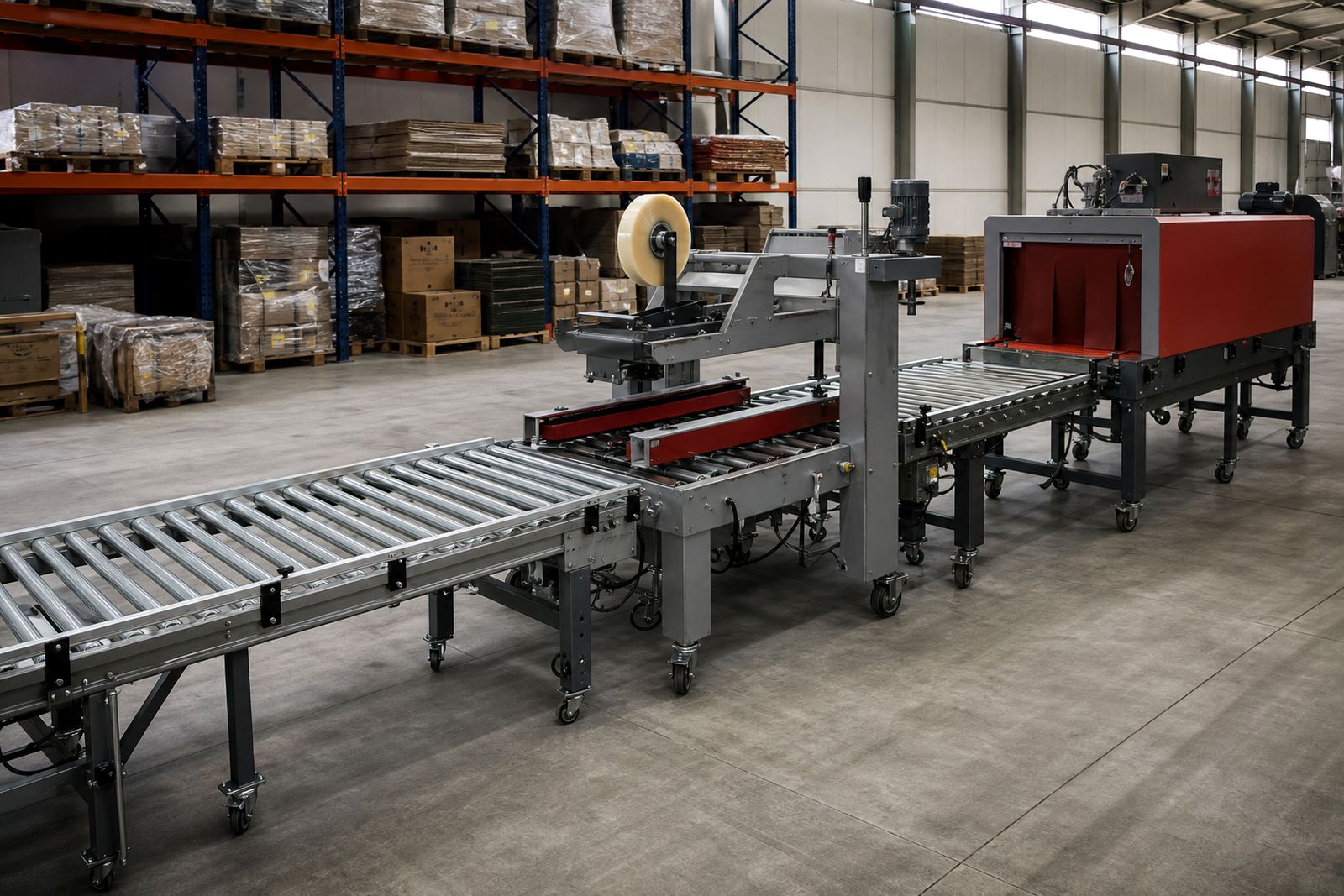
- Packing line support machinery such as conveyors, wrapping support units and light-duty handling equipment.
- Loose warehouse fittings, loading aids and tagged spares that could be sold as single lots or grouped.
We also noted power and access issues that often affect warehouse sales in Gauteng. Load-shedding can interrupt demonstrations, and some equipment may need a clear note on whether it was tested under power or assessed visually only. That kind of detail keeps the catalogue honest and avoids confusion later.
Auction Planning And Lotting Approach
The sale was planned over a two week period, starting with the site review and ending with catalogue release and viewing preparation. We split the assets into sensible lots so buyers could compete on parts of the range without having to take everything at once. This is often the best approach for mixed warehouse assets because it broadens the buyer pool.
Lotting was done around use, size and likely transport requirements. Forklifts were kept separate, racking items were grouped by compatible size and packing support machinery was matched where it made practical sense. We also suggested reserve guidance where the seller wanted extra control, while still keeping the auction process straightforward.
- Week 1: site inspection, asset review, condition notes and seller briefing.
- Week 2: photography, catalogue build, lotting, viewing day planning and auction support.
For a Jet Park warehouse, timing matters. Trucks need turning space, staff still need access to the floor and buyers need to move safely through the site. We planned routes, access points and viewing flow around those realities, so the operation could continue with minimal disruption.
Cataloguing, Photography And Viewing Day Prep
Once the lotting was agreed, we moved into catalogue and media preparation. Each item needed a clear description, accurate measurements where available and images that showed the important details buyers ask about: forks, tyres, mast condition, racking dimensions, conveyor length, controls and serial plates where visible. If a plate was unreadable or missing, that was stated plainly.
We prepared viewing day notes for the seller's team and made sure the yard and warehouse floor were ready for visitors. In practice that means safe walkways, clear labels, accessible equipment and enough space for people to inspect assets without blocking daily warehouse movement. It also means keeping the story simple. Buyers should understand what they are bidding on within a few minutes, not after a long explanation.
Photo listing prep also helps with remote buyers from Johannesburg, Pretoria, Durban, Cape Town and Gqeberha who may not attend in person. In those cases, the catalogue and images carry a lot of weight, so accuracy is non-negotiable.
How The Sale Was Managed
Machine Africa has been operating since 2008, and projects like this one rely on steady site coordination rather than showy promises. Siyabonga Mthembu oversaw the project with support from the core team, including Naledi Khumalo on auction management, Pieter van der Merwe on valuation, Ayesha Ismail on client liaison, Thabo Molefe on operations, Johan Botha on site logistics and Lerato Nkosi on catalogue and media work.
The sale process was handled in the normal way used for industrial machinery auctions. Assets were reviewed, grouped, described and presented to the market, then buyers could assess the lots during the viewing period. Seller representation and closure support were included so the handover process remained orderly once the sale moved to final administration.
Because the client was working from a live warehouse in Jet Park, we kept communication practical. The base in Kempton Park made it easier to respond quickly, carry out inspections and coordinate movement of machinery on site without wasting time on unnecessary travel. That local presence is useful when a seller needs people who understand warehouse pressure, not just the paper side of the sale.
What Buyers And The Seller Needed To Know
Warehouse equipment sales often raise the same questions, so we addressed them early. Buyers wanted to know whether forklifts were running, whether racking could be dismantled easily and whether packing support machinery would require specialist removal. The seller wanted confidence that the process would be fair, clean and properly documented.
- Condition notes were included for each lot, with visible wear clearly recorded.
- Any testing limitations were stated, especially where power supply or time on site was restricted.
- Removal access was reviewed so buyers could plan collection without damaging the site.
- Reserve guidance was used where the seller wanted a lower-risk approach on specific assets.
We also kept municipal and site compliance in mind. In warehouse areas, safe loading, clear access and responsible clearing matter, especially when more than one contractor is moving through the property. A sale can stall if access is not thought through, so we plan for that from the start.
What We Would Repeat On The Next Warehouse Sale
For a similar project, we would use the same formula again: start with a proper on-site valuation, separate the assets into workable lots, and keep the catalogue detailed but easy to read. That balance helps both sellers and buyers. Sellers get a cleaner sale process, while buyers get enough information to bid with confidence.
We would also keep the viewing day structure tight. In warehouse sales, too much congestion can make it hard for people to inspect equipment properly. A clear route, marked lots and good communication around loading times makes a real difference. It also reduces disputes later because expectations are set early.
For businesses in Kempton Park, Germiston, Midrand and the wider Gauteng industrial belt, the lesson is simple: warehouse assets sell better when they are described accurately, grouped sensibly and presented with practical transport and access information. That is the approach we used here, and it is the one we would use again.
Key facts
| Project location | Jet Park, Kempton Park, Gauteng |
|---|---|
| Asset mix | Forklifts, racking accessories and packing line support machinery |
| Project timeline | 2 weeks from site review to catalogue and viewing prep |
| Service scope | On-site valuations, auction planning, lotting, inspections and closure support |
| Buyer reach | South Africa-wide, including Johannesburg, Pretoria, Durban, Cape Town and Gqeberha |
| Project lead | Siyabonga Mthembu with the Machine Africa team |
| Base | Kempton Park base |