Packing house brief in Paarl
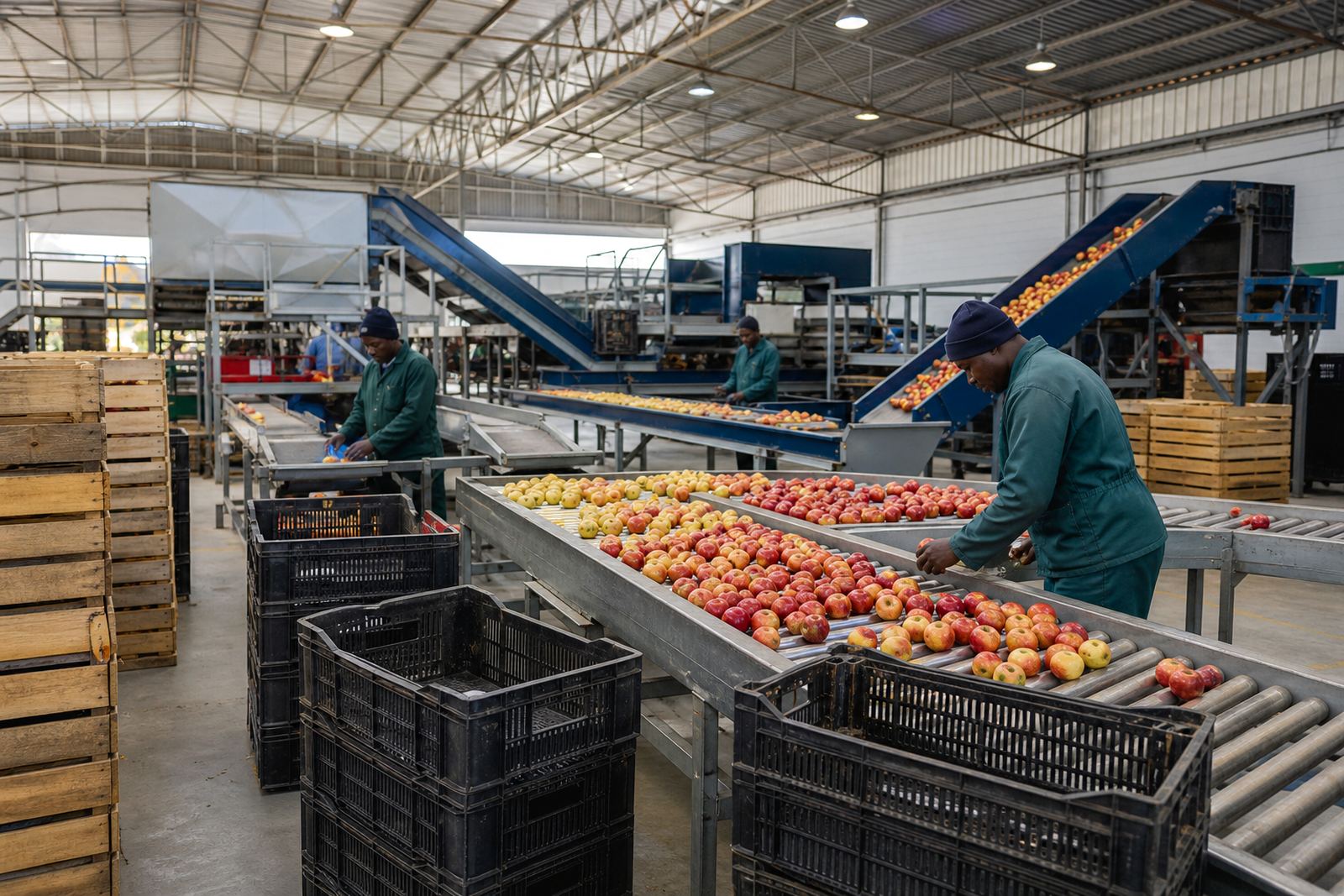
The instruction came from a produce packing operation in Paarl that was streamlining its site and needed an orderly way to dispose of used machinery. The line included washing, sorting, weighing and packing equipment, along with conveyors, stainless work tables, pallet handling gear and associated electrical panels. The main objective was to present the assets in a way that made sense to buyers who understand packing operations, while keeping the process practical for sellers and straightforward to manage on site.
The brief was not only about getting an opinion of value. It was also about explaining what could be sold together, what should be split into separate lots, and what details mattered to buyers trying to plan transport and recommissioning. In a packing house disposal, the difference between a single machine and a working line can be important, so we treated the plant as a group of related assets rather than a pile of loose items.
What we had to work around
The site had the usual constraints that come with agricultural processing equipment. Access was tight in places, some machines were still connected to services, and not every item could be checked from all sides without careful movement. There were also mixed storage conditions to consider, including areas exposed to dust, afternoon heat and a bit of moisture from wash-down activity. On a site like this, corrosion on mild steel frames, worn belts and age-related wear on motors often need to be noted plainly.
We also had to account for the fact that buyers in this sector ask very practical questions. They want to know if a line can be lifted in sections, whether the conveyor frames are straight, if stainless surfaces are still serviceable, and what kind of electrician or rigger would be needed at removal. That means the notes have to be specific, not vague. A valuation opinion should reflect condition and saleability, but it is still an opinion of value and not a guarantee of any sale price.
Because load-shedding and power interruptions can affect packhouse scheduling, we kept the inspection plan flexible and worked around site operations. That matters when a client wants minimal disruption and when any live testing needs to be handled safely and in an orderly sequence.
How we grouped the equipment for buyers
We prepared the disposal around equipment groupings that would be useful to buyers looking for a functioning or partially functioning line. Rather than listing every item in isolation, we separated the assets into sensible categories. That helps buyers compare what they are getting, estimate dismantling needs and understand whether the lot suits a small packhouse, a farm shed setup or a larger commercial operation.
The grouping also helped with catalogue clarity. Similar items were brought together where that made commercial sense, while standalone assets with their own value were kept separate. For example, handling equipment, stainless processing surfaces and utility items do not always attract the same kind of buyer so they need different treatment in the catalogue. This approach keeps the auction practical and avoids clutter.
- Washing and pre-sort equipment
- Conveyors and transfer sections
- Weighing, packing and bench areas
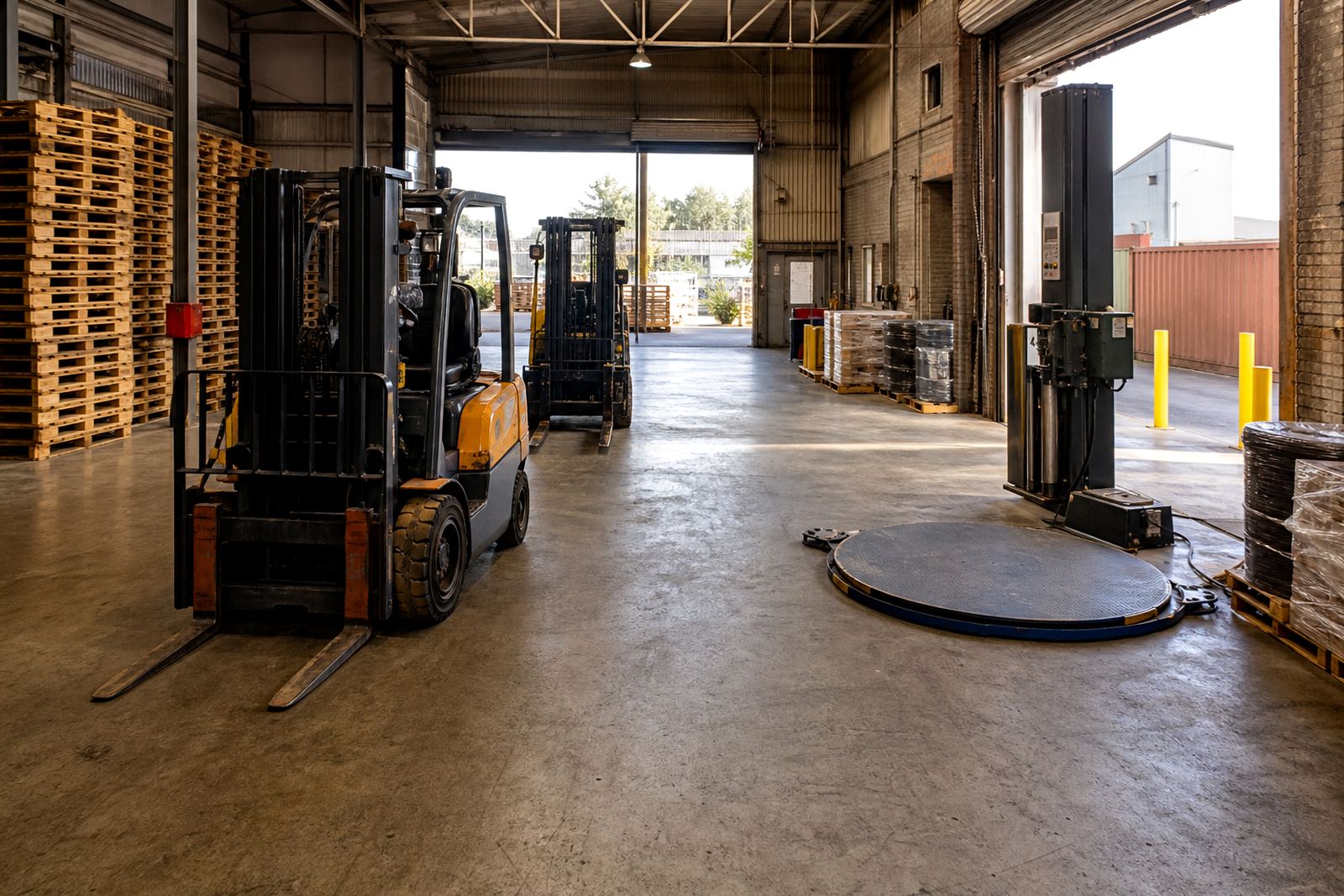
- Pallet movement and loading support items
- Electrical controls and site support equipment
Valuation and auction planning work
Our Senior Valuer completed the inspection notes and formed an opinion of value based on condition, completeness, market interest and likely removal effort. For used industrial machinery, value can shift quickly depending on whether a machine is complete, whether it has a known service history and whether parts are still available in the market. We do not treat a valuation as a promise of sale price. It is a reasoned opinion based on what can be seen and verified at the time.
From there the Auction Manager set out a disposal path that could be followed without confusion. That included advising on how to represent the line, what to flag for buyers and where to set expectations on dismantling and collection. Practical reserve guidance was considered only as a seller instruction point, not as a guarantee of performance. Reserve decisions are always the seller’s call and need to be handled carefully in relation to market response.
The Catalogue and Media Coordinator then prepared photo listing notes so that each lot had clear visual support. Pictures matter when a buyer cannot attend in person, especially for businesses in Johannesburg, Pretoria, Durban, Cape Town or Gqeberha that may be buying from a distance. Good photos reduce calls asking the same basic questions and save time for everyone involved.
Removal notes, access and closure support
Once the lot structure was agreed, we added practical notes for removal and closure. That included access points, likely handling requirements, and the type of support a buyer would need when collecting from a working or recently operating packhouse. In places where equipment was bolted down or tied into services, the notes made clear that dismantling would need proper tools and qualified labour. That is important because a buyer can easily underestimate the time needed for a clean lift-out.
We also made sure the seller-side instructions were easy to follow. Closure support means more than saying the site is finished. It means knowing what still needs to be tagged, what should be left in place for handover, and how to keep the process organised until the last item has left the property. On this project, that practical follow-through was as useful as the valuation itself.
- Clearer removal planning for buyers
- Less confusion about what was included in each lot
- Better control over site handover steps
- Useful notes for packers, riggers and transporters
Timeline and outcome
The project ran over three weeks from first site contact to final auction preparation. Week one covered the site visit, inspection and initial grouping. Week two was used for valuation notes, buyer-facing descriptions and the lotting structure. Week three covered final catalogue checks, viewing-day preparation and seller sign-off on the disposal approach. That pace suited the site because it allowed time to verify details without dragging out the process.
The result was a cleaner, more legible disposal package for a buyer audience that knows packhouse machinery and wants facts. Instead of a loose list of assets, the seller had a structured plan with practical notes on condition and removal. That made it easier to answer enquiries and reduced the risk of mixed messages. The disposal was ready for market in a form that supported a proper auction process, not just a quick clear-out.
If we were asked to do it again, we would use the same approach: start with inspection, group the plant around how buyers actually purchase it, and keep the notes blunt and useful. For this kind of line, the best outcome comes from plain information and honest presentation, not fancy wording.
Why this approach works for packhouse disposals
Produce packing sites are not the same as general workshops or fabrication yards. They often combine stainless process gear, light mechanical equipment, utilities and handling assets in one place. Buyers need to see how those parts fit together so they can judge whether the line suits their own operation. That is why the disposal strategy has to respect the way the machinery is actually used.
For sellers in Paarl and across the Western Cape, that kind of structure saves time and keeps the process fair. For buyers in Gauteng, KwaZulu-Natal and the Eastern Cape, it means they can assess the lot from a distance before deciding to travel. Whether the machine is headed for a farm shed, a municipal market setup or a larger plant, clear lotting and honest notes are what make the market work.
Key facts
| Project | Paarl Packing House |
|---|---|
| Town | Paarl, Western Cape |
| Project duration | 3 weeks |
| Asset type | Produce packing line and support equipment |
| Service mix | On-Site Valuations, Auction Planning, Lotting and Cataloguing, Photo Listing Prep |
| Coverage | Sellers and buyers across South Africa |