
Toolroom stock in Pretoria West and why the brief mattered
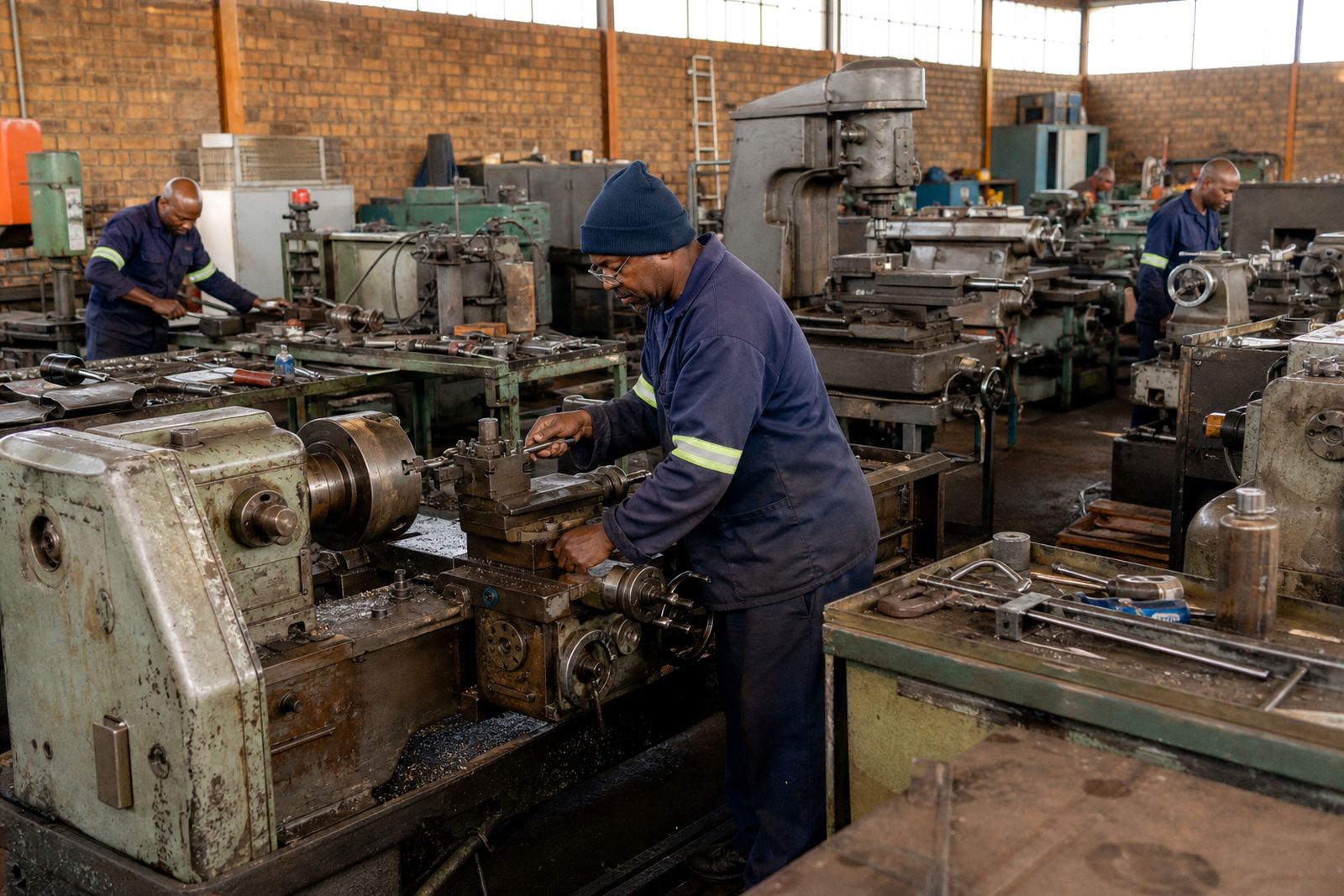
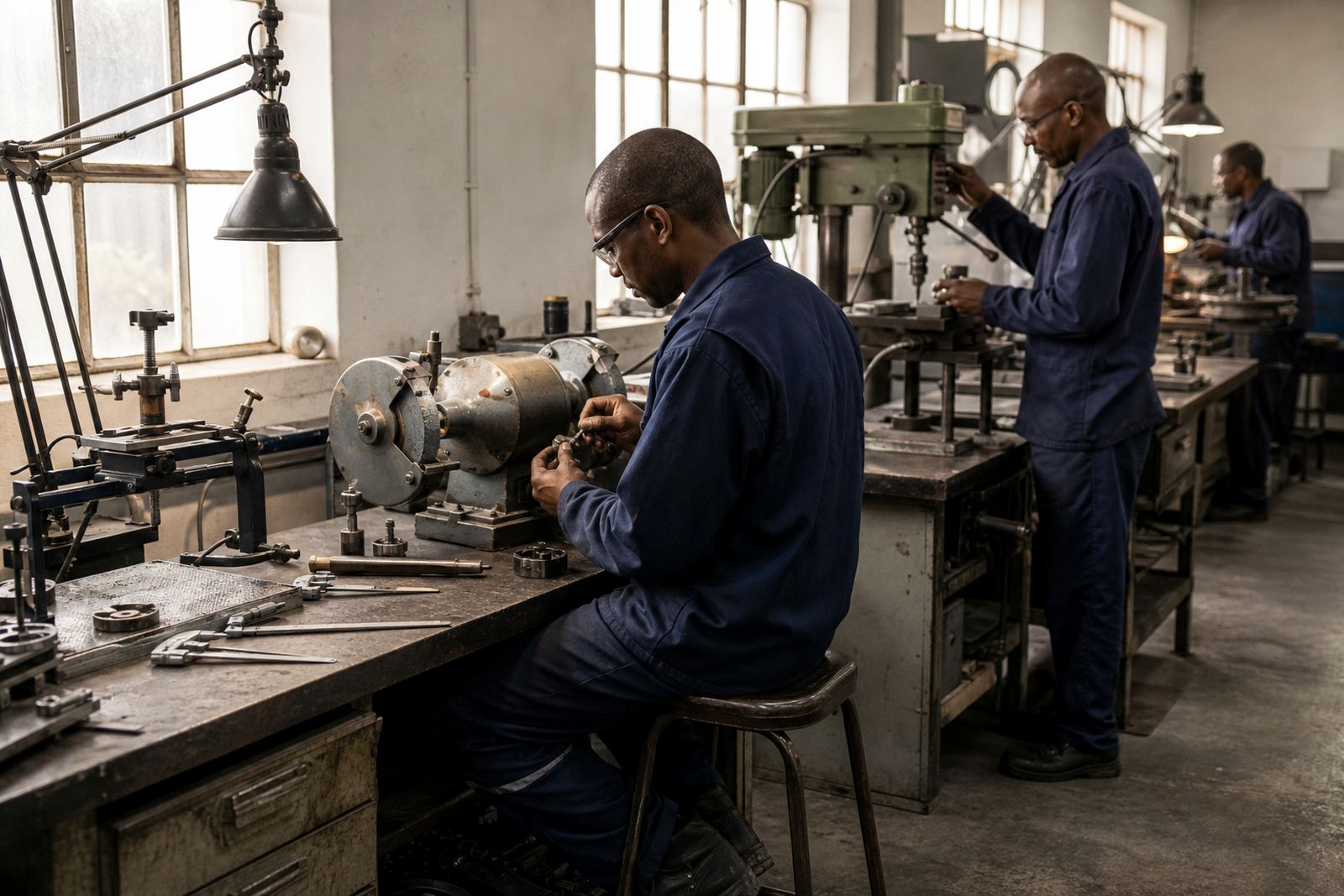
This project came from an industrial seller in Pretoria West clearing a working toolroom after a change in production needs. The lot included bench grinders, pedestal drills, surface inspection gear, hand tools, vice setups and small support items that had been used across maintenance and light engineering work. The site was active, so the job had to be done without slowing down other operations or leaving loose items lying around.
The brief was straightforward but detailed. We had to identify usable machinery, separate inspection items from general workshop stock, note the condition of each machine and prepare the sale in a way that buyers could understand quickly. For used industrial machinery, a valuation is an opinion of value based on condition, age, utility and market demand, not a guarantee of sale price. That point was important here because some items were clean and ready for use, while others showed normal wear from years of service.
The site was in Pretoria West, with some access limits for loading and viewing. Power interruptions were also part of the planning, so we worked around light availability and made sure the photo and listing notes were completed when equipment could be tested safely. In a toolroom setting, even small details matter, like spindle play, table movement, guard condition and whether a drill chuck holds properly.
What we checked before the auction schedule was finalised
We started with an on-site inspection and a working inventory of the room. The focus was on the items that usually attract the most buyer interest in a toolroom sale: grinders, pillar drills, micrometers, verniers, measuring stands, vices and cabinet stored accessories. Each lot was checked for visible condition, missing parts, obvious damage and signs of regular maintenance. Where possible, we recorded motor size plates, bed sizes, throat depths and table dimensions so buyers would have factual information before viewing.
- Bench grinders were recorded by wheel diameter, motor condition and stand type
- Pedestal drills were checked for spindle movement, chuck size and belt cover condition
- Inspection items were separated into individual or grouped lots depending on use and condition
- Small tooling was arranged into sensible batches to reduce buyer confusion
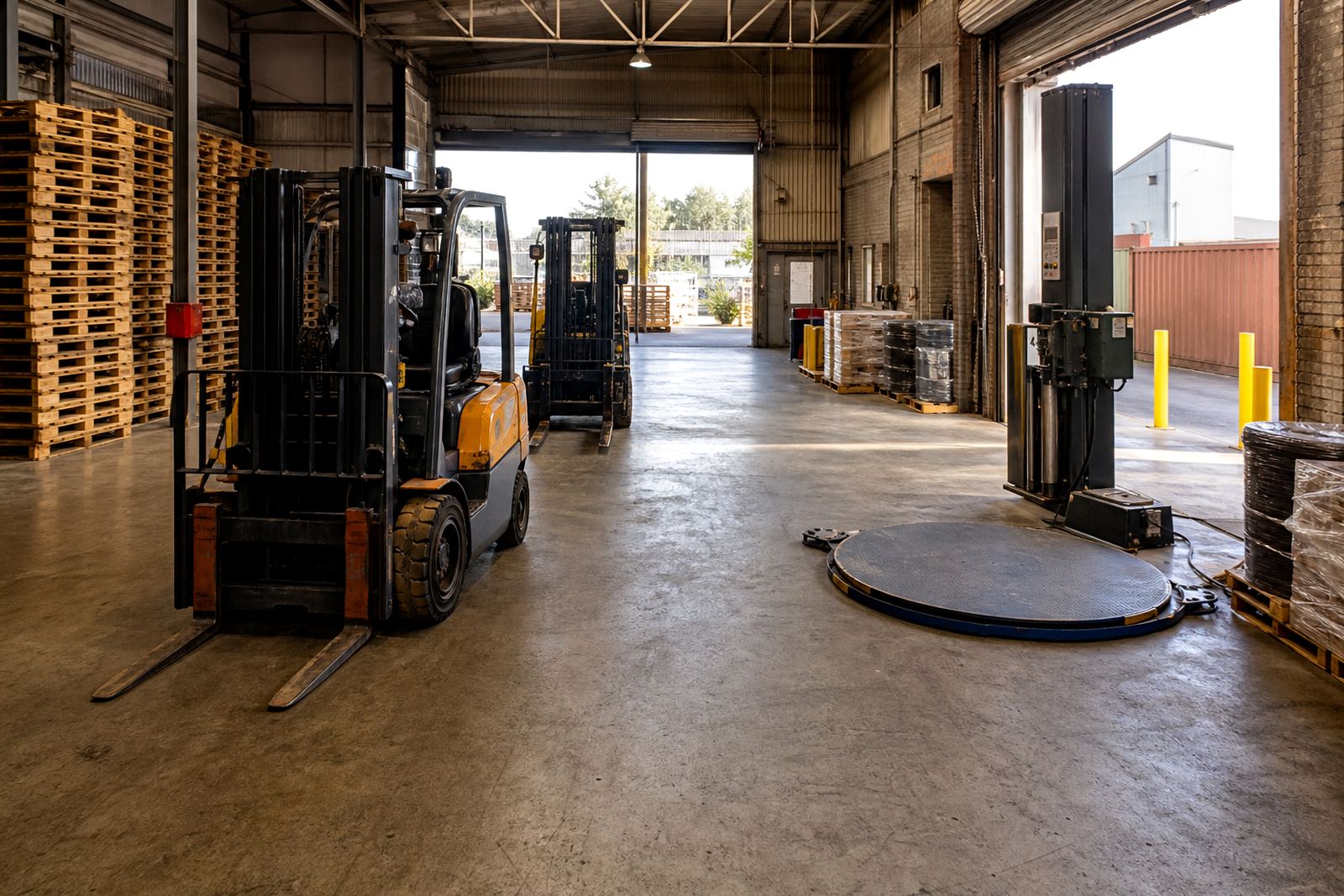
The team also looked at access, lifting points and the sequence needed for collection. Some machines were light enough for hand loading, while others needed trolleys, pallet support or two-person handling. That planning matters because the final sale process should not create damage on the way out. In Gauteng especially, buyers expect collection to be organised properly, and sellers need the yard cleared with as little disruption as possible.
How we prepared the lots and catalogue records
Once the inventory was confirmed, we moved into lotting and catalogue prep. The aim was to keep the auction order practical and easy to follow. Toolroom buyers often arrive looking for specific items rather than broad plant packages, so the catalogue needed clean descriptions and straightforward images. We grouped duplicates where that made sense, but kept higher value or more specific pieces separate so there was no confusion about what each lot included.
Photo listing prep was a big part of the work. We took clear images from several angles, showing name plates, bed surfaces, switches, guards and accessories where available. For inspection equipment, we photographed the scale markings and condition of the cases or storage trays. The listing notes highlighted the useful facts only, without overstatement. That helps bidders assess value from the information in front of them and supports a transparent auction process.
We also prepared reserve guidance for the seller, based on normal second-hand market behaviour in South Africa. Reserve guidance is not a promise of outcome. It is a sensible starting point for deciding whether a lot should be placed with a reserve, left open, or grouped with related stock. For this project, the goal was to balance fair market exposure with the seller’s need to avoid underplacing usable equipment.
Timeline from first visit to auction-ready lots
The full assignment ran over three weeks. Week one covered the site visit, inspection and inventory. Week two was used for lotting, photography and draft catalogue notes. Week three focused on final checks, seller sign-off and viewing day preparation. That timeline worked well because the toolroom was active and needed orderly handling rather than a rushed clean-out.
- Week 1: On-site valuation review and condition recording
- Week 2: Lotting, measurements, photographs and catalogue draft
- Week 3: Final review, viewing prep and auction release notes
Because the site was in Pretoria West, collection planning also had to take traffic and access times into account. We coordinated the sequence so smaller lots could be moved first, with heavier or more awkward items left for the proper collection window. That reduced delays and kept the seller in control of the floor space throughout the process.
What the seller needed and what buyers saw
The seller needed a clear process that would not create disputes later. That meant a traceable list of lots, visible condition notes and a fair explanation of what had been checked and what had not. Buyers needed enough detail to judge whether a machine suited a workshop, maintenance bay or small engineering job. We kept the records practical and avoided loose wording that can lead to misunderstandings later.
For toolroom stock, buyers usually want a few key facts before they travel: power supply, footprint, working condition, accessories and whether the item is complete. On this project we captured the important details, including approximate sizes where useful, such as bench footprint, drill table height and cabinet dimensions. We did not make assumptions about performance beyond what could be checked on site. That is the right way to handle used machinery in any auction process, especially when some items have had mixed use over many years.
- Clear lot descriptions for each grinder, drill and inspection item
- Condition notes that separated usable, incomplete and worn items
- Collection coordination to help keep the site tidy and safe
Results from the Pretoria West toolroom sale
The main result was a sale-ready toolroom with properly described lots, a cleaner paper trail and fewer questions for the seller to answer during the auction cycle. Buyers had a better view of what they were looking at, which helped keep the process practical and reduced back-and-forth at enquiry stage. The seller also had a clearer sense of which items held value as working workshop equipment and which were better treated as supporting stock.
From a valuation point of view, the most important outcome was accuracy. A used surface plate, a drill press or a bench grinder can look similar from a distance, but condition, completeness and usefulness make a real difference to market interest. In Pretoria and across Gauteng, buyers are cautious with toolroom stock, especially when power cuts, maintenance history and older equipment age can affect confidence. Good records help close that gap.
We would handle a similar project the same way again: start with a full on-site review, separate the lots cleanly, photograph the important features and keep the seller informed at each step. For a working toolroom, that method gives the best balance between speed and control. It also supports fair buyer interest without overselling the equipment.
Why this kind of sale needs a measured approach
Toolroom sales are often underestimated. They may not involve large plant or heavy production lines, but they still require careful handling because of the number of small items, mixed condition and close buyer scrutiny. A grinder with a sound motor but worn wheel guards is a very different lot from a drill press with missing parts, and the catalogue needs to show that difference clearly.
This project suited our normal way of working: practical inspections, honest notes and tidy presentation. It also showed why local knowledge matters. Pretoria West buyers know what a workable toolroom should look like, and sellers need valuations that reflect real market conditions rather than wishful thinking. That is where our team, based in Kempton Park and working across Pretoria, Johannesburg, Durban, Cape Town and Gqeberha, adds value for industrial clients.
Key facts
| Project location | Pretoria West, Gauteng |
|---|---|
| Client type | Local industrial seller clearing a working toolroom |
| Main items | Bench grinders, pedestal drills, inspection equipment and support tooling |
| Timeline | 3 weeks from site review to auction-ready lots |
| Service focus | On-site valuation, lotting, cataloguing and auction preparation |
| Key note | Valuations are opinions of value, not guarantees of sale price |