
Coldstore asset sale in Durban South
The instruction came from a cold storage operator in Durban South that was reducing older support plant while keeping the core cooling operation running. The site had a mixed group of used industrial assets, including handling units, transfer pumps, refrigeration auxiliaries and service items that had to be assessed in place before any move could be planned. Coastal humidity had already affected some surfaces and fittings, so condition inspection was not just a formality, it was central to the process.
Our role was to give an opinion of value for the equipment and then set out a sale route that matched the site constraints. A valuation is an informed assessment of market value based on age, condition, completeness and likely buyer demand. It is not a guarantee of sale price, and we made that clear from the start. The seller needed practical guidance, not loose estimates, and the buying side needed enough detail to understand what they were viewing before travelling to site.
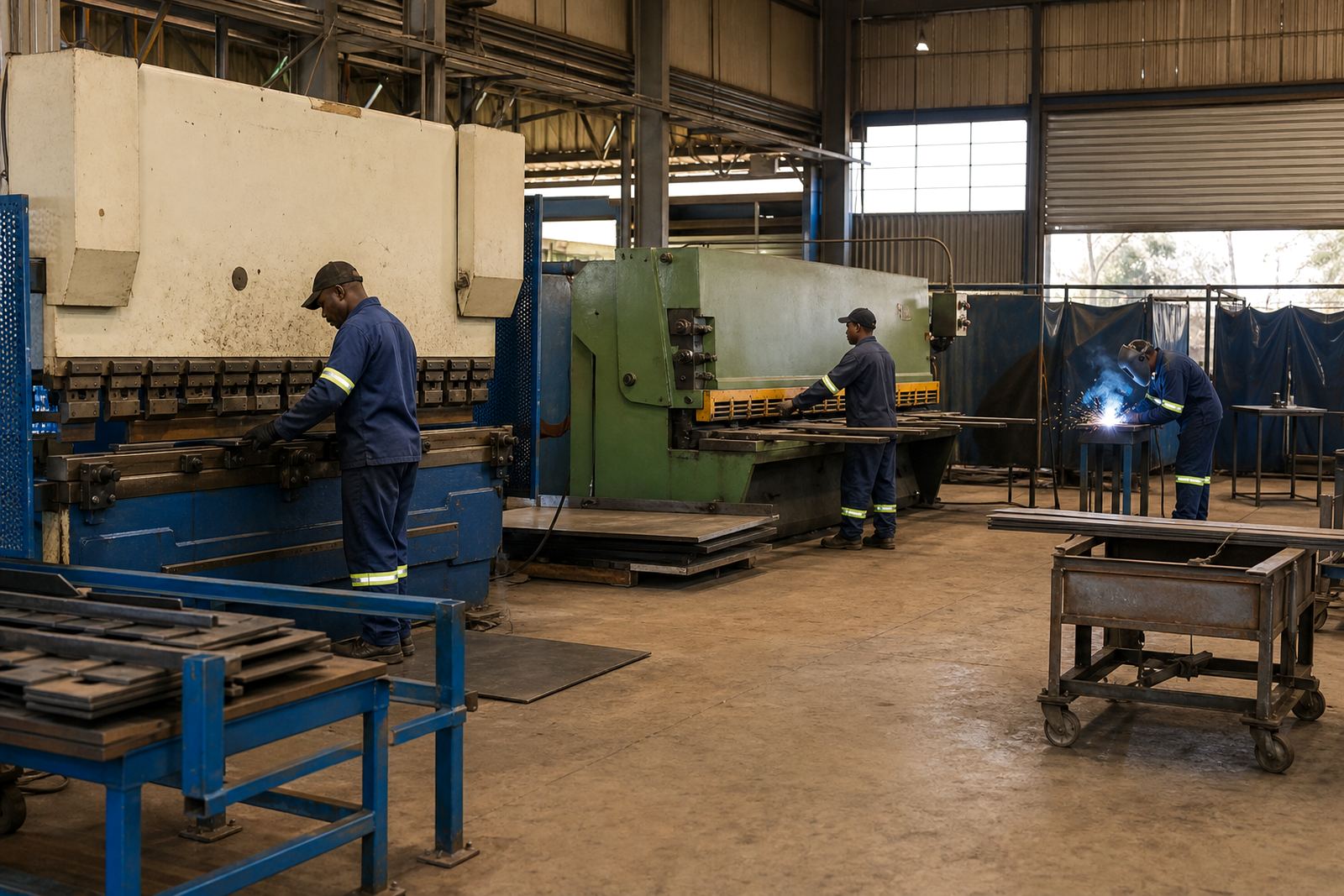
The project sat within a working industrial environment where access windows were limited and the floor space around the coldstore was busy. That meant careful planning for photographs, asset tags, descriptions and any collection after sale. The site also had the usual Durban factors to work around, including humidity, salt air and the need to keep operations steady during load movement.
Brief, constraints and site conditions
The brief was straightforward on paper: identify the saleable machinery, group it into clear lots, prepare a viewing process and support disposal through auction. In practice, the challenge was to separate items that were still useful from items that were only suitable for spare parts or scrap value. Some units were mounted in tight plant areas, with pipework and cable runs that limited inspection from every angle. We also had to work around shift times so the client could keep the coldstore running without unnecessary disruption.
The main constraints were access, time and incomplete documentation. Serial plates were not always easy to read, some equipment had been modified over time and a few support items were installed in a way that made removal planning important from the outset. We also had to consider whether certain pieces would be sold as complete units or as parts, since that changes how buyers assess transport, reinstallation and future serviceability. In Durban, weather can change quickly, so outdoor viewing arrangements had to be kept practical and tight.
- Working site with limited stoppages for inspections and photography
- Mixed condition assets, from serviceable units to older auxiliaries
- Coastal exposure and wear that affected presentation and buyer confidence
- Need for clear lotting so buyers could bid on parts or complete assemblies
What we inspected and catalogued
Our team carried out on-site valuations and an asset inspection pass to confirm what was present, what was complete and what could reasonably be sold as a working unit. We prepared catalogue entries for the sale items, with practical notes on visible condition, mounting style, apparent completeness and any visible wear. Where nameplates were available, we recorded the key details and used those facts to support the lot descriptions.
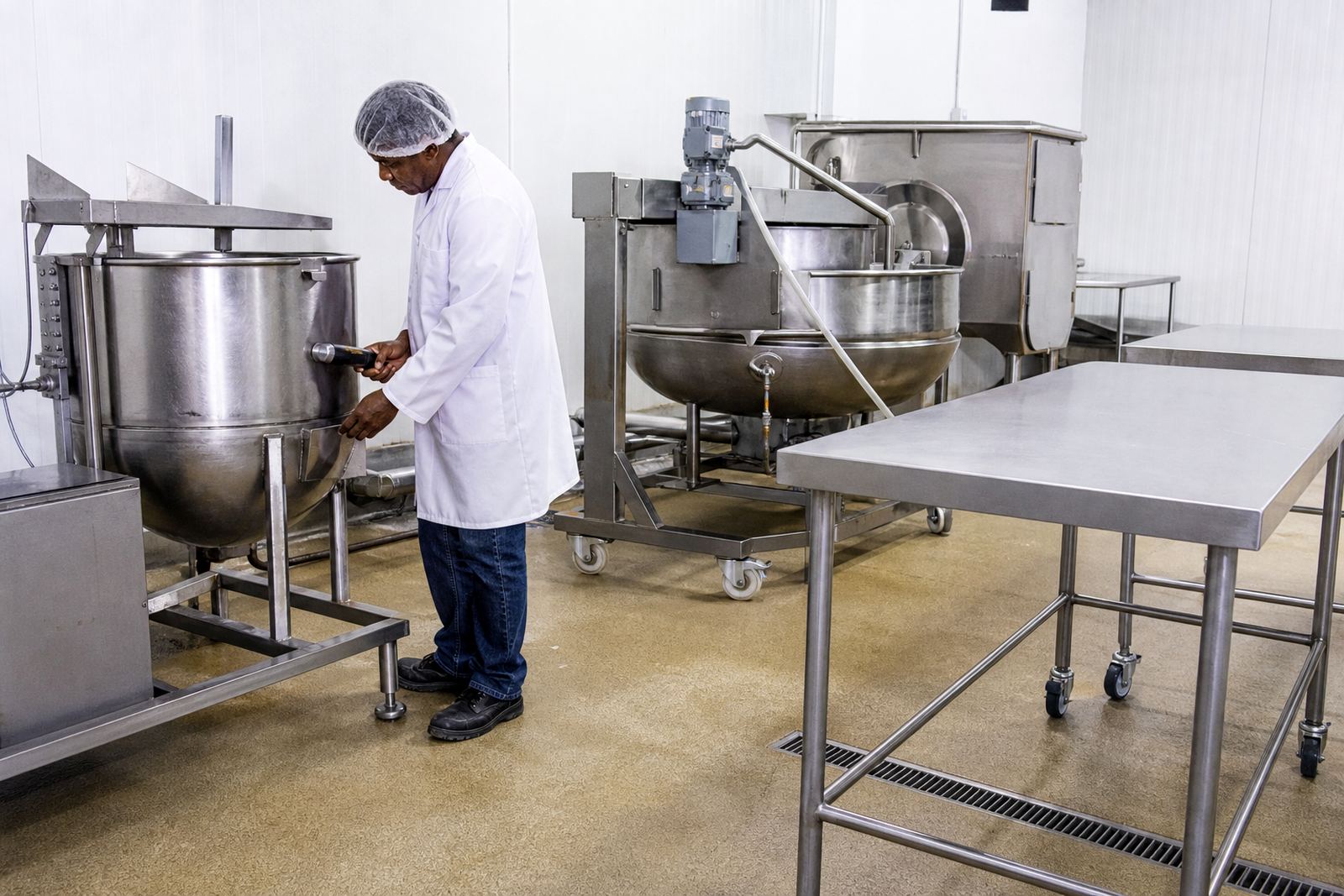
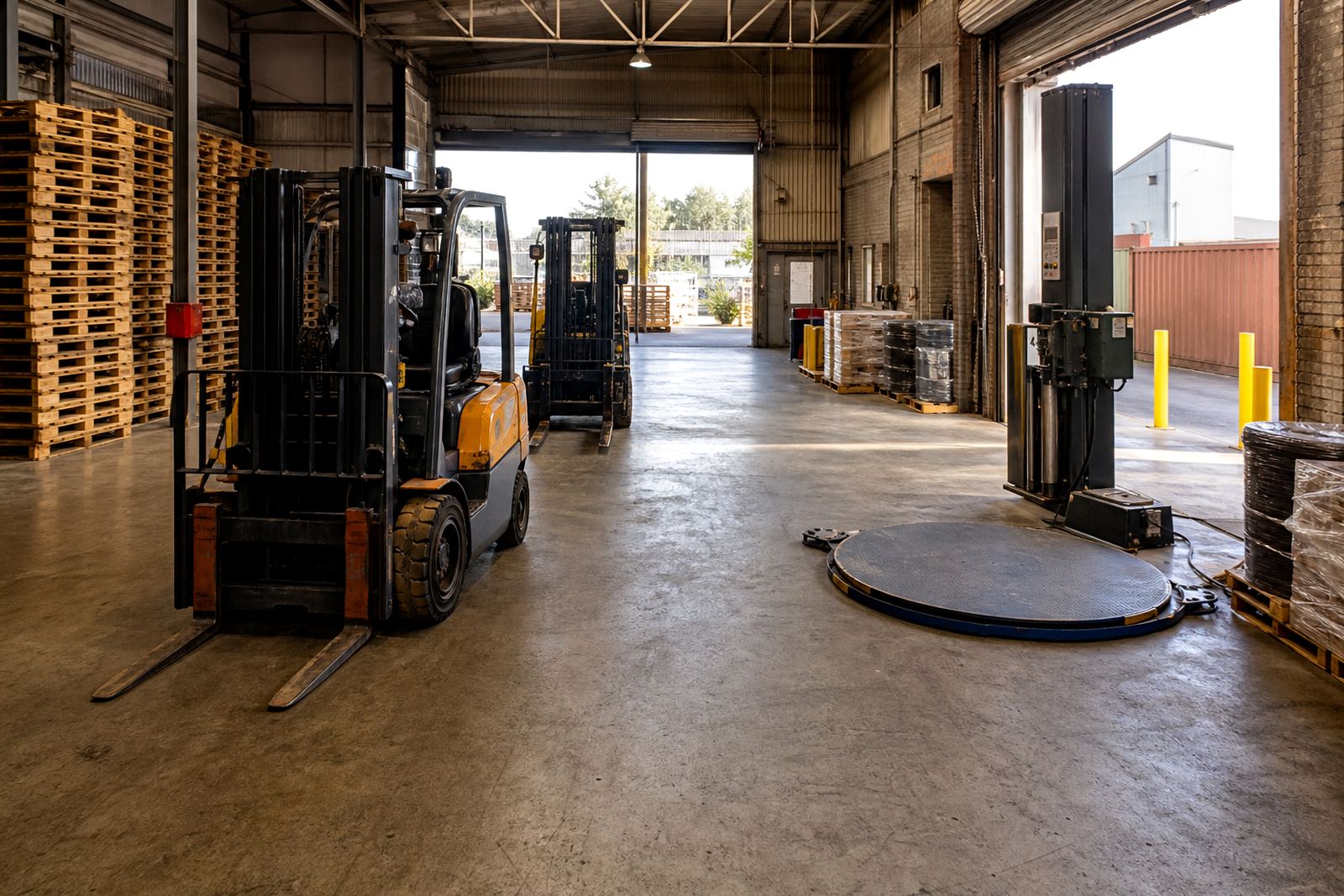
The machinery and support equipment in this project included handling units, pumps and refrigeration auxiliaries such as receivers, controls, pipework sections and service components. For each lot, we looked at the following key facts: whether the item was standalone or integrated, whether major fittings were present, whether the item appeared recently used, and what kind of transport or lifting would likely be needed. That kind of detail helps buyers avoid surprises on collection day and gives sellers a cleaner sale process.
- On-site valuation of the visible asset group
- Photo listing prep for each lot, with clean and accurate angles
- Lotting and cataloguing for complete units and separate auxiliaries
- Reserve guidance based on condition, demand and removal effort
Because this was a cold storage support sale, not every item had the same buyer pool. Some bidders were after working equipment for similar plants, while others wanted spare parts, motors, valves or frames. We built the lot structure to reflect that reality rather than forcing everything into one broad sale group.
Timeline from inspection to auction
The project moved through a short, controlled timeline over five weeks. Week one covered the site inspection, preliminary valuation and discussion with the seller about what had to stay operational and what could be released. Week two was used for lotting, catalogue drafting and photography. Week three focused on reserve guidance, final checks on descriptions and scheduling of viewing day access. Week four covered buyer queries, viewing support and the auction itself. Week five was reserved for closure support and collection coordination.
This kind of schedule works well for industrial assets because it gives enough time for accurate descriptions without dragging the process out. Buyers need time to assess, but sellers also need momentum. In a Durban South coldstore, delays can create more handling pressure on the remaining equipment, so it helped to keep decisions moving. Our operations team coordinated site access and the media listing process while the valuer and auction manager kept the sale structure aligned with the brief.
- Week 1: site visit, inspection and valuation opinion
- Week 2: lotting, catalogue wording and photo prep
- Week 3: reserve guidance and viewing plan
- Week 4: auction process and buyer handling
- Week 5: collection coordination and closure support
Outcome and buyer response
The sale gave the client a practical route to release non-core equipment without turning the plant into a long shutdown job. Buyers had enough detail to make informed bids, and the seller had a clearer view of which items were likely to attract interest as complete units versus repairable stock. That matters in coldstore work, where older auxiliaries can still have value if they are complete and reasonably maintained.
We would do the same project again with the same discipline: inspect on site, catalogue carefully, and make sure collection planning is part of the sale from day one. For a coastal site, we would again allow for corrosion checks, better tagging on smaller fittings and clear lift planning for heavy pumps or awkward frames. The result was not just a sale, but a cleaner handover for the client and a more usable lot structure for buyers across South Africa.
For sellers in Durban, Johannesburg, Pretoria, Cape Town or Gqeberha, the approach is the same: value the machinery properly, explain the sale method clearly and keep the paperwork and access arrangements practical. That is how industrial asset sales stay orderly and credible.
What we would repeat on the next coldstore project
On this sort of project, the best results come from early planning and honest classification of each asset. A pump that is complete and clean may suit a very different buyer from a corroded auxiliary frame, so the sale format should reflect those differences. We would again start with a site walk, confirm what can be moved safely and separate core plant from non-essential support gear. That saves time and reduces confusion later.
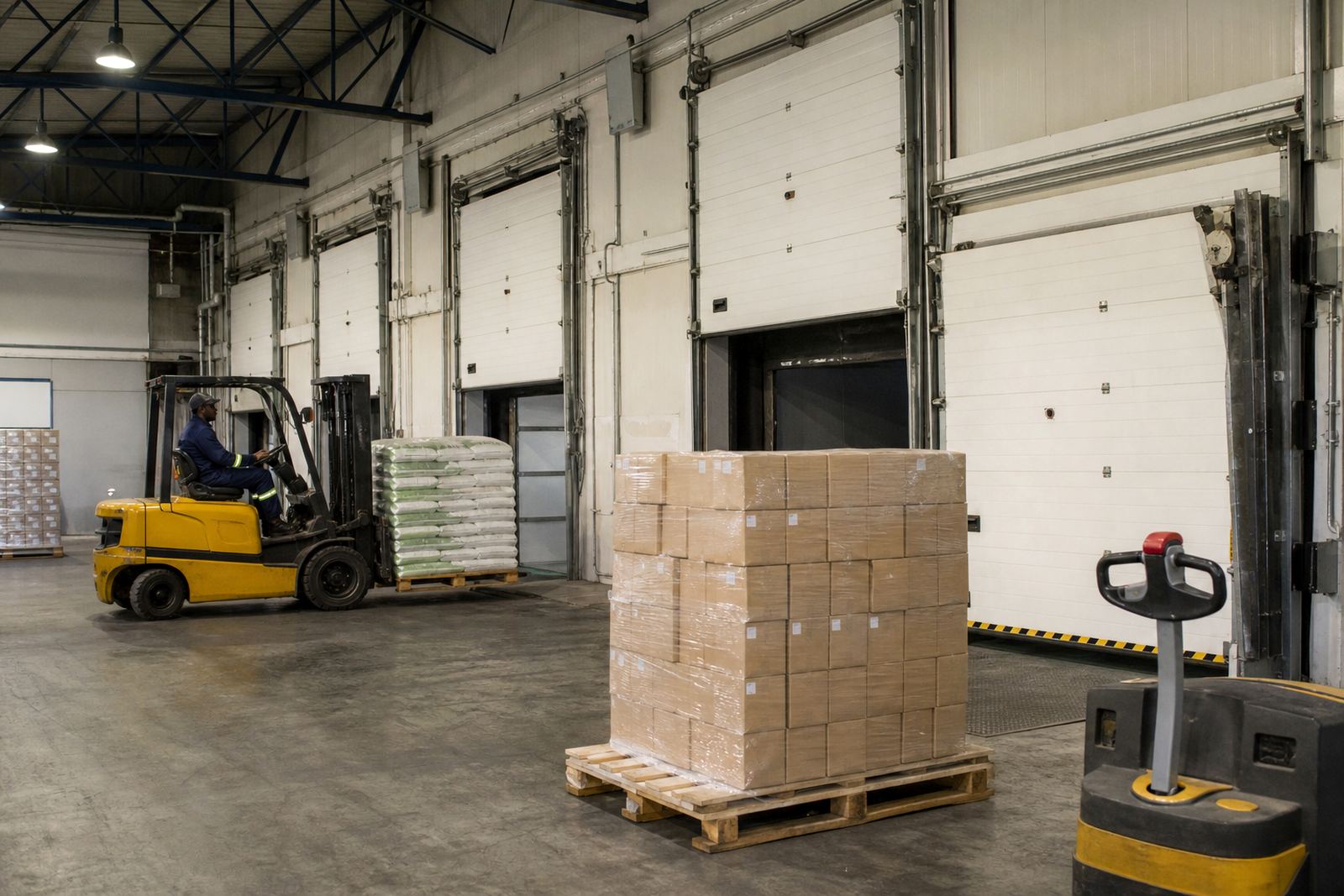
We would also keep a close eye on access for collection, especially where loading bays are shared and weather can change the site surface quickly. Durban humidity can affect motors, bearings and external housings if equipment stands too long before removal, so timing matters. The same is true for coastal sites more broadly. If the sale is managed with clear lotting, accurate descriptions and steady communication, the process stays workable for both sides.
Machine Africa supports used industrial machinery sales with on-site valuations, auction planning, viewing days and closure support across South Africa. This coldstore project is a good example of how a practical, well-ordered sale helps the seller move on with less clutter and gives buyers a fair chance to assess what they are bidding on.
Key facts
| Project location | Durban South, KwaZulu-Natal |
|---|---|
| Asset type | Cold storage support equipment |
| Main items | Handling units, pumps and refrigeration auxiliaries |
| Timeline | 5 weeks from inspection to closure support |
| Service scope | On-site valuation, lotting, cataloguing, viewing days and auction support |
| Site factors | Coastal humidity, limited access windows and live operational constraints |