Uitenhage Parts Plant: the project brief
The brief came from a parts production plant in Uitenhage, now Gqeberha, where management needed to release underused machinery from a production area without slowing the rest of the site. The asset mix included mechanical presses, conveyor lines, a small compressor room, workshop support equipment and general utility plant. The main aim was to establish sensible opinions of value and then structure the lotting so buyers could understand the equipment clearly and bid with confidence.
The client wanted a process that was orderly and commercially realistic. The plant had mixed ages of machinery, some items were in daily use and others had been standing for some time. There were also access issues around narrow aisles, overhead obstructions and a tight loading area, which meant the project had to be planned carefully from the start. Our team based the work around what could be removed, what should be sold in place and what required more detailed inspection before being included in the catalogue.
What made the site difficult to handle
Parts manufacturing sites usually carry a few constraints that affect both valuation and auction planning. In this case, there was limited floor space around the presses, some minor corrosion on exposed steel from coastal humidity, and several machines that had been sitting idle during load shedding periods. That meant we could not rely on a quick visual judgment alone. Each item had to be checked for completeness, signs of wear, electrical condition and the practical cost of dismantling and collection.
- Restricted loading access for larger items and support frames
- Mixed condition across lines, from serviceable to parts-only
- Power interruption history that affected testing and run checks
- Corrosion risk on components exposed to moist air and open storage
- Safety clearances needed around moving equipment and lifting points
The site also had to remain workable for staff still using other machinery. We kept the inspection sequence disciplined so that the project did not interfere with daily production more than necessary, and we coordinated entry points with the site team.
Our valuation and auction plan
We started with an on-site valuation visit and built the project from there. A valuation in this context is an opinion of value based on market knowledge, condition, age, configuration, removability and demand. It is not a guarantee of sale price, and we made that position clear from the outset. From there we mapped the machine groups into logical lots so the catalogue would make sense to both end users and buyers looking for spares or expansion capacity.
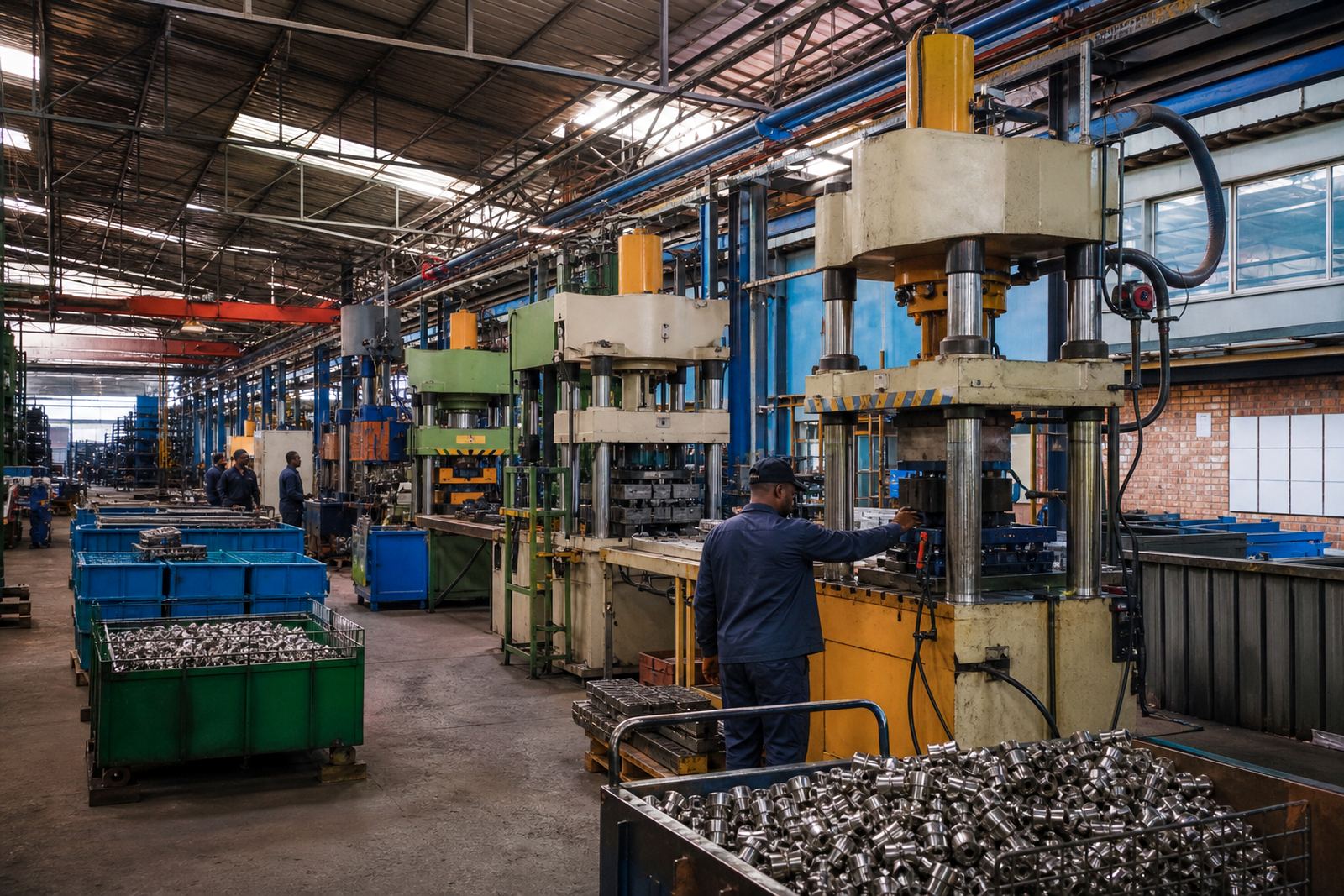
- Mechanical presses grouped by size, stroke and installation footprint
- Conveyors separated by length, drive type and support condition
- Utility plant listed with power rating, service history and removal notes
- Workshop support items bundled where individual resale value was lower
The auction plan included reserve guidance, viewing day planning, photo listing preparation and closure support. We also flagged the items that needed clearer identification plates, measurements or better photographs before release. For a plant of this type, the catalogue matters because buyers need to understand whether they are buying a single machine, a line component or a dismantling project.
Week-by-week delivery on the project
The project ran over four weeks from first inspection to final buyer coordination. Week one covered the site walk-through, condition notes and preliminary lot structure. Week two focused on the asset register, photography and confirming which items could be safely shown in place. Week three dealt with auction planning, viewing arrangements and seller sign-off on the final catalogue layout. Week four was used for bidder queries, sale coordination and collection planning after award.
That schedule suited the client because it gave enough time to sort the detail without dragging the process out. In industrial sales, speed matters but so does clarity. If lots are rushed, buyers lose confidence. If the timeline stretches too long, the seller carries avoidable holding costs and operational disruption. We aimed for the middle ground and kept communication direct throughout.
The machinery we dealt with
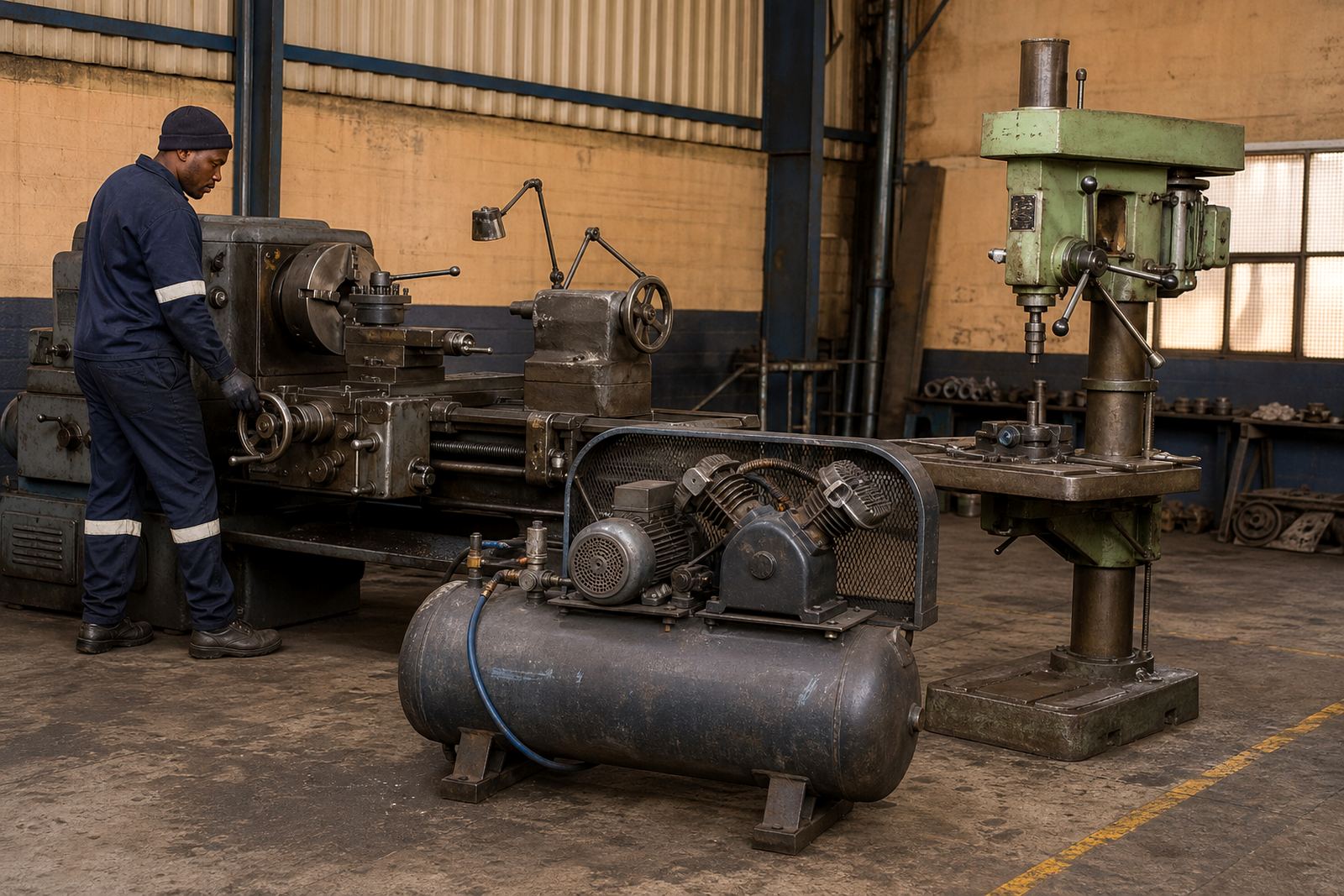
The machine mix was typical of a parts production environment, with equipment that had to be assessed not only for value but also for how easily it could be moved and recommissioned. Some items were straightforward sale candidates while others needed careful description because their worth depended on completeness or spare parts demand.
- Presses with base frames, guards and control panels
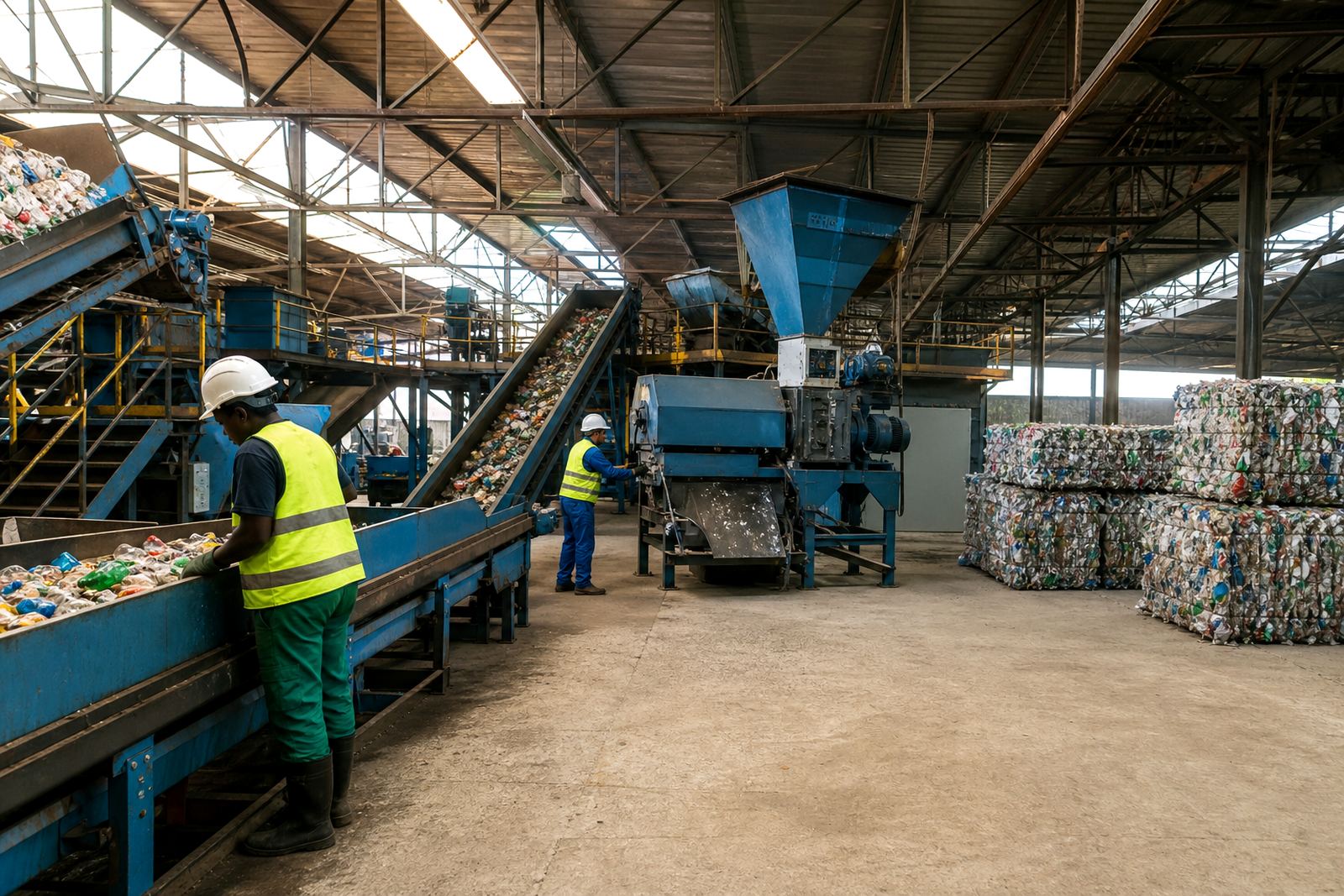
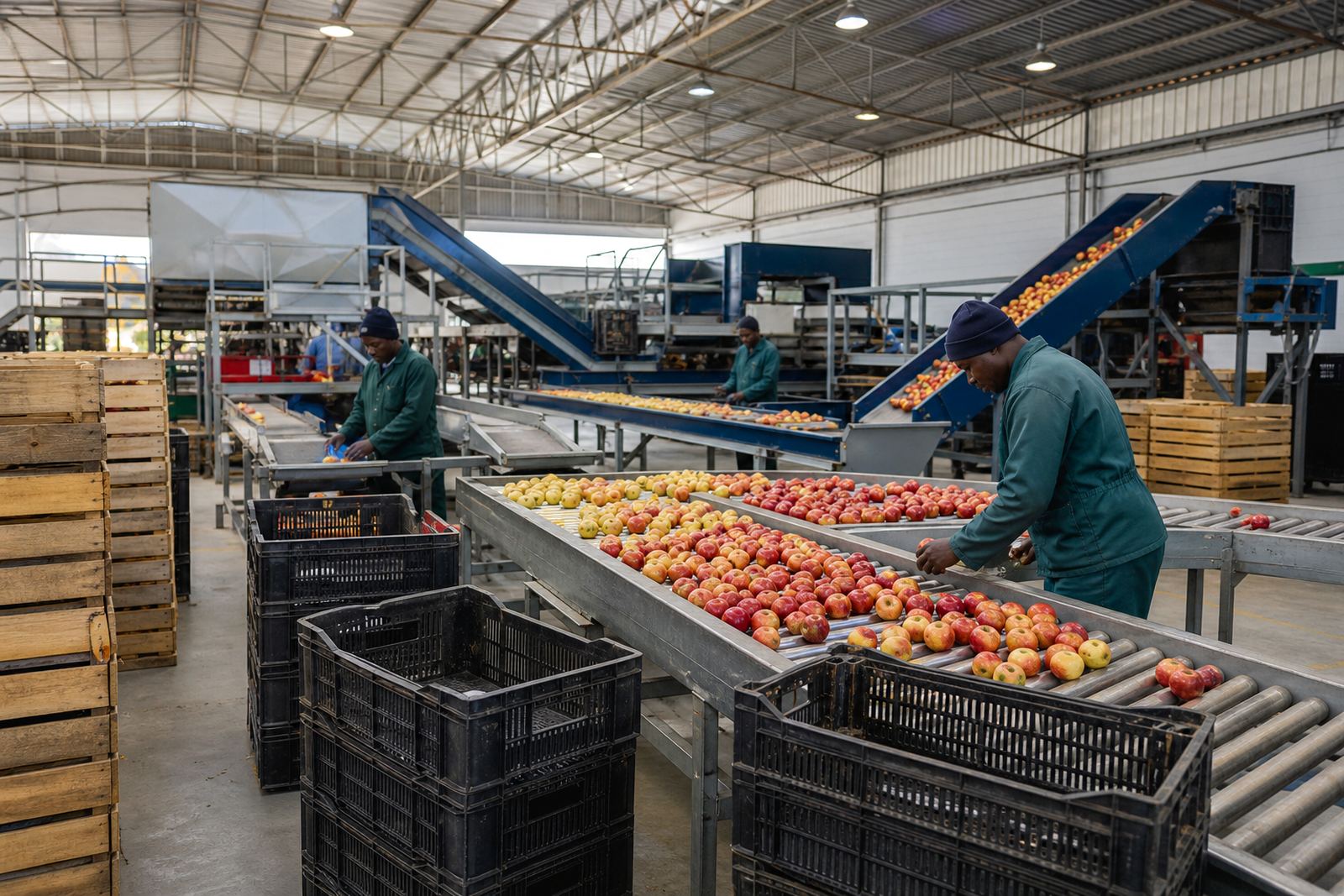
- Roller conveyors and transfer sections
- Air compressors and receiver tanks
- Electrical distribution and utility support equipment
- Workshop handling equipment and small ancillaries
We also checked for practical issues such as anchor bolts, lifting points, cable terminations and whether any machine had been altered during its life on site. Those details matter because a buyer needs to know what it will take to collect, transport and install the equipment at the next location. A machine that looks complete on paper can become expensive if missing key parts.
Results and what changed for the seller
The main result was a cleaner asset picture and a better structured sale process. The seller could see which items had strong standalone appeal, which ones would do better in grouped lots and which pieces should be reserved for scrap or spares disposal. That helped the plant team make decisions without second-guessing every item. It also gave bidders a catalogue that was easier to read, with fewer gaps and less confusion during viewing.
For the buyer side, the process created confidence because the equipment was described with plain facts rather than guesswork. Buyers knew the condition notes, the site constraints and the likely removal effort. That matters in Gauteng, Durban, Cape Town and other industrial centres where transport and installation costs can quickly affect what a machine is actually worth to a business.
What we would do again on a similar plant
We would use the same approach again on a parts production plant with presses and utility equipment. Start with a thorough on-site valuation, confirm the removal realities early, then build the catalogue around how buyers actually purchase industrial machinery. That means grouping where it helps, separating where it matters and keeping the descriptions honest and practical.
For a future project of this type, we would again prioritise early access to nameplates, measurements and service records. We would also allow time for clearer photo listing prep on any machine with missing guards, faded labels or tight installation spaces. A few extra days upfront can save a lot of confusion later, and in our experience that improves both seller confidence and bidder interest.
Key facts
| Project location | Uitenhage, now Gqeberha |
|---|---|
| Project type | Parts production machinery valuation and auction project |
| Asset mix | Presses, conveyors, compressors and utility plant |
| Timeline | 4 weeks from inspection to post-sale coordination |
| Service focus | On-site valuations, lotting, cataloguing and sale support |
| Base office | Kempton Park, Gauteng |