When a Metalworking Shop Needs a Valuation
A metalworking shop usually reaches out when machines are being upgraded, a site is closing, or a family business needs to sell assets in an orderly way. In our work, the first question is not what a machine cost new, but what condition it is in now, how complete it is, and how usable it will be for the next owner. A valuation is an opinion of value based on market knowledge and inspection, not a guarantee of sale price.
For shops in Johannesburg, Germiston, Midrand and Pretoria, the biggest pressure points are often tight floor space, mixed age equipment, and machines that have been moved around several times. Coastal buyers from Durban, Cape Town and Gqeberha may also ask about rust, electrical condition and whether a machine has been stored under cover. That matters, because humidity, dust and poor shutdown practices can change value more than people expect.
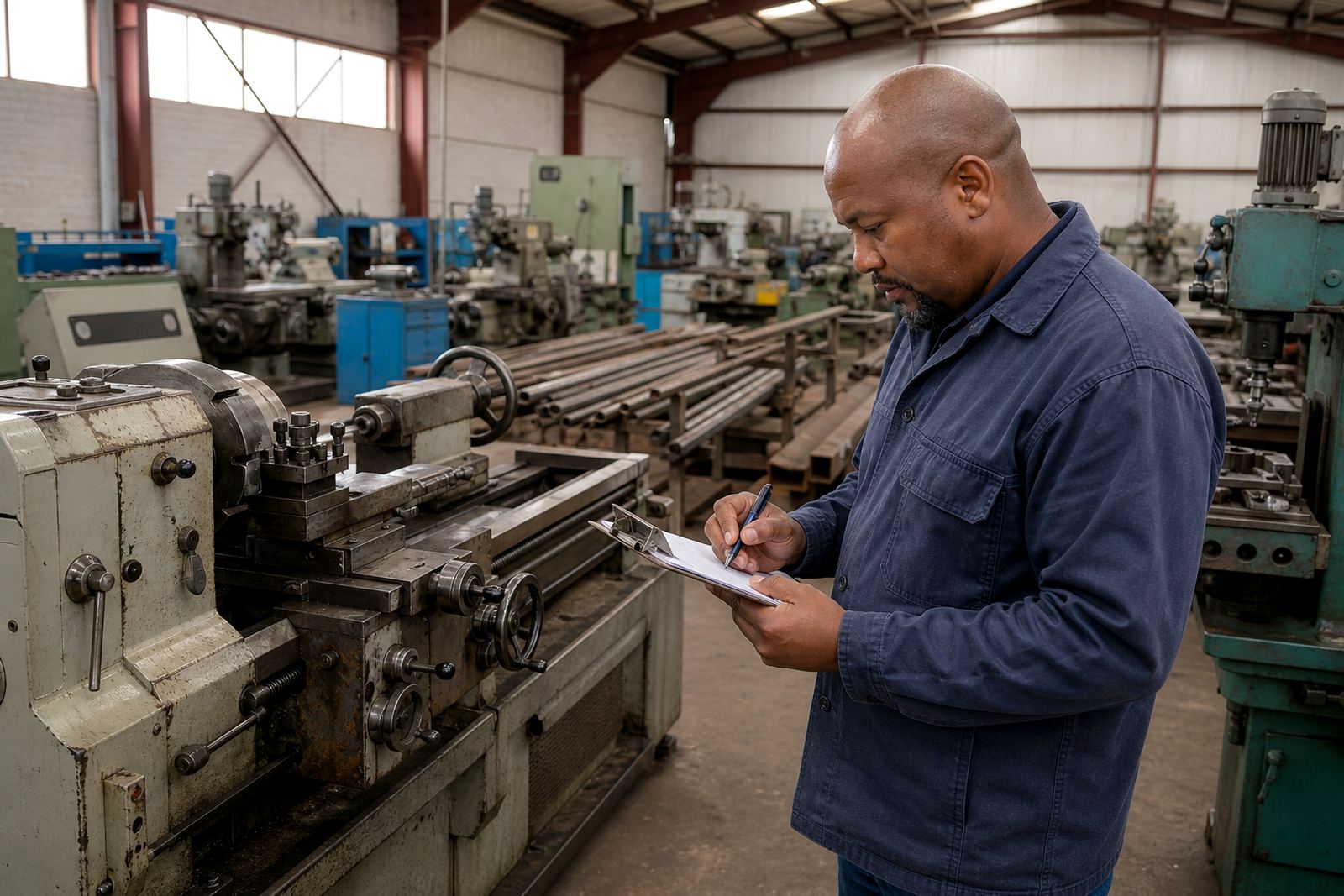
Typical items in a metalworking valuation include conventional lathes, milling machines, drill presses, band saws, surface grinders, press brakes, guillotines, welders, compressors, tool cabinets and measuring gear. We also look at items people forget to list, such as chucks, vises, coolant pumps, spare arbors, cabinets, spares and lifting gear. Missing parts can reduce interest, while a complete set often brings better bidding.
What We Commonly See in Shops and Plant Rooms
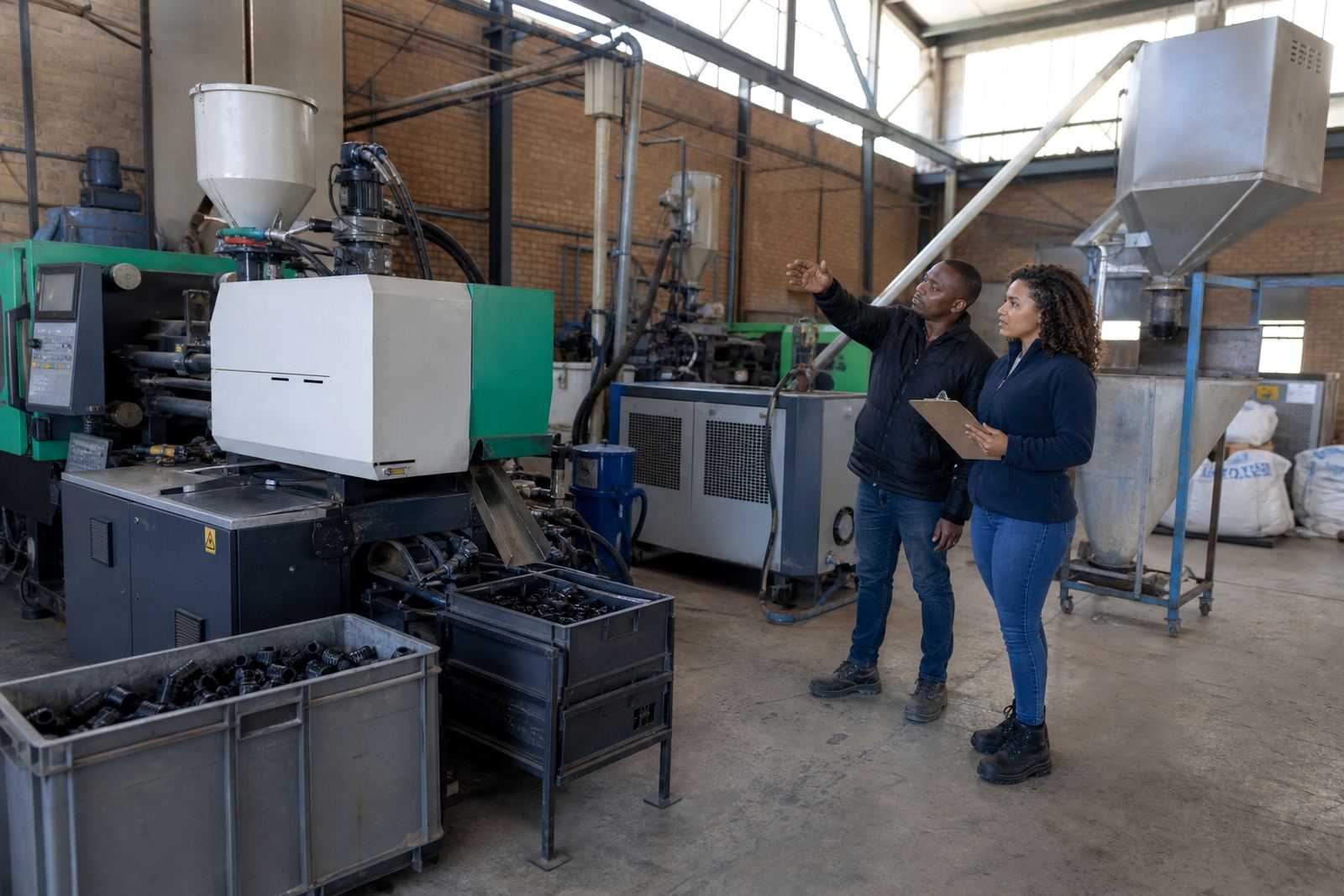
Every shop has its own mix, but the set-up is usually built around a few main production machines and a lot of support equipment around them. That support gear can be easy to overlook during a sale prep visit. It is common for a site to have machines running on 3 phase power, with cable runs, isolators and compressed air lines that need checking before the viewing day.
- Manual and CNC lathes, with tooling, tailstocks and chucks
- Milling machines, boring heads and vice sets
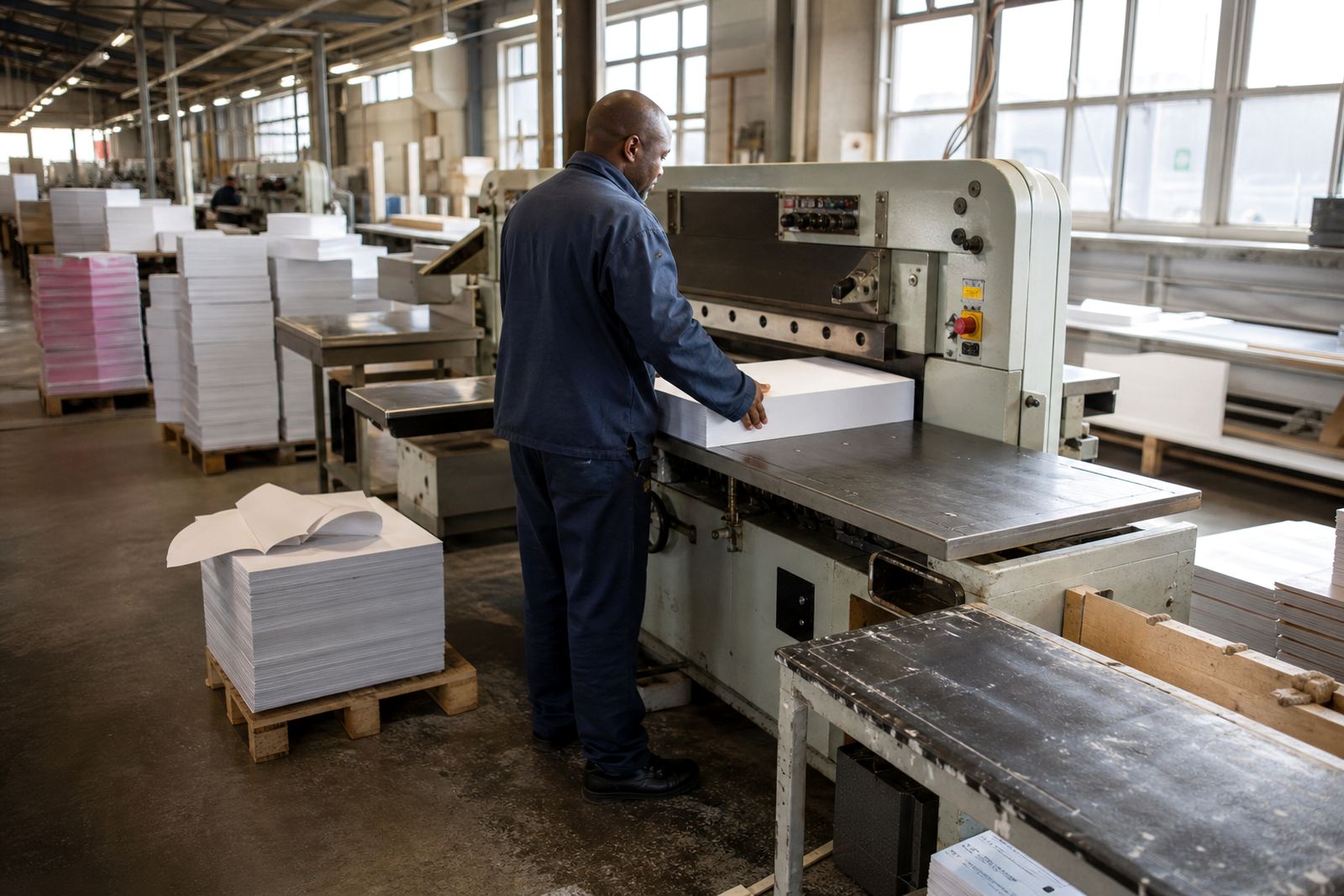
- Guillotines, folders and press brakes for sheet work
- Surface grinders, pedestal grinders and polishing units
- Welders, plasma cutters, compressors and extraction units
- Measuring equipment, jigs, tool holders and storage racks
We also see site layout issues that affect both valuation and auction planning. Machines packed too close together can hide serial plates, make photos poor and slow down inspection. Long rows of equipment in narrow bays may need a different lotting strategy so buyers can inspect the lot without standing in a queue for half the morning.
How We Plan the Auction Layout
Good lotting starts with practical grouping. Similar machines are easier to understand when they are grouped by function, size and condition. We do not force one style of sale onto every site. A small repair workshop in Kempton Park may work best with fewer lots and clear descriptions, while a larger machining plant may need a longer catalogue with asset-by-asset photos.
We usually advise sellers to separate production-critical machines from support items, then mark anything that is sold as a package. If the site is still operating, this helps keep the live workflow intact during viewings. It also reduces confusion on removal day, especially where forklifts, pallet jacks and crane access are tight. In some buildings, municipal access rules and landlord conditions matter too, so we check those early rather than leaving it for the last minute.
Planning also includes clear viewing routes. Buyers want to see machine beds, control panels, guards, motors, wiring and wear on slides or ways. If a bay is badly lit, we may recommend extra lighting or a different viewing time. In Gauteng load-shedding conditions, working lights and a battery backup for the office area can make a real difference to the viewing day.
Useful planning steps:
- Tag each machine before photographs are taken
- Keep tool packs with the correct machine
- Separate scrap, parts and full assets
- Mark any items not included in the sale
- Clear walkways for safe viewing and removal
Common Mistakes That Reduce Value
The most common mistake is waiting until the last week to sort the site. When machines are moved in a hurry, cables go missing, guards get bent and small parts disappear. Another problem is guessing values from old purchase invoices. Those figures usually tell you what was paid years ago, not what the market will support now.
We also see mixed expectations around condition. A machine that powers up is not automatically a strong auction lot if it has excessive play, poor alignment or a weak motor. On the other hand, a clean older machine with basic tooling and service records can still attract steady interest. Buyers in the used machinery market are practical and they compare condition closely.
Other mistakes include incomplete photos, missing serial numbers, and not stating whether a machine is single phase or 3 phase. Inaccurate descriptions can delay bidding and create problems after sale. It is far better to say a machine has known faults than to oversell it. That protects both sides and keeps the process transparent.
When a shop has been inactive for some time, dust, rust and stale coolant can become obvious during inspection. That does not always kill value, but it does affect the market response. A quick clean, basic testing and proper listing notes often make a bigger difference than people expect, honestly.
Budget Ranges for Valuation and Auction Preparation
Clients often ask what they should budget before a sale. The answer depends on the size of the site, the number of assets and how much preparation is needed. We do not quote fixed outcomes because valuations are opinions of value and auctions depend on buyer interest on the day. But a rough working budget helps a seller plan the process and avoid surprises.
For a small metalworking shop with a handful of key machines, the effort may be modest, especially if the equipment is already organised. For a larger plant with mixed machinery, loose tooling and site-specific access issues, the planning work increases. Budgeting should cover inspection time, catalogue prep, viewings, removal coordination and closure support where needed.
- Small workshop with limited assets: often from about R5 000 to R15 000 in prep effort, depending on scope
- Mid-sized shop with several production lines: often from about R15 000 to R40 000
- Larger industrial site with multiple bays and removal constraints: often from about R40 000 and up
Those are broad planning ranges only. The final approach depends on machine count, site conditions, documentation, and whether the seller needs full representation from first inspection through to clearance. The main point is that a well planned sale usually reduces confusion and wasted time, which helps the process move cleaner.
Why Buyers Keep Looking at These Lots
Buyers in the metalworking sector are often looking for one of three things: a replacement machine for an active workshop, a spare unit for parts, or a lower-cost machine to get production moving quickly. Auction lots can suit all three. The key is honest cataloguing, clear viewing access and enough detail for a buyer to judge whether a machine fits their workload.
In South Africa, used machinery often moves between Gauteng, the coastal cities and secondary industrial towns. A buyer in Cape Town may be shopping for a lathe from a Gauteng site, while a fabricator in Durban may want a press brake closer to home. That wider reach makes accurate descriptions and good photographs important because the buyer may not be able to inspect in person immediately.
Machine Africa supports sellers and buyers with on-site valuations, auction planning, lotting and cataloguing, asset inspections, reserve guidance, viewing days, seller representation, collection coordination, clearance sales, closure support, plant appraisals and photo listing prep. Our Kempton Park base lets us work across Johannesburg, Pretoria, Durban, Cape Town, Gqeberha, Germiston and Midrand with practical site knowledge and proper follow-through.