Recycling Yard Valuations That Match Real Site Conditions
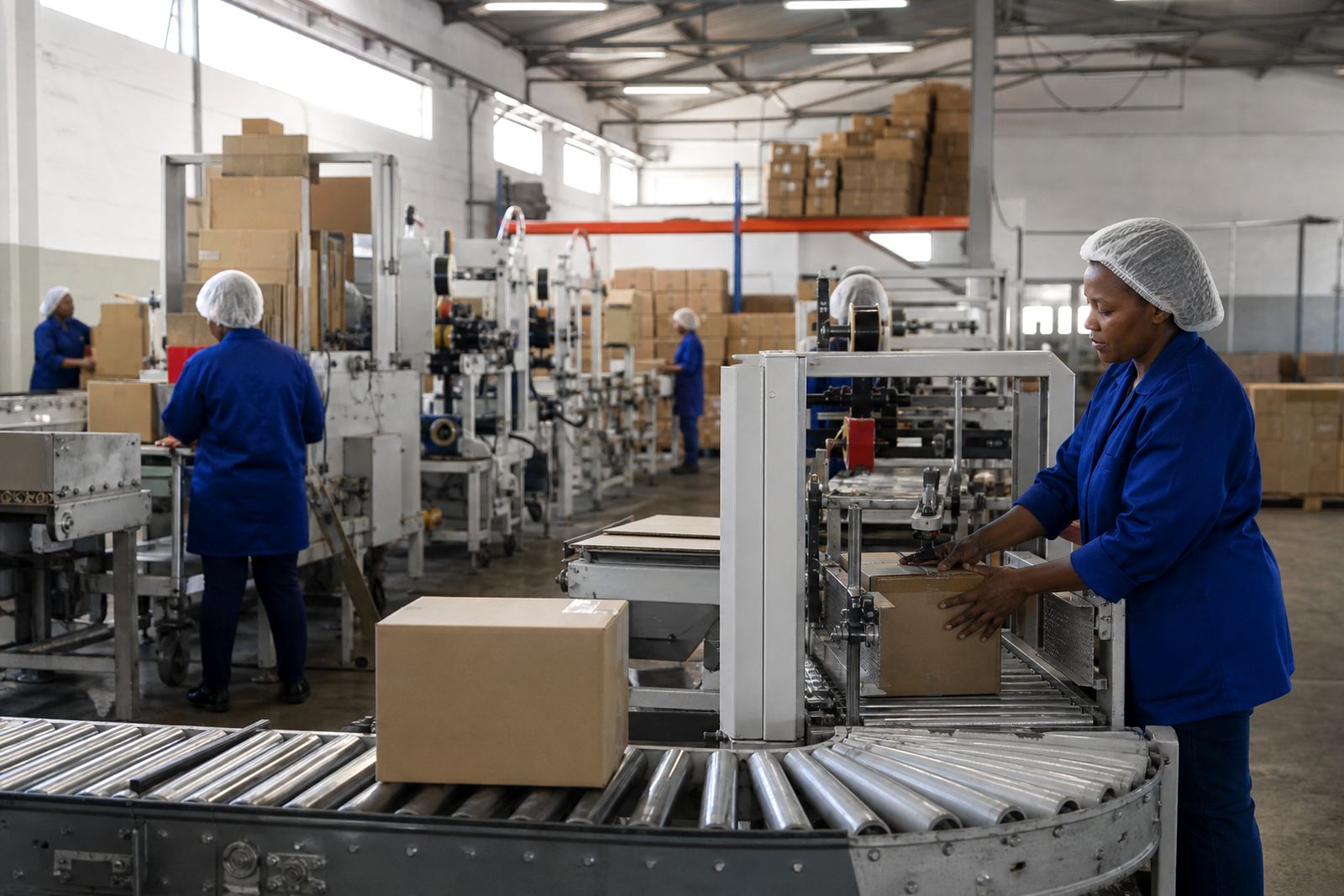
Recycling plants are hard-working sites. Conveyors run in dust, balers sit near wash bays, forklifts move scrap and bale loads, and weather takes a toll on panels, motors and steelwork. A proper valuation has to look at the equipment in its actual condition, not just the make or model on a plate. Machine Africa carries out on-site valuations for recycling and materials handling facilities in Kempton Park, Johannesburg, Pretoria, Durban, Cape Town and Gqeberha, with site visits arranged through the enquiry form on our contact page.
A valuation is an opinion of value based on what is present, what is working, and what can reasonably be sold in the current market. It is not a guarantee of sale price. For yards with mixed condition assets, that distinction matters. A baler that is complete but poorly maintained can still have value, while a shredder with missing components may be worth more as parts than as a running unit. We look at that carefully, and we note it clearly for sellers and buyers alike.
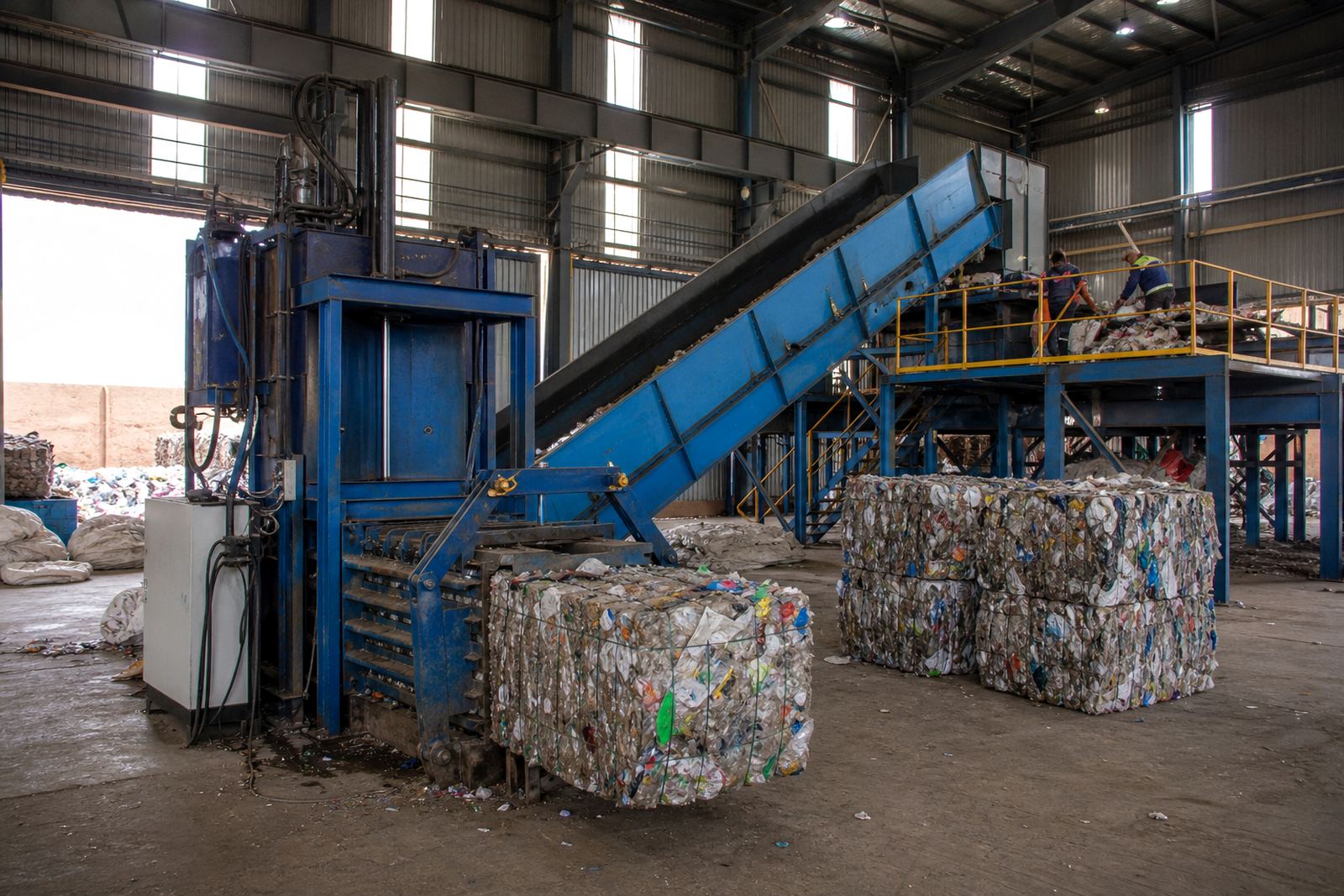
- Shredders, balers and compactors
- Conveyors, sorting lines and transfer chutes
- Forklifts, skid steers and loading plant
- Magnets, screens and separation units
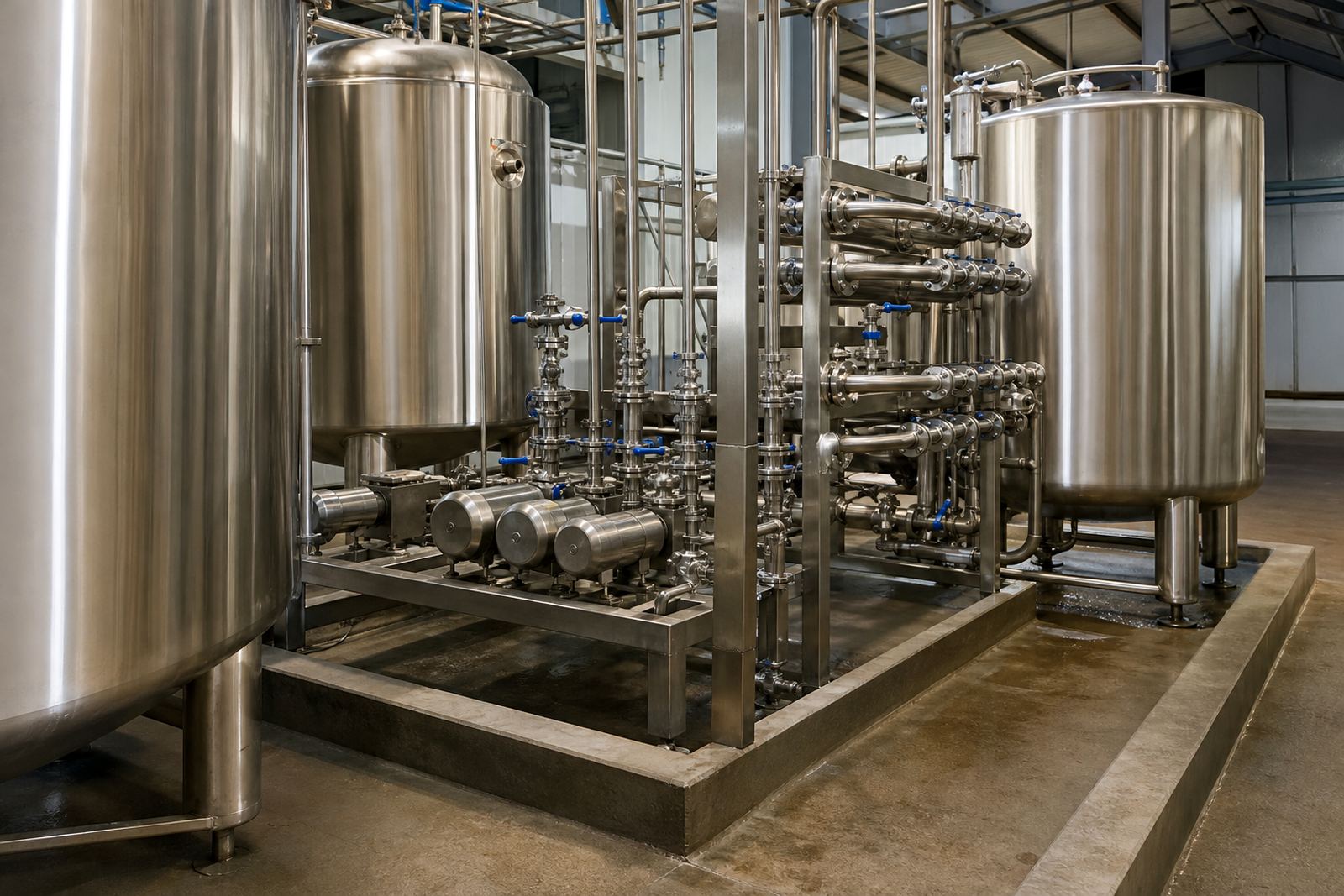
- Wash systems, pumps and tanks
Typical Equipment Found In South African Recycling Facilities
Every recycling yard is arranged differently, but the machinery set is often familiar. Some sites focus on paper, plastic or cardboard. Others handle metal scrap, glass, mixed waste or C&D material. The layout and the type of equipment will affect how an auction is planned, because large static plant needs a different approach from mobile handling equipment. In coastal areas like Durban and Gqeberha, corrosion is often a factor. In Gauteng, dust and load-shedding can affect wear patterns and downtime.
When we inspect equipment, we check the type of system, the visible condition, the completeness of major components and whether there are clear access routes for removal. We also note whether the site is operating, partially closed, or being cleared for redevelopment. That helps with lotting, catalogue photos and viewing day planning. If a plant has a fixed baling line, a weighbridge, and a fleet of handling equipment, the sale may need to be split into lots that make sense for different buyers. Not every buyer wants a full site, some want one machine and a quick removal plan.
- Condition of motors, guards, belts and hydraulic systems
- Access for trucks, cranes and lowbeds
- Power supply and generator back-up arrangements
- Evidence of use, repairs and downtime
- Whether items can be tested safely before sale
Auction Planning For Busy Industrial Sites
Good planning keeps a recycling plant sale moving. At these sites there is often stock on the floor, moving traffic and safety rules that have to be followed. The valuation and auction plan should start with a clear site map, a list of assets, and a schedule for inspections, photography and viewing days. In many cases, the best results come from separating fixed plant, mobile equipment, and loose tools into different categories so buyers can understand what they are bidding on.
Machine Africa assists with auction planning, reserve guidance, viewing days and seller representation. For a live site, this can include sequence planning for access, removal windows and clearance coordination. It is especially useful where the municipality requires clean-up before handover, or where the landlord wants a tight exit date. A good plan reduces confusion on auction day and lowers the risk of buyers misunderstanding what is included. It also helps to record utility cut-off points, outstanding consumables and any dismantling requirements. A small oversight can become a big delay, so the process needs to be organised from the start.
- Agree the sale scope before the catalogue is prepared
- Group assets by function and removal difficulty
- Mark unsafe areas, buried services and locked rooms
- Plan for weather, noise and site traffic during viewings
- Set clear closure steps once the auction is complete
Common Mistakes When Selling Recycling Plant
One of the most common mistakes is overvaluing equipment based on replacement cost alone. New price is not the same as market value for a used unit, especially where parts are missing or the machine has had hard use. Another mistake is leaving assets unlabelled. On a busy yard, it is easy for a buyer to assume a screen, motor or hopper belongs with one line when it was actually used elsewhere. That can create disputes later and slow down removal.
It is also a mistake to ignore site preparation. A dirty machine buried in fines or offcuts photographs badly and makes it harder for buyers to assess value. Simple cleaning, safe access and a basic asset list can improve interest. Sellers should also avoid changing the process mid-stream, like removing items after the catalogue has gone out or moving assets without updating the list. That sort of thing creates confusion and can damage trust. We have seen yards where a missing cable tray or a stripped control panel changed the whole sale picture.
For buyers, the mistake is not checking how a machine will come off site. A conveyor may look affordable but the dismantling, lifting and transport costs can be higher than expected. Buyers also sometimes overlook whether a unit suits their power supply or plant layout. A second-hand machine that fits a 415V workshop setup may not suit a remote site with limited supply or unstable load-shedding back-up.
Budget Ranges To Plan For In Rand
Every recycling site is different, so budgets depend on the number of assets, the size of the plant and how much site work is needed. As a practical guide, smaller valuations for a limited group of machines may sit in the lower thousands of Rand, while a full plant inspection, catalogue preparation and auction plan for a larger yard can move into the tens of thousands. Removal coordination, storage, transport and cleaning are separate costs that should be discussed early. We do not give financial or tax advice, but we do help clients understand the likely work involved before they commit.
For sellers, it helps to budget for the visible work that supports the sale. That may include item tagging, photo listing prep, testing where safe, and any minor clearing needed to make the yard presentable. For buyers, the budget should include dismantling, rigging, trucking and possible repair after removal. In some cases a low purchase price is followed by a high installation cost, so it is best to look at the full picture rather than the hammer number alone. A clear budget makes the auction process more predictable and avoids surprises later on.
- On-site valuation and inspection work
- Catalogue and media preparation
- Viewing day access and supervision
- Collection coordination and clearance timing
- Post-sale closure support where needed
Why Recycling Buyers Need Clean Information
Buyers in this sector are usually practical people. They want dimensions, condition notes, power requirements and removal access before they bid. If that information is missing, they will either stay away or bid low. That is why accurate cataloguing matters so much for recycling plants and materials handling facilities. It supports fair bidding and helps serious buyers make a proper decision.
Machine Africa works from Kempton Park and supports clients across Johannesburg, Pretoria, Durban, Cape Town and Gqeberha. Our team includes Siyabonga Mthembu, Naledi Khumalo, Pieter van der Merwe, Ayesha Ismail, Thabo Molefe, Johan Botha and Lerato Nkosi, each handling a different part of the valuation and auction process. The aim is simple: assess the plant properly, present it clearly, and guide the sale to closure with as little friction as possible.
Whether the site is a small sorting yard or a larger processing facility, buyers and sellers both benefit from accurate information. That makes the auction more orderly, and it gives the asset a fair chance in the market.