
Used Textile Equipment Needs A Practical Valuation
Textile plants often hold a mixed set of machines, from older cutters and spreaders to finishers, conveyors and packing gear. A proper valuation starts with condition, age, make, service history, working status and how the line fits together. We treat a valuation as an opinion of value, not a promise of sale price, because the market can change with demand, timing and the way a lot is presented.
In Kempton Park and nearby industrial areas, many textile sellers need answers fast when they are closing a unit, replacing a line or freeing floor space. That is where a site visit helps. We look at access, power supply, floor condition, lifting points and whether machines can be tested safely. If parts are missing or the machine has been idle under dust or humidity, that affects the value and the likely buyer pool.
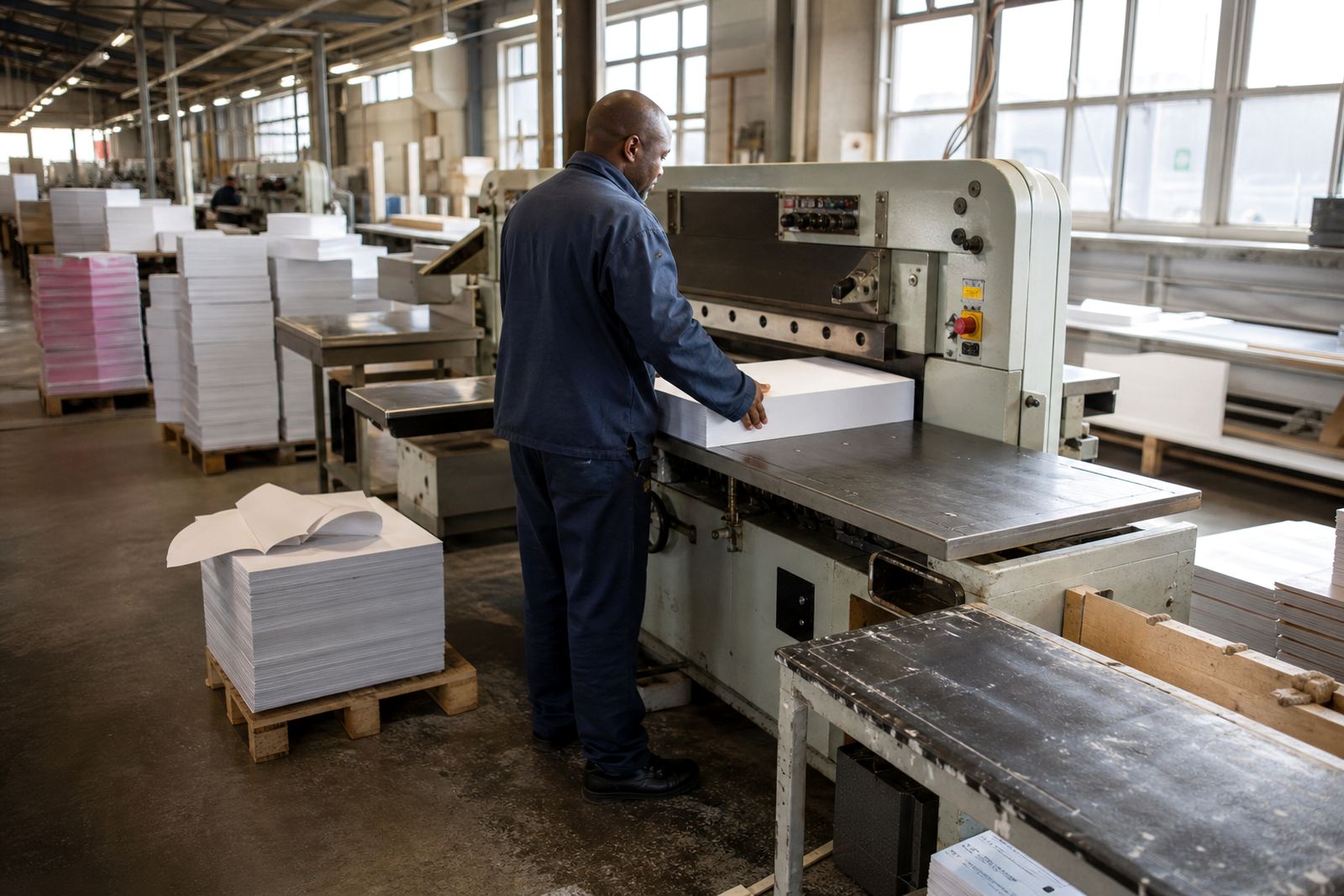
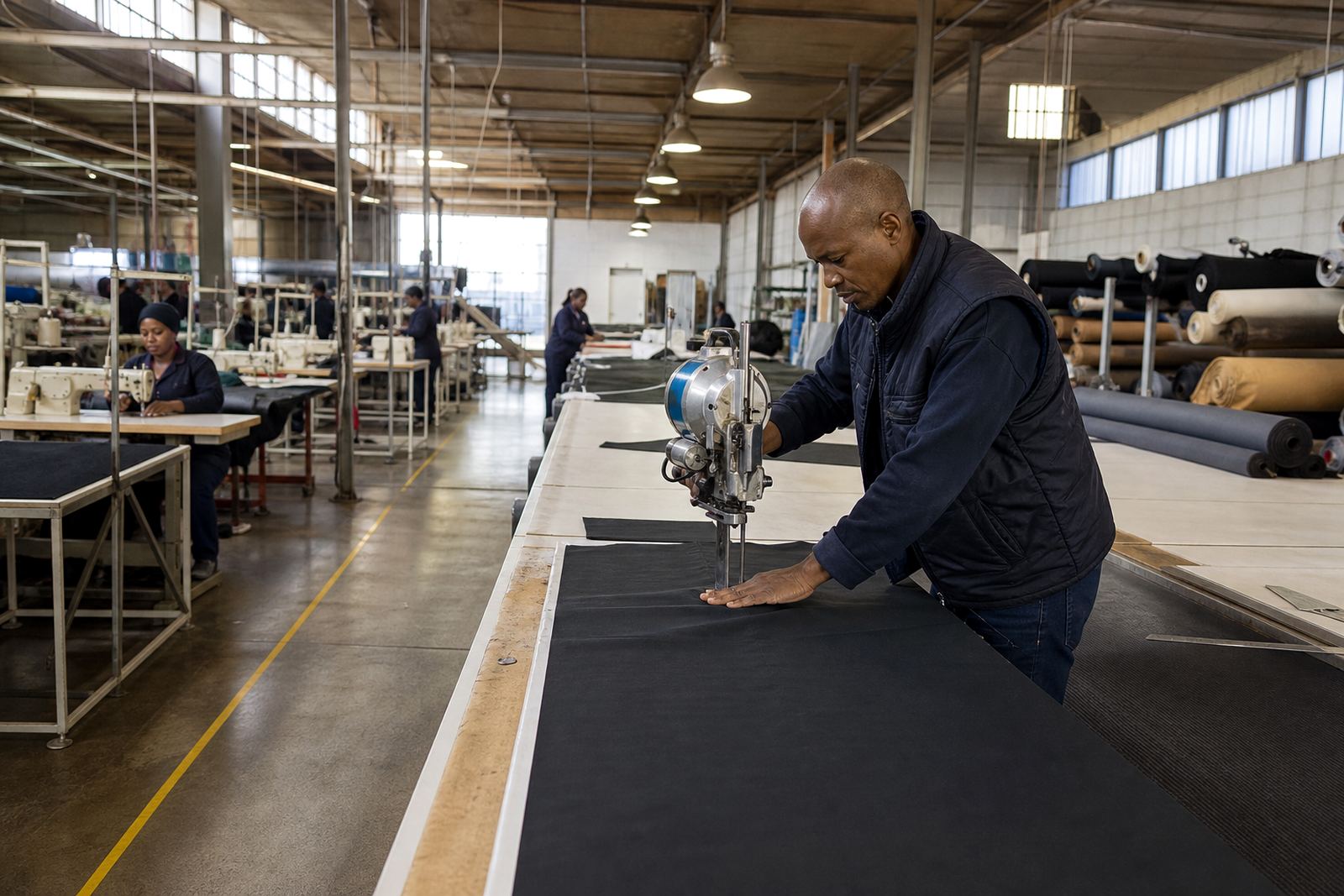
Common items in textile production include fabric cutters, cloth inspection tables, fusing equipment, pressing stations, sewing support equipment, rollers, stands, trolleys and material handling units. In some plants, there are also extraction fans, compressors and wrapping machines that should be listed with the main line, not left out as afterthoughts.
Typical Textile Production Assets We See On Site
Every factory has its own layout, but the equipment usually falls into a few groups. The more complete the record, the easier it is to prepare a fair auction plan and a useful catalogue. A machine with manuals, spare parts and a clear service trail will usually attract stronger interest than one with no history at all.
- Cutting tables, spreaders and cloth inspection rollers
- Industrial sewing support equipment and workstations
- Pressing, steaming and finishing machines
- Material handling gear such as trolleys, racks and conveyors
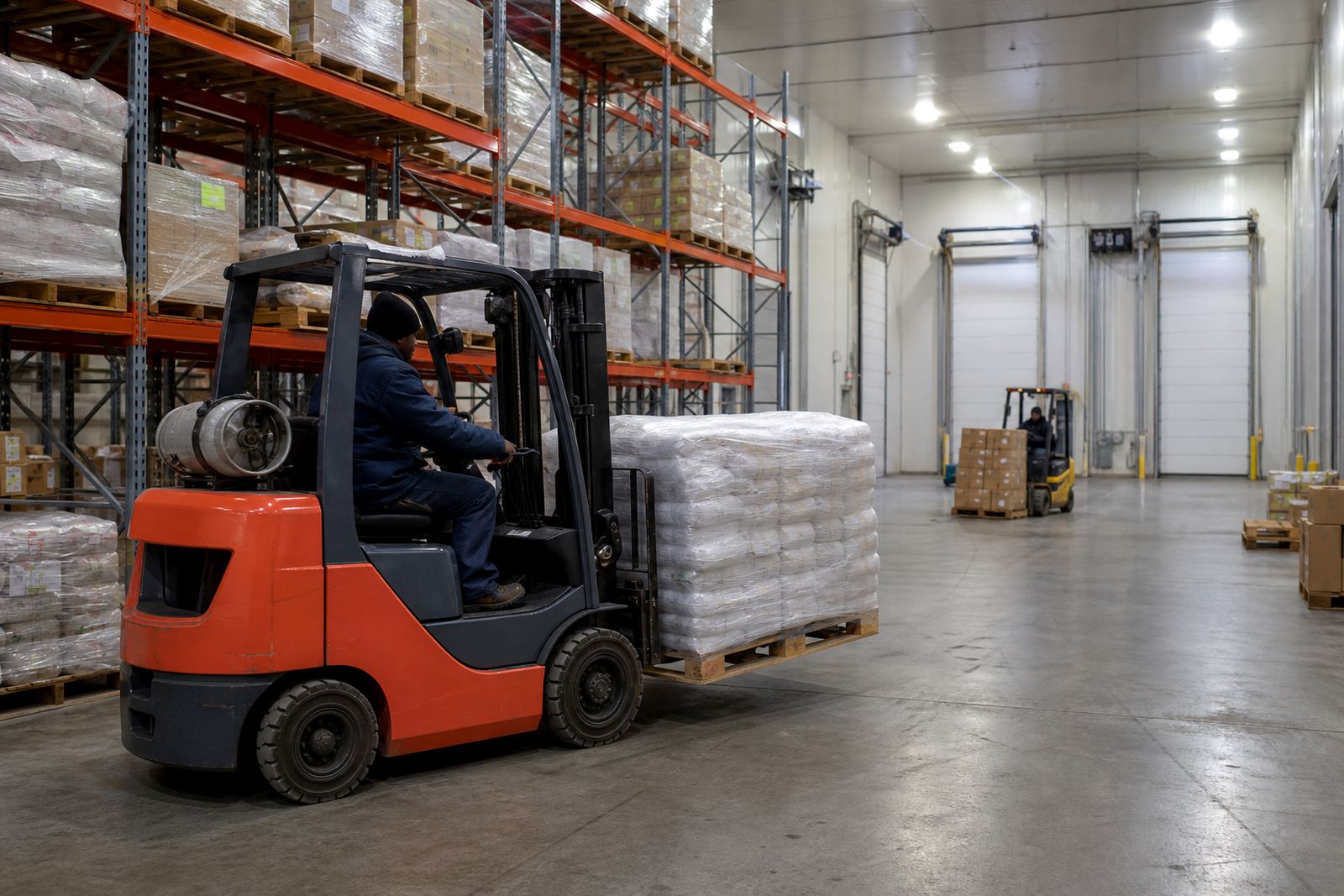
- Packaging, strapping and pallet handling equipment
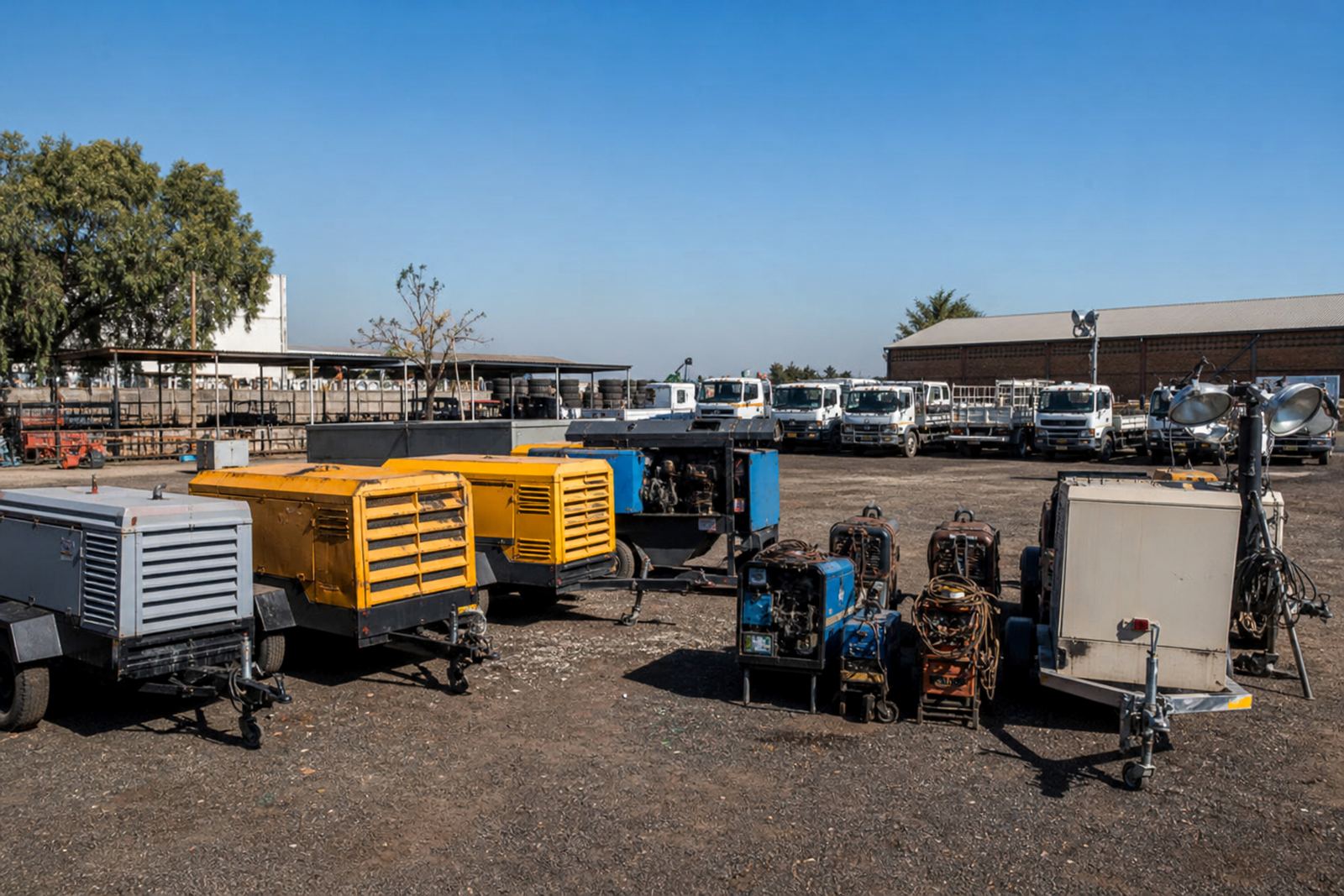
- Compressors, extraction units and small utility plant
For Durban and other coastal centres, rust, salt air and electrics need extra attention. In Gauteng, dust and load shedding can cause different wear patterns, so two machines of the same age may not sit in the same value band. We check for flat spots, belt wear, cracked guards, damaged sensors and any signs that a unit was run hard without service. That detail matters when buyers inspect before auction day.
How We Plan A Textile Auction Floor
A good auction does not start on the day of sale. It starts with layout, lotting and a clear view of what can be sold together and what should be separated. For textile sites, the best plan often groups machines by function: cutting, finishing, handling and support plant. This makes it easier for buyers to bid with confidence and reduces confusion during viewing days.
We also look at access for removals. Textile premises can have narrow passageways, raised thresholds and tight packing zones, especially in older buildings in Johannesburg, Pretoria and Germiston. If machines sit too close together, buyers may underestimate the work needed to clear them. That is why clearance coordination and site planning matter before the auction goes live.
- Mark all lots clearly before viewing days begin
- Separate working machines from non-running items
- Show measurements, power needs and any missing parts
- Keep aisles open for safe inspections and photos
- List ancillary items with the main line where they belong
Our team, including the auction manager, senior valuer and logistics staff, works through the practical steps needed to get the site ready. That includes photo listing prep, asset inspections and reserve guidance where the seller wants a minimum level considered. We cannot promise a result, but we can help present the assets in a cleaner, more accurate way.
Common Mistakes Textile Sellers Make
One of the most common mistakes is pricing every machine as if it were still in daily production. Used textile equipment can be valuable, but the market pays for present condition and ease of removal, not sentimental value. Another problem is grouping too many different machines into one lot without a clear reason. Buyers then struggle to work out what they are bidding on, and that can weaken interest.
Some sellers forget to include small items that still affect the value of the operation. A missing table section, control box, pressing attachment or conveyor section can change how attractive a lot looks. Others leave the site cluttered, which makes viewing difficult and gives the impression that maintenance was poor. Even a good machine can look tired if it is hidden behind offcuts, loose wiring or damaged pallets.
We also see cases where sellers wait too long after a shutdown. In textile settings, idle machines can suffer from belt deterioration, surface rust and seized parts, especially where moisture or dust is present. If power is unreliable because of load shedding, that should be noted in the valuation because it may explain why a line has not been tested recently.
Budget Ranges For Valuation And Auction Preparation
Budgeting for a textile machinery sale depends on the size of the site, the number of items, the level of on-site work needed and whether the assets are spread across one plant or several branches. There is no single figure that fits every case. A small clearance of a few machines in Midrand will not need the same planning as a full production floor with cutting, finishing and handling units in Cape Town or Gqeberha.
As a practical guide, sellers should allow for the costs tied to inspections, cataloguing, photo preparation, auction planning and clearance coordination. Larger sites may also need extra time for lotting, reserve discussion and staged removal. Because valuations are opinions of value, not guarantees of sale price, it is wise to set budgets around the work required rather than around a hoped-for outcome.
- Single-site appraisal with limited assets: often a lower planning burden
- Mid-size plant with several machine groups: more detailed cataloguing and viewing support
- Complex factory closure: higher coordination needs due to access, removals and site clearance
We do not give personal financial or tax advice. What we can do is help a seller understand the practical steps and likely work involved so the process is easier to manage. That makes it simpler to decide whether to sell by auction, use reserve guidance or split a plant into separate lots.
What Buyers Should Check Before Bidding
Buyers in the textile sector should inspect more than the headline machine. Check whether the line is complete, whether the controls are intact, and whether the machine can be moved without major rebuilding. In some cases a low-priced unit turns out to need belts, wiring, guards or tooling that cost more than expected. That is why viewing days matter.
It helps to confirm dimensions, power needs, access constraints and whether any floor fixings, ducting or connected equipment are included. If the asset is being removed from a live site, ask how clearance will work and whether there are rules for collection timing. Buyers in Durban, Johannesburg and Pretoria often work to tight schedules, so logistics need to be considered early.
- Inspect frame condition, guards and control panels
- Ask if the machine has been tested recently
- Check for missing attachments, dies or belts
- Confirm loading access and transport requirements
- Review all lot notes before bidding
Machine Africa supports sellers and buyers across South Africa from our Kempton Park base. Siyabonga Mthembu leads the business, with Naledi Khumalo, Pieter van der Merwe, Ayesha Ismail, Thabo Molefe, Johan Botha and Lerato Nkosi handling the auction, valuation and logistics work needed to keep textile sales organised and practical.