Valuations for Blending Plants Need More Than a Quick Look
Chemical blending equipment is valued as a working plant, not just as individual machines on a list. A proper opinion of value looks at the condition of the mixers, pumps, vessels, controls, pipework, change parts and the way the line is arranged, because a neat and complete setup often performs better at auction than scattered items sold one by one.
In Gauteng, KZN, the Western Cape and the Eastern Cape, we often see blending plants where the main issue is not age alone but the quality of maintenance, contamination history and how easy it is to remove the equipment from site. A mixer that still runs well in a controlled batch room can be worth more than a newer unit that has corrosion, damaged seals or missing panels. Valuations are opinions of value based on market knowledge and site condition, not a promise of sale price.
Typical Equipment Found in a Blending Line
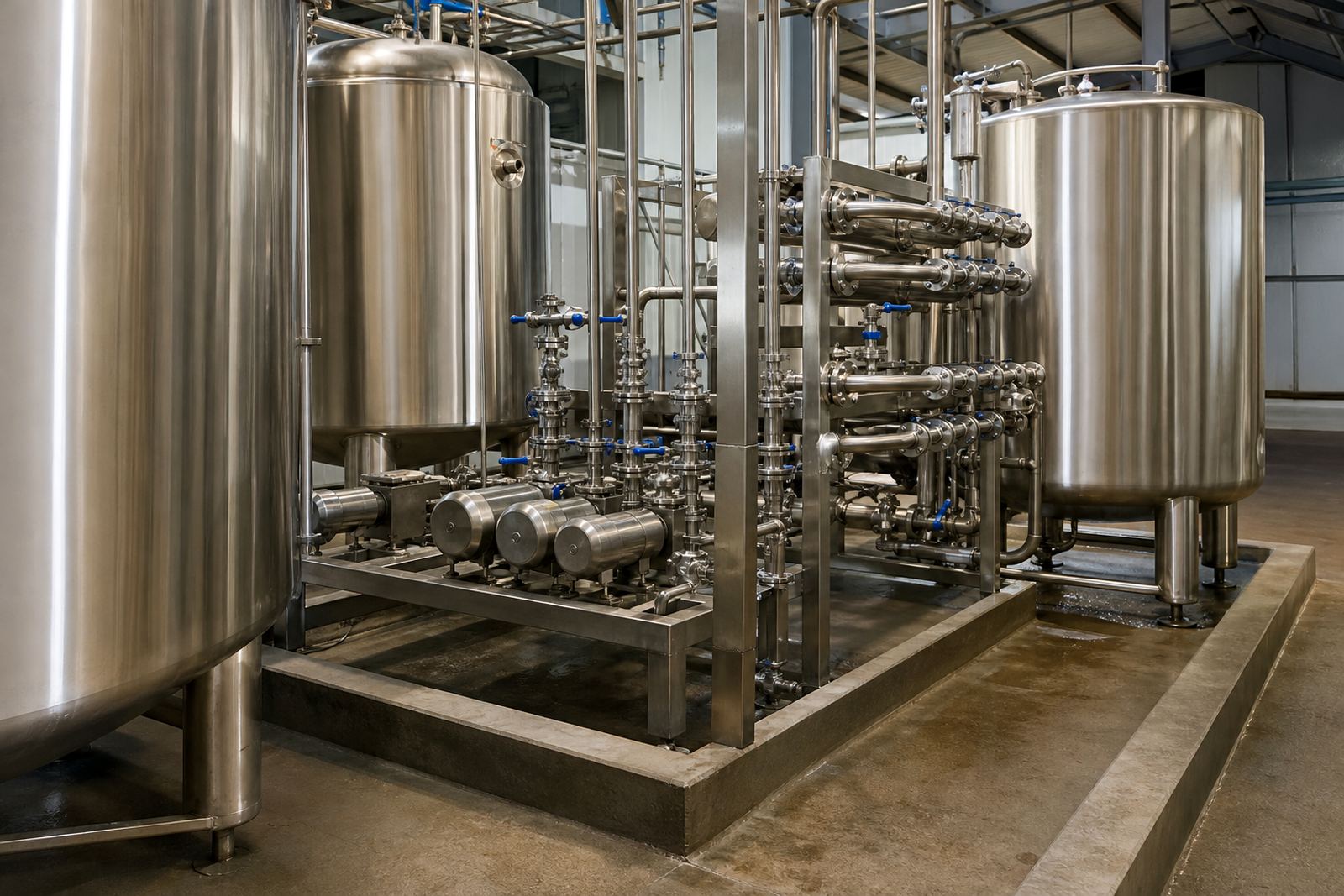
Most chemical blending sites use a mix of vessels, transfer gear and filling equipment. The exact setup depends on whether the plant handles detergents, solvents, coatings, adhesives or other liquid or powder products. When we inspect a site, we usually group the assets by function so the buyer can understand the process flow and the seller can present the lot properly.
- Stainless steel mixing tanks, agitated vessels and holding tanks
- Positive displacement pumps, centrifugal pumps and dosing pumps
- Fillers, cappers, labelers and product transfer tables
- Inline filters, strainers, valves and pipe manifolds
- Load cells, control panels, sensors and basic automation gear
- Portable IBC handling equipment, drums and tote accessories
Where equipment has been used with corrosive or sticky product, we also check for pitting, gasket wear and residue build-up. A line that looks tidy from outside can still need expensive cleaning before it is ready for relocation, so that matters in the opinion of value.
How We Plan an Auction for a Chemical Blending Site
A blending plant auction works best when the site is planned around safe access, clear lotting and sensible removal order. Sellers often want to move quickly, but the best results usually come from grouping similar items and allowing buyers enough time for viewing days and due diligence. Thabo and Johan handle the practical side of access and removal planning, including lifting points, traffic flow and what can be moved before power isolation or line strip-out starts.
Good planning also helps with municipal and site rules. In some areas there are noise limits, spill controls and waste handling requirements that affect removal days, especially where the plant sits close to other businesses or residential edges. In Durban and Cape Town, coastal humidity can also affect how long carbon steel items have been sitting idle, and that can change what buyers are prepared to pay.
- Confirm which items stay with the building and which are sold with the lot
- Record dimensions, serial plates and any missing accessories
- Separate working plant from spares, scrap and consumables
- Mark hazardous residue areas and isolate them early
- Allow time for photos, testing where possible and catalogue notes
Common Mistakes That Pull Down Value
One of the biggest mistakes is waiting until a shutdown is nearly complete before getting a valuation. By then, panels may already be removed, hoses cut and some accessories lost, which can reduce buyer confidence. Another problem is selling too much as scrap when the plant still has useful assembly value. Buyers in Johannesburg, Pretoria and Midrand often want complete lots because they can put a line back into production faster.
Another error is underestimating contamination and cleaning costs. A vessel that held odorous or reactive product may need more preparation than the owner expects, and buyers factor that into their offers. Missing manuals, control drawings and change parts also matter, even if the main machine still powers up. Small things like damaged sight glasses or perished seals can make a practical difference, so it is worth checking all the little bits and pieces before listing.
Budget Ranges for Valuation and Auction Preparation
Every site is different, so budget ranges depend on the size of the plant, travel, access, number of lots and whether the equipment needs detailed cataloguing. For a small blending room with a few mixers and transfer pumps, the preparation cost is usually far lower than for a full production line with storage vessels, filling machines and multiple utility connections. In real terms, a seller should expect costs to rise when the plant is spread over several rooms or when equipment needs careful shutdown coordination.
As a general working guide, smaller used industrial machinery lots may need only light preparation and basic photography, while larger or more complex chemical blending sites can require more detailed inspection, lotting and removal planning. Budgeting should also allow for cleaning, isolation, rigging, transport and any site clearance work. We do not give tax advice or financial advice, but we do help sellers understand what practical steps may affect the final outcome. A clean lot with clear access is usually easier to present and sell than one that is rushed at the last moment.
What Buyers Look For in Blending Machinery
Buyers want to know whether the plant can be put back to work without too much delay. They will often ask about the age of the equipment, the product history, the condition of seals and bearings, whether pumps still turn freely and whether the controls are complete. For larger sites, they may also want to see how the vessels were anchored, how the utilities were connected and whether the layout allows for easy loading on site.
We help sellers present these points clearly so the auction process is transparent and efficient. A good catalogue gives buyers enough detail to assess the asset properly, while still keeping the process fair for both sides. Siyabonga and the team focus on that balance, because a well-described lot attracts more serious interest than a vague listing with missing information.
- Note the product type and any cleaning history
- List working condition, missing parts and visible wear
- Show connection points, access space and floor footprint
- Highlight any recent service work or repairs
- Keep the catalogue simple, accurate and consistent