Layout and lotting advice for produce handling assets
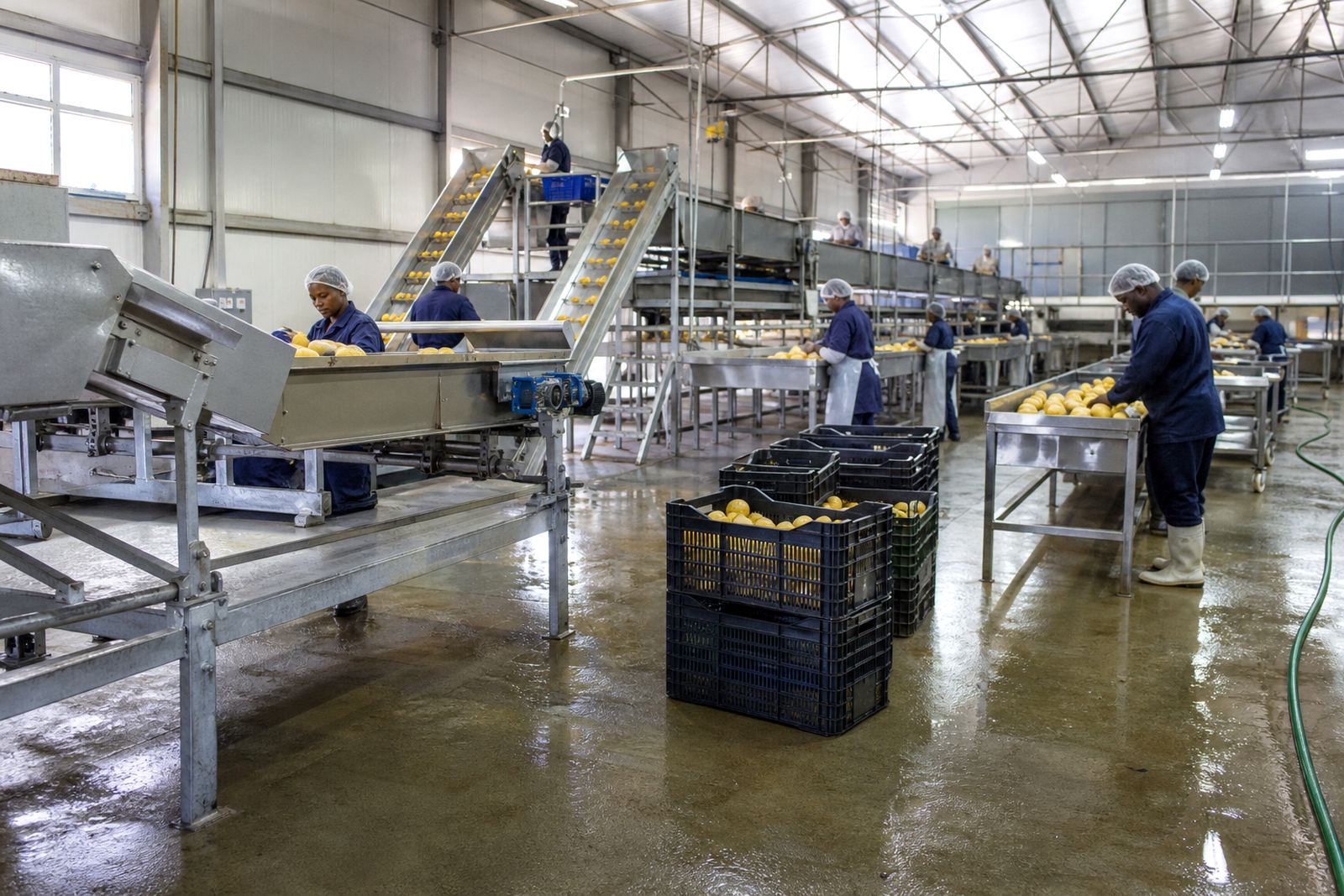
For auction planning, the way equipment is grouped can make a large difference to buyer interest. A packhouse is usually best presented in logical lots such as intake, sorting, washing, packing, palletising, storage and support equipment. Where possible, related machines should stay together so that a buyer can understand the production flow. Loose cables, missing guards, broken belts and unlabelled panels should be noted early, not at the viewing day.
Our team looks at access routes, loading points, floor strength, overhead obstructions and the practical order in which items can be removed. In smaller sites around Germiston, Midrand and Johannesburg, this can mean planning for narrow yards and shared access roads. In coastal areas like Durban, humidity and salt air can mean more corrosion on frames, motors and control boxes, so the catalogue should reflect real condition rather than assumed condition.
- Keep the intake line separate from secondary packing equipment when the machines can be sold individually.
- Group matched items such as conveyors, weighers and sealers where the buyer can use them as a set.
- Mark electrical requirements, water connections and compressed air needs clearly.
- Plan removal in the order that protects floors, drains and cold room seals.
Typical machinery found in packhouses
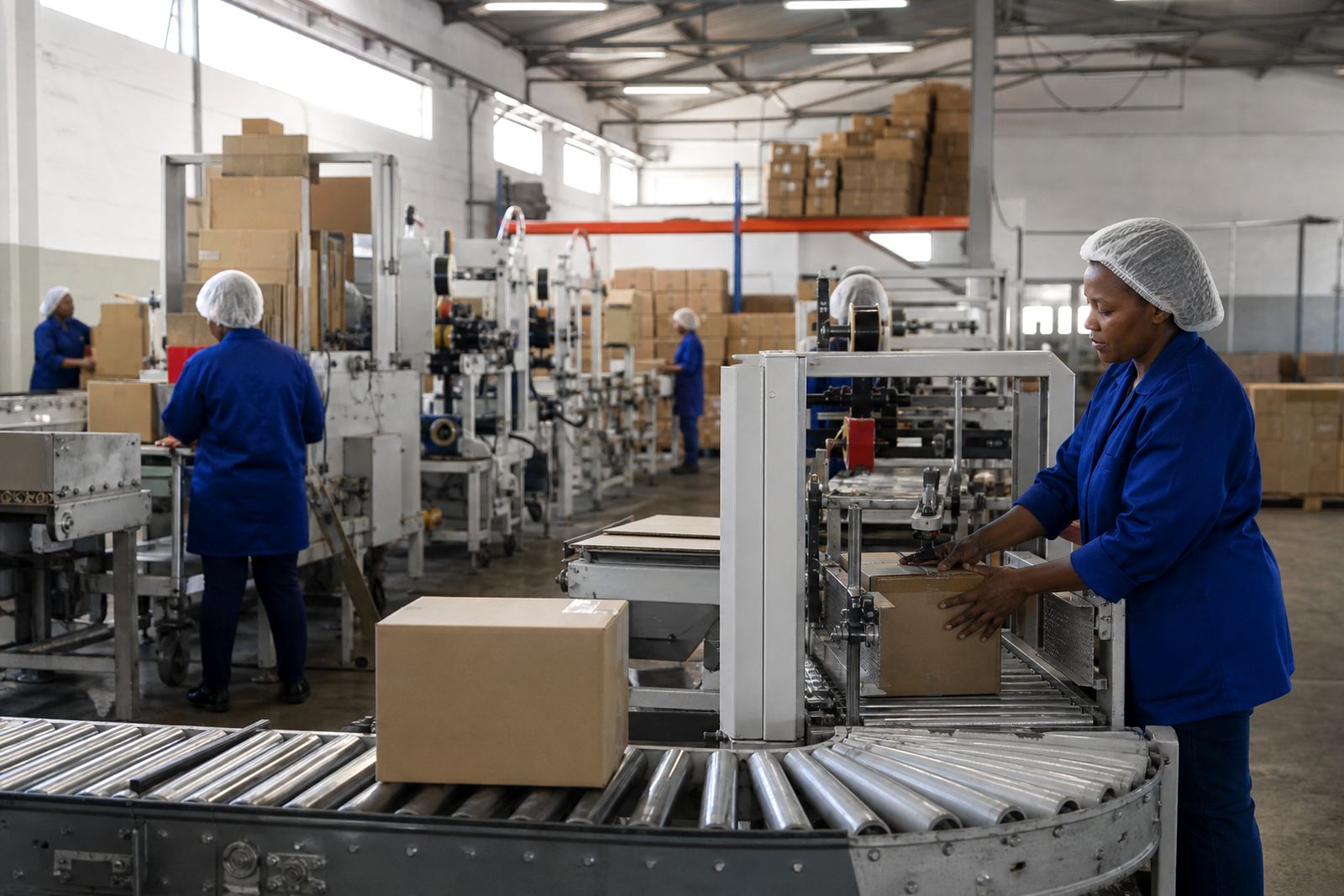
Every site is different, but most packing operations use a familiar set of machines and support items. The exact mix depends on whether the business handles citrus, avocados, subtropical fruit, vegetables or mixed produce. Some sites also include grading lines for export work, simple box assembly areas and pallet handling equipment for loading trucks.
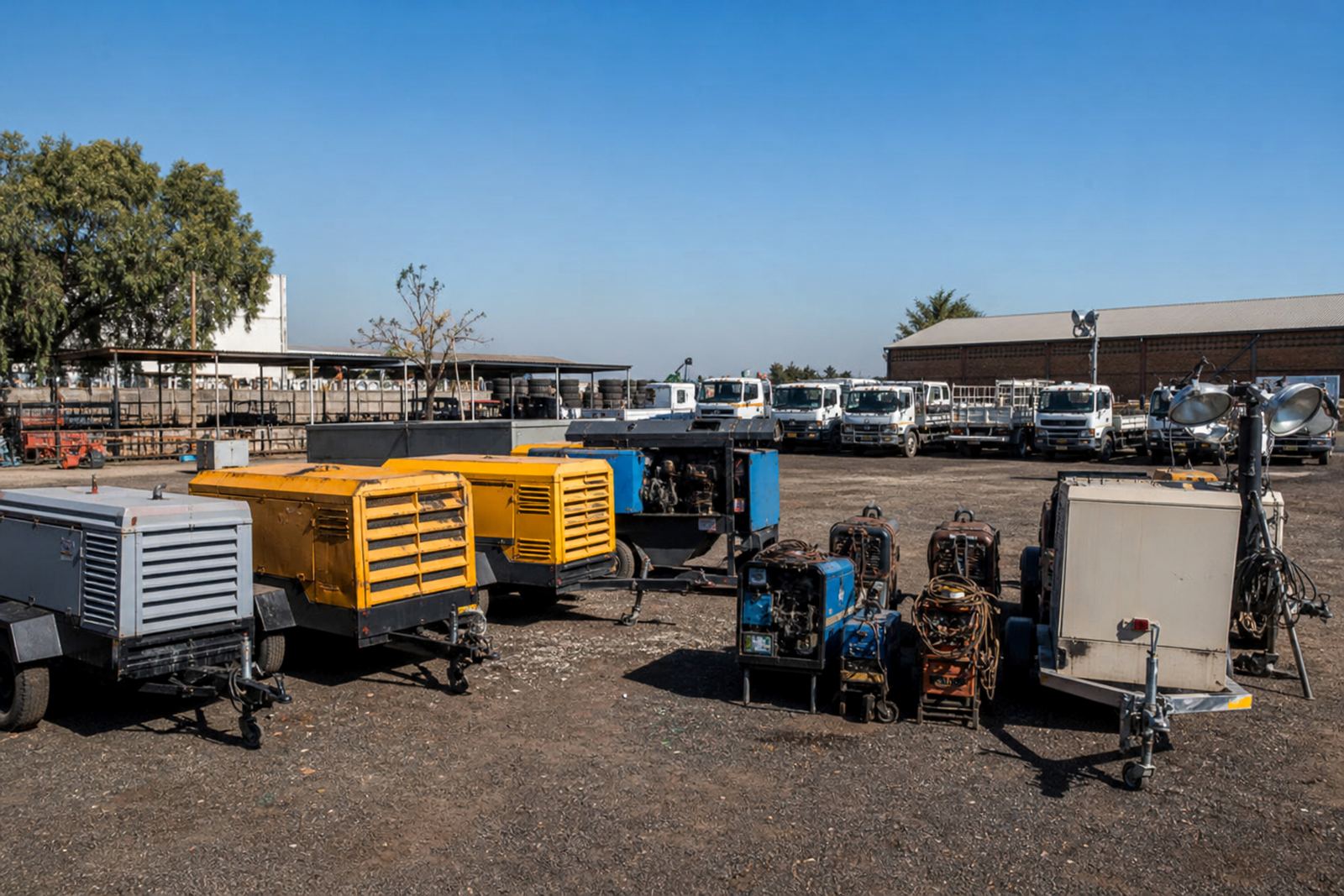
Common equipment we see includes belt conveyors, roller tables, washing units, sorting tables, electronic or mechanical weighers, label printers, heat sealers, carton erectors, pallet trolleys, shrink equipment, stainless steel work tables, extraction fans and cold room components. There may also be compressors, generators, cable trays, switchgear, racking, forklifts and battery chargers. If the site still has production records or maintenance logs, those should be kept together with the asset list because they help buyers understand usage and service history.
- Intake and wash systems for incoming produce.
- Grading, sorting and inspection lines.
- Packing tables, carton handling and sealing equipment.
- Pallet movement gear, trolleys and loading aids.
- Cold storage support equipment and electrical controls.
What sellers often get wrong
The most common mistake is waiting too long before starting the process. By the time a site is under pressure, documents are missing, machines have been moved and nobody can confirm what belongs to the business. Another error is cleaning or repainting items so heavily that the buyer cannot see the true condition. A proper auction process should show the asset as it is, while still presenting it neatly and honestly.
Another issue is underestimating removal. A grader or packing line may look simple enough to lift out, but once power isolation, floor anchors, chilled areas and access ramps are considered, the job can become more involved. In Gauteng especially, many industrial sites share roads, landlords and security rules, so collection coordination needs to be planned around loading times and site access. If the site is still operating part time, the auction timetable should respect that or the process becomes messy very quickly.
How buyers assess value at auction
Buyers in the packing sector usually focus on usable life, condition, power requirements, spare parts availability and whether the equipment can be installed without major alteration. A machine that looks tidy but has missing controls, worn belts or damaged sensors may draw much less interest than a rougher unit that is complete and running. That is why reserve guidance should be based on realistic market behaviour, not wishful thinking.
For buyers from Pretoria, Cape Town, Durban, Gqeberha and Johannesburg, transport and installation are part of the decision. A line that fits a current plant layout can save days of work, while an awkward fit can add extra cost in cabling, fabrication and civil adjustments. We help keep the listing clear so bidders know what they are looking at before the sale. That saves time and reduces disputes after the auction closes.
- Check whether motors, panels and sensors are complete.
- Confirm the machine dimensions against the available floor space.
- Allow for rigging, transport and installation work.
- Ask whether the lot is sold as seen, decommissioned or still connected.
Why packhouse sellers need local support
Machine Africa is based in Kempton Park and works with clients across South Africa, including Johannesburg, Pretoria, Durban, Cape Town, Gqeberha, Germiston and Midrand. That local reach matters because agricultural packing assets often need on-site attention rather than a paper exercise. Our team handles on-site valuations, auction planning, lotting and cataloguing, asset inspections, reserve guidance, viewing days, seller representation, collection coordination, closure support, plant appraisals and photo listing prep.
When a packhouse needs to be sold or appraised, clear communication matters as much as the machinery itself. Siyabonga Mthembu and the team work through the enquiry form on the contact page, then build the process around the site conditions and the client’s timeline. Whether the business is upgrading, scaling down or closing a facility, the aim is simple: present the machinery properly, keep the process orderly and give the market a fair look at what is on offer.