Used food production equipment needs careful sorting
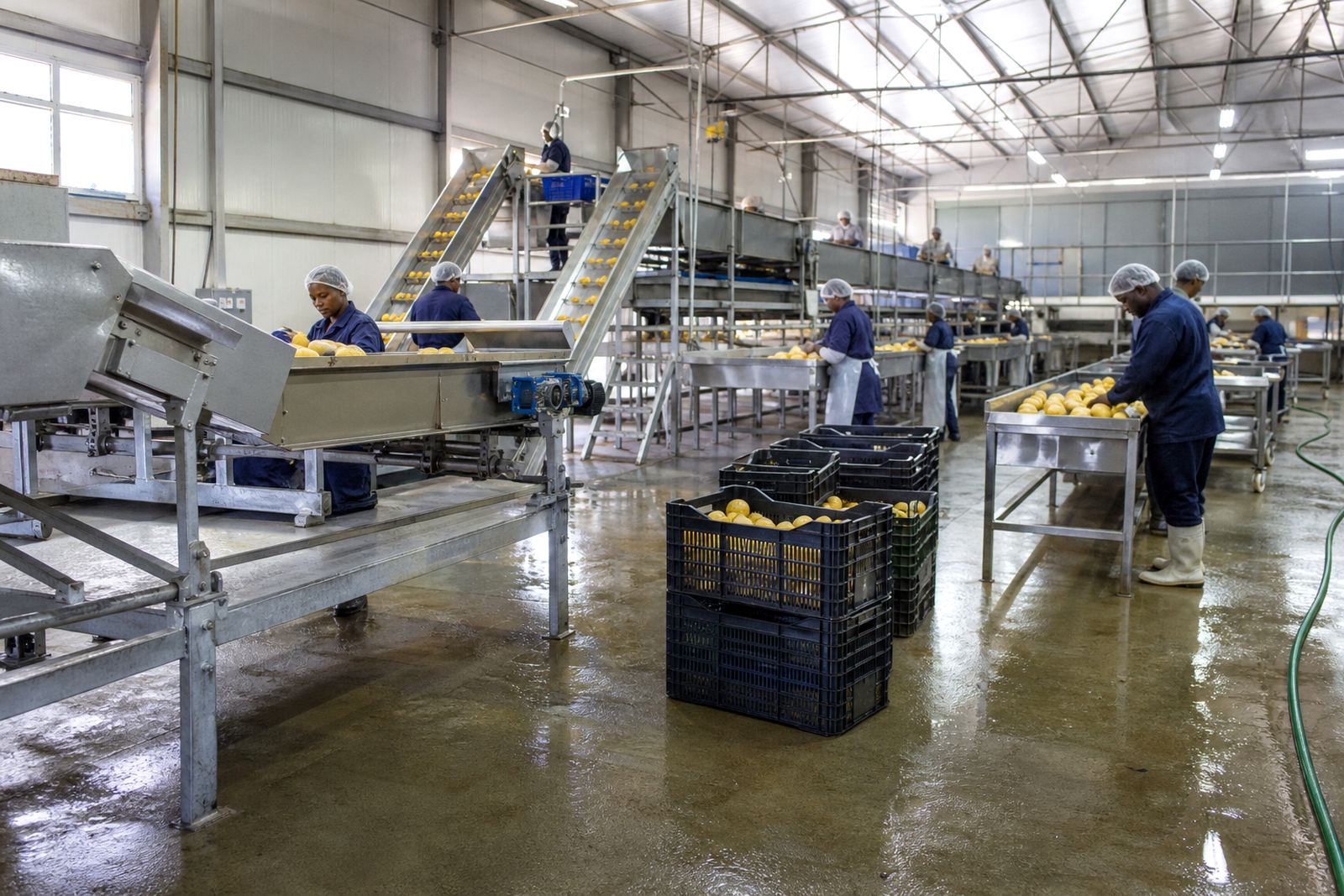
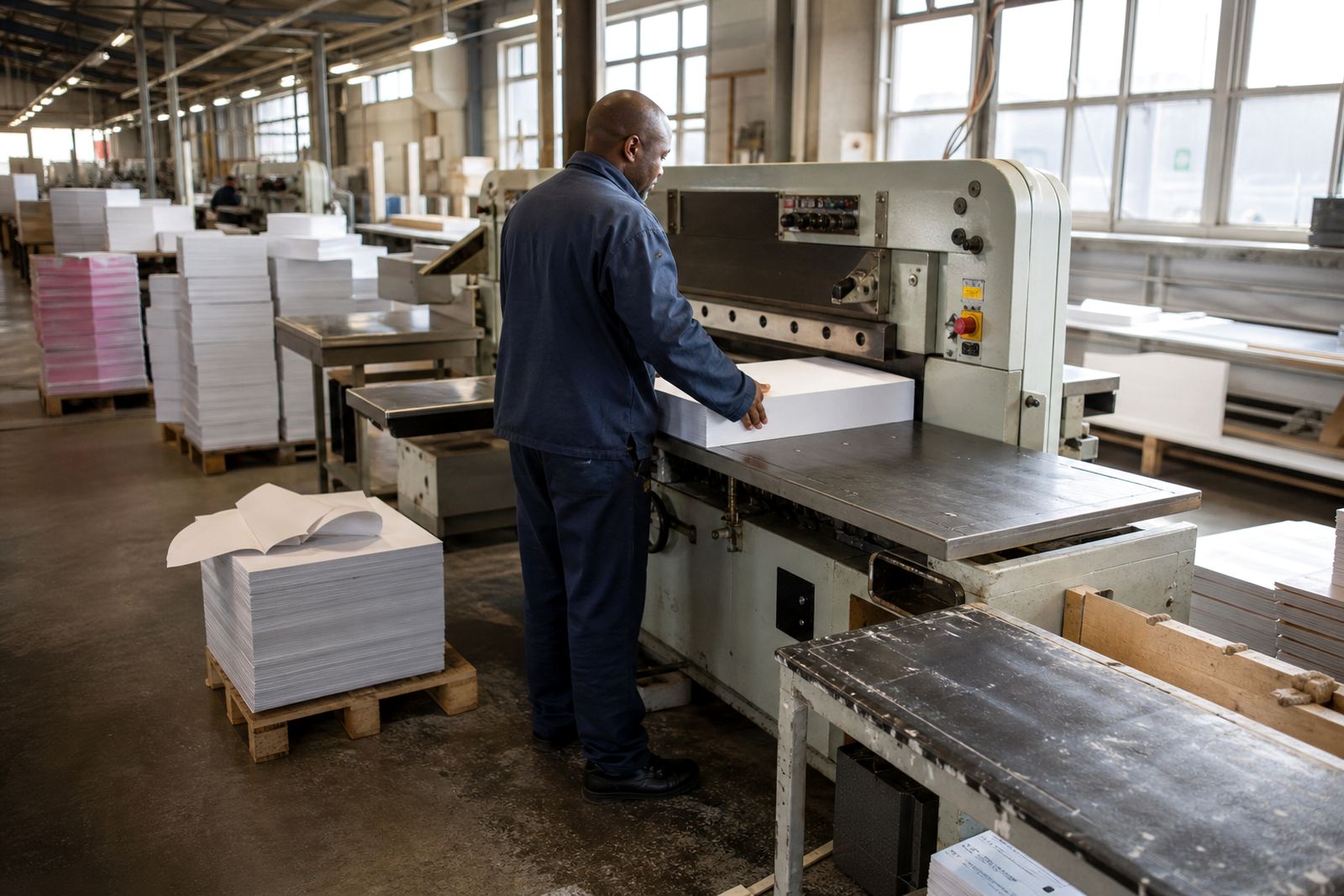
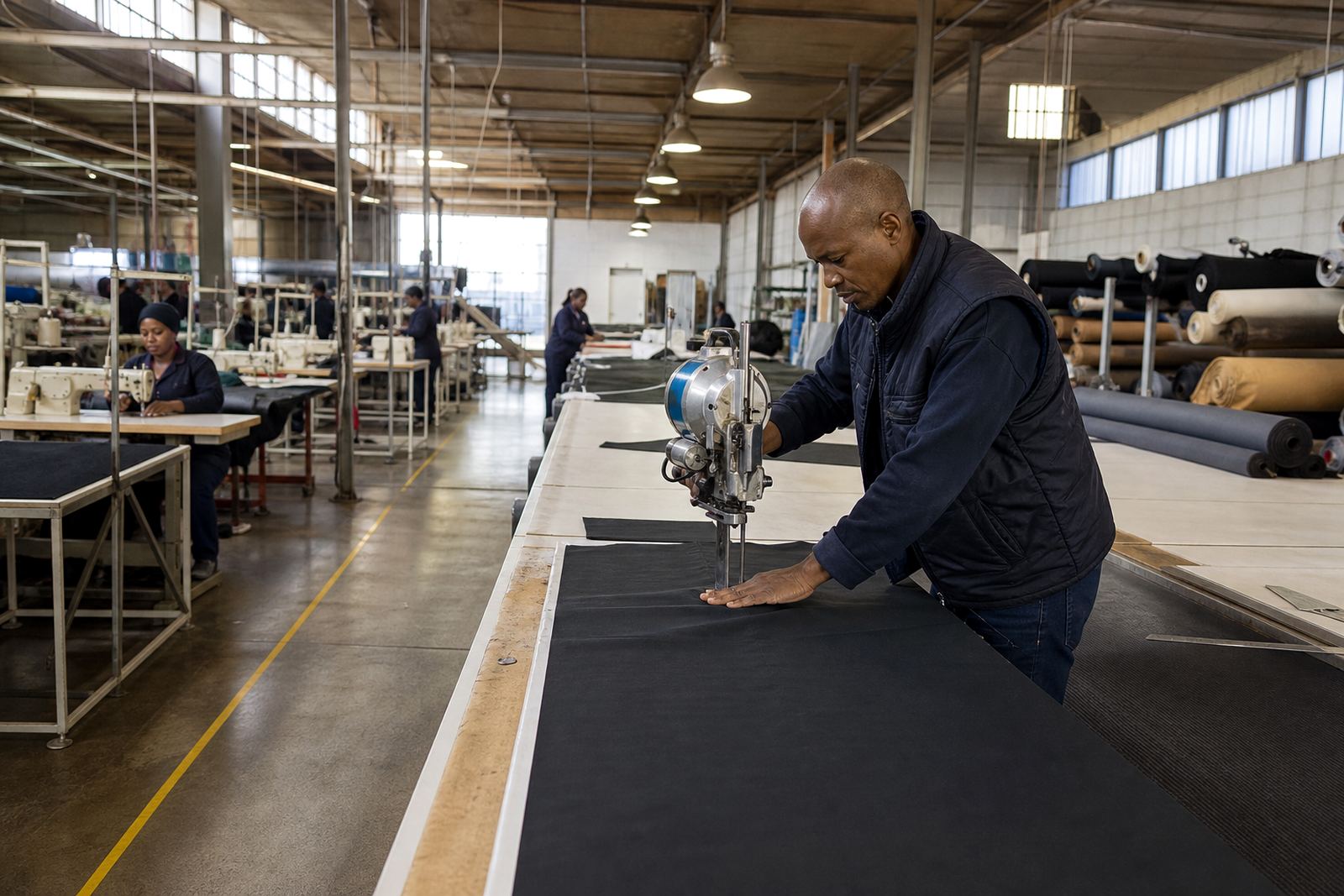
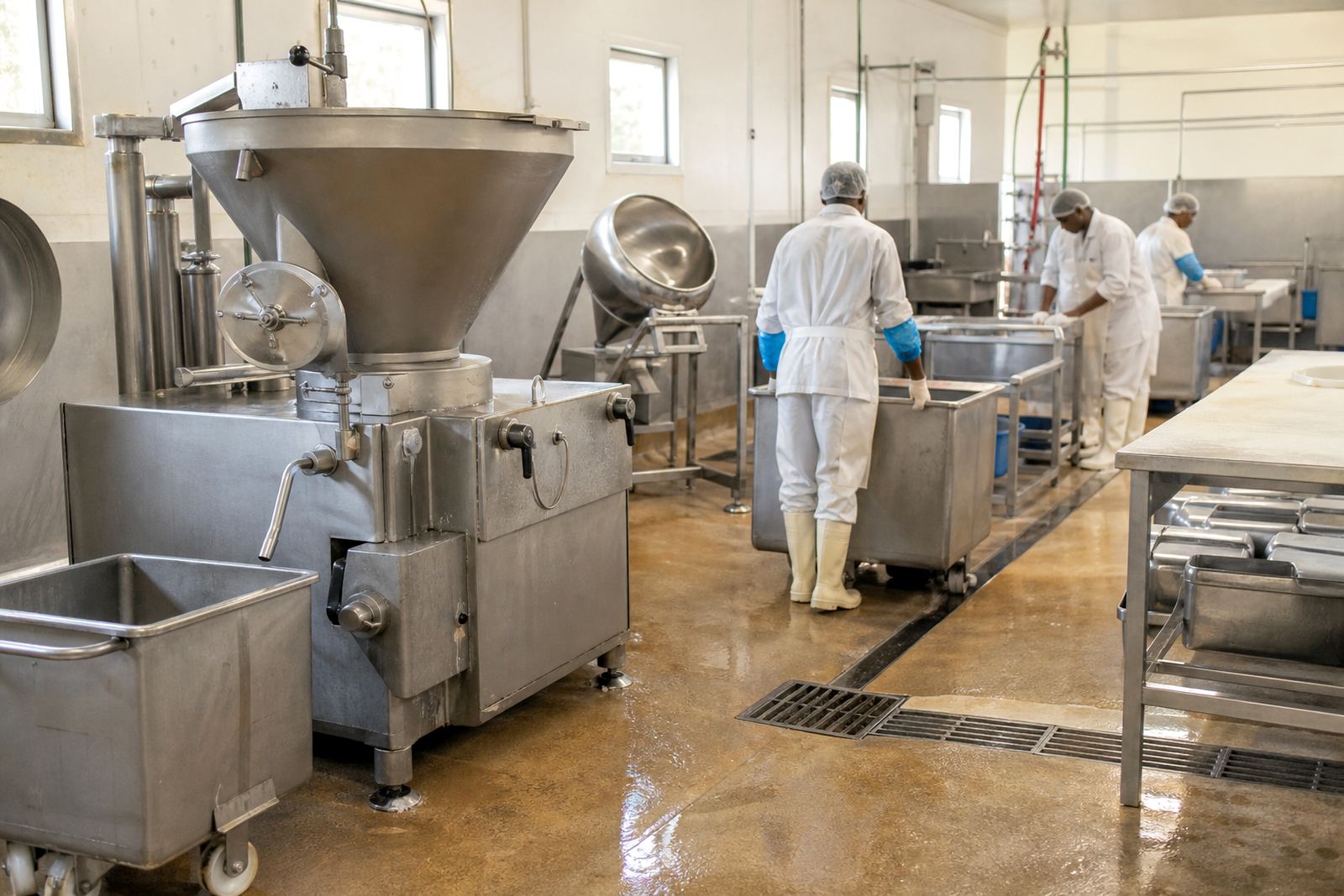
Food production sites usually hold a mix of stainless steel process equipment, packing lines, handling gear and service items that all behave differently in an auction. A mixer, slicer or filler may still have useful service life, but sanitation history, motor condition, control panels and wear on seals or bearings can change the value quite a bit. A valuation is an informed opinion of value, not a promise of what a buyer will pay on the day.
For bakeries, dairy plants, meat processors, snack lines and bottling rooms, the best starting point is a site visit with the machinery still installed. That allows a valuer to check access routes, power supply, drainage, floor condition and whether the equipment can be removed without damage to walls, cold rooms or fixed pipework. In Gauteng, many sites also need to plan around load-shedding and limited shutdown windows, so timing matters.
- Typical items include mixers, conveyors, sealers, weighers, ovens, chillers, pumps and stainless tables
- Control systems, guards, belts and electrical cabinets should be inspected before any sale plan is set
- Food-grade condition, cleaning records and visible wear all influence buyer interest
The usual machinery in a food production auction
Food production auctions often include a practical mix of process and packing assets rather than one single machine type. Buyers in this market are often looking for usable units they can install quickly, especially when replacing equipment after an upgrade or factory move. The more complete the information, the easier it is to compare options and attract the right bidders.
- Preparation equipment such as mixers, grinders, cutters and washing units
- Heat and cold equipment such as ovens, steamers, blast chillers and display fridges
- Packing equipment such as fillers, labelers, sealers, date coders and check weighers
- Material handling such as conveyors, lifts, trolleys and pallet movement gear
- Support items such as stainless benches, sinks, trolleys and process pumps
In coastal cities like Durban, humidity can affect electrical panels, bearings and stored spare parts, while in inland areas dust and poor storage can be the bigger issue. Buyers often ask if a machine has been idle for months or kept under cover. That detail matters, because a machine that looks tidy may still need belts, sensors or a full service before re-use.
How we plan the auction around the site
Food sites usually have tighter hygiene and movement rules than general industrial plants, so planning has to be practical. We start by grouping items into sellable lots, then map how buyers will view the equipment, how photos will be taken and what needs to be disconnected before removal. If the site is still operating, the process should minimise disruption to production and staff movement.
For larger plants in Johannesburg, Pretoria, Germiston and Midrand, we often work around loading bays, delivery schedules and forklift paths. In smaller facilities, access may be the main issue, especially where a machine sits in a narrow room or near cold storage. Good lotting can make a big difference, since buyers like to understand what is included, what needs dismantling and whether pipework, ducting or fittings are part of the offer.
- Reserve guidance is set from market knowledge and the condition of the machine, not from guesswork
- Viewing days should allow enough space for buyers to inspect stainless surfaces, controls and wear points
- Clear photo listing prep helps show the actual condition of each lot and reduces confusion
We also coordinate closure support where a site is being vacated, sold or transferred. That can include collection planning, disposal timing and practical handover steps so the premises are left in a workable state. The aim is to keep the auction organised and easy to follow, not rushed or messy.
Common mistakes sellers make with food machinery
One common mistake is pricing every item as if it were new. Another is leaving the machinery uncleaned or partly stripped, then expecting buyers to make strong offers anyway. Food production buyers are careful, and they usually want to see complete units with clear condition notes. Missing trays, cracked guards or damaged seals can reduce interest quickly.
Some sellers also wait too long to arrange inspections. In food plants, small issues can grow into larger ones if machines sit idle in damp rooms or near washdown areas. Electrical cabinets, seals and contact points should be checked early. If a unit has been moved several times, keep track of whether motors, guards or control parts have gone missing. That simple step saves a lot of back and forth later on.
- Do not rely on old purchase prices when setting expectations
- Do not hide faults, missing parts or service gaps
- Do not forget to plan removal for heavy units, especially on upper floors or in tight prep rooms
Another mistake is ignoring the effect of sanitation rules. Even when a machine is no longer in food use, buyers will still think about how easy it is to clean and re-fit. Stainless surfaces, open frames and good access under the machine are often more attractive than a unit that is hard to wash down. A tidy site can help, but a tidy machine helps more.
Valuation ranges and auction budget planning
Budget planning for food production machinery should be based on the likely level of buyer demand, the condition of the units and the cost of removal, not on a fixed formula. In practice, a small selection of stand-alone items may attract modest interest, while a larger line with better continuity can draw more attention. Valuations are opinions of value and cannot guarantee a sale price.
For sellers, it helps to plan for three broad cost bands. Smaller single-item sales may need only light preparation and viewing setup, while larger plant clearances can involve more cataloguing, more site handling and longer collection coordination. Where equipment is hard to access or needs specialist lifting, the logistics can become a real part of the budget. Exact fees and charges depend on the instruction and are handled case by case.
- Lower-cost planning is often suitable for a few portable machines or surplus packing items
- Mid-range planning can suit a partial line, multiple lots and a structured viewing day
- Higher planning effort is usually needed for full plant closures, dense layouts and difficult removals
Buyers should also allow for recommissioning costs after purchase. Even a good machine may need new seals, service parts, rewiring or cleaning before it is ready for production. That is especially true where equipment has stood idle through a winter shutdown or after long load-shedding interruptions. A sensible budget should leave room for those items, because they are often overlooked.
Why buyers and sellers call on a local Gauteng team
Machine Africa is based in Kempton Park and works with food production equipment across South Africa, with regular instructions in Johannesburg, Pretoria, Durban, Cape Town and Gqeberha. The team includes Siyabonga Mthembu, Naledi Khumalo, Pieter van der Merwe, Ayesha Ismail, Thabo Molefe, Johan Botha and Lerato Nkosi, each handling a different part of the process from inspection to catalogue preparation and site logistics.
That local base helps when a site needs quick access, a careful walk-through or support for a sale that has to move ahead within a tight shutdown window. Food processing plants do not leave much room for error, so clear communication and practical coordination matter. Whether the instruction is a full clearance sale or a smaller valuation for selected assets, the process should stay straightforward and transparent.
Clients reach us through the enquiry form on our contact page. From there, we can arrange the next step, discuss the machinery on site and plan the auction process in a way that suits the plant and the buyer market. For food production equipment, the detail is in the preparation and that is where proper support pays off.