Fabrication plant disposals need a clear plan
When a fabrication workshop is being rationalised, upgraded or closed, the machinery mix can be heavy, awkward to move and uneven in age. Some items may still be in daily use while others have been standing through load-shedding, dust and humidity, which affects condition and the ease of removal. A proper valuation looks at the machine type, capacity, age, service history, current working order and how the lot can be presented for sale.
For sellers in Johannesburg, Pretoria, Germiston and Midrand, timing matters. If the factory has to keep producing while a sale is prepared, the valuation visit should fit around cutting, welding and dispatch schedules. In Durban and Gqeberha, coastal moisture can affect electrical cabinets, bearings and stored tooling, so that needs to be noted during inspection. A valuation is an opinion of value based on the information available, not a promise of sale price or a guarantee of what a bidder will pay.
Typical questions include whether to sell as one plant or in sections, which items should be grouped, and whether certain machines should be kept back for spare parts use. Machine Africa assists with that practical sorting so the sale is easier to understand for buyers and less disruptive for the seller.
Typical equipment found in sheet metal and structural shops
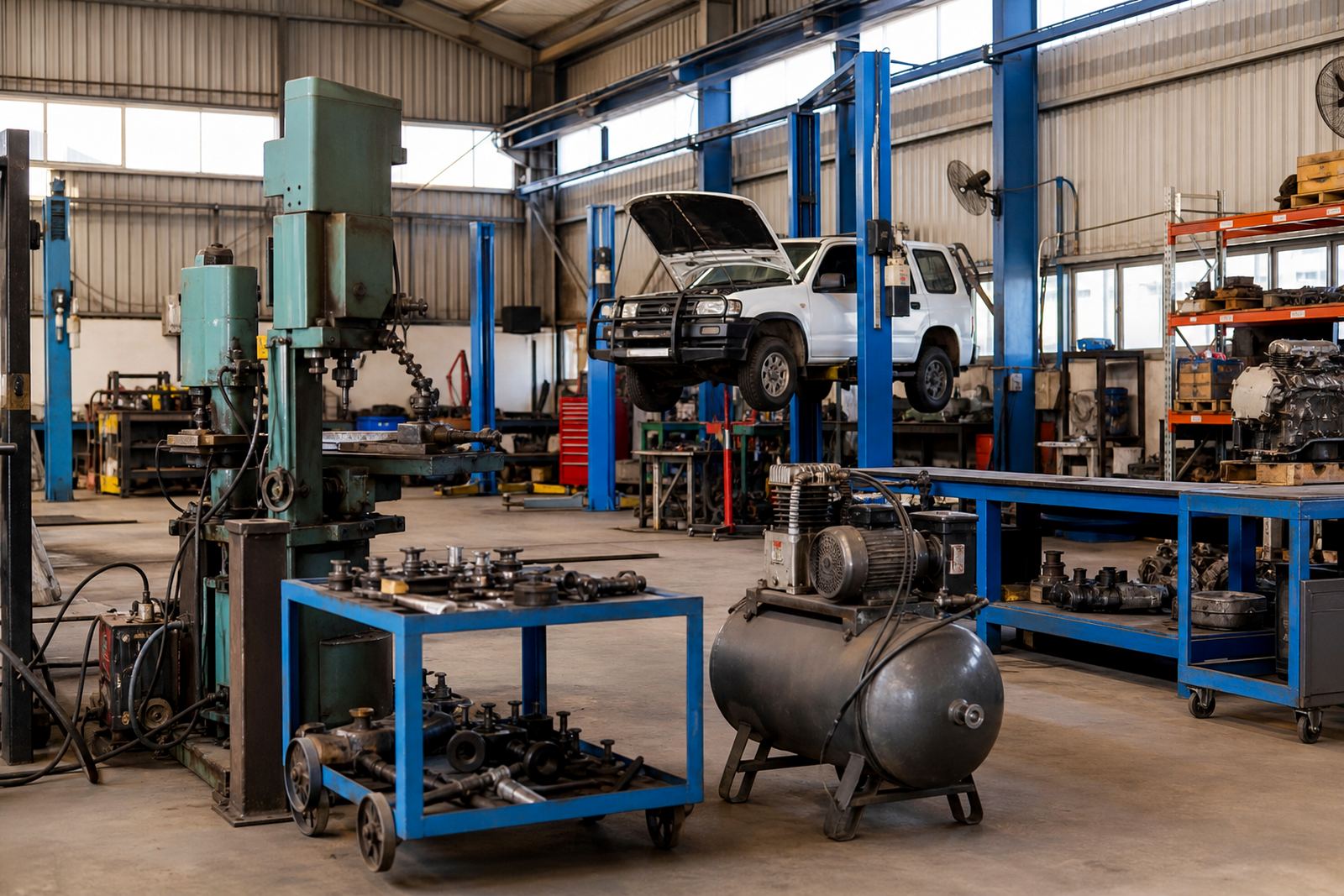
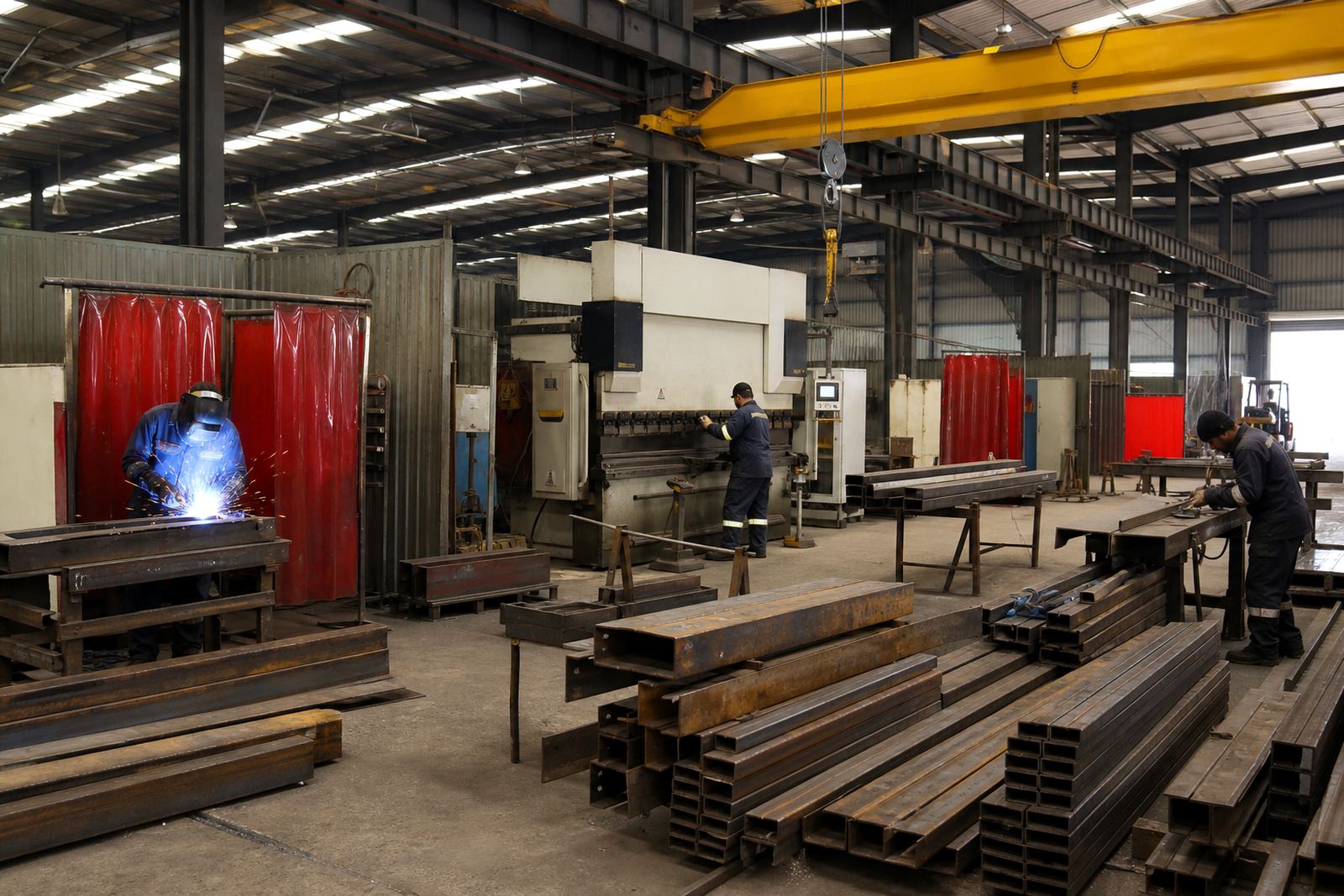
Fabrication plants often run a mix of cutting, bending, forming, welding and handling equipment. The exact setup varies by town, production type and floor space, but a common site may include plate shears, press brakes, guillotines, angle rolls, tube benders, hydraulic presses and drill presses. Structural workshops may also have beam drills, band saws, profile cutting equipment, overhead cranes, gantries and forklifts.
- Shearing and cutting machines for plate, sheet and flat bar
- Press brakes with tooling, back gauges and control units
- Punching, drilling and hole-making equipment for fabrication work
- Welding stations, extraction units and compressor systems
- Material handling items such as cranes, trolleys, forklifts and racking
- Ancillary items like compressors, generators, jigs, spares and tooling
Buyers usually want to know power requirements, footprint, transport weight and whether the machine can be tested on site. If the workshop has a lot of custom tooling or special fixtures, those should be listed separately, because they can add value for the right buyer but be overlooked in a quick walk-through. A clean asset list also helps when a plant includes both well-used production machines and older stand-by items that have not run in years.
How layout affects valuation and auction planning
In fabrication plants, layout can make a big difference to selling costs and buyer interest. A machine packed between steel offcuts, pallets and unfinished jobs is harder to inspect, photograph and remove. If a press brake is bolted down near a wall with limited crane access, the logistics need to be planned before the sale is launched. Clear access routes save time and reduce the chance of damage during collection.
Good auction planning starts with measuring door heights, aisle widths, crane reach and floor loading where large machines sit. It also helps to map which items can be moved first and which must stay in place until the end. If a plant is in a multi-bay building or shared industrial yard, municipal and landlord rules may affect collection times, vehicle entry and waste removal. That can matter just as much as the machine list.
- Measure every major machine and note access points before listing
- Separate working assets from non-running units and scrap
- Mark power isolation points and compressed air lines before removal
- Keep manuals, tooling and spares together where possible
- Plan viewing days so buyers can inspect without disrupting production
Common mistakes that reduce bidder confidence
One of the biggest mistakes is treating all fabrication equipment as if it has the same market value. A working machine with a known service record and complete tooling can attract better interest than a similar unit that is incomplete or has missing guards. Another common error is leaving loose items unlisted. Clamps, dies, rollers, jigs, torch sets and special tables are easy to forget, but they can influence the final result.
It is also easy to overestimate value by using replacement cost instead of market reality. Buyers in South Africa compare many factors, including transport from Kempton Park to Johannesburg or further afield, installation costs, power compatibility and the age of the control system. If a machine needs repair before use, bidders will price that into their offers. That is normal and should be acknowledged early rather than hidden.
Some sellers also wait too long to start the process. If a plant has already been stripped, cleaned out or partially dismantled, the best presentation is lost and important information may be gone. Photos of machines in position, along with serial plates and close-ups of key components, help the catalogue and support serious bidding.
Budget ranges to plan for in Rand
Every site is different, so budgets should be set around the size of the plant, the number of lots and the amount of work needed to prepare the sale. For a smaller fabrication workshop with a modest number of machines, costs may be limited to inspection, lotting and basic catalogue preparation. A larger plant with multiple bays, cranes and heavy lifting needs more coordination, more viewing management and more collection planning.
When setting a disposal budget, sellers should allow for the practical work around the auction itself, not just the machinery listing. That can include transport coordination, site clearing, load-out supervision and closure support. In some cases, a plant can be sold in phases to reduce disruption and spread the work over time. The right approach depends on the site, the urgency and the condition of the assets. No single budget fits all, and no valuation should be used as a cash-flow guarantee.
For buyers, budget planning should include the hammer price, rigging, transport, re-installation and any servicing needed before the machine goes back into production. It is worth checking the machine against the buyer’s intended use before bidding, especially on older structural equipment where power supply and tooling compatability may need attention.
What Machine Africa does for fabrication plants
Machine Africa supports sellers and buyers across South Africa from the Kempton Park base, including Johannesburg, Pretoria, Durban, Cape Town, Gqeberha, Germiston and Midrand. The team can arrange on-site valuations, auction planning, lotting and cataloguing, asset inspections, reserve guidance, viewing days, seller representation, collection coordination, clearance sales, closure support, plant appraisals and photo listing prep.
For fabrication plants, that usually means getting the site information right first. Siyabonga Mthembu oversees the business, with Naledi Khumalo handling auction management, Pieter van der Merwe leading valuation work, Ayesha Ismail on client relations, Thabo Molefe coordinating operations, Johan Botha supervising site logistics and Lerato Nkosi preparing catalogue and media material. That mix helps keep the process practical from first inspection to final handover.
If you are planning to sell a fabrication workshop or assess a used plant for purchase, the best starting point is a site inspection and a proper list of what is actually on the floor. A clear picture of the assets, access and condition gives everyone a better basis for decision-making, and it avoids confusion later on.