Structured viewing days for serious buyers
Viewing days are planned visits where interested buyers can inspect listed machinery before auction or sale. The aim is simple: keep movement controlled, protect the site, and make sure every visitor gets the same facts about the equipment. That includes the machine make-up, visible condition, key dimensions, power requirements and any known limitations. Sellers also benefit because the process reduces crowding, keeps questions in one place and helps staff manage traffic safely.
We work from Kempton Park and arrange viewing days for machinery in Johannesburg, Pretoria, Durban, Cape Town, Gqeberha, Germiston and Midrand. The same approach suits a factory floor, warehouse, workshop yard or plant room. Where access is tight, we split viewings into slots so buyers can move through the site without blocking loading bays or production routes. In some cases, that means timed entry for forklifts, compressors, generators, presses or packaging lines, so the visit stays orderly and information stay consistant.
What is included on the day
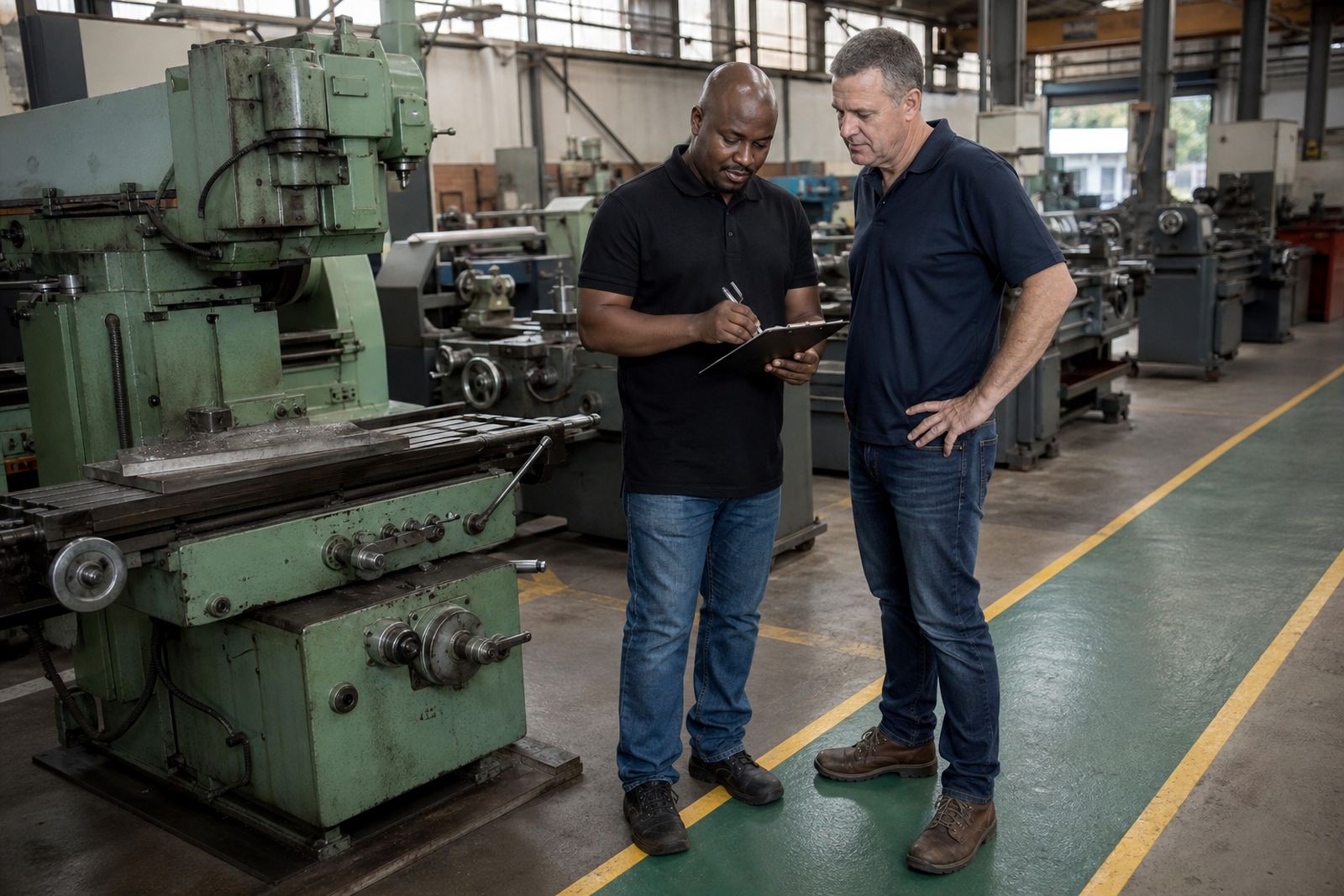
A proper viewing day is more than a walk-through. We help set the route, confirm which items are open for inspection and prepare lot references so buyers can identify each machine quickly. Where possible, we make sure the asset tags match the catalogue, and that the person hosting the visit can answer practical questions about access, condition and removal. For buyers, this makes it easier to compare similar items and decide whether to bid or make an offer.
- Site access planning and controlled entry points
- Lot numbers, machine identification and catalogue references
- Walk-through order based on layout, safety and buyer interest
- Basic condition notes on visible wear, fittings and missing parts
- Guidance on size, weight, power supply and removal access
- Clear time windows for single buyers or grouped visits
We also help sellers flag items that need special handling, such as heavy transformers, tanks, mills, cold-room units or equipment with limited clearance around it. In Gauteng, that often means planning around yard congestion and local traffic times. On coastal sites, we take extra note of humidity, surface rust and storage conditions because these affect how a machine presents during inspection and how buyers assess it.
How the viewing process is handled
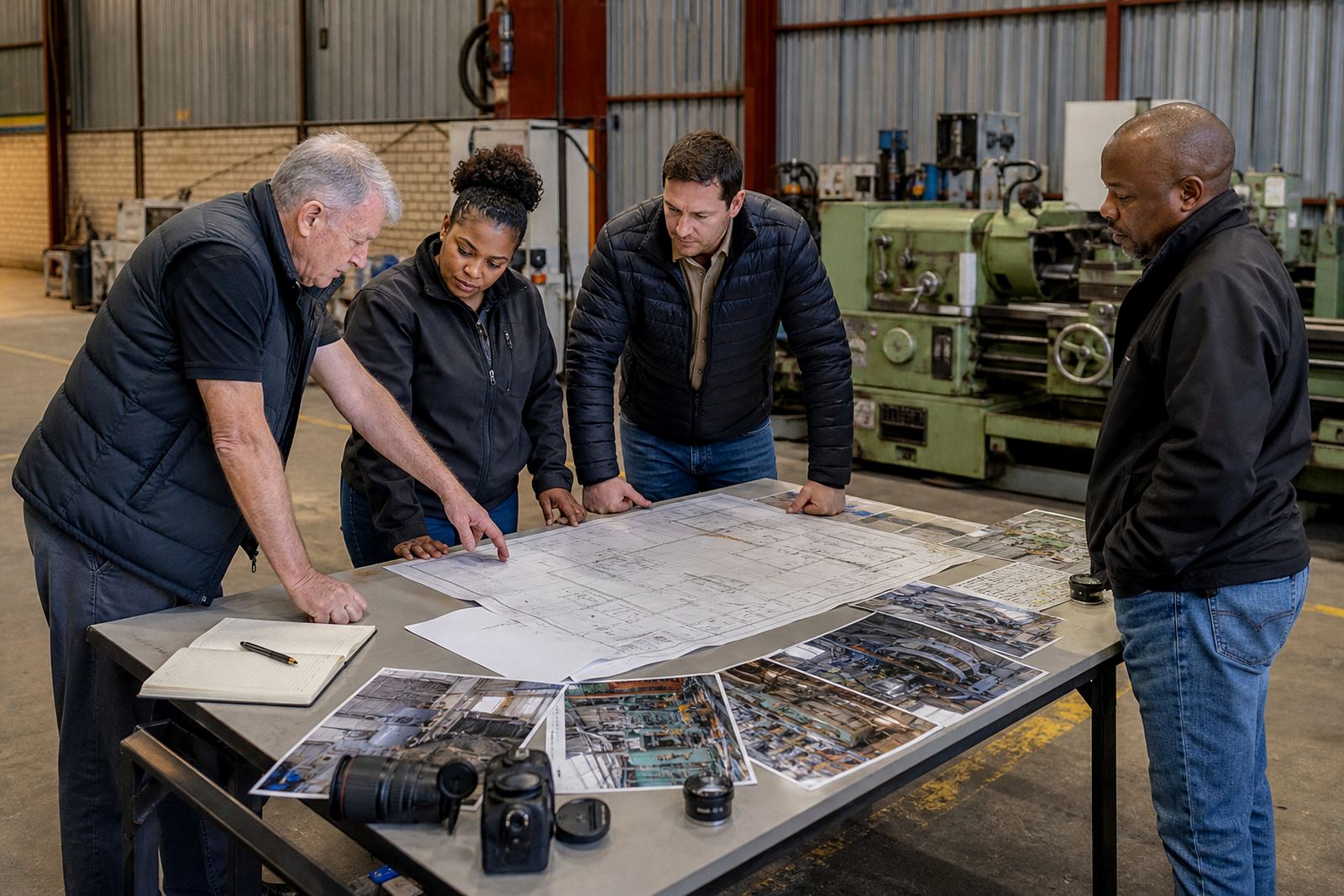
The process starts with the list of assets and the site conditions. We review the available machinery, confirm what can be viewed safely and decide whether the visit should happen in one block or over several periods. Once the viewing schedule is set, buyers are directed to the right day and time, and the site team is briefed on what to expect. The result is a smoother experience for everyone, especially where there are multiple lots or mixed plant and workshop equipment.
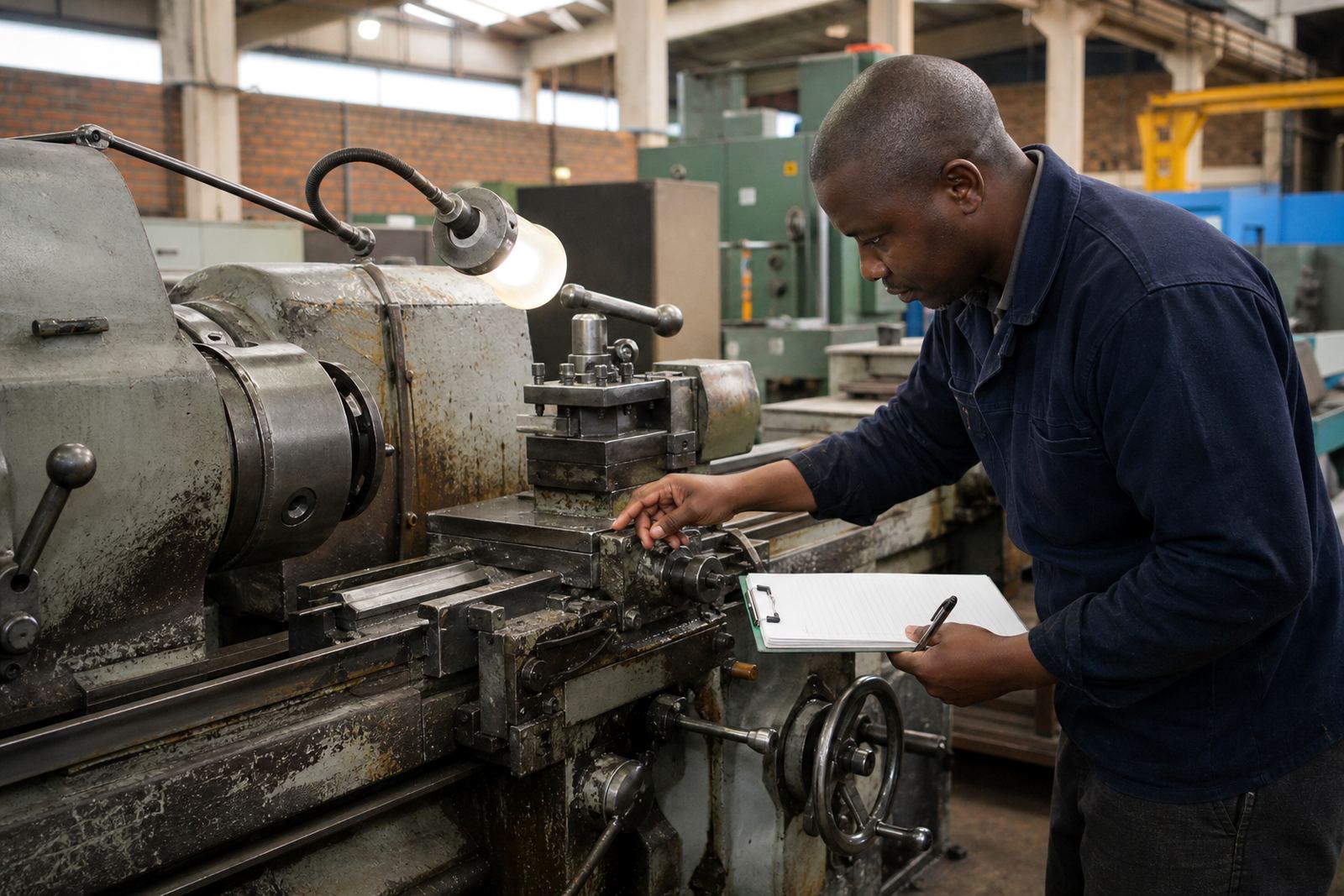
On the day, visitors are guided through the viewing route and given the same lot information. Questions are answered on the spot where the details are available, and any unclear points are noted for follow-up. We do not treat a viewing as a guarantee of operating condition or future performance. It is an inspection opportunity, not a trial run. Buyers should check belts, guards, panels, seals, hydraulics, electrical housings and general wear where access allows. For machines that have been idle, we note visible signs of downtime, dust build-up or corrosion so bidders can make their own judgement.
- Initial asset review and site layout check
- Viewing plan prepared around access and safety
- Buyer slots issued for orderly attendance
- Catalogue and lot checks completed before the visit
- Questions recorded for later clarification if needed
Turnaround times and scheduling intervals
Turnaround depends on the number of machines, the size of the site and how much preparation is needed before buyers can enter. For a smaller schedule, a viewing day can often be arranged soon after the asset list and site details are confirmed. Larger plant or multi-location instructions usually need more lead time, especially where security checks, shift changes or production pauses are involved. We keep the timing practical and avoid rushing people through valuable assets.
For active sites, viewing slots are often set at 15 to 30 minute intervals for small lots, or longer for full plant inspections. When a sale includes many items, we may run more than one viewing session so buyers can return for a closer look at priority lots. That is useful for equipment such as CNC machines, pumps, forklifts, welders, generators and processing lines where inspection time varies by complexity. During summer heat or load-shedding periods, timing may also be adjusted to suit lighting, ventilation and safe movement around the premises.
Maintenance intervals matter too. If a machine has been serviced recently, buyers like to see service dates, filter changes, lubrication points and any replacement history that is available. If it has been standing, we note the likely effects of idle periods on batteries, hoses, seals and bearings. This is not a service report, but it gives buyers a fair sense of what to expect before auction day.
Pricing approach for viewing-day coordination
Viewing day coordination is normally priced according to the amount of work involved. Factors include the number of assets, the size of the site, how much catalogue checking is needed, whether there are multiple viewing windows and the travel required between Kempton Park, Johannesburg, Pretoria, Durban, Cape Town, Gqeberha and surrounding areas. Where a property has special access needs or several production zones, more time may be needed to plan the route and supervise the visit.
We keep the pricing approach straightforward and do not build in unnecessary extras. Buyers are not charged for basic access to the arranged viewing where the seller has opened the site for inspection, but special arrangements can affect the overall coordination cost to the instruction. Because every instruction is different, it is best to confirm scope first and then align the viewing plan with the lotting, auction planning and seller representation already in place. Any valuation we provide remains an opinion of value, not a guarantee of sale price.
What sellers should prepare before buyers arrive
A good viewing day starts with a tidy site. Sellers should remove loose debris, identify any restricted areas and make sure the machines can be reached without unsafe climbing or moving around live plant. If an item is disconnected, blocked in or only partly assembled, that should be made clear before the visit. In many cases, a short pre-viewing check helps avoid confusion and makes the lot look properly represented. That is especially important for buyers travelling from out of town.
- Clear access paths around each machine
- Visible lot tags and matching asset references
- Basic cleaning where safe and practical
- Known faults, missing parts or inactive controls noted in advance
- Keys, manuals or loose accessories kept together where available
- Power isolation and safety controls checked by site staff
For coastal locations, it helps to wipe down exposed metal and check for moisture damage before the appointment. In inland industrial areas, dust and floor residue can hide important details, so a quick clean makes inspection easier. If the premises run on scheduled generator support or face frequent interruptions, we plan the visit around that too so buyers can see lighting and access clearly.
Why orderly viewing helps both sides
Orderly viewing days protect the seller’s operations and give buyers the confidence to inspect properly. When everyone sees the same information, the auction or sale process is easier to manage and there is less room for misunderstanding. This matters whether the asset is a single machine or a full factory clear-out. It also helps after the viewing, because bidders already know which lots suit their workshop, yard space, transport plan or electrical setup.
Machine Africa, based in Kempton Park and led by Siyabonga Mthembu, organises these visits with support from Naledi Khumalo, Pieter van der Merwe, Ayesha Ismail, Thabo Molefe, Johan Botha and Lerato Nkosi. The team handles the practical side of access, catalogues, logistics and buyer coordination so the day runs with less friction. If you need a structured viewing day for used industrial machinery anywhere in South Africa, we can plan it around the site, the lots and the people who need to be there.
Key facts
| Service area | Kempton Park, Johannesburg, Pretoria, Durban, Cape Town, Gqeberha, Germiston and Midrand |
|---|---|
| Typical setup time | Often 1 to 5 working days depending on site size, access and catalogue readiness |
| Viewing slot length | Usually 15 to 30 minutes for smaller lots, longer for complex plant items |
| What buyers inspect | Visible condition, dimensions, power needs, access, fittings, wear and removal considerations |
| Suitable machinery | Workshop machines, generators, compressors, forklifts, presses, pumps and processing equipment |
| Coordination method | Controlled time slots, lot references, site route planning and buyer briefing |