How Reserve Guidance Is Set
Reserve guidance is built from a practical inspection of the machine, the way it has been used, and what buyers are likely to pay in the current market. For industrial equipment this can include presses, pumps, compressors, lathes, generators, woodworking machinery, fabrication equipment and material handling units, whether the item is in Kempton Park, Germiston, Midrand or further afield in Durban or Cape Town.
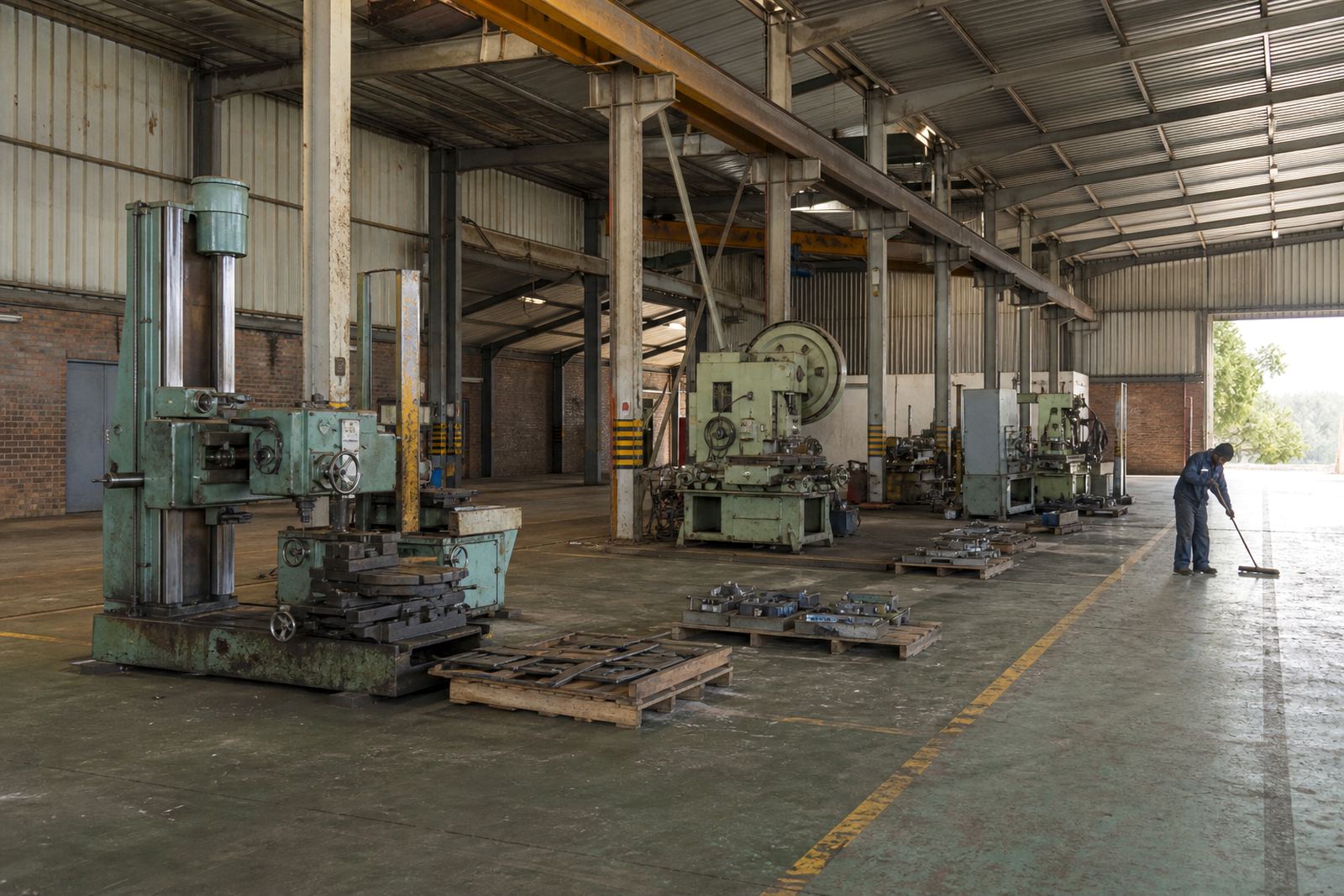
We look at visible wear, service records if available, power requirements, missing guards, hydraulic leaks, electrical condition, control panels, corrosion and whether the unit is complete enough to place confidently into a sale. A reserve that is too high can limit bidding interest, while one set too low can leave money on the table, so the aim is to find a fair middle ground.
- Physical condition and completeness
- Age, hours used and maintenance history
- Market demand for that type of machinery
- Transport, dismantling and removal considerations
What The Service Includes
Reserve guidance can be arranged as part of a wider auction plan or as a standalone advisory step before sale. The process is suitable for single machines, mixed plant, workshop clearances and larger site disposals where several assets need to be assessed in one go.
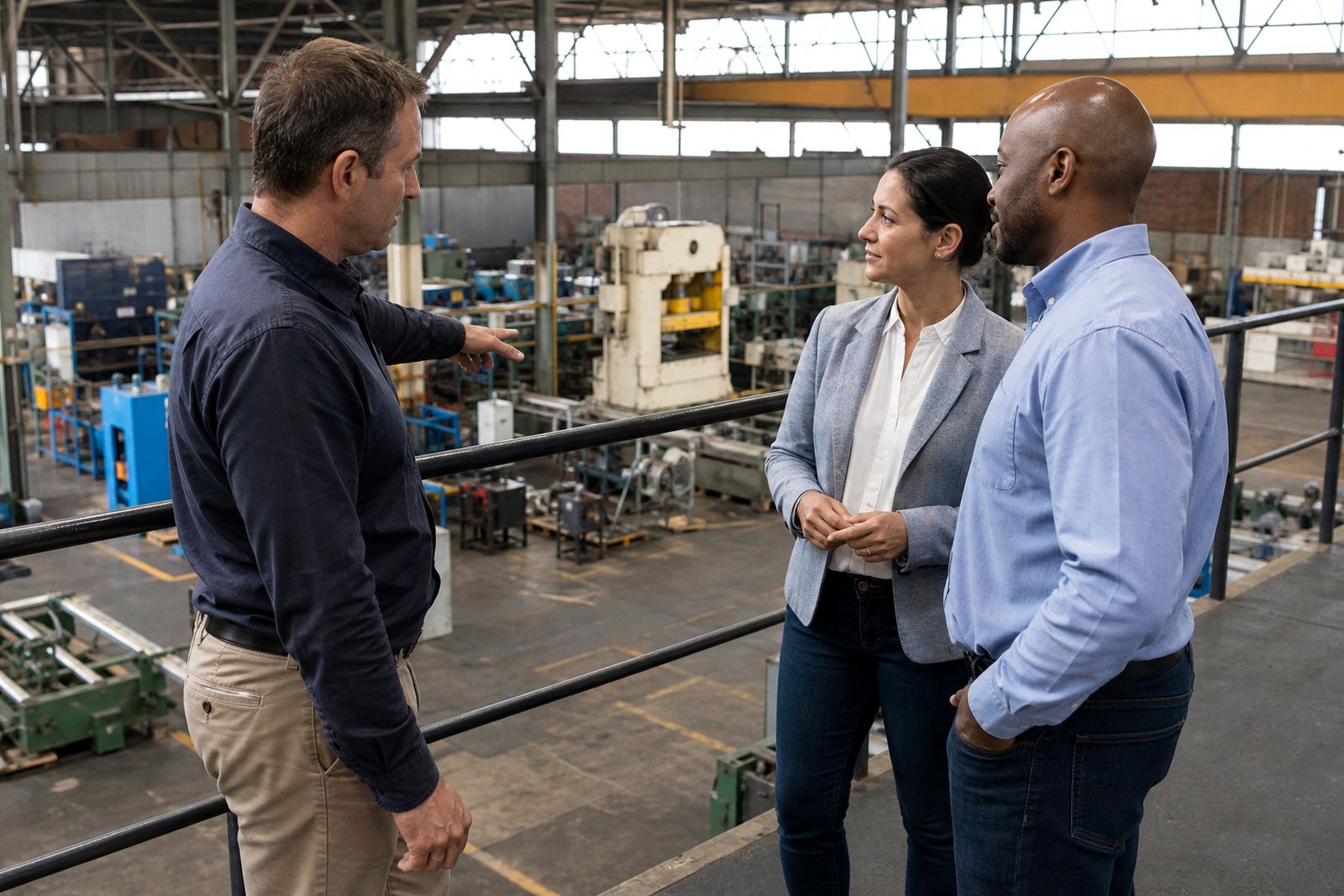
Our team in Kempton Park works with sellers across Johannesburg, Pretoria, Durban, Cape Town and Gqeberha to prepare realistic reserve recommendations. Where needed, we also factor in whether the machine is still installed, needs isolation, or must be lifted out through a loading bay, roller shutter or yard gate. That matters, because the condition of the machine and the ease of collection both influence buyer interest.
- Site walk-through or remote review where suitable
- Condition notes and market positioning
- Suggested reserve range, not a guaranteed sale figure
- Advice on lotting, grouping and sale timing
The Reserve Setting Process
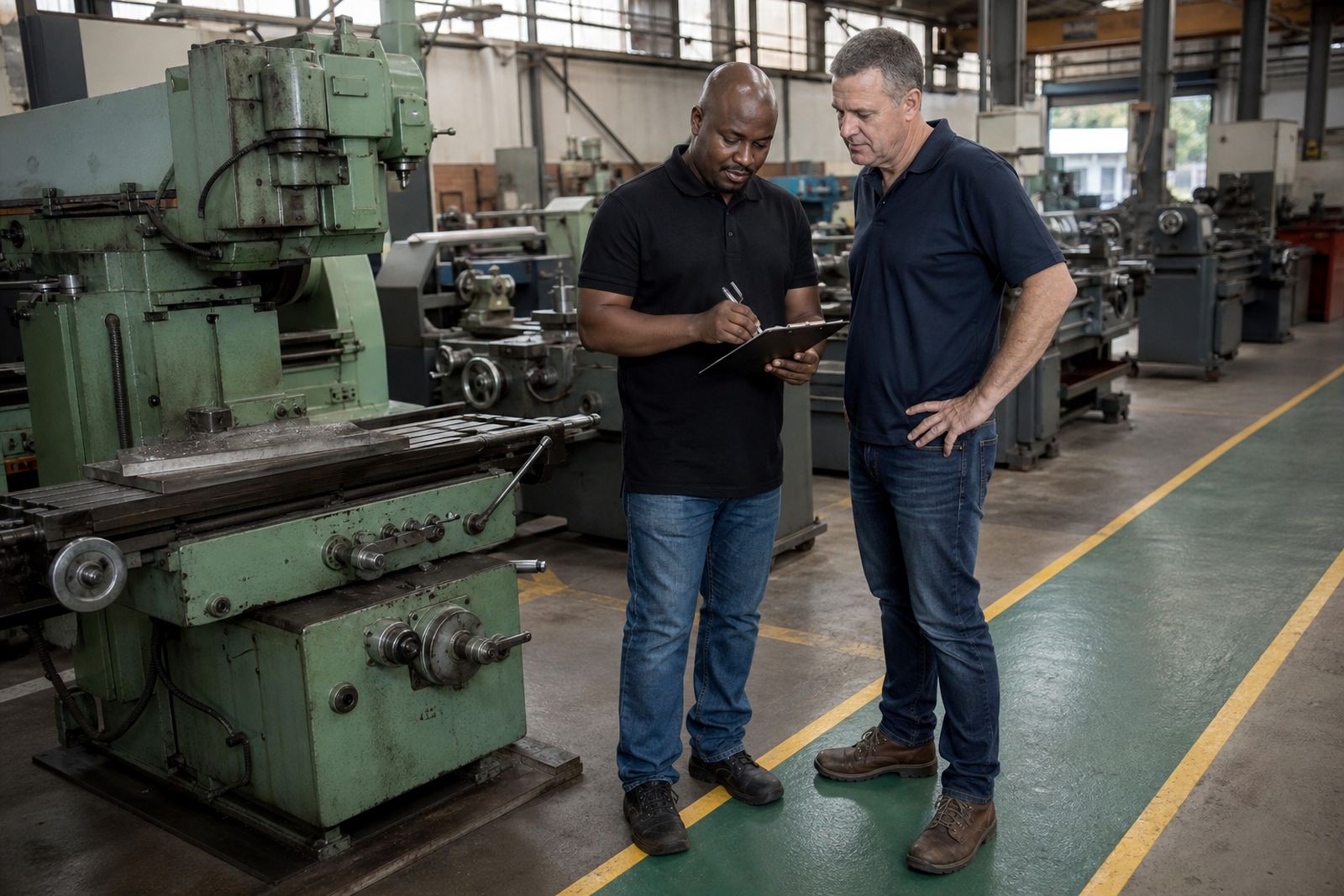
We usually start with basic machine details, then move to an inspection or photo review. From there, the valuer considers the asset class, age and state of repair, plus any risks a buyer would take on. For example, a machine that has stood idle through load-shedding, coastal humidity or poor storage may need a different reserve than a similar unit that has been kept indoors and serviced regularly.
After the review, we discuss a reserve range and the likely auction behaviour of that item. If the market is thin, we may recommend a lower reserve to improve enquiry. If the machine is clean, complete and well known in the trade, a firmer reserve may be suitable. The final decision remains with the seller.
- Gather machine details and photos
- Inspect condition, accessories and site factors
- Assess demand and comparable market context
- Issue reserve guidance for seller approval
Turnaround Time And Working Specs
Turnaround depends on the number of machines, access to the site and whether the equipment is clustered in one place or spread across several bays. A single machine with clear photographs can often be reviewed quickly, while a full plant yard or production line may need more time. For urgent disposals, the aim is to keep the process moving without rushing the assessment.
Typical working details include machine dimensions, weight, power supply, mounting type, serial reference where available and any dismantling limitations. These practical specs help buyers understand the asset and help sellers avoid setting a reserve that ignores handling costs or site constraints. For older units, we also note whether parts are present, whether the control system is complete and whether the machine is ready for inspection on viewing day.
- Single unit review: often 1 to 3 working days
- Mixed lots or full sites: timing agreed case by case
- Clear photo sets speed up the process
- Access to power, keys and gate times can affect turnaround
Pricing Approach Without Guesswork
Reserve guidance is not a promise of sale price and it is not financial advice. It is a practical opinion based on the machine, the market and the sale format. In some cases a reserve is set as a narrow figure, and in others a wider range makes more sense when the asset is specialised or when demand changes quickly.
We do not inflate figures to win instruction, and we do not push reserves so low that the seller loses control of the outcome. The aim is to support a transparent auction process where buyers can bid with confidence and sellers know why a reserve has been suggested. This approach is useful for businesses upgrading equipment, clearing surplus plant or closing out old stock cleanly.
- Based on condition, demand and sale method
- Adjusted for missing parts or poor presentation
- Considers whether the machine is installed or move-ready
- Supports transparent decision-making before listing
Maintenance Checks That Affect Reserve Levels
Recent maintenance can improve buyer confidence, while overdue servicing often reduces it. For many machines, the difference comes down to whether the unit starts, runs under load and shows normal operating behaviour. If there are maintenance records, oil changes, bearing replacements, blade changes or electrical work logged, that information can help support a firmer reserve.
For older equipment, we also pay attention to routine wear items and how often they should be checked. A machine that has been standing for months may need a pre-sale inspection before it is offered, especially if seals have dried out or the electrical system has not been tested. In practical terms, the more complete the information, the more accurate the reserve guidance can be.
- Daily: visual checks for leaks, damage and loose guards
- Monthly: lubrication, belts, filters and fasteners where applicable
- Quarterly: deeper inspection of electrics, hydraulics and wear parts
- Before sale: confirm running condition and any faults needing disclosure
Key facts
| Service area | Kempton Park, Johannesburg, Pretoria, Durban, Cape Town, Gqeberha, Germiston and Midrand |
|---|---|
| Base | Kempton Park |
| Founded | 2008 |
| Turnaround | Often 1 to 3 working days for a single unit, longer for larger sites |
| Format | On-site review, photo review or mixed instruction where suitable |
| Outcome | Reserve guidance range based on market context and machinery condition |