One point of contact for the full sale process
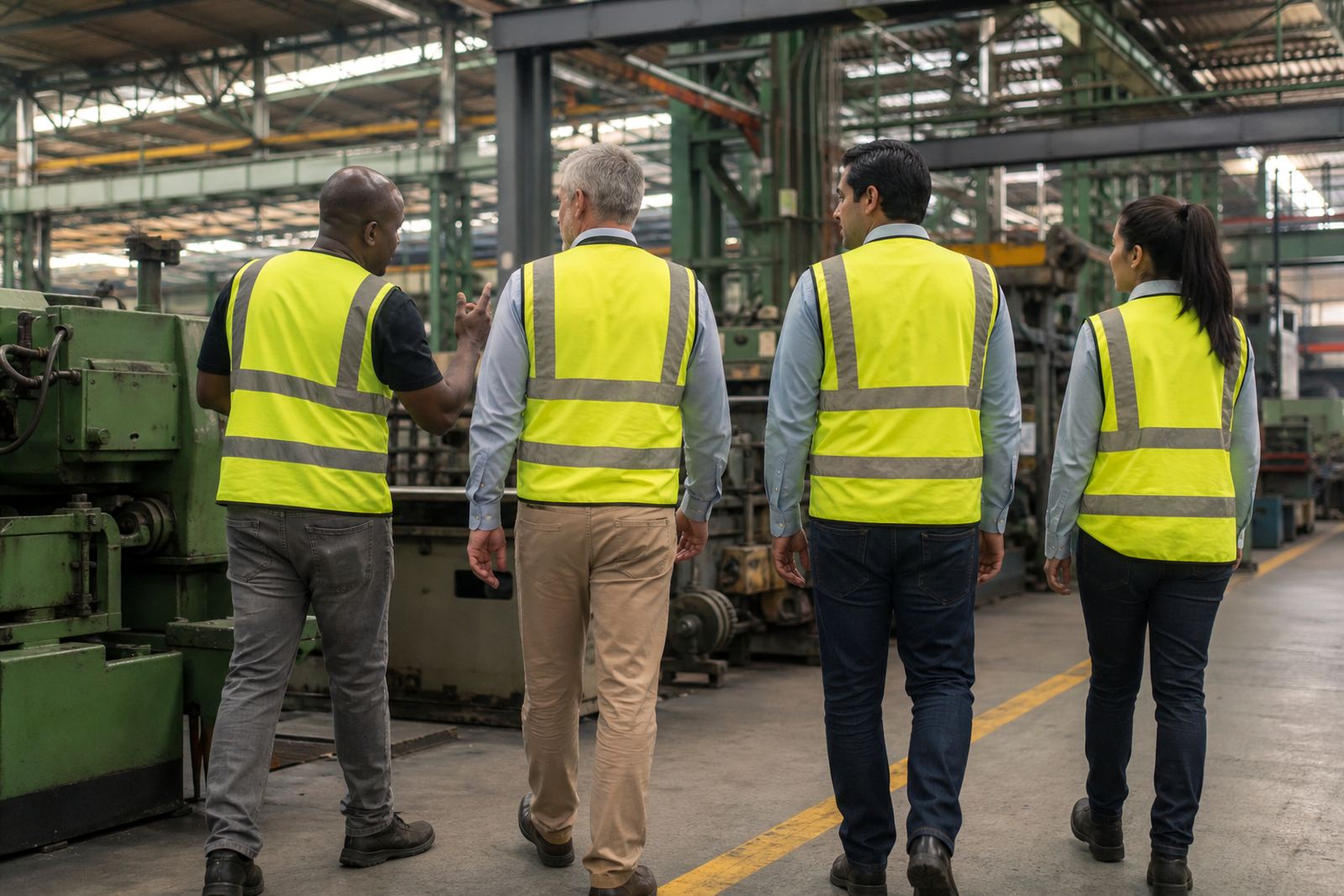
Seller representation is about keeping the sale organised when there are moving parts on site, buyers asking questions, transport to arrange and timelines to manage. We act as the single point of coordination between the seller, valuers, auction team, site staff and prospective buyers. That helps reduce missed messages and keeps the process moving in a practical way.
For industrial assets, especially machinery with motors, drives, hydraulic systems or attached tooling, clarity matters. A good representation process keeps records straight, confirms access arrangements and makes sure information on the asset is presented accurately. We work from Kempton Park and support sellers in Johannesburg, Pretoria, Germiston, Midrand, Durban, Cape Town, Gqeberha and other centres where used plant is sold regularly.
- Communication handled through one agreed contact route
- Scheduling for inspections, photography, viewing days and lotting
- Coordination of auction administration and buyer queries
- Support for clearance sales and closure steps after sale
What seller representation includes
Our role can cover the practical steps needed to present machinery properly and keep the sale on track. We do not promise a sale price, because a valuation is an opinion of value based on market knowledge, condition, age, specification and demand at the time. What we do provide is disciplined administration and clear reporting so the seller can make informed decisions.
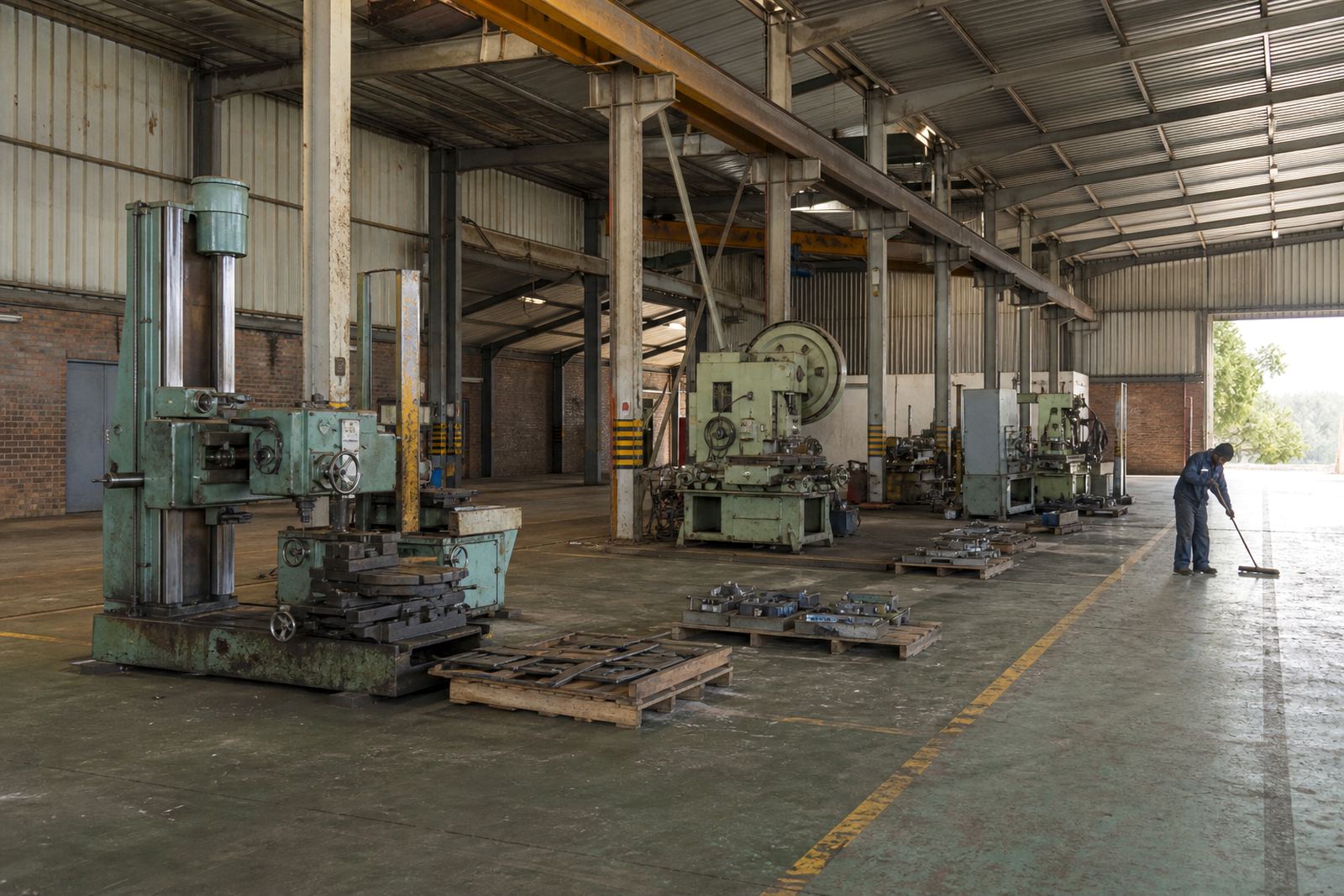
Typical inclusions depend on the asset mix and the site conditions. A fabrication shop with 3 phase equipment will need different handling from a packaging line, a generator set or a forklift fleet. The same applies to coastal locations where corrosion, humidity or salt air may affect the condition notes and buyer interest. Load shedding, access control and municipal site rules can also affect timing and inspection windows.
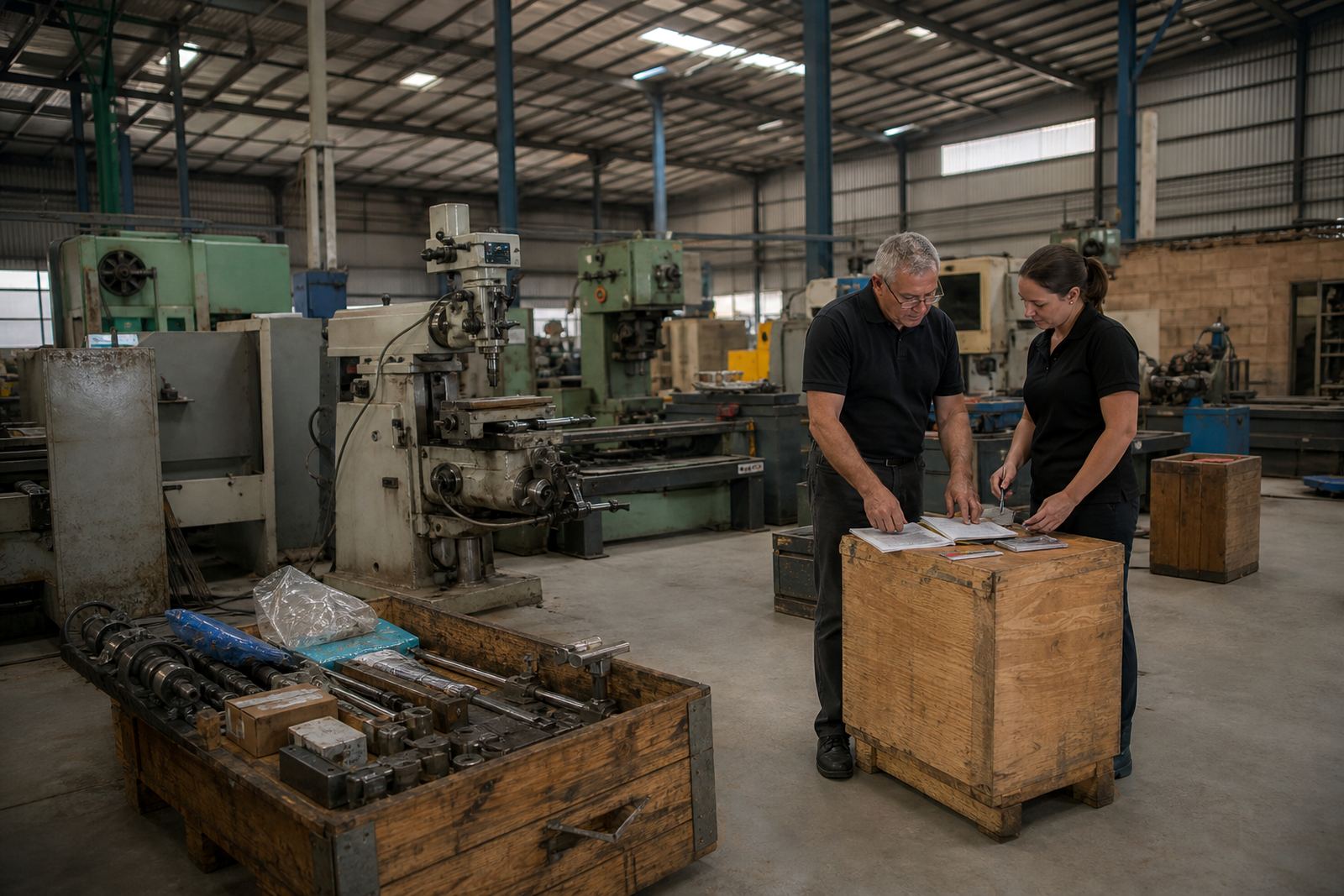
- Review of machine details, serial numbers and visible specification
- Coordination of inspection times and buyer viewing days
- Lotting support for single machines, grouped assets or full plant
- Reserve guidance where appropriate, based on market evidence
- Closure support after the auction or private sale process
How the process is managed from first contact to handover
The first step is a site discussion or asset review, followed by an inspection schedule that suits production and access requirements. We then confirm what will be sold, what must stay on site, and what information is needed for catalogue notes. If plant is still in service, we work around shutdown windows or maintenance breaks where possible.
Once the lotting plan is agreed, the auction administration begins. That can include catalogue preparation, photo listing prep, viewing arrangements and buyer enquiries. During the campaign, updates are shared with the seller on questions raised, condition queries and any changes to access or timing. After sale, we coordinate the next steps needed to close out the transaction and arrange collection support where required.
- Step 1: Site inspection and asset review
- Step 2: Lotting, catalogue notes and photo preparation
- Step 3: Viewing day setup and buyer communication
- Step 4: Auction administration and bid handling process
- Step 5: Sale closure, collection coordination and handover support
Turnaround times and maintenance intervals that affect sale readiness
Turnaround depends on the size of the asset list, site access and how complete the machine records are. A small group of machines may be ready for listing within a short practical window, while a full plant with conveyors, compressors, CNC equipment and forklifts may take longer because each item needs accurate notes and inspection time. Where a seller has tight deadlines, we will prioritise the most saleable items first and phase the rest.
Maintenance history can help buyers assess value and can influence how a machine is grouped or described. Typical intervals might include daily checks on fluid levels and guards, weekly cleaning and visual inspection, monthly service review and scheduled overhauls at the intervals recommended by the equipment maker or plant engineer. We record these details where available, because they help buyers understand the condition and operating history without overstating anything.
- Fast response for initial enquiry and site scheduling
- Listing preparation based on the size and complexity of the lot
- Maintenance records reviewed where the seller can supply them
- Intervals noted for service, calibration and safety checks
Pricing approach and valuation guidance for sellers
Our pricing approach for seller representation is kept practical and transparent. The value of a machine is not fixed by a single number. It depends on condition, specification, age, demand, whether the item is still installed, and how much work is needed to remove it. A valuation is an informed opinion of value, not a guarantee of sale price or a promise that the market will reach that figure.
When a seller asks for reserve guidance, the aim is to balance exposure and realism. Too high a reserve can slow the sale. Too low can leave value on the table. The right range comes from market knowledge, comparable equipment experience and what buyers are currently asking for in South Africa. We do not give tax or financial advice. If documents such as import paperwork, service logs or compliance records are available, they are reviewed as support material, not as a substitute for proper legal or financial advice.
- Opinion of value based on condition and market demand
- Reserve guidance where suitable for the asset class
- Clear discussion of likely buyer interest bands
- No guarantee of sale price or sale timing
Who benefits from seller representation
This service suits companies that need one person to manage the process while operations continue. It is useful for workshops, factories, warehouses, contractors and plant owners who are selling surplus machinery, closing a division, upgrading equipment or clearing a site before lease expiry. It also helps where there are multiple stakeholders and the seller wants communication handled properly.
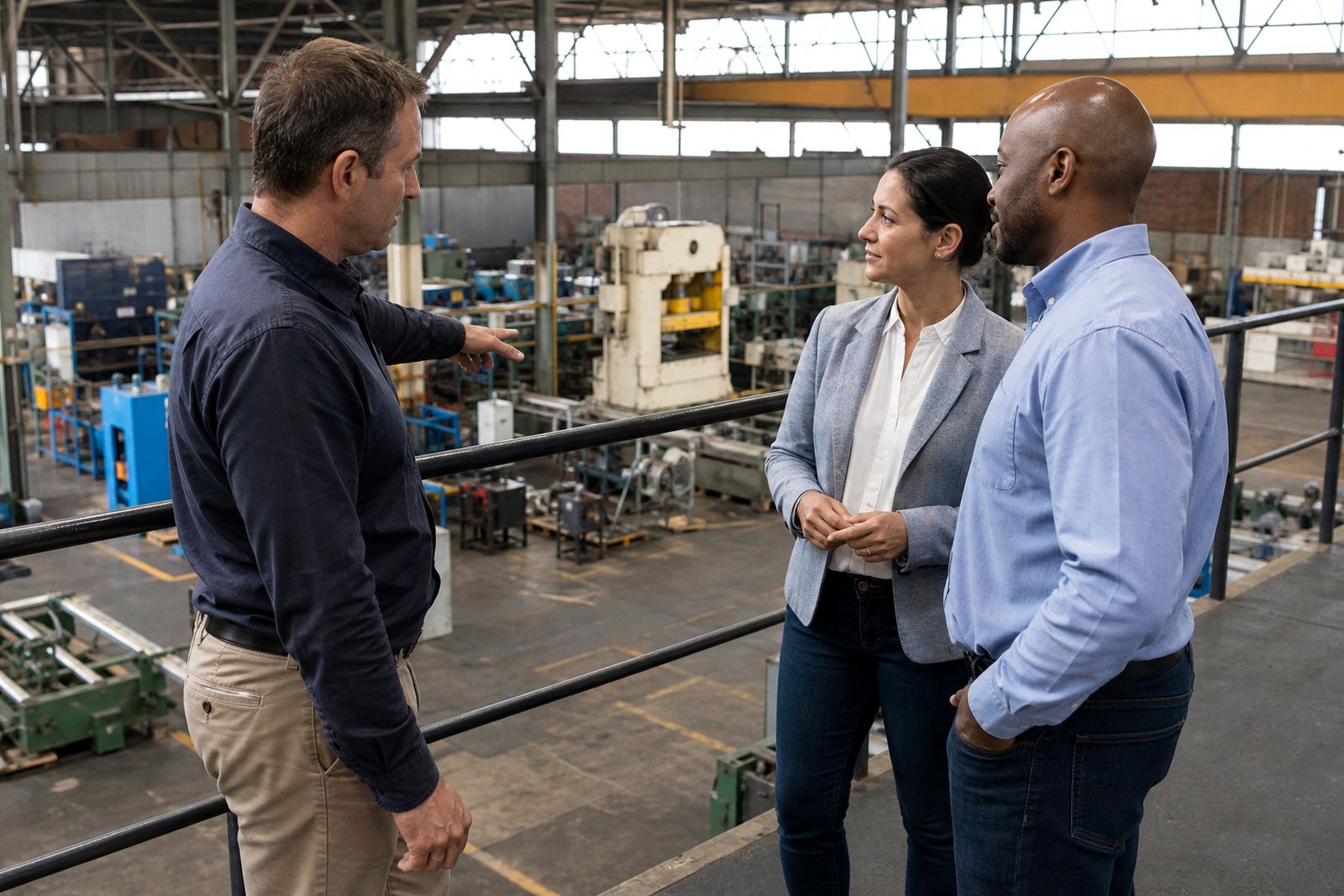
Because machinery sales often involve different departments, good representation reduces confusion. Operations may worry about access and shutdowns, finance may want clear records, and the site team may need collection timing that avoids disruption. A single coordinator keeps these parts aligned and helps ensure the sale is handled in a tidy way. That is especially important where equipment is large, heavy or awkward to move, and where cranes, rigging or transport need to be booked in the right order.
- Ideal for single assets and full plant disposals
- Useful where operations must keep running during the sale
- Suited to buyers and sellers across Gauteng and nationally
- Helpful where collection, clearance and handover need coordination
Key facts
| Founded | 2008 |
|---|---|
| Base | Kempton Park, Gauteng |
| Coverage | Johannesburg, Pretoria, Durban, Cape Town, Gqeberha and surrounding centres |
| Service type | Single point of coordination for communication, scheduling and auction administration |
| Typical review interval | Daily checks during active sale periods, with weekly progress updates where needed |
| Asset types | Used industrial machinery, plant, tools, equipment and supporting site assets |