Clearance Sales for Factory and Warehouse Disposals
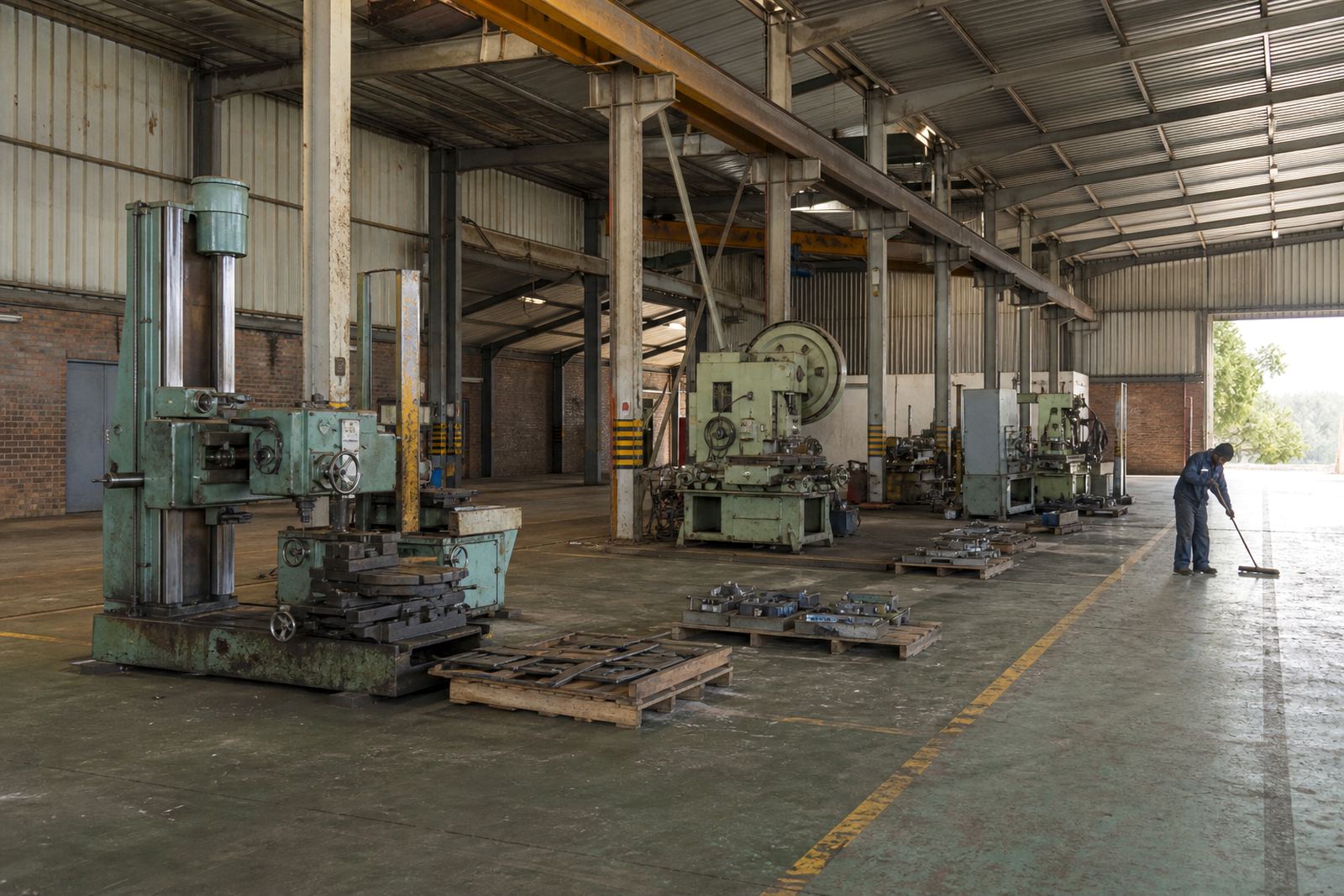
Clearance sales are used when a site must be cleared in stages or in one coordinated exercise. That can include a single production line, surplus assets after an upgrade, redundant workshop equipment, or a full premises clear-out at closure, relocation or lease expiry. Our work starts with a site visit and a practical review of what can be sold, what needs to be removed first and which items should be grouped together for the best buyer interest.
In Gauteng, KwaZulu-Natal, the Western Cape and the Eastern Cape, clearance work often comes with access limits, loading bay rules, municipal waste requirements and tight deadlines. We take those factors into account so the site can be emptied with less disruption. The aim is simple: reduce clutter, keep the process orderly and improve the chance of achieving a fair market outcome for usable assets.
- Partial clearances for selected assets only
- Full site clearances for machinery, tools and support equipment
- Clearance sales after relocation, downsizing or business closure
- Support for working plant, idle plant and older secondary equipment
What We Include In A Clearance Sale Plan
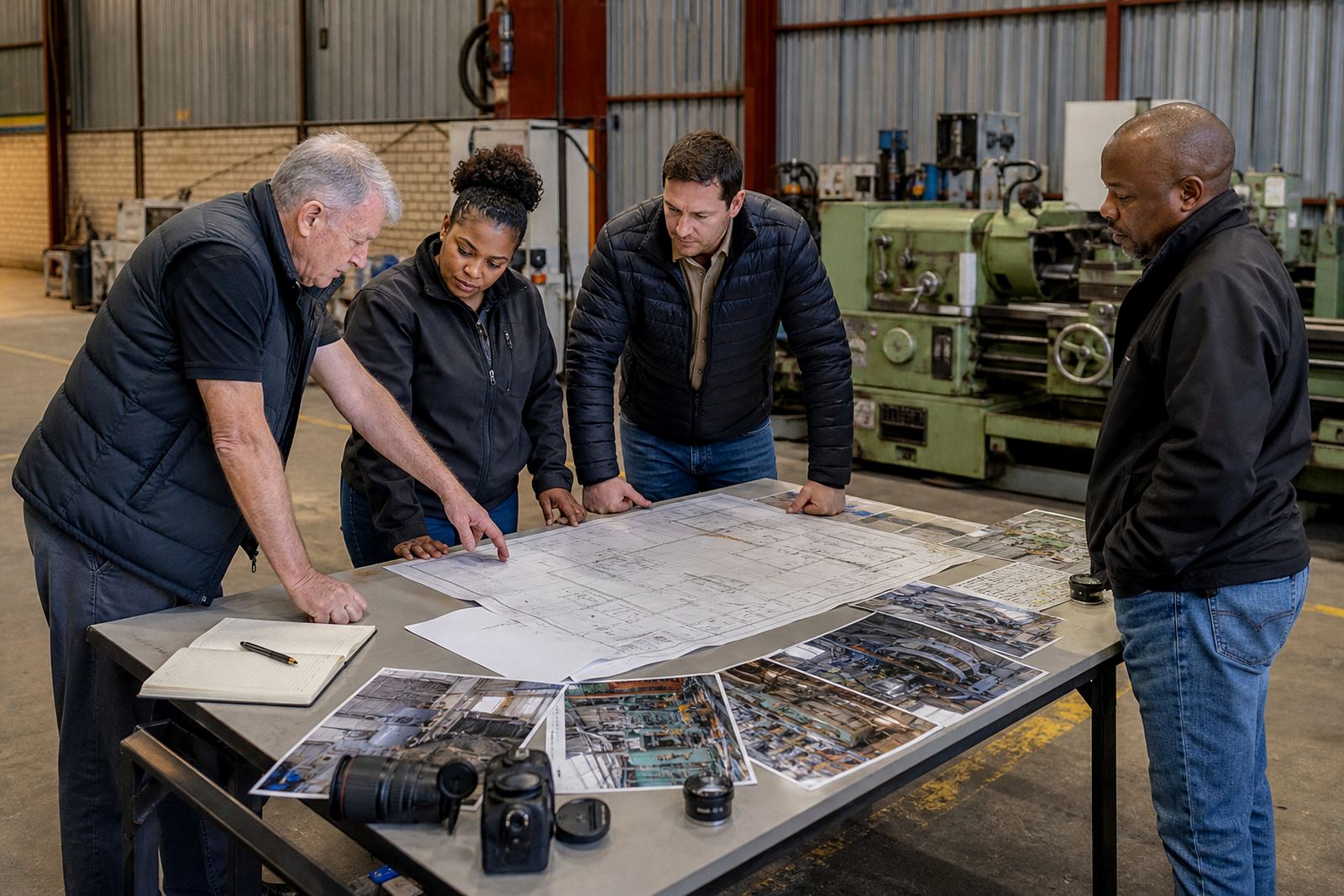
A proper clearance sale needs more than a quick removal list. We prepare a plan that sets out what is being sold, how items will be grouped, where they are located on site and what condition each item is in. Where possible, we arrange basic asset inspections so buyers can see the machine type, apparent condition, power requirements and any visible wear. If a machine is not tested, that is stated clearly.
Our clearance support can include lotting and cataloguing, viewing day arrangements, photo listing prep, reserve guidance where suitable and seller representation during buyer enquiries. We also assist with collection coordination and closure support so the final handover is controlled and the seller is not left managing loose ends alone. A clear schedule matters, especially where forklifts, overhead lifting points, three phase supply or restricted access are involved.
- Asset grouping by machine type, size or production area
- Lotting of individual items or bundled lots
- Condition notes, serial references where visible and photo records
- Collection planning for heavy or awkward equipment
How The Clearance Process Runs From First Visit To Handover
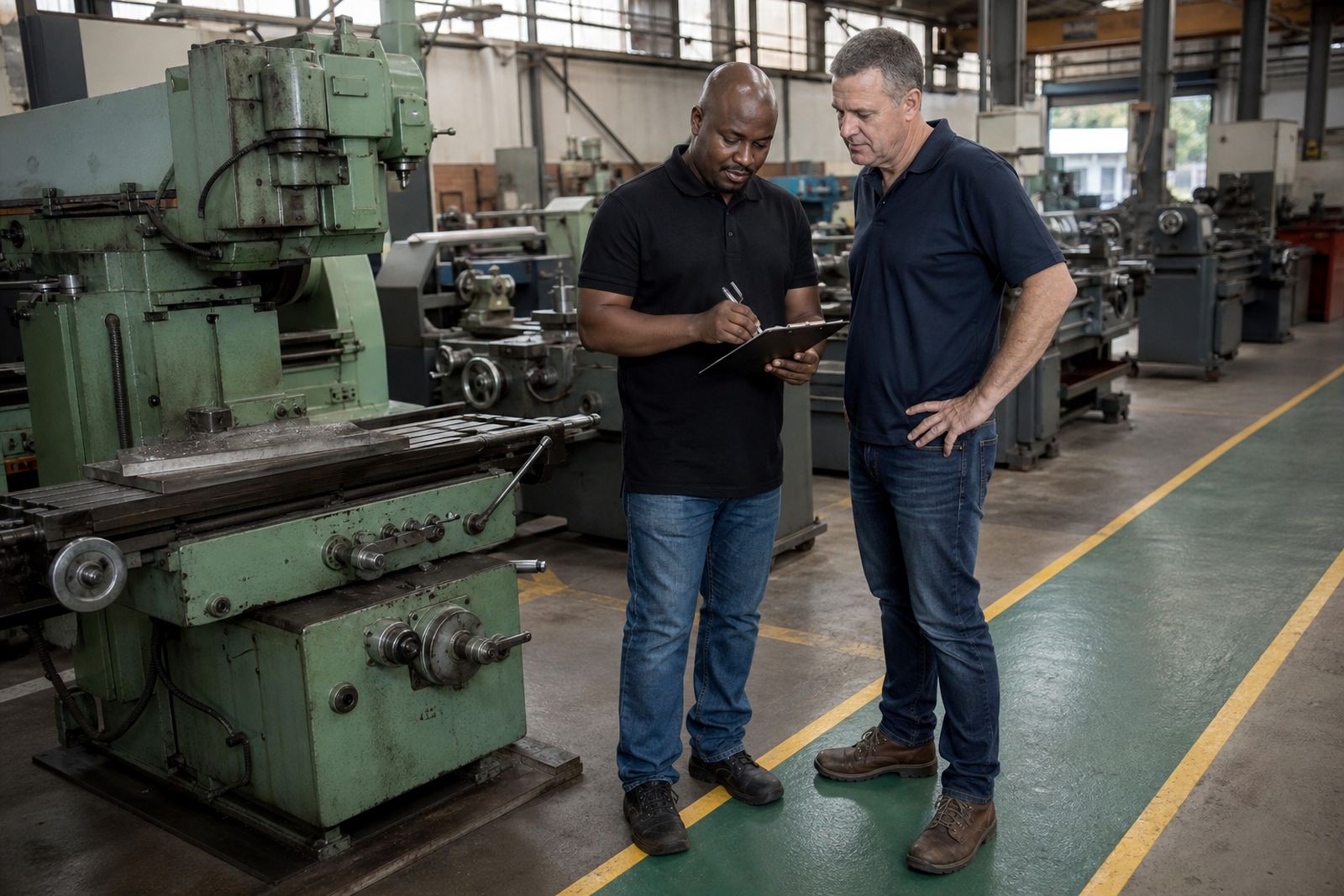
We begin with a site inspection in Kempton Park, Johannesburg, Pretoria, Midrand, Germiston, Durban, Cape Town or Gqeberha, depending on where the assets are located. The first step is to identify the machinery, confirm access, and understand the timing needs of the seller. From there, we map out the items that should be included in the clearance and those that must remain in place until later. This helps avoid confusion when production is still running or when staff are wrapping up operations.
Next comes the listing stage. Machines are described in plain terms, with sizes, visible condition, power type and handling notes where relevant. Viewing days are arranged where needed, and interested buyers are guided through the process. Once an outcome is agreed, the collection timeline is coordinated with the site contact so removal can take place safely and with minimum interruption. In some cases, a clearance can be organised over a few days; larger or more complex sites may take longer, especially if dismantling or staged removal is required.
We keep the process practical. If a site has load shedding concerns, we plan around power availability for testing and safe movement. If coastal humidity has affected equipment in Durban or Gqeberha, that is noted because it can influence condition and buyer interest.
Pricing Approach And What A Valuation Really Means
Clearance sales are often guided by valuation work, but a valuation is an opinion of value, not a guarantee of sale price. It reflects the asset’s apparent condition, demand, age, specification and how quickly the owner needs to clear the site. Where a faster disposal is required, the pricing approach may differ from a slower sale with more viewing time. If machinery has been idle, stored outdoors or affected by poor maintenance, that will influence the view of value.
We do not promise outcomes that cannot be controlled. Instead, we help the seller understand the market position of each item and the likely buyer audience. For some assets, a grouped lot can be more practical than item by item disposal. For others, individual listing gives better clarity. The right choice depends on the mix of machinery, the site condition and the time available for clearance. No financial or tax advice is provided, only practical auction and disposal guidance.
- Value opinions based on visible condition and market demand
- Reserve guidance only where appropriate to the disposal plan
- Options for single items, mixed lots or full site clearance
- Clear explanation of what is included and what is excluded
Turnaround Times, Maintenance Checks And Site Readiness
Turnaround depends on the size of the site, the number of lots and whether machines need to be photographed, tested or moved before listing. Smaller clearances can move quickly once the inventory is confirmed, while full factory disposals need more coordination. For sites in tight industrial parks or where shared access is involved, extra time may be needed for loading plans and vehicle control.
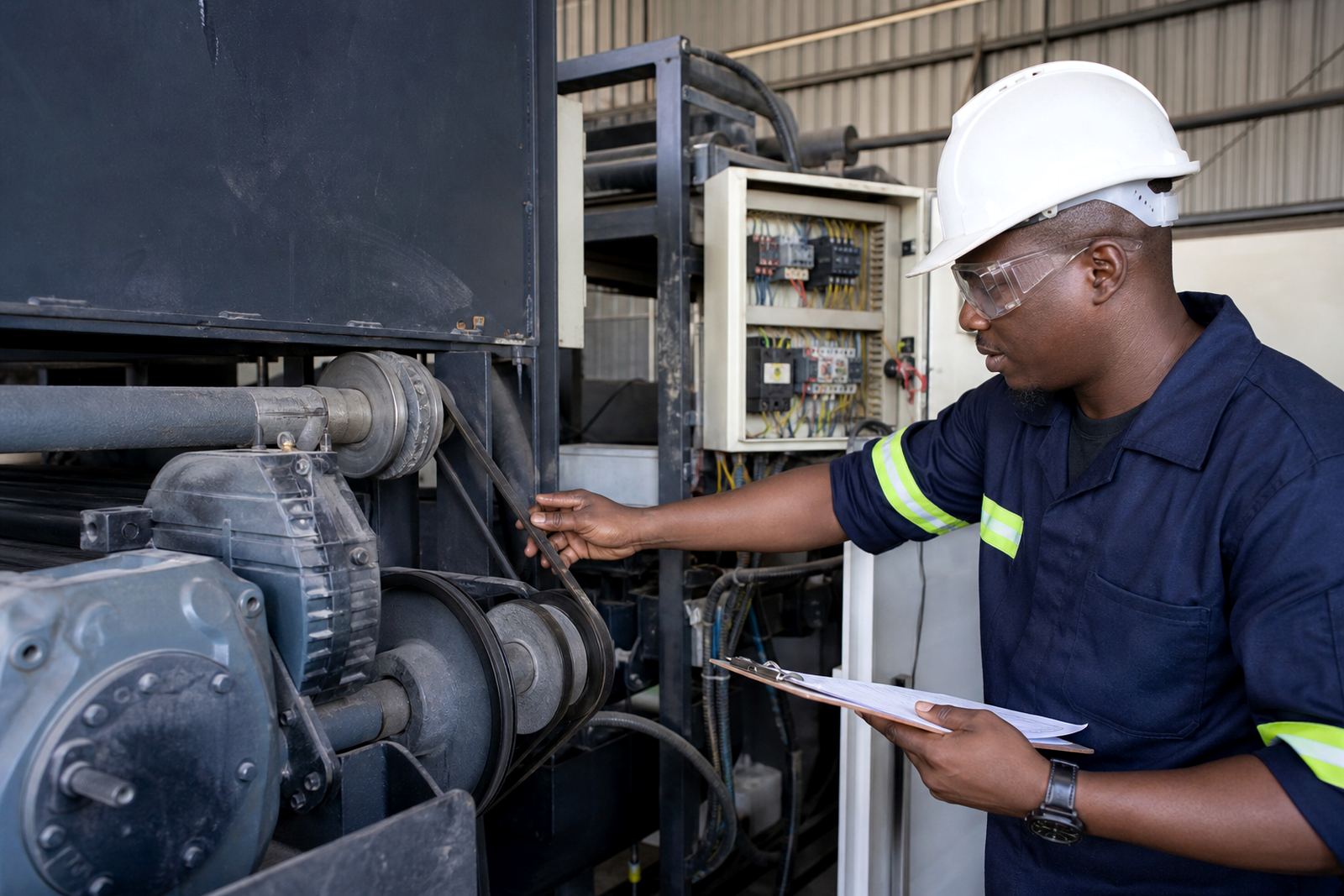
Before a sale, basic maintenance checks help present machinery properly. That may include cleaning debris, checking guarding, confirming obvious leaks, verifying that switches and panels are intact and recording whether the unit is operational or sold as seen. For stored equipment, we recommend sensible intervals for inspection while it remains on site, especially in humid or dusty conditions. A monthly visual check is useful for idle stock, while equipment left outdoors should be reviewed more often for rust, water ingress and tyre or belt condition where relevant. If a machine is not in active use, it should still be kept dry and accessible for inspection.
Clearance work often benefits from organised labels, cleared walkways and ready lift access. That simple preparation can save time and reduce the chance of damage during removal.
Why Sellers And Buyers Use Machine Africa For Clearances
Founded in 2008 and led by MD Siyabonga Mthembu, Machine Africa works with a practical team that understands industrial sites and the pressure that comes with moving assets out quickly. Naledi Khumalo manages auctions, Pieter van der Merwe handles senior valuations, Ayesha Ismail leads client relations, Thabo Molefe coordinates operations, Johan Botha supervises site logistics and Lerato Nkosi handles catalogue and media preparation. That means the seller deals with one organised process rather than multiple disconnected contacts.
Buyers also benefit because the listings are clearer and the site information is more useful. Machines are presented with the details a working buyer needs, including location, visible condition and any practical notes about transport or access. For sellers, that transparency supports a smoother clearance and better control over the final handover. If you need a partial or full machinery disposal from a Kempton Park base, we can guide the process from first inspection to final collection.
- Used industrial machinery clearances across South Africa
- Practical support for sellers, buyers and site managers
- Suitable for factories, workshops, warehouses and depots
- Local knowledge for Gauteng, coastal sites and inland operations
Key facts
| Base | Kempton Park, Gauteng |
|---|---|
| Service area | Johannesburg, Pretoria, Durban, Cape Town, Gqeberha, Germiston and Midrand |
| Typical work | Partial or full industrial machinery clearance sales |
| Site options | On-site inspection, viewing days, collection coordination |
| Asset types | Production machinery, workshop equipment, support plant and related items |
| Turnaround | Depends on site size, listing volume and collection access |