What Lotting and Cataloguing Covers
Lotting and cataloguing is the work that turns a yard full of machinery into a clear sale schedule. Each item is grouped into a sensible lot, described in plain language, and supported with photographs that show the condition, make-up and key identifiers. For sellers, this reduces confusion and helps buyers understand exactly what is on offer before they arrive on site or register for an auction.
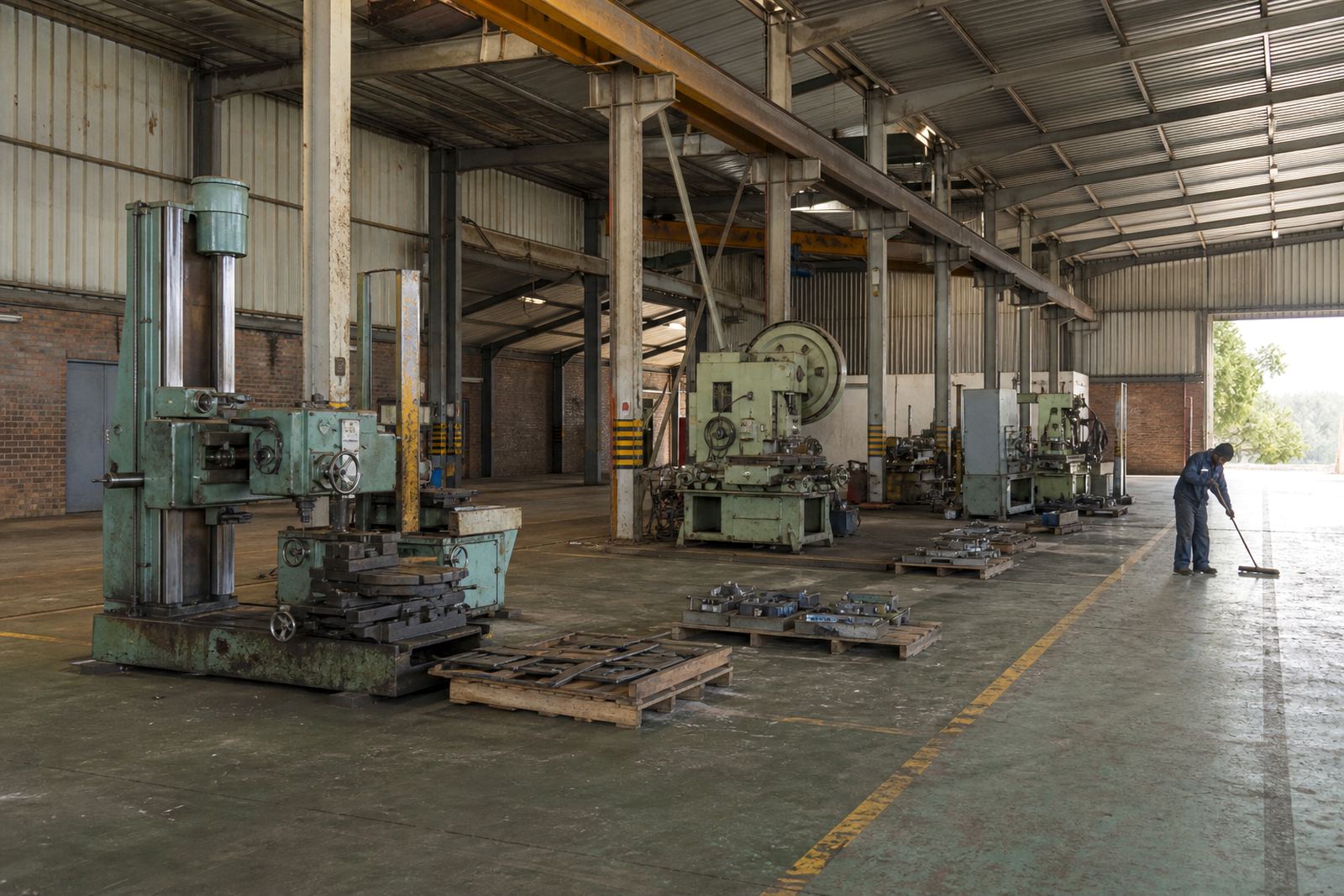
We handle machinery in Kempton Park and across Johannesburg, Pretoria, Durban, Cape Town and Gqeberha, including factory equipment, production lines, compressors, pumps, generators, forklifts, fabrication tools and workshop plant. Where equipment is part of a larger system, we can catalogue it as a full lot, a grouped lot, or as separate items depending on how it will be viewed and sold. That choice matters, because a machine with its feeder, control panel and safety guards may suit one buyer better as a complete unit, while other assets may perform better when split. It is not just admin, it is sale structure.
How We Build Clear Lots
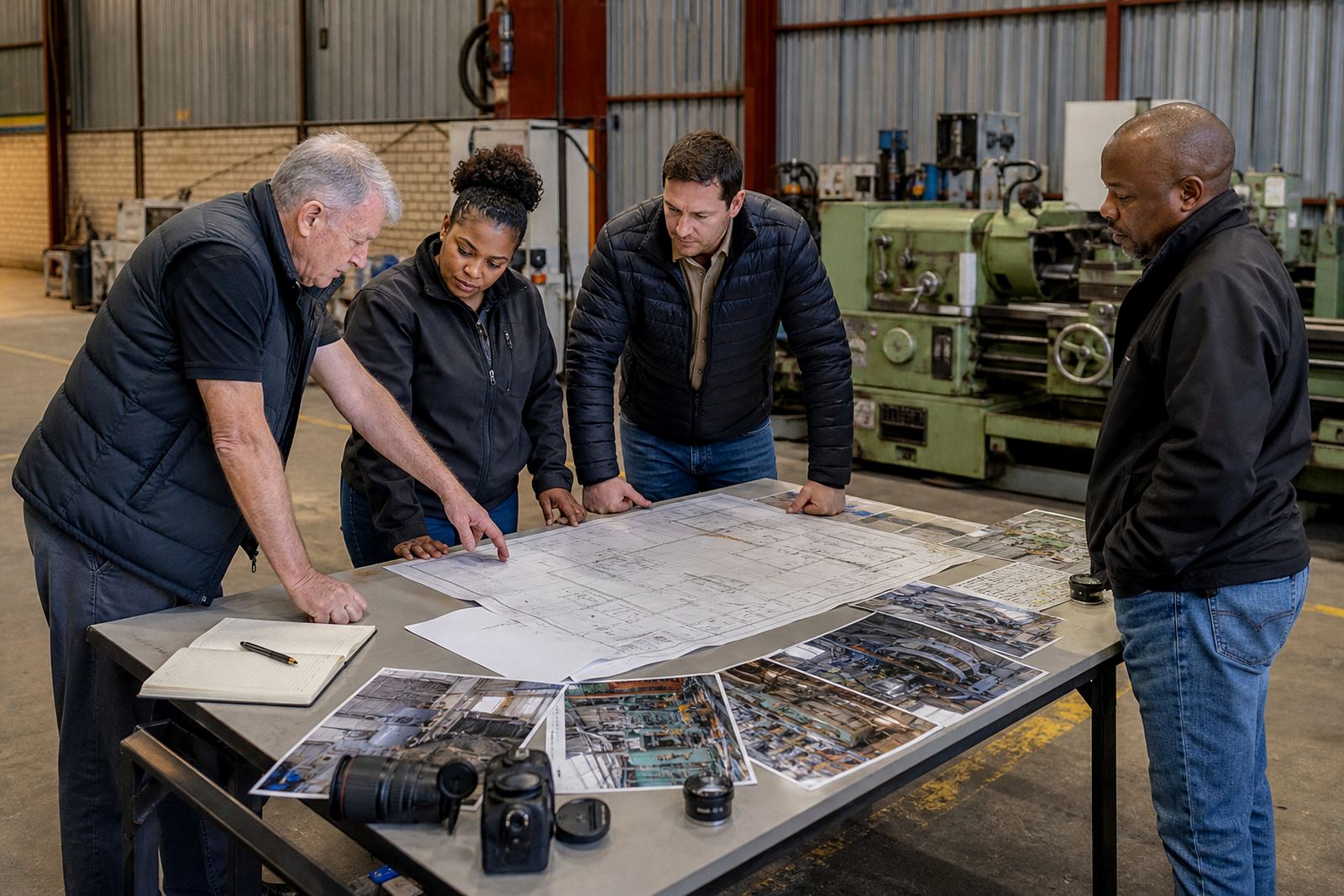
We start by walking the site, checking the asset mix and sorting items by function, size, condition and likely buyer type. This is followed by a practical lotting plan that groups similar machinery together and separates items that need individual attention. For example, a lathe with accessories may be listed as one lot if the accessories are essential, while loose tooling and spares may be listed separately. That approach makes the sale easier to read and also helps avoid overloading a single lot with too much mixed equipment.
- Identify each machine, sub assembly and loose accessory
- Assign lot numbers in a logical order for the sale list
- Capture serial plates, motor details, dimensions and power supply where available
- Note visible condition, missing parts, damage and basic functionality
- Group similar items for buyer clarity and viewing day flow
We keep the wording simple and factual. That means no guesswork, no inflated claims and no vague descriptions. If a machine is ex-stock, incomplete, damaged, stationary or untested, that is stated plainly. Buyers value that kind of detail because it helps them decide whether the machine suits their workshop, plant or load-shedding backup needs.
Descriptions, Specs and Photo Listing Prep
Every catalogue entry should answer the practical questions first. What is it, how big is it, what does it run on and what is included with it. We prepare plain-language descriptions that cover the essentials in a way that works for viewing days, auction catalogues and sale notices. This is especially useful for industrial buyers comparing machines across Gauteng, KZN and the Western Cape, where they may be shortlisting several lots in one day.
The spec work normally includes measurements in metres or millimetres, approximate mass where available, electrical requirements, drive type, year or model marking if visible, and whether the unit is fixed or mobile. Photographs are taken to show the whole machine, the nameplate, control points, wear areas and any extra components. If access is tight or the area is dusty, we still aim for clean, readable images that show what a buyer needs to see. In humid coastal areas like Durban and Gqeberha we also pay attention to corrosion points and rust spots, because those details matter when a buyer is planning transport, recommissioning or storage.
- Clear title with machine type and lot number
- Short description in plain South African English
- Visible condition notes and included accessories
- Dimensions, power supply and other measurable specs
- Photo set for catalogue and viewing use
Auction-Ready Process From Site to Catalogue
Once the lotting plan is agreed, we move through the catalogue preparation in a set order. First comes verification on site, then photography, then description drafting and final review. This keeps the catalogue consistent and helps avoid duplicated items or missed assets. It also gives the seller a clear record of what is included before the viewing day starts.
For plant appraisals and clearance sales, timing can be tight. Some sites need a quick turnaround because production has stopped, a lease is ending or the premises must be cleared for handover. In those cases we prioritise the assets that are most saleable and most likely to draw interest, then work through the balance of the site in a practical sequence. If a lot needs to be held back for reserve guidance or seller representation, we flag that early so the catalogue matches the sale plan. Good coordination matters when machines are standing idle and the clock is already running.
- Site walk-through and asset confirmation
- Lotting structure agreed with the seller
- Images captured and file names matched to lot numbers
- Descriptions checked for consistency and spelling
- Final catalogue prepared for viewing and auction use
Turnaround, Updates and Catalogue Maintenance
Turnaround depends on the size of the site, the number of machines and the amount of detail needed. A small workshop with a limited number of lots can often be turned around quickly, while a full factory floor with linked production equipment takes longer because each item needs to be checked against the others. We will always work to an agreed schedule and keep the catalogue moving in a sensible order.
Where a sale runs over several days or viewing periods, catalogue maintenance may be needed. That can include correcting an asset description, adding a missing photograph, updating a lot note after an inspection, or marking a withdrawn item. For longer processes, a quick review every few days is useful so the catalogue remains accurate and buyers are not led astray. It is better to make a small fix early than deal with a complaint later. That applies whether the site is in Midrand, Germiston or farther afield.
Maintenance intervals are set by the pace of the sale. Fast-moving clearance work may need daily checks, while a planned auction may only need review before publication and again before the viewing day. We keep the process practical, not overcomplicated.
Pricing Approach and What Influences the Work
Lotting and cataloguing is priced according to the size of the site, the number of assets, the complexity of the machinery and the level of detail required. A site with many similar items is simpler to organise than one with custom production lines, heavy fabrication plant or mixed storage areas. Access also plays a part, because narrow aisles, multi level yards, noisy plant rooms and restricted shutdown windows take more time to work through safely.
We do not give personal financial or tax advice, and a catalogue is not a guarantee of sale price. The purpose is to present assets clearly so buyers can assess them fairly and sellers can put the right structure in place for the market. Valuations remain opinions of value, not promises, and the final result depends on the item, timing, condition and buyer interest on the day. Sellers often ask for a quick number, but a proper lot schedule and accurate catalogue usually give better control than rushing the process.
If you need lotting and cataloguing for a sale in Gauteng or anywhere else in South Africa, we can step in at the point where the site needs order, clarity and a practical auction plan.
What You Receive at the End
When the lotting and cataloguing work is complete, you receive a structured asset list that is ready for auction use, viewing day reference and internal records. The goal is to leave no confusion about what is being sold, how it is grouped and what buyers should expect to inspect. That saves time at the gate, on the shop floor and during post sale queries.
- Organised lot schedule with clear numbering
- Plain-language descriptions for each machine or group
- Photographs linked to the correct lots
- Key dimensions and equipment details where available
- Notes on condition, missing parts and special handling points
- Catalogue support for sellers, buyers and auction staff
Our base in Kempton Park gives us easy reach into Johannesburg, Pretoria and the wider Gauteng corridor, and we also support sites in Durban, Cape Town and Gqeberha when needed. Clients reach us through the enquiry form on our contact page, and we take it from there with a proper site plan and a clear catalogue structure.
Key facts
| Service area | Kempton Park, Johannesburg, Pretoria, Durban, Cape Town, Gqeberha and surrounding industrial areas |
|---|---|
| Asset types | Used industrial machinery, plant, workshop equipment, production lines and related accessories |
| Typical output | Lot schedule, plain-language descriptions, image set and key specifications |
| Useful measurements | Dimensions in millimetres or metres, weight where available, power supply and footprint |
| Turnaround | Depends on site size, access and asset count, from small workshops to full plant clearances |
| Catalogue upkeep | Review before publication, before viewing day and during the sale period if items change |