What Collection Coordination Covers
After a sale, the work does not end when the hammer falls. Collection coordination is the structured planning that helps a buyer, seller and site team move equipment out safely and in an orderly sequence. For used industrial machinery, that can mean confirming access routes, setting collection dates, lining up the right lifting equipment, and checking what must happen before a machine can be disconnected or removed.
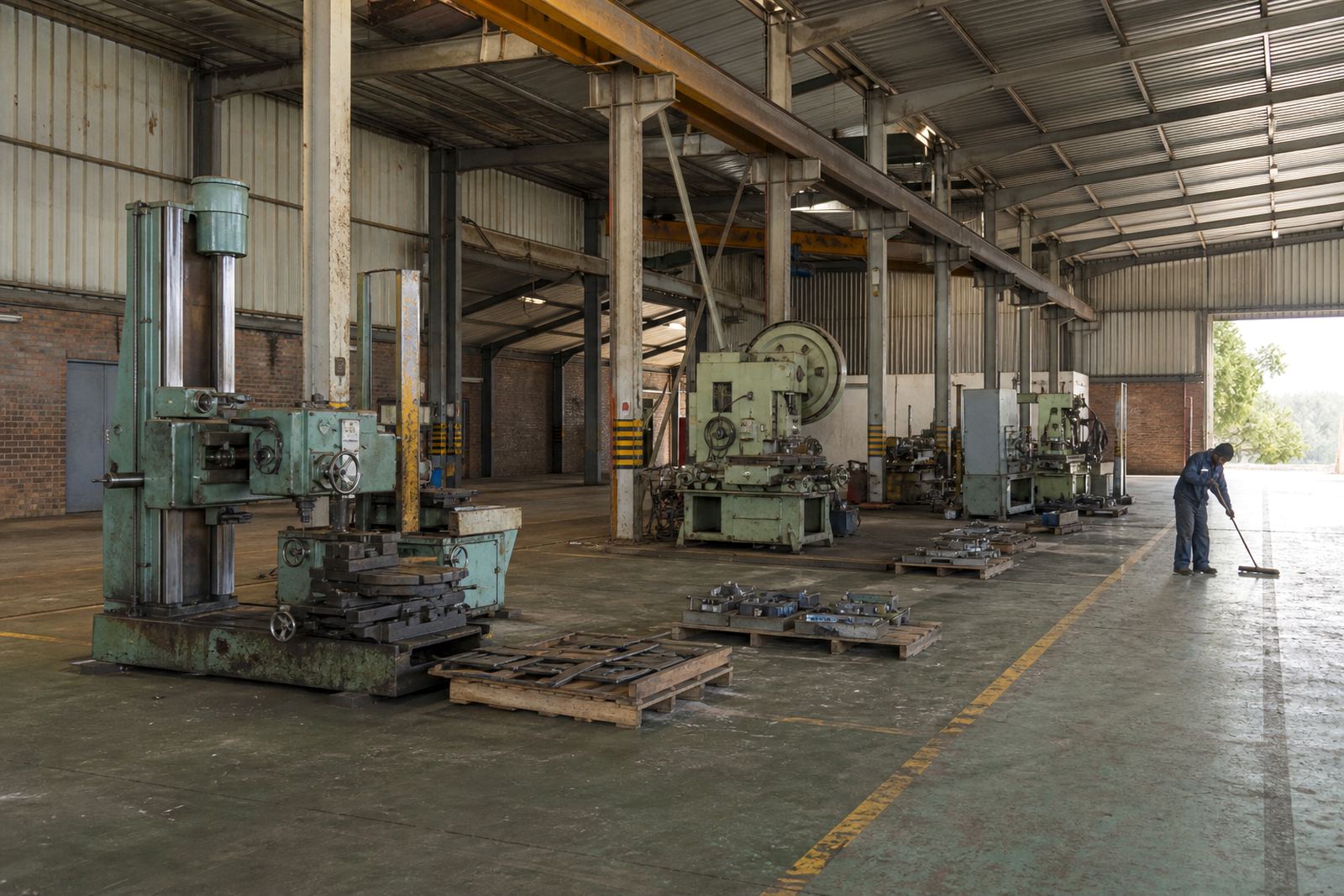
We work with machinery in factories, workshops, warehouses, plant rooms and storage yards. That includes single machines as well as grouped assets that need to leave site in a set sequence. In many cases the biggest issue is not the weight alone, but tight aisles, low beams, uneven floors, pallet jack access, loading bay height and whether the machine sits near live production lines. A good plan reduces delays and makes the removal safer for everyone involved.
- Pre-removal site review and access planning
- Collection date coordination with buyer and seller
- Load sequence planning for multiple items
- Handover checks and removal confirmation
How We Plan A Safe Removal
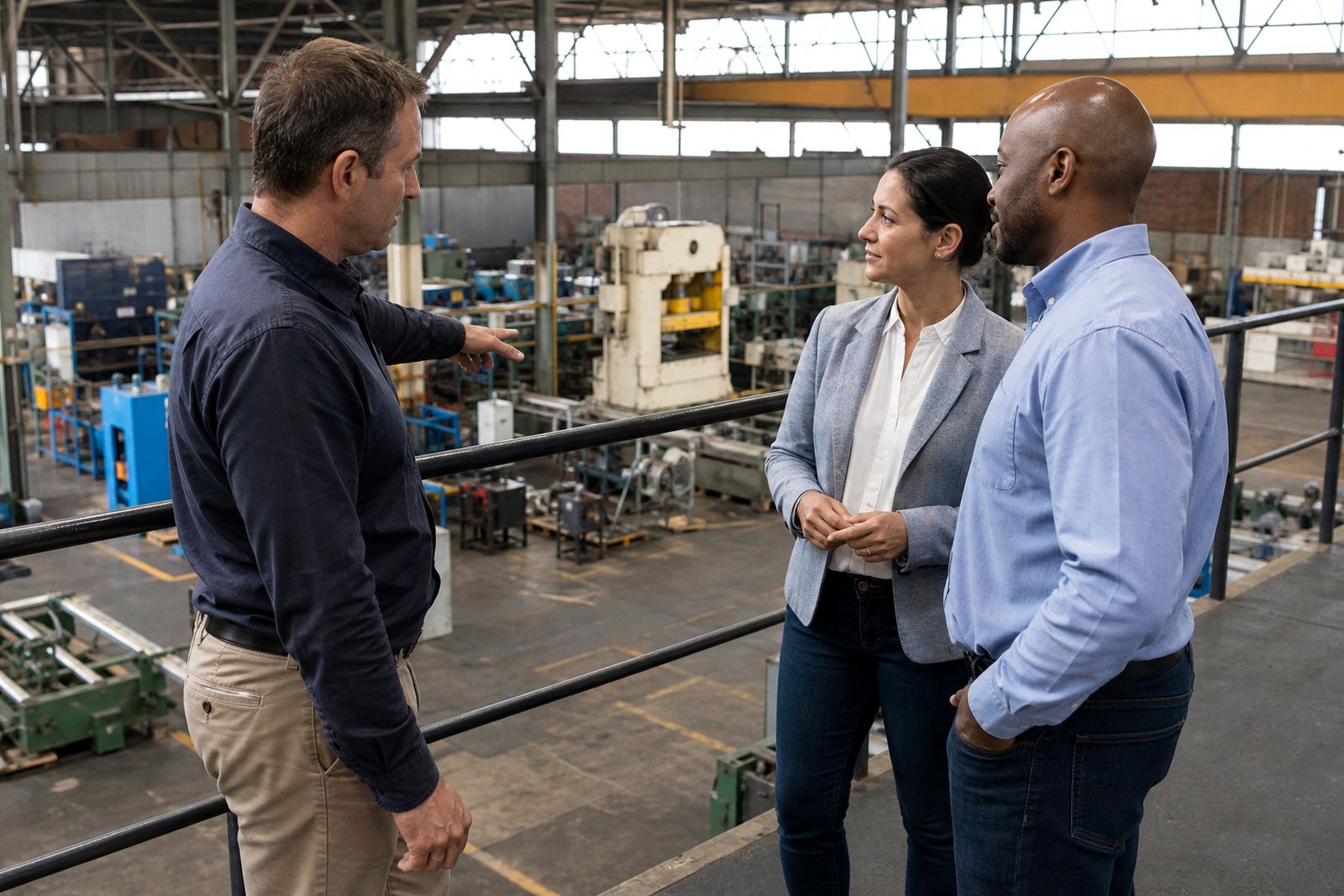
Every site is different. A machine in Germiston with a wide yard and forklift access is not handled the same way as a press or generator inside a tight workshop in central Johannesburg. We start by checking the machine dimensions, estimated mass, floor condition, doorway widths, turning space and any overhead restrictions. If the site has loading bay steps, narrow gates or overhead lines, that is noted early so the collection team can arrive prepared.
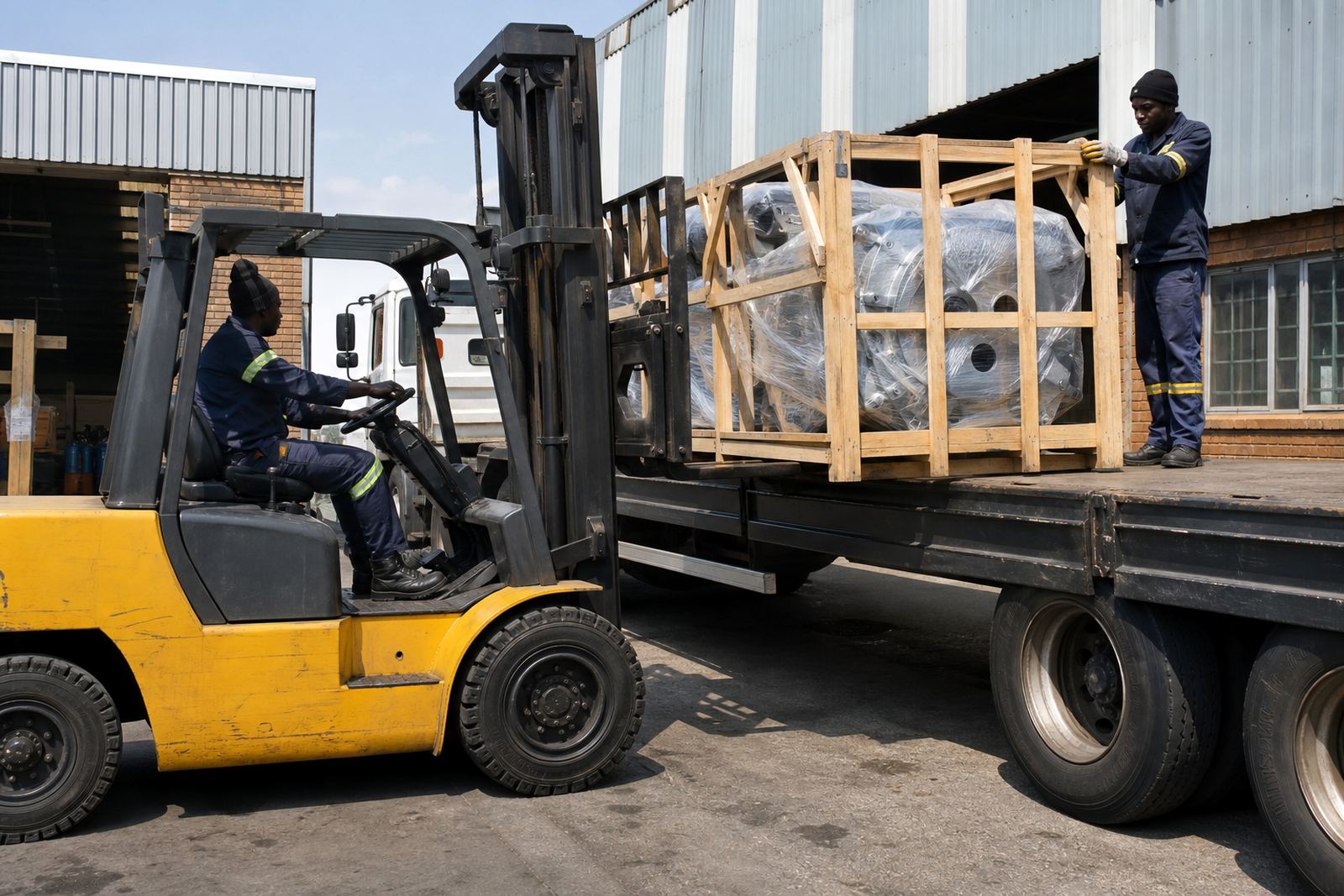
We also confirm the condition of the machine before collection. That includes whether it is still bolted down, whether parts have been removed, and whether any fluids need to be drained. Where required, we plan for palletising, shrink wrap, skids, chains, slings or a low-bed vehicle. In load-shedding periods, extra care is taken around lighting, gates and site access so the removal does not stall halfway through. The aim is simple: no scrambling on the day and no guesswork.
- Machine size and access measurements
- Floor load checks and route planning
- Equipment needs for lifting and transport
- Site condition notes, including power and lighting
Steps From Sale To Off-Site Handover
The collection process is handled in clear stages so the seller knows what to expect and the buyer knows when the asset can be moved. We agree the collection window, confirm the site contact person, and make sure the release conditions are understood before anyone arrives. If multiple machines are being collected from the same premises, we help order the sequence so the heaviest or hardest-to-move item is not left until last.
On collection day, the team checks the load-out route, confirms the machine identity and then proceeds with removal in line with the agreed plan. If a machine needs to be disconnected first, that work must be handled by a suitable person on site, following the site’s own safety rules and lockout procedures. Our role is coordination and logistics, not electrical or mechanical repair. Once the item leaves site, the handover is closed off and the collection can be marked complete.
- Confirm sale release and site contact details
- Schedule the load-out window
- Prepare the route and lifting plan
- Complete removal and handover confirmation
Turnaround Times And Collection Windows
Turnaround depends on the machine type, the site conditions and how quickly the buyer can organise transport. A straightforward collection from a ground-level site with clear access may be arranged faster than a machine that needs dismantling, craning or after-hours access. In practical terms, collections are usually planned around the buyer’s transport schedule and the seller’s production needs, so that business operations are not interrupted any more than necessary.
For larger plants or grouped assets, a phased collection plan is often better than trying to remove everything in one go. This is useful when a site still has active equipment nearby, or when the yard can only take one vehicle at a time. In Durban and other coastal areas, weather and humidity can also affect timing and packing, especially where unprotected steel parts may start to rust if they sit exposed for too long. A bit of planning saves trouble later.
We also keep the practical side in mind for regional work across Pretoria, Cape Town and Gqeberha, where traffic, port access, municipal rules and industrial area gate procedures can affect the day’s timing. If a site requires a booking for loading or a strict exit time, that is worked into the plan from the start.
Pricing Approach And What Affects It
Collection coordination is priced according to the work required, not as a fixed one-size-fits-all amount. The main factors are the number of machines, the distance between items, access on site, lifting difficulty and whether special transport is needed. A single machine from a clear warehouse bay takes less coordination than a mixed lot from a cramped workshop with multiple handovers and limited vehicle access.
Where a collection needs extra planning, we will explain what drives the work involved so the buyer or seller understands the logistics before the collection is scheduled. We do not give financial or tax advice, and a valuation remains an opinion of value only, not a guarantee of sale price. The same applies to removal planning: it is based on site facts, machine condition and collection requirements at the time.
- Number and size of items to be removed
- Access, loading height and floor condition
- Need for lifting, rigging or special transport
- Distance, timing and any site restrictions
Routine Checks Before And After Collection
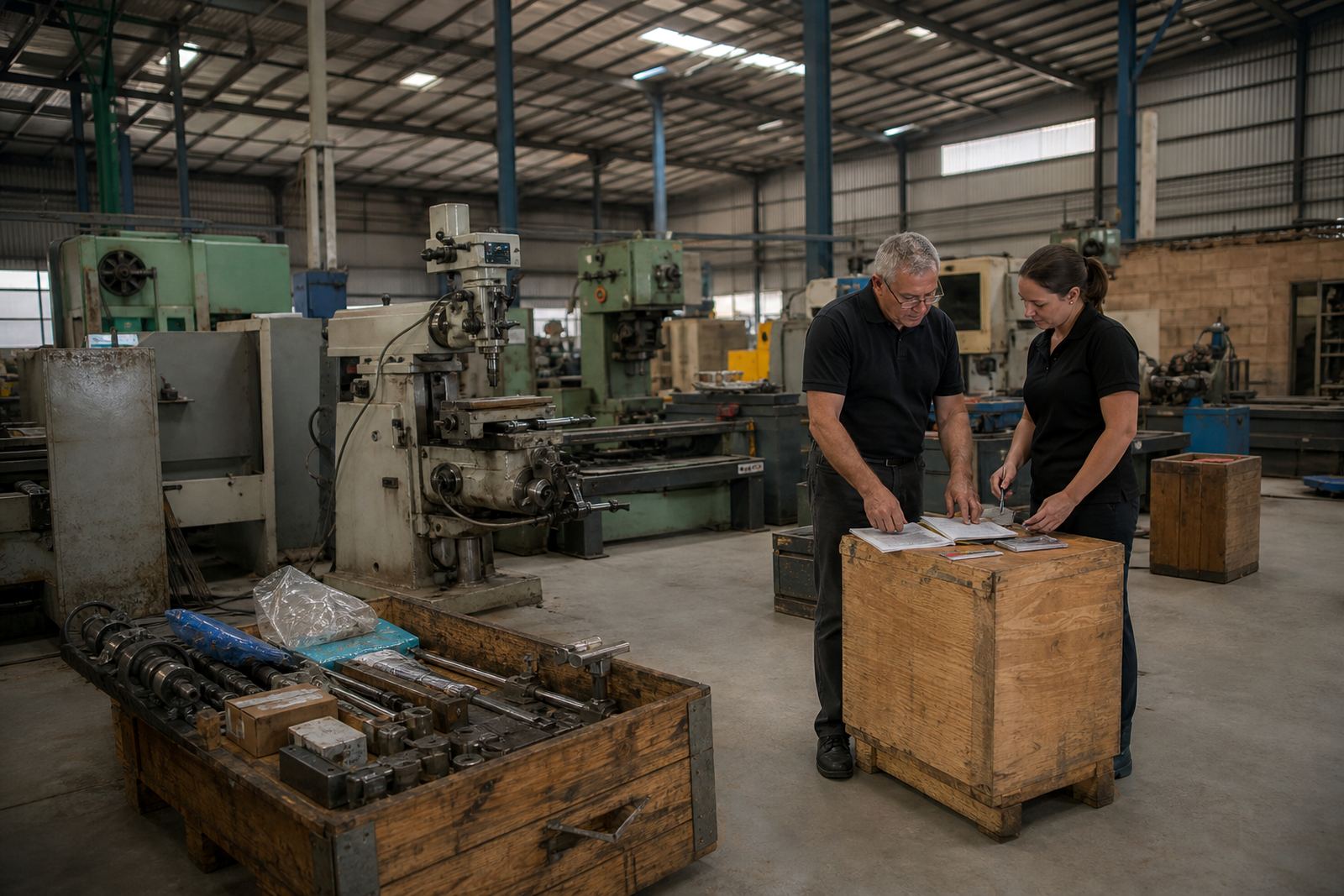
Good collection work benefits from simple routine checks. Before collection, the machine should be identified correctly, tagged if needed, and checked for loose parts, fluids or missing panels. If a machine has been idle for months, belts, covers and guards may have shifted, so it helps to inspect the unit before a vehicle arrives. After collection, the site should be left clear of offcuts, fixings and debris, with any agreed closure steps completed.
For sellers who regularly release machinery, it helps to work on a regular collection rhythm rather than waiting until the yard is full. Monthly or quarterly planning can make plant changes easier to manage, especially where different machines are sold at different times. On larger industrial sites, a short pre-collection review every 30 to 90 days can help keep records up to date and reduce delays when an asset is sold. That is especially useful when there are multiple departments or when site access changes with production schedules.
We also keep an eye on practical maintenance points that affect removals over time, such as corroded fixings, damaged pallets, worn castors and poorly marked isolation points. These small issues can slow down a collection more than most people expect, so they are worth sorting early.
Key facts
| Base area | Kempton Park, Gauteng |
|---|---|
| Coverage | Johannesburg, Pretoria, Durban, Cape Town, Gqeberha, Germiston, Midrand |
| Typical collection inputs | Machine size, mass, access route, floor condition, lifting needs |
| Common site types | Factories, warehouses, workshops, yards and storage facilities |
| Turnaround | Depends on site access, machine readiness and transport availability |
| Coordination focus | Safe removal planning, sequencing, handover and closure support |