Used Packaging Machines We Assess for Auction
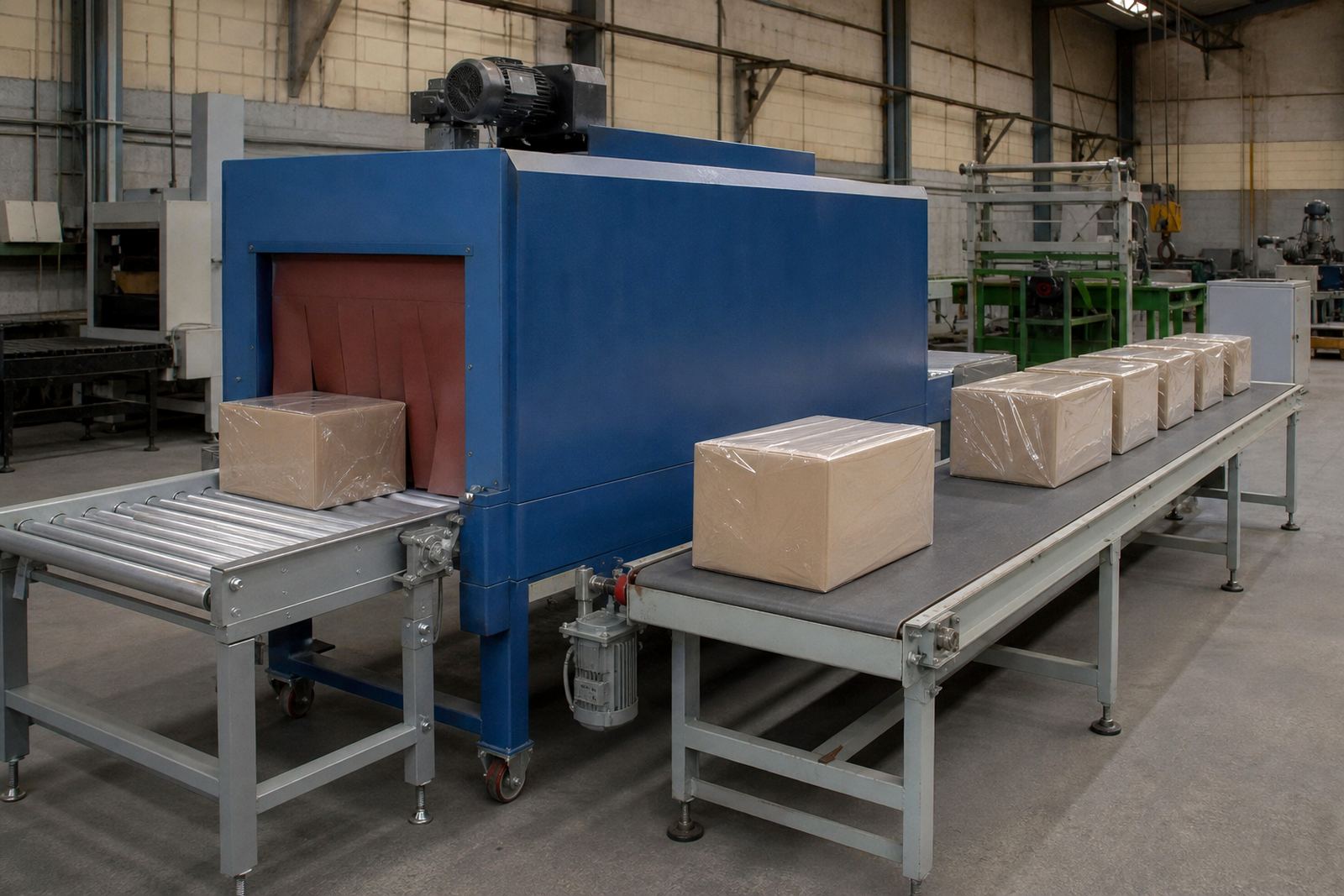
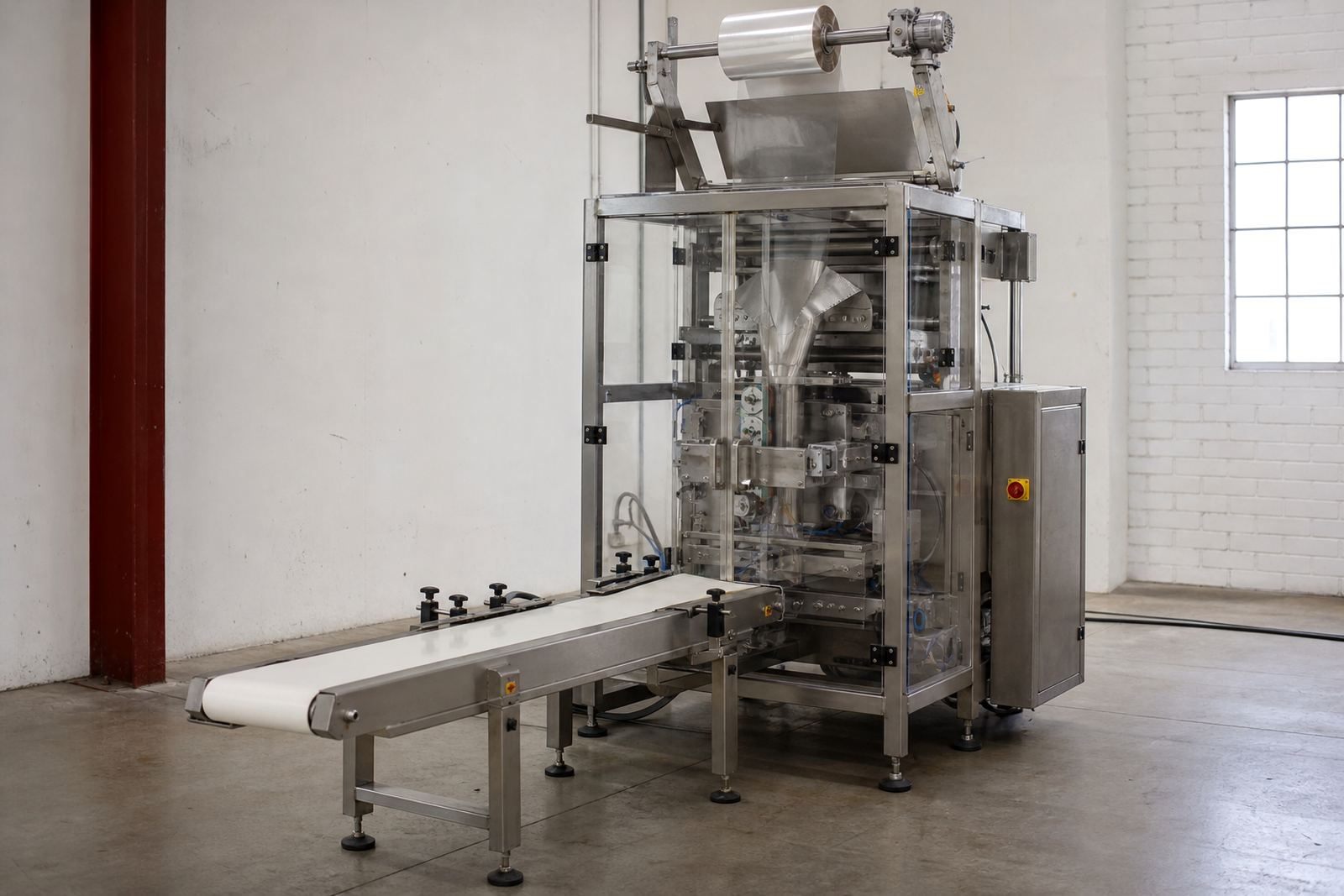
Packaging machinery covers the equipment used to fill, seal, wrap, label, code, close and move product for dispatch. In practice this can range from small tabletop units to full line machines that sit in a warehouse, plant room or production hall. We assess used equipment in working order, idle stock, surplus line assets and machines that need repairs before they can be offered for sale.
Our team looks at condition, age, completeness, maintenance history where available, and how the machine fits into the rest of the line. A valuation is an opinion of value based on current market knowledge and the machine itself, not a guarantee of the final sale price. For sellers in Johannesburg, Pretoria, Durban, Cape Town and Gqeberha, this helps set a practical starting point before the auction campaign begins.
- Fillers for dry, liquid and semi-liquid products
- Sealers, band sealers and shrink wrapping units
- Carton closing, tray packing and case forming machines
- Labelling, date coding and batch marking equipment
- Conveyors, turntables and product handling systems
Typical Sizes, Line Setups and Options
Packaging machines are supplied in many sizes, from compact units that fit beside a packing bench to heavy floor-standing systems tied into a full conveyor line. We see single-head machines, twin-head units, semi-automatic models and fully automatic systems. Some are stainless steel for food or coastal humidity, while others are painted carbon steel for dry warehouse use.
When we inspect a machine we note the working envelope, overall footprint, hopper or feed size, output rate if known, and whether change parts are present. A buyer needs to know if the machine can handle sachets, tubs, bottles, cartons or bags, and whether it suits the present product size or would need parts changed. That detail matters when a plant in Kempton Park or Germiston is clearing surplus stock and the next owner needs to put it into service quickly.
- Compact units for light production and test runs
- Medium line machines for steady daily output
- Large production systems for higher throughput
- Stainless steel or food-grade contact surfaces where needed
- Manual, semi-auto and automatic operating formats
Where Packaging Machinery Suits Best
These machines are used across food packing, bakery lines, dairy, beverage bottling, chemical products, personal care, hardware and general manufacturing. A used packaging line can also suit a warehouse operation that needs repacking, relabelling or bulk division before dispatch. In Gauteng, many buyers look for machines that can handle power cuts, variable shifts and quick start-up after load-shedding.
We often see equipment sold from plants that are resizing, relocating or closing a line. In those cases the condition of guarding, motors, belts, drives and controls becomes central to the valuation. If the machine has been standing for some time, we note whether seals have perished, whether corrosion is present and whether the control panel is complete. That gives buyers a clearer picture before they travel for a viewing day.
- Food and beverage production lines
- Contract packing and repacking operations
- Chemical, detergent and household goods plants
- Warehouses with dispatch and labelling needs
- Midrand, Johannesburg and Pretoria manufacturing sites
Installation, Power and Utility Needs
Installation depends on the type of machine. Smaller units may only need a level floor, a normal socket and basic operator training. Larger packaging machines may need three-phase power, compressed air, a stable conveyor layout and sufficient floor space for maintenance access. Some systems need steam, vacuum or gas flushing, depending on the product and pack style.
Before any auction listing is finalised we check the machine nameplate and record the available electrical information where visible, such as voltage, phase and motor sizes. Buyers should confirm site supply, cable runs, breaker capacity and any air requirements before moving a machine. In Durban or Cape Town, where humidity can be high, storage and transport conditions should be considered as well, especially for control panels and steel guards. A machine that stood idle for months may need a proper recommissioning plan before it goes back into production, not just a quick wipe-down.
- Single-phase or three-phase supply, depending on model
- Compressed air for some sealing and actuating systems
- Level floor and access for forklifts or pallet jacks
- Space for loading, guarding and operator movement
- Earthing and safe isolation for electrical checks
Care, Servicing and Pre-Sale Condition Checks
Good presentation helps buyers understand what they are looking at and can improve confidence during the auction process. We recommend cleaning product residue, removing loose items, checking guards, and confirming that manuals, spare parts and change parts are collected together where possible. Machines with clear service records are easier to assess and often easier to market.
Before a sale, check belts, chains, seals, bearings, sensors, switches and emergency stops. If a machine has not been running, it may still need lubrication, a test start and a full safety review. For buyers, this is where an on-site inspection matters. For sellers, it helps avoid disputes later and keeps the process straightforward. Our team guides lotting and cataloguing so the listing shows the machine as it stands, not as someone hopes it might perform after repairs. We keep the process practical and transparent, with no overstatement.
- Clean down product contact areas and external panels
- Record missing parts, damage and known faults
- Collect manuals, tooling and spare change parts
- Check safety switches, guards and stop buttons
- Note any pending repairs or recommissioning needs
What to Check When Ordering or Bidding
Whether you are selling or bidding, the important details are the same. Confirm the machine type, model description, dimensions, serial number if visible, operating condition and the equipment that goes with it. Ask whether the item is sold as seen, whether dismantling is required, and who is responsible for collection coordination and clearance from the site. That avoids last minute surprises.
Buyers should also check how the machine will fit into the existing production flow. A filler that looks suitable on paper may still need a different conveyor height, product feed or electrical setup. Sellers should make sure that the catalogue entry reflects the true condition and that viewing days allow proper inspection. Our team in Kempton Park handles auction planning, reserve guidance, asset inspections and closure support for packaging machinery across South Africa.
- Exact machine type and pack format
- Footprint, height and access requirements
- Power, air and other utility needs
- Included tooling, manuals and spare parts
- Collection timing and site access rules
Key facts
| Common machine types | Fillers, sealers, labellers, coders, conveyors, cartoning and wrapping units |
|---|---|
| Typical power | Single-phase or three-phase, depending on model and application |
| Utility needs | Electricity, compressed air and sometimes vacuum or gas flush systems |
| Typical sizes | Compact bench units to large floor-standing line machines |
| Condition factors | Age, wear, guarding, controls, corrosion and completeness |
| Best suited to | Food, beverage, chemical, personal care, warehouse and general production |
| Service area | Kempton Park, Johannesburg, Pretoria, Durban, Cape Town and Gqeberha |