How a machinery valuation is carried out
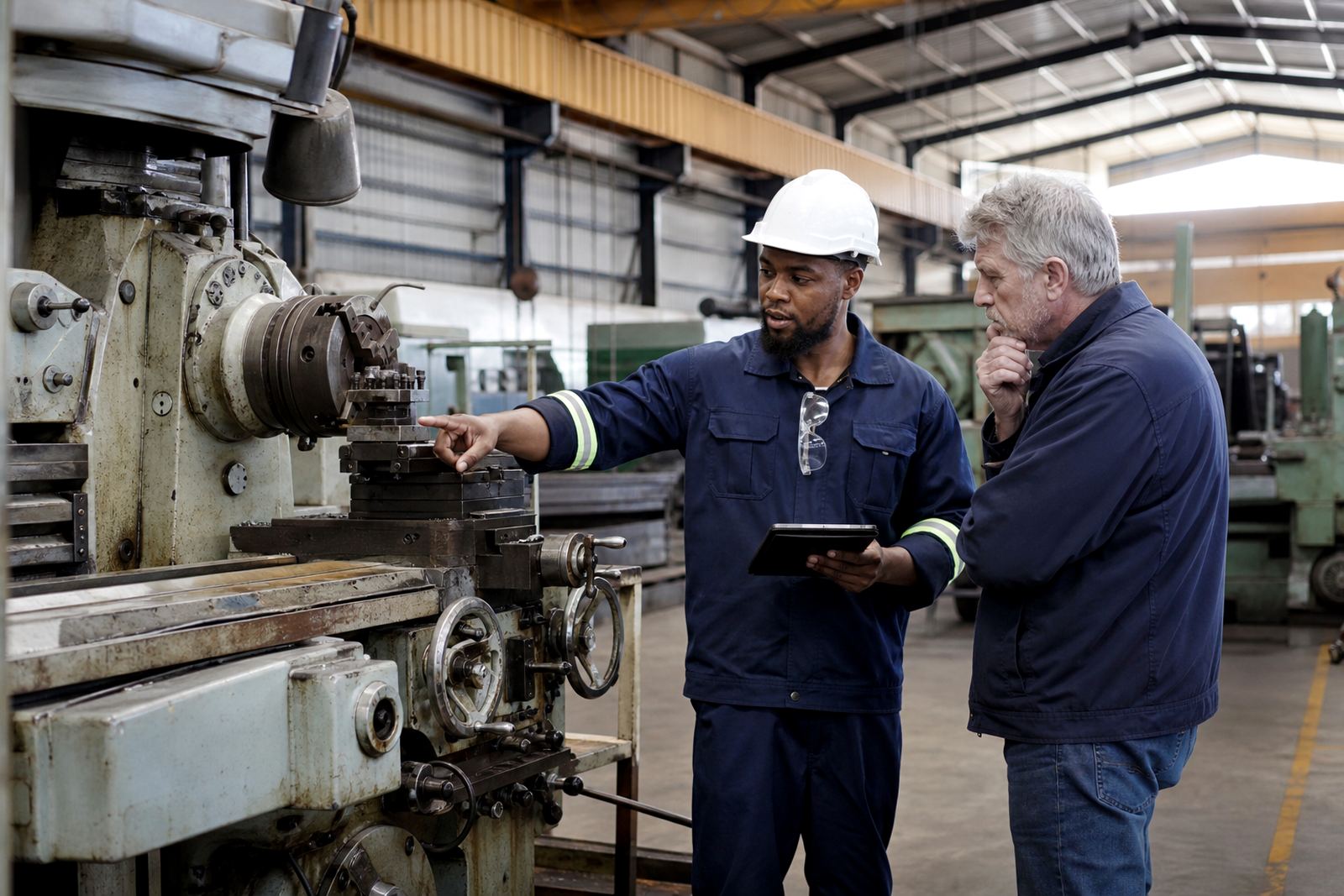
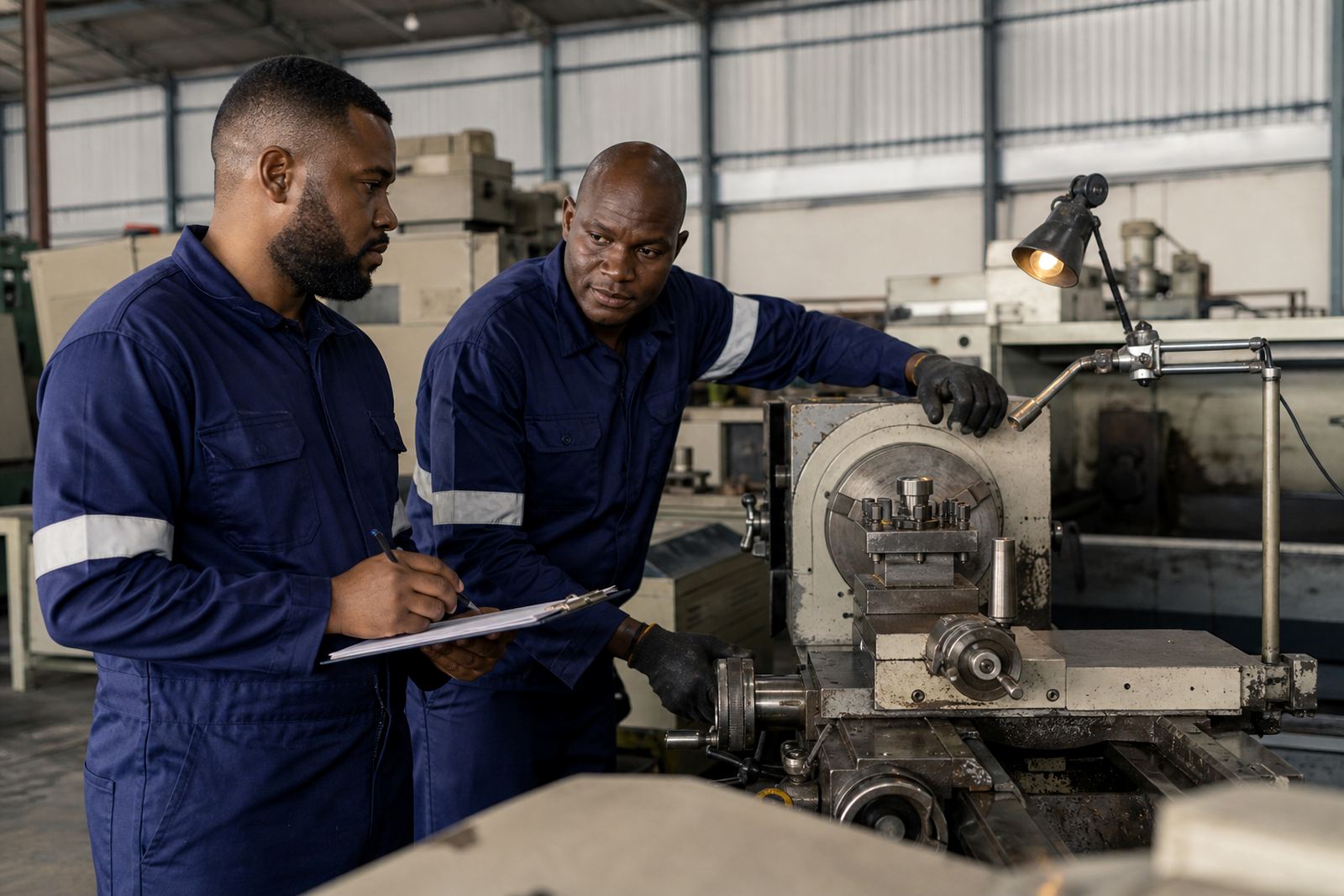
A valuation is an informed opinion of value based on the machine's make, model, age, condition, service history, hours used and current market demand. It is not a guarantee of a sale price. For sellers, this gives a realistic view of where the asset may sit before auction or private sale, and helps with planning the next step. We assess equipment on site where possible, which is often the best way to judge wear, missing parts, power supply needs and access for removal.
For industrial sites in Kempton Park, Germiston, Midrand, Johannesburg and Pretoria, we often look at factors such as loading access, floor condition, electrical supply, and whether the machine is still installed or already stripped down. In coastal areas such as Durban and Gqeberha, humidity and corrosion can affect value, so we inspect carefully for rust, electrical damage and pitting. The more complete the records, the clearer the valuation.
What to prepare before an on-site inspection
Good preparation makes the inspection faster and more accurate. If you have manuals, service records, last known running condition, spares lists or installation notes, keep them ready. If a machine has been standing through load-shedding or a shutdown period, tell us when it last ran and whether there were any faults before it stopped. Even small details help, and it saves time on the day.
- Clear access around the machine so it can be viewed from all sides
- Make power, air or water points available where needed
- Have serial numbers and asset tags ready if available
- List any missing guards, tooling, dies or attachments
- Flag oil leaks, control faults or prior repairs
For larger plants, we may assess several items in one visit and group them by type or production line. That helps with lotting later and keeps the process organised.
How auction planning and lotting work
Once the inspection is done, the next step is planning the sale. This includes deciding which assets are best sold together and which should stand alone as separate lots. Lotting and cataloguing matter because buyers need to know exactly what they are bidding on. Clear lot descriptions reduce confusion and help prevent disputes after the sale, which is important for both sellers and buyers.
We also look at reserve guidance where needed. A reserve is the minimum price a seller is prepared to accept, and it should be set with care. It is a commercial decision, not a prediction of what the market will pay. If the reserve is too high, a lot may not sell. If it is too low, the seller may not be satisfied with the result. The aim is a fair, transparent process.
- Assess the asset list and identify sale groups
- Prepare lot descriptions and inspection notes
- Schedule viewing days and bidding dates
- Confirm seller instructions on reserve settings
- Arrange collection planning for successful buyers
Can buyers inspect machinery before bidding
Yes, viewing days are a normal part of the auction process. Buyers are encouraged to inspect machinery before bidding, especially on used industrial equipment where condition can vary from item to item. Photos and descriptions are useful, but they do not replace an in-person look. Buyers should check wear, alignment, controls, safety guards, tooling, power requirements and any signs of damage or incomplete parts.
We suggest that buyers bring a technician or operator if they need a second opinion on fit for purpose. If the machine is dismantled, boxed or stored, the inspection should include all visible components and note anything not included. Buyers in Cape Town, Durban, Johannesburg and Pretoria often ask about site access and collection timing, so it helps to read the lot notes carefully before bidding.
Bidding, offers and what the winning bidder must do
Bidding can happen in a structured auction setting where interested buyers compete for a lot. Once the hammer falls or the bid is accepted, the winning bidder must follow the stated purchase conditions and complete payment within the required time. It is important to read the terms before bidding so there are no surprises about payment timing, removal windows or what happens if a buyer cannot complete the purchase.
Buyers should bid only on items they are ready to take. In industrial auctions, delays can affect site operations, storage and the release of other assets, so clarity matters. If a buyer needs a collection plan, transport quotes or lifting equipment, that should be arranged early. We do not give personal financial or tax advice, but we do explain the auction steps plainly so buyers know what to expect.
Collection, clearance and removal after sale
After a successful purchase, collection is the buyer's responsibility unless the sale terms state otherwise. Removal must usually happen within the agreed period and in line with site rules, safety requirements and any municipal or landlord conditions. For plant rooms, factories and workshops, buyers may need rigging, forklifts, pallet jacks or qualified technicians to disconnect machinery safely. If a machine is heavy or bolted down, plan for that from the start.
Our team helps coordinate collection so the process is orderly. Johan Botha manages site logistics and Thabo Molefe coordinates the operational side, while the rest of the team keeps the lot information and handover details in order. Buyers collecting in Kempton Park, Midrand or Germiston often need tight access windows, and that is where good coordination helps.
- Bring the correct transport and lifting equipment
- Confirm who may enter the site and when
- Remove the correct lot only, with paperwork ready
- Leave the area clean and safe after loading
- Report any issues with missing items before departure
Who to contact if you need guidance
If you are unsure whether your machinery is ready for auction, or you need help deciding between valuation, private sale or clearance sale, start with an enquiry through the contact page. Our base in Kempton Park supports sellers and buyers across South Africa, including Johannesburg, Pretoria, Durban, Cape Town and Gqeberha. The team includes Siyabonga Mthembu, Naledi Khumalo, Pieter van der Merwe, Ayesha Ismail, Thabo Molefe, Johan Botha and Lerato Nkosi, and each person handles a different part of the process.
Whether you are dealing with a single machine or a full plant, the aim is the same: accurate information, clear steps and proper follow through. That makes it easier to plan the sale and manage collections without confusion. If your site is near load-shedding sensitive equipment, or coastal conditions have affected stored assets, mention that early so the inspection covers it properly.